
J Clin Aesthet Dermatol. 2026;19(7):10–15.
by Tanya Boghosian, BS; Hannah Mendez, BS; Nazar Boghosian, BS; Mira Sayegh; Jacob Beer, MD; and Antonella Tosti, MD
Ms. Boghosian is with the Washington University School of Medicine, St. Louis, Missouri. Ms. Mendez is with the Florida Atlantic University Charles E. Schmidt College of Medicine, Boca Raton, Florida. Mr. Boghosian is with University of California, Los Angeles, Los Angeles, California. Ms. Sayegh is with the University of Miami, Miami, Florida. Dr. Beer is with the Department of Dermatology and Cutaneous Surgery, University of Miami, Miami, Florida, and Beer Dermatology, West Palm Beach, Florida. Dr. Tosti is with the Department of Dermatology and Cutaneous Surgery, University of Miami, Miami, Florida.
FUNDING: No funding was provided for this article.
DISCLOSURES: Dr. Tosti is Editor-in-Chief of Skin Appendage Disorders and acts as a consultant for AbbVie, Almirall, Amgen LLC, Bristol Myers Squibb, DS Laboratories, Lilly, L’Oréal/Vichy USA, Myovant, Ortho Dermatologics, Pfizer, Sun Pharmaceuticals, Tirthy Madison, Veradermics, and WellBeauty Company LLC. The remaining authors have no relevant conflicts of interest.
Abstract: Objective: To evaluate clinical applications, efficacy profiles, and delivery strategies of vitamin C and its derivatives in dermatology. Methods: A systematic review of PubMed and Scopus identified studies published from 2020 onward, evaluating topical, injectable, or systemic vitamin C formulations. Of 263 screened publications, 44 met inclusion criteria. Data were extracted regarding derivative type, delivery platform, and outcomes. Results: Ascorbic acid remains the most clinically validated formulation, with low-pH stabilized systems and L-ascorbic acid, vitamin E, and ferulic acid–type complexes consistently improving photoaging, structural aging, pigmentary disorders, and periprocedural healing. Ascorbyl tetraisopalmitate shows superior lipophilic stability, benefiting pigmentary and structural aging. Tetrahexyldecyl ascorbate is preferred for sensitive skin but requires acetyl zingerone stabilization. Ascorbyl glucoside with or without arginine is well tolerated for chronic hyperpigmentation. Sodium ascorbyl phosphate improves texture and pigmentation, particularly when paired with microneedling. Bis-glyceryl ascorbate demonstrates niche utility for preventing tyrosine kinase inhibitor–associated hand-foot skin reaction. Ascorbyl palmitate and magnesium ascorbyl phosphate emulgels provide rapid pigment lightening. Across modalities, procedural delivery—microneedling, jet injection, and radiofrequency-assisted laser import—enhances penetration and clinical response. Dietary vitamin C at 40 to 80 mg per day offers modest systemic photoprotection, hydration, and wrinkle-smoothing benefits, even without overt deficiency. Limitations: Study heterogeneity and a paucity of standardized data, particularly regarding diverse phototypes, restrict direct comparison; further research is required to guide optimal dermatologic use. Conclusion: Clinical effectiveness of vitamin C depends on derivative chemistry, vehicle, pH, stabilization strategy, and delivery method. Personalized selection by skin type, treatment goals, and delivery modality is essential. Keywords: Vitamin C derivatives, formulation stability, hyperpigmentation, photoaging, anti-aging, dietary supplementation, microneedling, systematic review
Introduction
Ascorbic acid, also known as vitamin C, is an essential water-soluble antioxidant with important roles in numerous body systems, including the skin. As a cofactor for key gene regulatory enzymes, vitamin C supports immune function by promoting B-cell and T-cell proliferation.1 In dermatology, vitamin C inhibits tyrosinase, thereby reducing melanin synthesis and improving hyperpigmentation.2 Vitamin C also maintains activation of prolyl and lysyl hydroxylase, 2 key enzymes in collagen biosynthesis, supporting dermal repair and wound healing while mitigating age-related collagen loss.3 As a potent antioxidant, vitamin C neutralizes reactive oxidative species via electron transfer, mitigating oxidative stress and preventing photoaging-related cellular damage.4 Due to these diverse biological benefits, clinical interest in vitamin C spans topical, injectable, and systemic strategies.
Despite its broad dermatologic benefits, vitamin C presents notable challenges in clinical use. Ascorbic acid is hydrophilic, readily oxidized, and highly unstable, resulting in limited cutaneous penetration.4 Effective topical delivery requires a highly acidic environment, with pH values below 3.5, to facilitate conversion to the unchanged form that permeates the stratum corneum more efficiently.4 However, bioavailability and penetration vary greatly across formulations and delivery systems. This is further complicated by the lack of standardized outcome measures, which limits comparison across derivatives and formulations.
This review aims to summarize the clinical applications of vitamin C in dermatology, including its roles in photoaging, scarring, and hyperpigmentation. We compare the reported efficacies across formulations and treatment modalities and assess existing delivery methods and combinations, clarifying their relevance for specific patient profiles while identifying knowledge gaps for future research.
Methods
The authors performed a systematic literature review in accordance with Preferred Reporting Items for Systematic Reviews and Meta-Analyses (PRISMA) guidelines.5 PubMed and Scopus were queried in September 2025 with no language filters for studies published from January 2020 onward using key terms on skin outcomes (“skin effects,” “pigmentation,” “photoaging,” “skin integrity”) and vitamin C (“vitamin C,” “ascorbic acid,” “ascorbate,” “magnesium ascorbyl phosphate,” “sodium ascorbyl phosphate,” “ascorbyl glucoside,” “ascorbyl palmitate,” “tetrahexyldecyl ascorbate,” “ascorbyl tetraisopalmitate” ) for studies examining the clinical use, efficacy, and delivery of vitamin C in dermatology.
The initial search identified 271 articles (102 PubMed, 169 Scopus). After removal of 8 duplicates, 263 studies were screened for relevance by 2 independent reviewers (H.M. and N.B.). Disagreements were resolved by a third independent reviewer (T.B.). Studies were included if they investigated dermatologic outcomes related to vitamin C; reviews and nonhuman publications were excluded. Quality assessment was performed using the Quality Rating Scheme for Studies and Other Evidence.6 A total of 44 available studies were selected for inclusion and categorized by derivative type, delivery method, and reported outcomes.
Results
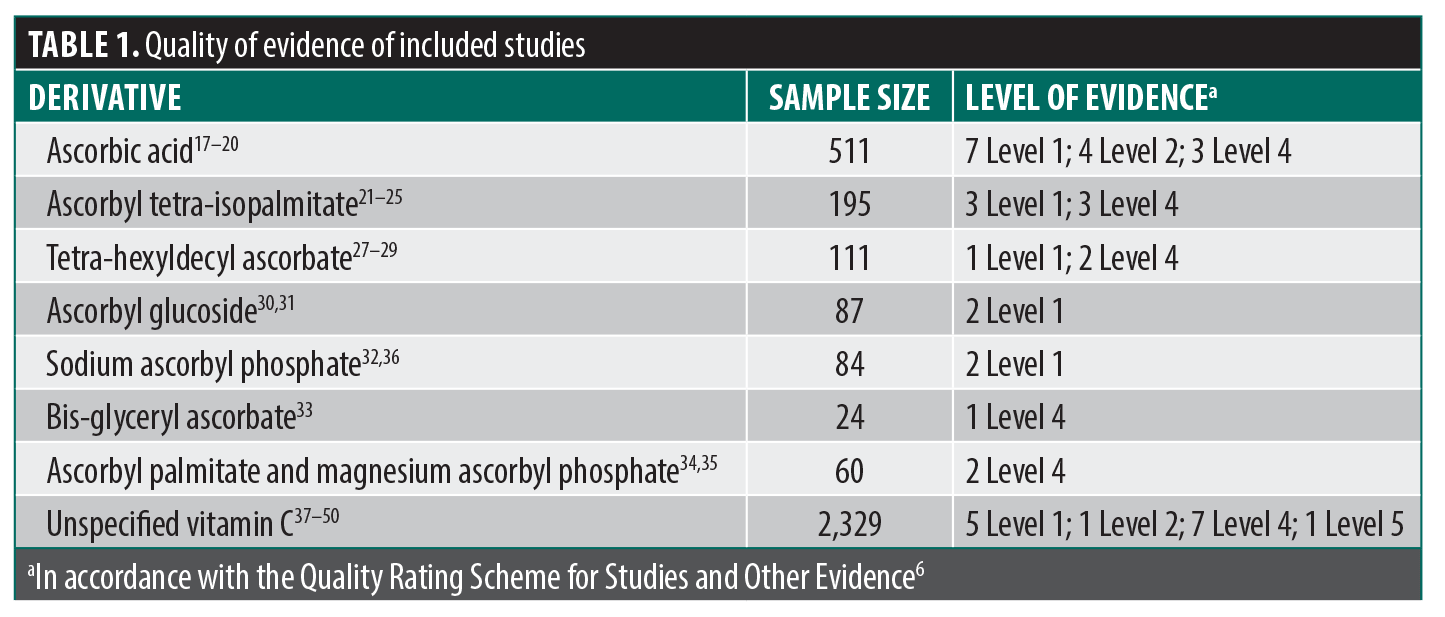
A total of 44 articles were included in this review, comprising 20 randomized controlled trial (Level 1), 5 prospective comparative cohort trials (Level 2), 18 case series (Level 4), and one case report (Level 5). Table 1 details the distribution of studies by level of evidence and cumulative sample size for each derivative. Table 2 summarizes the characteristics, benefits, limitations, and indications of each formulation.7–50
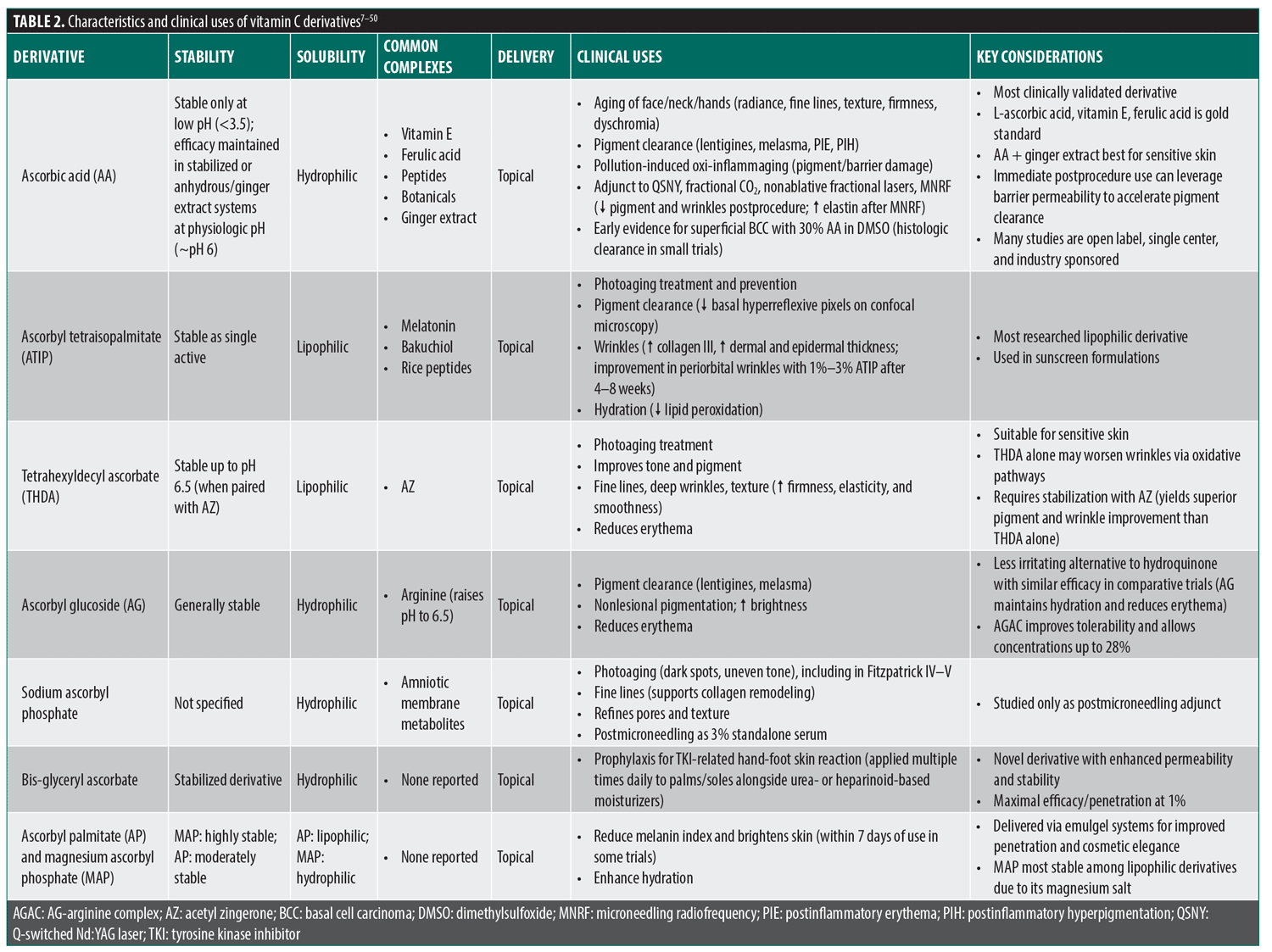
Ascorbic acid. L-ascorbic acid (AA) remains the most clinically validated vitamin C formulation in dermatology, with evidence across multiple vehicles, concentrations, skin types, and procedural contexts.7–16 Classical low-pH (pH < 3.5) aqueous serums containing 10% to 15% AA, often stabilized with vitamin E, ferulic acid, peptides, or botanical antioxidants, are famously known for their superior stability and reliable penetration, with benefits in photoaged, pigmented, and structurally aged skin.17–20
Ascorbyl tetraisopalmitate (ATIP). ATIP is the most widely researched lipophilic vitamin C derivative and is known for its superior stability.21–25 It may be used alone or in combination formulas, such as melatonin-bakuchiol-ATIP serums and ATIP-rice peptides creams, to improve photodamage and structural outcomes.21,25,26
Tetrahexyldecyl ascorbate (THDA). THDA is a lipophilic vitamin C derivative suitable for sensitive skin. Unlike low-pH AA, which may cause skin irritation, THDA remains stable at pH levels up to 6.5.27,28 However, THDA alone is chemically unstable on skin and may rapidly degrade unless combined with acetyl zingerone (AZ), which prevents oxidation-driven breakdown.29
Ascorbyl glucoside (AG). AG-based formulas are promising alternatives for chronic hyperpigmentary disorders such as solar lentigines and melasma.30,31
Sodium ascorbyl phosphate (SAP). SAP is a phosphate-form vitamin C derivative used for photoaging and structural aging, functioning primarily through inhibition of tyrosinase and reduction of dihydroxyphenylalanine–quinone while supporting collagen remodeling.32,36
Bis-glyceryl ascorbate (DGA). DGA is a novel topical ascorbic acid derivative formulated as a 1% cream, characterized by improved cutaneous permeability and stability within the epidermis compared to conventional vitamin C forms.33
Ascorbyl palmitate (AP) and magnesium ascorbyl phosphate (MAP). AP and MAP can be effectively delivered through emulgel, systems that incorporate hydrophobic actives into a water-soluble gel base to enhance shelf life, create smoother application, and improve patient compliance.34,35
Novel uses of vitamin C. Vitamin C is increasingly delivered through devices rather than as simple pre- or postprocedure topicals,7,11–13,36 with consistent pigmentary and textural benefits.
In women with photoaging, microneedling with SAP serum, 3%, every 2 weeks for 3 sessions improved pigmentation more than microneedling with saline, with no procedure-related adverse events.32 For melasma, microneedling-assisted vitamin C delivered over 3 biweekly sessions consistently reduced modified melasma severity indices (MASI) and enhanced both physician and patient assessments.37 For sensitive erythematous skin, low depth (0.2 mm) microneedle mesotherapy or sonophoresis using injectable AA (500 mg) in 6 sessions at 2-week intervals improved elasticity, pigmentation, erythema, and hydration with excellent tolerability.9 Transient postprocedure redness and irritation typically resolved within hours, and most patients reported brighter, less reactive skin.9
Other modalities also showed benefit. Intradermal mesotherapy combining vitamin C and tranexamic acid reduced periorbital hyperpigmentation, producing moderate lightening effects and only mild, self-limited adverse effects.38 Needle-free delivery with high-velocity transdermal injections, weekly for 8 treatments, significantly reduced hemi-MASI scores, with only brief erythema or stuffiness during application.39 Radiofrequency (RF)-assisted delivery offers another effective route: combining a 1064-nm Q-switched Nd:YAG laser with RF-assisted import of injectable vitamin C reduced the appearance of infraorbital dark circles, with durable lightening at 1 year posttreatment.40 This modality has been shown to decrease melanin particle density on reflectance confocal microscopy and has only mild, transient tingling, erythema, and edema with no downtime.40 Together, these approaches show that microneedling, mesotherapy, jet injection, and RF-assisted laser protocols can reliably deliver vitamin C into targeted tissue with improvements in pigmentation, erythema, and texture and with an excellent safety profile.
Dietary supplementation. Dietary vitamin C supports skin health by strengthening the extracellular matrix, enhancing photoprotection, and preventing deficiency-related dermatoses.41–44 A dose of 80 mg of oral vitamin C daily for 16 weeks was shown to promote collagen synthesis and contribute to improvements in dermal density, texture, and wrinkle appearance, particularly when combined with collagen peptides or other bioactive nutrients.41 Antioxidant complexes containing 40 to 80 mg of vitamin C, alongside vitamins A and E, carotenoids, selenium, or botanical extracts, increased minimal erythema dose, reduced malondialdehyde levels, and improved hydration and elasticity, offering systemic photoprotection that is meaningful for patients with photoaging or high UV exposure.42,43 These effects generally appeared after 8 to 12 weeks of daily use.42,43 Adequate dietary intake is also essential for maintaining vascular and follicular integrity, as deficiency can lead to perifollicular hemorrhage, corkscrew hairs, gingival bleeding, and impaired wound healing, all of which resolved with intensive repletion doses of up to 1,000 mg daily.44
Discussion
Current literature indicates that clinical outcomes with vitamin C hinge primarily on formulation chemistry rather than the presence of ascorbate alone.51 Across most formulations, vitamin C improves photoaging through antioxidant and photoprotective effects and supports structural aging through promotion of collagen synthesis, preservation of dermal matrix integrity, and reduction of wrinkle formation.11,21,25,26,28,29,36 AA remains the gold standard, clinically validated formulation, famously complexed with vitamin E and ferulic acid, with reproducible improvements in photoaging, pigmentary disorders, and periprocedural recovery in multiple controlled studies.11,12,16 ATIP is the most stable lipophilic derivative, incorporated into creams and sunscreens targeting both pigmentary and structural components of photoaging, with particular strengths in collagen support and wrinkle reduction.21,25,26 THDA is best for sensitive skin but requires stabilization with AZ, with emerging evidence of its benefits for photoaging of the face, neck, and chest.28,29 AG offers a well-tolerated alternative to hydroquinone for chronic hyperpigmentation, with arginine-complexed AG (AGAC) allowing for use at higher concentrations.30,31 SAP functions as a pigment- and texture-correcting derivative optimized by microneedling-assisted delivery,36 while DGA has a niche supportive role in oncology.33 Specifically, in patients with metastatic renal cell carcinoma receiving the tyrosine kinase inhibitor sunitinib, a DGA cream, 1%, applied several times daily to the palms and soles, together with standard urea- or heparinoid-based moisturizers, has been shown to significantly reduce the incidence of sunitinib-induced hand-foot skin reaction (HFSR), defined as posttherapy dryness, pruritus, maculopapular erythema, purpura, bulla/vesicles, erythroderma, or hyper-/hypopigmentation.33 The benefit is hypothesized to reflect the ability of DGA to counteract sunitinib-induced keratinocyte growth inhibition.33 Finally, evidence is emerging regarding combined AP and MAP emulgel systems for rapid pigmentlightening.34 Overall, clinicians should assess vitamin C regimens by derivative, pH, vehicle, stabilization strategy, and intended clinical target rather than by the generic “vitamin C” label.
Periprocedural use of vitamin C presents unique opportunities and challenges for dermatologists. When procedures such as fractional lasers or microneedling already induce neocollagenesis, appropriately formulated vitamin C could potentially augment the quality of remodeling rather than function only as a generic antioxidant.52 Fractional CO2 laser pretreatment can increase transdermal delivery of several topical agents, including vitamin C derivatives.11 These lasers create microthermal zones that act as conduits through the stratum corneum, with evidence demonstrating up to a 10- to 21-fold increase in uptake of vitamin C serums, 10% to 15%, when applied following laser treatments in ex vivo human skin.53 Similarly, microneedle technologies enhance transdermal drug delivery by bypassing the stratum corneum barrier, with evidence supporting greater improvements in wrinkles, pores, and pigmentation with microneedling combined with topical vitamin C compared to microneedling alone.32 However, these findings remain preliminary, and there is a lack of studies evaluating these combinations across different vitamin C formulations and diverse phototypes. Dermatologists should incorporate these uncertainties into procedural planning, tailoring product selection and timing to mitigate irritation risk and optimize treatment outcomes.
Phototype-related biology further underscores the need for individualized decision making. Patients with skin of color have higher eumelanin content, which confers increased resistance to UV-B–induced damage and more efficient DNA repair, but also greater susceptibility to visible light-induced pigmentation and oxidative stress, which drives common pigmentary disorders in this population.54 Vitamin C may offer antimelanogenic and antioxidative benefits for hyperpigmentation and photoprotection in these patients.55 However, clinical trial data specifically addressing topical vitamin C in darker phototypes are limited. Most studies use antioxidant blends rather than isolated vitamin C and lack adequate representation of skin of color,56 leaving significant gaps in evidence regarding efficacy, optimal formulation, and long-term safety.
This review is limited by the heterogeneity of study designs and outcome measures across included trials, which precluded direct comparison between derivatives. Many studies were open label, short in duration, industry-sponsored, or conducted in small, homogeneous cohorts, limiting external validity. Phototype reporting was limited, leaving sparse data for diverse skin types. Procedural studies frequently combined vitamin C with additional modalities, complicating attribution of therapeutic effect. Finally, variations in pH, vehicle, concentration, and stabilization strategies were inconsistently reported, restricting the ability to standardize recommendations across products.
Conclusion
Vitamin C remains a versatile therapy in dermatology, but its therapeutic success is determined by formulation chemistry rather than ascorbate content alone. Evidence supports AA as the most reliable option for broad-spectrum photoaging, structural aging, and pigmentary concerns, while derivatives such as ATIP, THDA, AG/AGAC, SAP, DGA, and AP/MAP offer targeted benefits based on stability and intended use. Procedural delivery can further expand the applications of vitamin C but requires individualized planning to balance efficacy with tolerability. Ongoing research, especially across diverse skin types and with standardized outcome measures, is needed to refine best practices and guide precise, patient-specific use of vitamin C in clinical dermatology.
References
- Carr AC, Maggini S. Vitamin C and immune function. Nutrients. 2017;9(11):1211.
- Sanadi RM, Deshmukh RS. The effect of vitamin C on melanin pigmentation – a systematic review. J Oral Maxillofac Pathol. 2020;24(2):374–382.
- Boyera N, Galey I, Bernard BA. Effect of vitamin C and its derivatives on collagen synthesis and cross-linking by normal human fibroblasts. Int J Cosmet Sci. 1998;20(3):151–158.
- Al-Niaimi F, Chiang NYZ. Topical vitamin C and the skin: mechanisms of action and clinical applications. J Clin Aesthetic Dermatol. 2017;10(7):14–17.
- Page MJ, McKenzie JE, Bossuyt PM, et al. The PRISMA 2020 statement: an updated guideline for reporting systematic reviews. BMJ. 2021;372:n71.
- Instructions for Authors [Internet]. JAMA Dermatology; 2019. Accessed 12 May 2026. https://jamanetwork.com/journals/jamadermatology/pages/instructions-for-authors#SecTables
- Eassa BI, Ammar AM, Shoaib OA, Elsaie ML. Fractional carbon dioxide laser assisted delivery of tranexamic acid versus ascorbic acid in the treatment of melasma: a split face comparative study with digital skin analysis. Lasers Med Sci. 2025;40(1):282.
- Martínez-Valverde T, Crespo N, Suñer E. Open-label study to evaluate the efficacy of a topical anhydrous formulation with 15% pure ascorbic acid and ginger as a potent antioxidant. Cosmetics. 2022;9(4):74.
- Jaros-Sajda A, Budzisz E, Erkiert-Polguj A. Ascorbic acid treatments as effective and safe anti-aging therapies for sensitive skin. Antioxidants (Basel). 2024;13(2):174.
- Isoir-Ingrez M, Veriato A, Figueiredo S, et al. In vivo efficacy of a stabilized vitamin C-based serum at pH 6 on some ageing facial signs of women of different ages and phototypes. Int J Cosmet Sci. 2025;47(3):424–433.
- Kim J, Lee SG, Boo J, et al. Fractional microneedle radiofrequency with the application of vitamin C, E, and ferulic acid serum for neck skin rejuvenation: a prospective, doubleblinded, split-neck, placebo-controlled trial. J Dermatol Treat. 2025;36(1):2504655.
- Kim J, Kim J, Lee YI, Almurayshid A, Jung JY, Lee JHl. Effect of a topical antioxidant serum containing vitamin C, vitamin E, and ferulic acid after Q-switched 1064-nm Nd:YAG laser for treatment of environment-induced skin pigmentation. J Cosmet Dermatol. 2020;19(10):2576–2582.
- Hu JK, Quinonez RL, Antasiuk V, Waibel J. Treatment of acne vulgaris-associated postinflammatory dyschromia with combination of non-ablative laser therapy and topical antioxidants. J Drugs Dermatol. 2024;23(9):769–773.
- Ivarsson J, Yan X, Guiotto A, et al. Application of antioxidant mixture prevents cutaneous “oxinflammaging” in subjects exposed to particulate matter. J Cosmet Dermatol. 2025;24(7):e70306.
- Burke B, Bailie JE. Randomized trial of topical ascorbic acid in DMSO versus imiquimod for the treatment of basal cell carcinoma. Biomed Pharmacother. 2022;148:112710.
- Zduńska-Pęciak K, Kołodziejczak A, Rotsztejn H. Two superior antioxidants: ferulic acid and ascorbic acid in reducing signs of photoaging—a split-face comparative study. Dermatol Ther. 2022;35(2):e15254.
- Wyles S, Jankov LE, Copeland K, Bucky LP, Paradise C, Behfar A. A comparative study of two topical treatments for photoaging of the hands. Plast Reconstr Surg. 2024;154(5):978–984.
- Lintner K, Gerstein F, Solish N. A serum containing vitamins C & E and a matrix-repair tripeptide reduces facial signs of aging as evidenced by Primos® analysis and frequently repeated auto-perception. J Cosmet Dermatol. 2020;19(12):3262–3269.
- Qin X, Zhai J, Zhou C, et al. A randomized, investigator-blinded, split-face, controlled trial assessing efficacy and satisfaction of CE ferulic serum following nonablative fractional Fraxel laser treatment for photoaging skin in Chinese population. J Cosmet Dermatol. 2025;24(5):e70251.
- Rattanawiwatpong P, Wanitphakdeedecha R, Bumrungpert A, Maiprasert M. Anti-aging and brightening effects of a topical treatment containing vitamin C, vitamin E, and raspberry leaf cell culture extract: a split-face, randomized controlled trial. J Cosmet Dermatol. 2020;19(3):671–676.
- Fossa Shirata MM, Maia Campos PMBG. Sunscreens and cosmetic formulations containing ascorbyl tetraisopalmitate and rice peptides for the improvement of skin photoaging: a double-blind, randomized placebo-controlled clinical study. Photochem Photobiol. 2021;97(4):805–815.
- D’Angelo Costa GM, Maia Campos PMBG. Efficacy of topical antioxidants in the skin hyperpigmentation control: a clinical study by reflectance confocal microscopy. J Cosmet Dermatol. 2021;20(2):538–545.
- Yokota M, Yahagi S. Evaluation of the anti-wrinkle effect of a lipophilic pro-vitamin C derivative, tetra-isopalmitoyl ascorbic acid. J Cosmet Dermatol. 2022;21(8):3503–3514.
- Ochiai Y, Kaburagi S, Obayashi K, et al. A new lipophilic pro-vitamin C, tetra-isopalmitoyl ascorbic acid (VC-IP), prevents UV-induced skin pigmentation through its anti-oxidative properties. J Dermatol Sci. 2006;44(1):37–44.
- Goldberg DJ, Mraz-Robinson D, Granger C. Efficacy and safety of a 3-in-1 antiaging night facial serum containing melatonin, bakuchiol, and ascorbyl tetraisopalmitate through clinical and histological analysis. J Cosmet Dermatol. 2020;19(4):884–890.
- Goldberg DJ, Robinson DM, Granger C. Clinical evidence of the efficacy and safety of a new 3‐in‐1 anti‐aging topical night serum‐in‐oil containing melatonin, bakuchiol, and ascorbyl tetraisopalmitate: 103 females treated from 28 to 84 days. J Cosmet Dermatol. 2019;18(3):806–14.
- Konisky H, Bowe WP, Yang P, Kobets K. A clinical evaluation of the efficacy and tolerability of a novel topical antioxidant formulation featuring vitamin C, astaxanthin, and fermented turmeric. J Cosmet Dermatol. 2023;22(11):3088–3094.
- Afzal N, Nguyen N, Min M, et al. Prospective randomized double-blind comparative study of topical acetyl zingerone with tetrahexyldecyl ascorbate versus tetrahexyldecyl ascorbate alone on facial photoaging. J Cosmet Dermatol. 2024;23(7):2467–2477.
- Min M, Pérez Damonte SH, Sivamani RK. Open-label topical application of tetrahexyldecyl ascorbate and acetyl zingerone containing serum improves the appearance of photoaging and uneven pigmentation. J Cosmet Dermatol. 2024;23(8):2628–2635.
- Rocio J, Pittet JC, Sachdev M, Kovylkina N, Deloche Bensmaine C, Passeron T. Evaluation of the efficacy of a serum containing niacinamide, tranexamic acid, vitamin C, and hydroxy acid compared to 4% hydroquinone in the management of melasma. J Cosmet Dermatol. 2025;24(3):e70097.
- Takada M, Numano K, Nakano M, Yamamoto A, Imokawa G. Treatment with ascorbyl glucoside-arginine complex ameliorates solar lentigos. Int J Mol Sci. 2024;25(24):13453.
- Pratiwi KD, Listiawan MY, Ervianty E, et al. The efficacy of topical vitamin C and microneedling for photoaging. Berk Ilmu Kesehat Kulit Dan Kelamin. 2021;33(1):55–62.
- Yamamoto K, Nishiyama S, Kunisada M, et al. Safety and efficacy of bis-glyceryl ascorbate as prophylaxis for hand-foot skin reaction: a single-arm, open-label phase I/II study (DGA Study). Oncologist. 2022;27(5):e384–e392.
- Stolić Jovanović A, Martinović M, Žugić A, et al. Derivatives of L-ascorbic acid in emulgel: development and comprehensive evaluation of the topical delivery system. Pharmaceutics. 2023;15(3):813.
- Maia Campos PMBG, Gonçalves GMS, Gaspar LR. In vitro antioxidant activity and in vivo efficacy of topical formulations containing vitamin C and its derivatives studied by noninvasive methods. Skin Res Technol. 2008;14(3):376–380.
- Prakoeswa CRS, Effendy ZF, Herwanto N, Ervianty E, Rantam FA. Efficacy of topical application of a mixture of amniotic membrane stem cell metabolic products and vitamin C after microneedling treatment in patients with photoaging. J Pak Assoc Dermatol. 2020;30(3):485–489.
- Raza MH, Iftikhar N, Anwar A, Mashhood AA, Tariq S, Bin Hamid MA. Split-face comparative analysis of microneedling with tranexamic acid vs vitamin C serum in melasma. J Ayub Med Coll Abbottabad. 2022;34(1):169–172.
- Iranmanesh B, Rastaghi F, Hashemi NS, Kaveh R. Comparison of the effectiveness of platelet-rich plasma versus tranexamic acid plus vitamin C mesotherapy in the treatment of periorbital hyperpigmentation: a split-site, randomized clinical trial. J Cosmet Dermatol. 2024;23(12):4066–4071.
- Zhao H, Li M, Zhang X, Li L, Yan Y, Wang B. Comparing the efficacy of Myjet-assisted tranexamic acid and vitamin C in treating melasma: a split-face controlled trial. J Cosmet Dermatol. 2020;19(1):47–54.
- Yi Y, Luo H, Zhang Q, Wu M. Prospective study of using 1064-nm Q-switched Nd:YAG combined with radiofrequency-imported vitamin C on pigmented infraorbital dark circles. Lasers Med Sci. 2024;39(1):242.
- Žmitek K, Žmitek J, Hristov H, Butina MR, Keršmanc P, Pogačnik T. The effects of dietary supplementation with collagen and vitamin C and their combination with hyaluronic acid on skin density, texture and other parameters: a randomised, double-blind, placebo-controlled trial. Nutrients. 2024;16(12):1908.
- Granger C, Aladren S, Delgado J, Garre A, Trullas C, Gilaberte Y. Prospective evaluation of the efficacy of a food supplement in increasing photoprotection and improving selective markers related to skin photo-ageing. Dermatol Ther (Heidelb). 2020;10(1):163–178.
- Keršmanc P, Pogačnik T, Žmitek J, Hristov H, Točkova O, Žmitek K. Effects of eight-week supplementation containing red orange and polypodium leucotomos extracts on UVB-induced skin responses: a randomized double-blind placebo-controlled trial. Nutrients. 2025;17(7):1240.
- Verma KK, Deligonul FZ, Chen H, Tarbox M. Vitamin C deficiency masquerading as vasculitis in a patient with Crohn’s disease. Cureus. 2024;16(2):e55295.
- Draelos ZD, Diaz I, Cohen A, Mao J, Boyd T. A novel skin brightening topical technology. J Cosmet Dermatol. 2020;19(12):3280–3285.
- Jagdeo J, Kurtti A, Hernandez S, Akers N, Peterson S. Novel vitamin C and E and green tea polyphenols combination serum improves photoaged facial skin. J Drugs Dermatol. 2021;20(9):996–1003.
- Akulinina I, Stefanaki I, Pavlíčková E, et al. Topical formulation containing peptides and vitamin C in ampoules improves skin aging signs: results of a large, international, observational study. J Cosmet Dermatol. 2022;21(9):3910–3916.
- Setyaningrum T, Adiningtyas V, Oktaviyanti RN, et al. Efficacy of amniotic membrane stem cell conditioned medium (AMSC-CM) and vitamin C following CO2 fractional laser for photoaging therapy. Malays J Med Health Sci. 2021;17:30–34.
- Machado BHB, Frame J, Zhang J, Najlah M. Comparative study on the outcome of periorbital wrinkles treated with laser-assisted delivery of vitamin C or vitamin C plus growth factors: a randomized, double-blind, clinical trial. Aesthetic Plast Surg. 2021;45(3):1020–1032.
- Nguyen TQ, Emesiani C, Meckfessel M. A novel four-step regimen is efficacious in improving uneven skin tone in sensitive skin patients. J Drugs Dermatol. 2024;23(12):1072–1075.
- Pinnell SR, Yang H, Omar M, et al. Topical L-ascorbic acid: percutaneous absorption studies. Dermatol Surg. 2001;27(2):137–142.
- Lee WR, Shen SC, Kuo-Hsien W, Hu CH, Fang JY . Lasers and microdermabrasion enhance and control topical delivery of vitamin C. J Invest Dermatol. 2003;121(5):1118–1125.
- Hsiao CY, Sung HC, Hu S, Huang YL, Huang CH. Fractional CO2 laser pretreatment facilitates transdermal delivery of two vitamin C derivatives. Molecules. 2016;21(11):1547.
- Lim HW, Kohli I, Ruvolo E, Kolbe L, Hamzavi IH. Impact of visible light on skin health: the role of antioxidants and free radical quenchers in skin protection. J Am Acad Dermatol. 2022;86(3):S27–S37.
- Miao F, Su MY, Jiang S, Luo LF, Shi Y, Lei TC. Intramelanocytic acidification plays a role in the antimelanogenic and antioxidative properties of vitamin C and its derivatives. Oxid Med Cell Longev. 2019;2019:2084805.
- Lyons AB, Zubair R, Kohli I, et al. Mitigating visible light and long wavelength UVA1-induced effects with topical antioxidants. Photochem Photobiol. 2022;98(2):455–460.
From the 2nd Annual RAPIDS Immuno-Dermatology Conference: From Approval to Adoption—Translating Innovation Into Clinical Practice