
J Clin Aesthet Dermatol. 2026;19(6):28–34.
by Henry Jeon, DO; Sarah Berman, BS; and Nathalie Zeitouni, MD
Dr. Jeon is with Corewell Health Trenton, Dermatology Residency, Trenton, Michigan. Ms. Berman is with Midwestern University, Arizona College of Osteopathic Medicine, Glendale, Arizona. Dr. Zeitouni is with Medical Dermatology Specialists and the University of Arizona College of Medicine, Phoenix, Arizona.
FUNDING: Dr. Zeitouni is an investigator for SUN Pharma and Stamford Pharmaceuticals.
DISCLOSURES: The authors have no relevant conflicts of interest.
BACKGROUND: Hedgehog pathway inhibitors (HHIs) target aberrant Hedgehog signaling as a treatment of basal cell carcinomas (BCCs) but are limited by poorly tolerated adverse events (AEs) and development of resistance. To address these challenges, combination regimens have been investigated to improve tumor clearance while mitigating toxicity. OBJECTIVE: To investigate the landscape and mechanisms behind combination therapies involving HHIs for locally advanced BCC and identify patient populations most likely to benefit from each combination regimen. METHODS: Comprehensive PubMed and ClinicalTrials.gov searches were conducted for BCC combination therapies involving HHIs. Literature was analyzed following PRISMA guidelines and reviewed independently by 2 reviewers, with a third resolving conflicts. Nine studies were included, involving either vismodegib or sonidegib with concomitant itraconazole, radiation therapy, photodynamic therapy (PDT), pembrolizumab, intratumoral immunotherapy, or surgical debulking. Outcomes from combination therapies were compared to respective monotherapy outcomes from the ERIVANCE and STEVIE trials for vismodegib and the BOLT trial for sonidegib. RESULTS: Of studies reviewed, 89% demonstrated superior outcomes measured in objective response ratio (ORR) compared to monotherapy. The highest mean ORR of 100% was demonstrated in the combination therapies of sonidegib with radiation and vismodegib with PDT. The regimen with the worst efficacy was vismodegib with pembrolizumab, with an ORR of 29%, which was worse than the respective monotherapies. Additionally, 71% of combination studies revealed a smaller percentage of patients lost to AE when compared to the respective monotherapy trials. Most tolerable combinations included sonidegib with itraconazole, sonidegib with radiation, and vismodegib with intratumoral immunotherapy. Lastly, 75% of combination therapy studies reported a better tolerability profile when compared to monotherapy. LIMITATIONS: Limitations included the low number of studies in the literature on HHI combination therapies, small study population sizes, lack of heterogeneity of regimens, and study designs involving case reports and series. CONCLUSION: Combination strategies for HHI therapy represent a promising avenue to optimize efficacy, improve tolerability, and expand therapeutic options for patients with BCC. Keywords: Basal cell carcinoma, hedgehog inhibitor, combination therapy, neoplastic dermatology, dermatopharmacology, oncology
Introduction
Basal cell carcinoma (BCC) is the most common cancer in humans, with its incidence increasing up to 80% over the past 30 years.1 BCC presents as a shiny, pink- to skin-colored papule or nodule, often with telangiectasia, that demonstrates nonhealing, moderate growth, and bleeding.1 Patients who are older or have an extensive history of UV radiation exposure, lighter Fitzpatrick skin type, immunosuppression, or history of BCC are at an increased risk.2 Genetic conditions such as Gorlin syndrome, xeroderma pigmentosum, Rombo syndrome, and Bazex-Dupre-Christol syndrome may predispose an individual to BCC.3
BCC is categorized into numerous subtypes, including superficial, nodular, infundibulocystic, morpheaform, infiltrative, micronodular, fibroepithelial, and basosquamous, identified based on histology.2 Infiltrative and morpheaform are considered more aggressive variants.1
Treatment of BCC is determined by the risk stratification of the tumor, which is composed of size, site, histologic variant, recurrence, and individual factors such as immunosuppression.4 Low-risk BCC is managed with surgical excision, cryotherapy, topical treatments such as imiquimod and 5-fluorouracil, intralesional injections, lasers, and superficial radiotherapy.5 High-risk tumors and recurrent tumors are managed via Mohs micrographic surgery, evaluated based on the Mohs surgery appropriate use criteria, radiation therapy, and systemic agents.5
A subset of patients presents with locally advanced BCC (laBCC), an advanced form of BCC that is more difficult to treat. These are identified by the National Comprehensive Cancer Network (NCCN) as BCCs where surgery and/or radiotherapy are not likely to be curative and could possibly produce significant functional limitation and potentially require a multidisciplinary approach.4 LaBCC clinically presents as a red- or skin-colored papule, nodule, or plaque with associated telangiectasias and possible central ulceration. Metastatic BCCs (mBCCs) or laBCCs have a poor prognosis, with median survival ranging from 8 to 14 months and a 5-year survival rate of approximately 10%.4
A major pathway involved in the development of laBCC is the Hedgehog (Hh) signaling pathway.6 In this process, Sonic Hh binding to Patched1 (PTCH) prevents PTCH from inhibiting Smoothened (SMO) and consequently activating the SMO–Suppressor of Fused–glioma-associated ongogene (GLI) pathway, increasing GLI translocation and upregulating GLI-targeted oncogene transcription. Involved in this pathway is casein kinase 2 (CK2), which enhances GLI activation.6 This cascade results in aggressive processes in BCC, including growth, invasion, and metastasis. Numerous therapies for laBCC target the Hh signaling pathway but have varying efficacy and multiple adverse events (AEs) that can result in therapy discontinuation. Combination therapeutic regimens may provide a more efficient and effective means to manage laBCC by targeting the cancer through various mechanisms.
This review aims to assess combination treatment modalities of laBCC in literature and ongoing clinical studies.
Review
Hedgehog inhibitors (HHIs). HHIs target the Hh signaling pathway, which is involved in tight regulation of multiple functions such as cellular proliferation, differentiation, and embryogenesis.6 Disruption or aberrancy in this cascade leads to tumor formation and proliferation. Mutations in the PTCH gene, which is also involved in the genodermatosis Gorlin syndrome (PTCH1, PTCH2, SUFU gene mutations), are seen in approximately 90% of sporadic BCCs.6 Approximately 10% of BCCs involve gain-of-function SMO mutations.7 Presently, 2 oral small-molecule SMO inhibitors are approved for the treatment of laBCC by the US Food and Drug Administration (FDA).
Vismodegib was approved in 2012 for the treatment of laBCC and mBCC at 150 mg daily. The ERIVANCE trial was a multicenter, single-arm, nonrandomized clinical trial with 2 cohorts (laBCC, mBCC), with 63 patients in the laBCC cohort and 33 in the mBCC cohort (NCT00833417). A regimen of vismodegib 150 mg daily resulted in an objective response rate (ORR) of 43% and 30%, respectively, with 21% of the laBCC cohort exhibiting a complete response (CR).7,8 The most commonly reported AEs included muscle cramps, alopecia, and dysgeusia.9 Results revealed study discontinuation in 21.2% of patients due to AEs. A follow-up study of the laBCC cohort at 30 months revealed an ORR of 60.3%, a median duration of response of 26.2 months, and a median progression-free survival (PFS) of 12.9 months.8 In another follow-up study (STEVIE, NCT01367665), 31% of patients on vismodegib terminated treatment due to the severity of AEs.10 Additionally, 30.1% of patients with laBCC were found to be nonresponders to vismodegib therapy, revealing the possibility of resistance.11
Sonidegib was approved in 2015 for the treatment of laBCC at 200 mg daily. The BOLT trial was a multicenter, randomized, double-blind study in which patients received 200 mg or 800 mg of sonidegib daily (NCT01327053). In the laBCC cohort, the ORR was 43% and 38% for the 200 mg group and 800 mg group, respectively.12 The most commonly reported AEs were muscle cramps, alopecia, dysgeusia, and nausea, with both groups experiencing similar types of AEs.12 Study discontinuation due to AEs was 29% in the 200 mg group and 37.7% in the 800 mg group. In a long-term follow-up study at 42 months, the ORR for the laBCC cohort was 56% and 46.1% in the 200 mg group and 800 mg group, respectively.13 A study evaluating HHI resistance found that in patients with advanced BCC resistant to vismodegib and treated with sonidegib 800 mg, 55% of patients had progressive disease after 6 weeks and 30% had stable disease, suggesting that resistance to another type of HHI may sometimes confer resistance to the other.14,15
Patidegib 2% gel and taladegib 100 mg are additional HHIs currently undergoing clinical trials.16 Patidegib has demonstrated efficacy compared to placebo and a favorable safety profile due to its route of topical administration. A phase 2, randomized, placebo-controlled clinical trial for treatment of Gorlin syndrome with patidegib 2% gel revealed a 51.29% reduction in tumor diameter with no reports of muscle cramping, alopecia, or dysgeusia (NCT06050122).17 Taladegib is under investigation for use in advanced BCC as well as other tumors such as small-cell lung cancer, gastric adenocarcinoma, and medulloblastoma.16,18 The efficacy of taladegib for BCC is being evaluated via ongoing clinical trials. A phase 1 study evaluating taladegib in patients with advanced cancer including BCC reported treatment-emergent AEs such as dysgeusia, fatigue, nausea, and muscle spasms (NCT01226485).19 Eighteen of the 47 patients with BCC had at least 1 dose reduction, and most of those reductions were due to AEs (86.2%).19 The overall estimated response rate was 46.8%. Responses were observed in 11 of the 31 patients previously treated with Hh therapy and 11 of the 16 treatment-naïve patients.19 The most common reasons for treatment discontinuation were disease progression, AEs, or withdrawal by patient.19
Prominent challenges remain in the use of HHIs, with AEs being reported in 38% to 72% of patients and primary or intrinsic resistance occurring at 1.5% and 12.7% in patients treated with sonidegib and vismodegib, respectively. Acquired resistance from possible binding site mutations and variable efficacy ranging from 61% to 85% further limits their use.20 Targeting and managing laBCCs via combination treatments along with HHIs may be beneficial in mitigating AEs by allowing for lower doses or shorter courses of each agent while also amplifying tumor clearance by overcoming resistance.
Itraconazole. Itraconazole is a potent antifungal triazole that antagonizes the Hh signaling pathway by preventing the accumulation and transport of SMO in primary cilia normally caused by Hh stimulation and ultimately suppressing Hh-dependent tumor growth in vivo.21 It has a different binding site on SMO from vismodegib, serving as an alternative method of Hh pathway inhibition in the setting of vismodegib resistance.22 Itraconazole has been approved through the European Medicines Agency for the treatment of basal cell nevus syndrome (Gorlin syndrome). An open-label, exploratory phase 2 trial of oral itraconazole for the treatment of BCC treated 19 patients with a total of 90 combined BCCs and resulted in decreased cell proliferation by 45% and decreased GLI1 mRNA by 65% in vismodegib-naïve patients after 1 month of treatment in unpaired analysis (NCT01108094).22 However, none of the BCC tumors disappeared completely with itraconazole treatment in this study. Itraconazole treatment was associated with AEs of fatigue and congestive heart failure, the latter of which occurred in a patient with undiagnosed heart disease in the setting of prior doxorubicin use.22
A study of 4 patients with laBCC treated with a reduced dose of vismodegib at 150 mg once or twice per week with itraconazole 100 to 200 mg daily reported BCC clearance by Week 16 for 3 patients.23 The remaining patient was discontinued from the study due to development of flu-like symptoms, unclear whether related to the treatment.23 Patients reported mild AEs, including muscle spasm, dysgeusia, and alopecia.23 This combination regimen ultimately allowed for a lower dose of vismodegib while still demonstrating BCC clearance.
A combination therapy of oral itraconazole at 100 mg daily and sonidegib at 200 mg daily was administered to 3 patients with BCC in a pulsed regimen alternating 2 weeks of treatment and 2 weeks without. The pulsed itraconazole regimen was implemented to reduce sustained inhibition of the CYP3A4 pathway, the same metabolic pathway responsible for the clearance of sonidegib.24 These patients had previously experienced severe AEs or resistance to vismodegib or programmed cell death 1 protein (PD-1) inhibitors.23,24 Two patients in the study had metastatic disease prior to initiation of treatment; 1 demonstrated resolution of intracranial metastasis in 8 months of treatment while the other demonstrated stable disease in 3 months.23,24 The third patient reported partial response after 11 months of treatment. The patients did not report significant AEs.23,24 This demonstrated that a favorable response to other SMO inhibitors can be possible even after a previous therapy has failed.
In a trial of itraconazole in patients with mBCC refractory to vismodegib and sonidegib, treatment with itraconazole 400 mg daily and arsenic trioxide, another Hh pathway inhibitor, resulted in stable disease in 60% of participants and progressive disease in 20% of patients.23 A similar study demonstrated a reduction in Hh pathway activity by 75% but did not result in reduction of tumor size.25 This lack of clinical response despite pathway inhibition may be attributable to the patient population having received prior HHI therapy or due to suboptimal dosing.
According to a 3-month study of 9 patients with BCC, topical itraconazole gel demonstrated no significant reduction in tumor size compared to placebo.23 In addition, patients reported increased pain and itching in the area where the topical gel was applied, indicating less favorability and efficacy compared to oral itraconazole.23
The efficacy of combination therapy with HHIs and oral itraconazole may be explained by a possible additive effect on inhibiting SMO, with 1 drug allowing continued inhibition in the setting of intrinsic or acquired resistance. However, as a CYP3A4 inhibitor, itraconazole can cause drug interactions; many drugs are metabolized by CYP3A4, thus, not all patients are ideal candidates for this regimen. Moreover, insurance approval to both HHI and itraconazole may also be challenging in clinical practice.
Radiotherapy. Radiation therapy is used for the treatment of BCC, with a high rate of tumor control and favorable risk profile when compared to other treatment modalities.26 Possible AEs of radiotherapy include scarring and tissue necrosis, although reported cases have been minor and not applicable to all cases due to the wide range of treatment regimens.26 An unfavorable aspect of radiotherapy is its greater time commitment and higher cost when compared to Mohs micrographic surgery.26,27 A systematic review of radiotherapy used in BCC revealed the overall cure rates over 9 studies ranging from 79.2% to 100%.26 The review also revealed that studies assessing cosmesis reported more than 90% of patients who underwent radiotherapy for BCC had excellent or good cosmetic outcomes.26 However, radiotherapy alone has suboptimal long-term control rates in larger tumors.28
In a recent phase 2 single-arm clinical trial, patients with locally advanced, unresectable BCC larger than 2 cm in the head and neck region with no nodal disease or distant metastases were treated with vismodegib and radiotherapy (NCT01835626).29 The regimen consisted of 12 weeks of vismodegib 150 mg followed by 7 weeks of vismodegib with radiotherapy at 66 to 70 Gy in 33 to 35 fractions. Patients experienced AEs similar to those of HHI therapy alone, at tolerable magnitudes.29 At the median follow-up of 5.7 years, 1-year local-regional control was at 91% and the ORR was 83%. Additionally, PFS and overall survival (OS) were 78% and 83%, respectively. No distant metastases or BCC-related deaths were reported.29 This study demonstrated improved response rates and PFS rates with the combination of vismodegib and radiotherapy compared to previously reported outcomes with vismodegib alone.29 Additionally, completion of the full prescribed course by all patients receiving concurrent vismodegib and radiotherapy demonstrated that the addition of vismodegib did not increase treatment-related toxicity.29
A case series of 8 patients with laBCC treated with radiotherapy alongside sonidegib 200 mg daily after reaching maximal response on sonidegib alone revealed that 100% of patients had a CR.30 Moderate AEs, including hair thinning, anorexia, altered taste, and muscle cramps, were reported.30 Six patients experienced mild skin reactions secondary to radiotoxicity, including radiation dermatitis and moist desquamation.30 The same study evaluated 4 patients treated with vismodegib 150 mg daily followed by vismodegib and radiation combination therapy. All patients achieved a CR, and the most commonly reported AEs included muscle spasms, dysgeusia, and anorexia. No patients in either treatment regimen discontinued due to AEs.30
The high rates of disease control and mature follow-up demonstrated by combination therapy of HHI with radiotherapy may be attributed to the radiosensitizing effect of vismodegib on cancer cells.31 Overall, radiotherapy provides a nonpharmacologic therapeutic option for BCC that, in conjunction with HHI therapy, may offer a more tolerable combined safety profile and increased tumor clearance. Moreover, this combination allows patients to mitigate the AEs associated with continuous, long-term use of drug therapy alone.
Photodynamic therapy (PDT). PDT can treat various cutaneous superficial malignancies including BCC and squamous cell carcinoma (SCC) in situ.32 PDT involves the use of a photosensitizing tumor-localizing drug, most commonly 5-aminolevulinic acid (5-ALA), followed by activation of the drug using light, such as blue light, red light, or daylight.32 PDT directly targets tumor cells for cell necrosis, vascular destruction via reactive oxygen species formation, and activation of a T-cell–mediated immune response.33 In combination therapy, HHI can potentiate the effect of PDT, making it more effective in destroying tumors. PDT may also help destroy the remaining HHI-resistant cell clones.
An open-label pilot study evaluated the safety, efficacy, pain, and cosmesis of vismodegib and red-light PDT of immunocompetent patients with multiple BCCs. Four patients with a combined total of 19 nodular BCCs (median, 5) were treated for 3 months with continuous vismodegib 150 mg and 3 consecutive ALA-PDT sessions.34 The initial PDT session was performed 7 days after starting vismodegib, with the subsequent 2 sessions completed 45 and 90 days thereafter. Of the 3 patients who continued the entire duration of the study totaling 15 evaluable lesions, 90% of lesions exhibited a CR, defined by complete disappearance of the lesion, and 10% exhibited a partial response (PR), defined by a decrease in lesion diameter of more than 30%.34 One patient discontinued due to recurrent leg cramps. The study revealed good tolerability and a similar AE profile to individual therapies, as well as excellent cosmesis.34
The follow-up study on the long-term efficacy of vismodegib and PDT combination therapy evaluated 14 nodular BCCs that initially demonstrated a CR at average follow-up from treatment intervention of 19.2 months (range, 17.6–20.3 months) and revealed a CR in 100% of the lesions.35 The stable duration of response for this combination therapy reveals a promising treatment regimen that additionally offers good tolerability.
A phase 1 open-label study is currently underway to assess the safety and efficacy of combination therapy using sonidegib and blue-light PDT for patients with multiple BCCs (NCT06623201). Treatment involves sonidegib 200 mg orally once daily for 3 months, with 3 PDT sessions with topical application of 5-ALA at Day 7, Day 45, and Day 75.36
PD-1 inhibitor immunoterhapy. PD-1 inhibitor immunotherapy prevents PD-1-induced T-cell inactivation by tumor cells and is used in treatment of SCC, melanoma, Merkel cell carcinoma, and other advanced malignancies.37 The anti-PD-1 therapy approved for the treatment of BCC is intravenous cemiplimab for patients with laBCC and mBCC. The EMPOWER-BCC 1 trial (NCT03132636) enrolled 84 patients with BCC resistant or intolerable to HHI therapy and revealed a 32.1% ORR at a median follow-up of 15.9 months.38 These patients were dosed intravenously with 350 mg of cemiplimab every 3 weeks for up to 93 weeks. Common AEs included fatigue, diarrhea, constipation, and hypertension.37
A prospective, open, single-arm, single-center phase 2 trial is underway at the University of Zurich, evaluating the efficacy of cemiplimab and pulsed sonidegib combination therapy in advanced BCC (NCT04679480). The treatment is dosed at cemiplimab 350 mg once every 3 weeks and sonidegib 200 mg pulsed therapy at 2 weeks on followed by 2 weeks off.39,40 The physiology behind the efficacy of this combination regimen is that HHIs increase CD8+ T-cell infiltration, resulting in increased immune susceptibility of the BCC. The primary endpoints being studied are clinical and histologic objective response at 26 weeks, and the trial’s secondary endpoints are changes in immunogenicity of the tumor and surrounding microenvironment.39
A pilot study of combination therapy of vismodegib and pembrolizumab in 7 patients with laBCC revealed no significant additive therapeutic benefit compared to pembrolizumab monotherapy, with the combined regimen demonstrating ORR of 29% while pembrolizumab alone had an ORR of 44% at 18 weeks.41 Other studies are examining if different sequencing strategies yield better results, including the initiation of an HHI followed by immunotherapy rather than concurrently.
Intratumoral (IT) immunotherapy. IT immunotherapies are used in numerous cutaneous malignancies. Their utility in BCC is proven, with interferon (IFN) α demonstrating success as monotherapy for laBCCs with complete clinical remission of 55% of lesions and partial remission of 30%.42 A notable agent is talimogene laherparepvec (T-Vec), an injectable modified cancer-targeting herpesvirus approved by the FDA for the treatment of advanced melanoma.42 Oncolytic viruses preferentially target and lyse cancer cells, releasing tumor-associated antigens while also expressing immunostimulatory cytokines and chemokines.43 IT immunotherapy with T-Vec in combination with nivolumab, a PD-1 inhibitor, is being studied in clinical trials for patients with advanced BCC.43
A multicenter, phase 2 clinical trial of combination therapy with vismodegib and the IT agent ASN-002 for the treatment of laBCC is in progress (NCT04416516).44 ASN-002 is an adenoviral vector immunotherapy using recombinant adenovirus particles carrying complementary DNA sequence coding for human IFN-y, with the objective of IFN-y acting locally within the tumor and on immune cells.44 The treatment regimen includes vismodegib 150 mg once daily and 1 to 3 cycles of ASN-002, with 1 cycle consisting of a weekly treatment for 3 consecutive weeks.44 The timeline includes a 32-week treatment period followed by long-term follow-up of up to 36 months. Preliminary results of 3 treatment cohorts revealed complete histologic resolution of 75%, 53%, and 48%.45 AEs were mild or moderate and were most commonly muscle spasms, nausea, and fatigue.45
Further exploration of IT immunotherapies in combination with HHIs is necessary. With success of individual IT immunotherapy for the treatment of BCC, combination regimens show potential for increased efficacy and mitigation of poorly tolerated HHI AEs.
Surgical debulkment. Surgical debulkment can be used as a noncurative approach in select advanced malignancies prior to initiating other therapies, such as radiation or chemotherapy, to reduce tumor burden and potentially improve subsequent treatment efficacy. Recent investigations have analyzed whether surgical debulking can favorably amend the tumor microenvironment prior to systemic therapy.
A pilot study evaluated the effectiveness of surgical debulkment prior to vismodegib use for patients with laBCC to determine whether Notch and Wnt signaling pathways are sensitized from tissue destruction.46 Notch and Wnt signaling are involved in tissue regeneration and repair, as both are activated in response to injury and play key roles in the re-epithelialization and wound healing processes.47 This study enrolled 4 patients with laBCC who underwent surgical debulking followed 1 week later by vismodegib therapy (mean duration, 7.2 months). One patient was lost to follow-up following debulkment and did not receive HHI. Analyses of residual tumor biopsies after debulkment revealed up-regulation of multiple Notch- and Wnt-associated genes, including HEY2, RUNX1, LGR6, FZD2, LEF1, ALCAM, and PTCH1.46 A positive clinical response was seen in 2 of the 3 patients, with no BCC recurrence at the original site and long-term remission after vismodegib discontinuation, attributable to the demonstrated persistent or elevated expression of Notch signaling in residual tumor cells following debulkment.46 The third patient initially achieved a clinical and histologic response but ultimately underwent surgical intervention when a BCC was discovered 4 months after cessation of vismodegib.46
Ultimately, these molecular alterations have shown to increase susceptibility of BCC tumor cells to apoptosis caused by vismodegib, suggesting that an enhancement of Notch signaling can promote tumor regression.48,49 Moreover, inhibition of Notch has shown to protect tumor cells from vismodegib-induced cell death.49 These findings support an alternative combination strategy for managing laBCC that may shorten treatment duration, limit AEs, and lower recurrence risk. However, larger-scale studies are needed to validate these findings.
Discussion
While combination therapy has shown promising results, appropriate patient selection is critical. Treatment qualification and selection depend on many factors. Less invasive or superficial lesions may not require systemic therapy or combination therapy at all. Similarly, immunosuppressed patients, such as solid organ transplant recipients, should avoid PD-1 immunotherapy due to an increased risk of developing immunotoxicity.37 Additionally, clinicians can optimize results through varying temporal sequencing of therapies. HHI therapy can be initiated prior to other treatment modalities in a neoadjuvant fashion rather than concomitantly. Although there is no current neoadjuvant treatment approved for advanced BCC, the VISMONEO phase 2 trial, evaluating neoadjuvant vismodegib in patients with laBCC of the face, demonstrated downstaging of surgical resection complexity in 80% of the patients with 27 patients showing CR (NCT02667574).43 Presurgical neoadjuvant HHI therapy may be beneficial in reducing tumor size for patients with borderline resectable BCC.
Patients with large tumors or lesions in unresectable locations may benefit from an HHI combination with either radiation or surgical debulking. Surgical debulking together with HHIs can be used for large tumors or tumors in anatomically complex areas or cosmetically sensitive sites. Radiation therapy with HHI can be used to improve locoregional control or to destroy resistant tumor clones; however, radiation would not be indicated in patients with previous radiation toxicity at the site or who have shown poor tolerance. Combination therapy with itraconazole could be considered for patients who have shown prior resistance to HHI monotherapy due to its alternative binding site on SMO and its proven efficacy in patients who are resistant to HHI. Itraconazole, however, would not be feasible for patients on CYP3A4 substrate drugs such as statins or certain anticoagulants or for patients with liver dysfunction. Combination with PDT can be considered when treating multifocal BCCs or when patients are unsuitable for the other combination modalities.
Patients with advanced BCC not eligible for surgery or radiotherapy may benefit from HHI therapies or anti-PD-1 agents as a first-line systemic treatment.43 Throughout their course of systemic treatment, patients may be re-evaluated for surgical excision if the tumor becomes amenable to surgery.43 Most patients discontinue HHI therapy, however, due to AEs and can either use a drug holiday or switch to anti-PD-1 therapy.43 First-line treatment with HHI may optimize tumor responsiveness to subsequent anti-PD-1 therapy, as HHI treatment upregulates the major histocompatibility complex class I expression while increasing IT infiltration of CD4+ and CD8+ T cells.50 However, patients with active autoimmune diseases or organ transplant recipients should avoid immunotherapy and can consider combination with PDT.
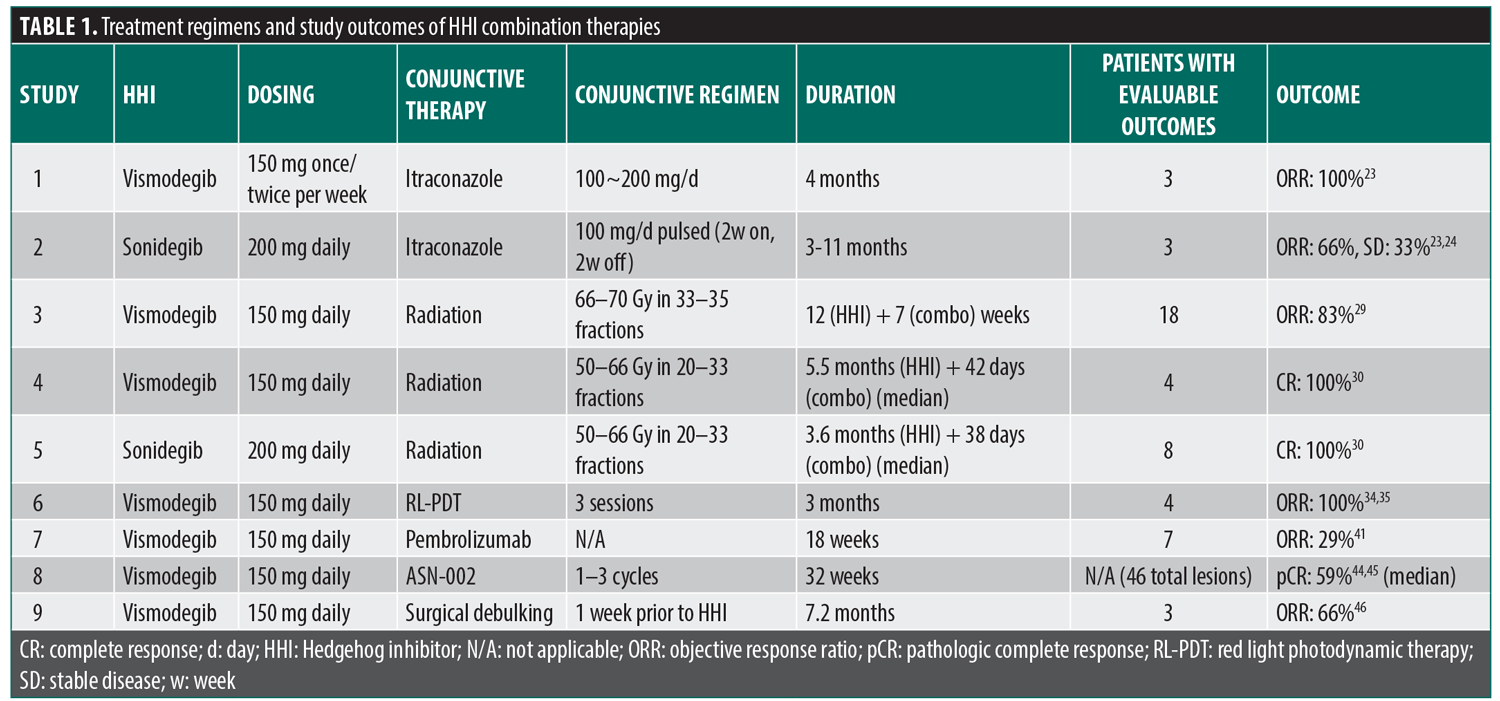
Table 1 summarizes combination therapy regimens and outcomes of evaluable studies. When compared to monotherapy outcomes based on the ERIVANCE, STEVIE, and BOLT trials, all studies but 1 demonstrated superior treatment outcomes, suggesting improved efficacy of a multimodal approach to treating laBCCs. Vismodegib combined with pembrolizumab was the only regimen that did not have improved outcomes when compared to monotherapy of either drug.
Some patients develop resistance to HHI treatment, so using combination therapy with PDT or radiation can be a proactive method to stall resistance by attacking multiple targets at once and preventing growth of resistant clones.15 A shorter, fixed-duration HHI therapy followed by surgery can also reduce the window for resistance to develop.15 Moreover, clinicians should take a detailed medical history to identify comorbidities and concurrent medications that could potentially increase the risk of expected AEs associated with HHI therapy.51
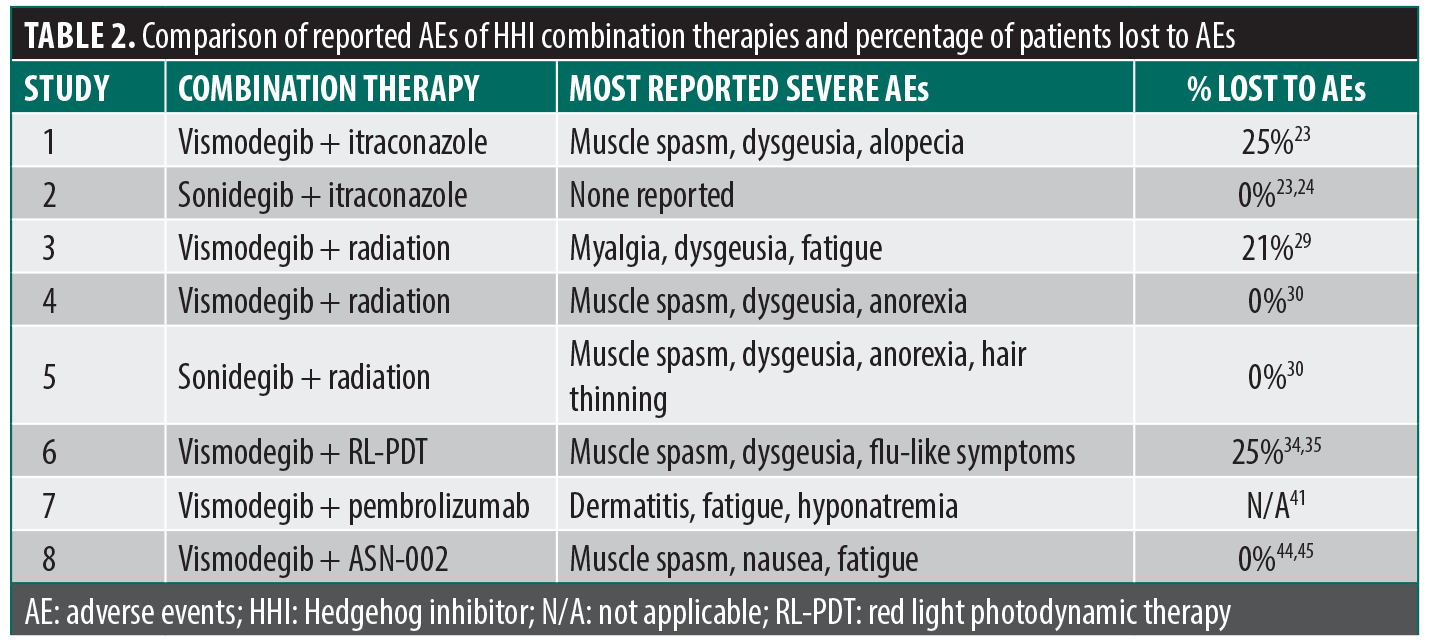
Clinical trials of ERIVANCE and STEVIE for vismodegib and BOLT for sonidegib revealed the burden of AEs, with study discontinuation due to AEs occurring in 21.2%, 30.1%, and 13.9% of patients, respectively. This is an increasing concern for HHI therapy, as it frequently leads to patient discontinuation and noncompliance. Combination therapies can decrease AE burden by providing a more tolerable dose or administration schedule. Many studies on combination regimens demonstrated comparable or less treatment discontinuation due to AEs (Table 2) compared to the aforementioned trials. In addition, the study on vismodegib with itraconazole suggests alternative dosing options (weekly/biweekly rather than daily) for HHIs to mitigate AEs while maximizing treatment outcomes.
It is important to maximize treatment compliance and duration, especially with HHI long-term use, by managing AEs proactively. Prior to initiating therapy, clinicians should inform patients of the expected AEs and the appropriate vitamins and remedies to initiate if needed. For example, calcium or CoQ10 supplements can be an effective approach to preventing muscle spasms caused by HHIs.52 Treatment interruptions are another strategy that can be used to prevent early discontinuation of HHIs from AEs and have not been shown to impact treatment efficacy.51 It is important for physicians to encourage patients to report AEs early as well as to monitor creatine kinase, electrolytes, renal function, and liver function tests to allow appropriate intervention strategies to be initiated.
Limitations to this review include the low number of studies available in the literature on HHI combination therapies, study designs, and limited patient populations. As HHIs are a relatively new treatment modality for BCCs, only a few published articles are available for review. Additionally, many studies were case reports and series or had a low number of patients and outcomes evaluated, providing low statistical power. The lack of heterogeneity in treatment regimens made it difficult to provide a deeper analysis or a stronger conclusion to efficacy of combination therapies. Further research involving consistent regimens, larger study populations, and extended follow-up periods will address the management of current challenges and ultimately improve patient outcomes in HHI therapy for laBCCs.
Conclusion
The advancement of treatment modalities for the management of BCC has expanded the toolkit to target locally advanced disease. HHIs are a leading choice for the treatment of laBCC due to formidable efficacy, but challenges in controlling poorly tolerated AEs remain. In addition, primary and secondary resistance to HHIs have resulted in less favorable outcomes, adding to the challenge of optimal therapy. Combination therapy regimens including HHI with itraconazole, radiotherapy, PDT, PD-1 inhibitor immunotherapy, or IT viral immunotherapy assist in mitigating AEs, as a clinician may decrease the intensity of HHI therapy and possibly achieve a synergistic or additive therapeutic effect through sensitization of physiologic target pathways. Numerous studies in combination therapeutics with HHI for BCC have demonstrated success, and ongoing clinical trials will be necessary in guiding the managmeent of BCC and optimizing patient outcomes.
References
- McDaniel B, Steele RB. Basal Cell Carcinoma. In: StatPearls [Internet]. StatPearls Publishing; 2025. Accessed November 6, 2025. http://www.ncbi.nlm.nih.gov/books/NBK482439/
- Cameron MC, Lee E, Hibler BP, et al. Basal cell carcinoma: epidemiology; pathophysiology; clinical and histological subtypes; and disease associations. J Am Acad Dermatol. 2019;80(2):303–317.
- Castori M, Morrone A, Kanitakis J, Grammatico P. Genetic skin diseases predisposing to basal cell carcinoma. Eur J Dermatol. 2012;22(3):299–309.
- Schmults CD, Blitzblau R, Aasi SZ, et al. Basal cell skin cancer, version 2.2024, NCCN Clinical Practice Guidelines in Oncology. J Natl Compr Canc Netw. 2023;21(11):1181–1203.
- Idriss MH, Stull CM, Migden MR. Treatments on the horizon for locally advanced basal cell carcinoma. Cancer Lett. 2024;589:216821.
- Epstein EH. Basal cell carcinomas: attack of the hedgehog. Nat Rev Cancer. 2008;8(10):743–754.
- Xie J, Murone M, Luoh SM, et al. Activating Smoothened mutations in sporadic basal-cell carcinoma. Nature. 1998;391(6662):90–92.
- Sekulic A, Migden MR, Basset-Seguin N, et al. Long-term safety and efficacy of vismodegib in patients with advanced basal cell carcinoma: final update of the pivotal ERIVANCE BCC study. BMC Cancer. 2017;17(1):332.
- Sekulic A, Migden MR, Oro AE, et al. Efficacy and safety of vismodegib in advanced basal-cell carcinoma. N Engl J Med. 2012;366(23):2171–2179.
- Basset-Séguin N, Hauschild A, Kunstfeld R, et al. Vismodegib in patients with advanced basal cell carcinoma: primary analysis of STEVIE, an international, open-label trial. Eur J Cancer. 2017;86:334–348.
- Marescassier H, Dousset L, Beylot-Barry M, et al. Predictive factors of non-response to vismodegib in locally advanced basal-cell carcinoma. Dermatology. 2021;237(6):1023–1028.
- Migden MR, Guminski A, Gutzmer R, et al. Treatment with two different doses of sonidegib in patients with locally advanced or metastatic basal cell carcinoma (BOLT): a multicentre, randomised, double-blind phase 2 trial. Lancet Oncol. 2015;16(6):716–728.
- Dummer R, Guminksi A, Gutzmer R, et al. Long‐term efficacy and safety of sonidegib in patients with advanced basal cell carcinoma: 42‐month analysis of the phase II randomized, double‐blind BOLT study. Br J Dermatol. 2020;182(6):1369–1378.
- Danial C, Sarin KY, Oro AE, Chang ALS. An investigator-initiated open-label trial of sonidegib in advanced basal cell carcinoma patients resistant to vismodegib. Clin Cancer Res. 2016;22(6):1325–1329.
- Doan HQ, Chen L, Nawas Z, Lee HH, Silapunt S, Migden M. Switching Hedgehog inhibitors and other strategies to address resistance when treating advanced basal cell carcinoma. Oncotarget. 2021;12(20):2089–2100.
- Villani A, Potestio L, Fabbrocini G, Scalvenzi M. New emerging treatment options for advanced basal cell carcinoma and squamous cell carcinoma. Adv Ther. 2022;39(3):1164–1178.
- Epstein EH, Lear J, Saldanha G, Tang JY, Harwood C. Hedgehog pathway inhibition by topical patidegib to reduce BCC burden in patients with basal cell nevus (Gorlin) syndrome. J Clin Oncol. 2018;36(15 suppl):e21626.
- Luke JJ, Pendyala S, Francesco AD, et al. 495TiP A phase II study evaluating the safety and efficacy of ENV-101 (taladegib) in patients with advanced solid tumors harboring PTCH1 loss of function mutations. Ann Oncol. 2022;33(Suppl 7):S768.
- Bendell J, Andre V, Ho A, et al. Phase I study of LY2940680, a Smo antagonist, in patients with advanced cancer including treatment-naïve and previously treated basal cell carcinoma. Clin Cancer Res. 2018;24(9):2082–2091.
- Jain R, Dubey SK, Singhvi G. The Hedgehog pathway and its inhibitors: emerging therapeutic approaches for basal cell carcinoma. Drug Discov Today. 2022;27(4):1176–1183.
- Kim J, Tang JY, Gong R, et al. Itraconazole, a commonly used antifungal that inhibits Hedgehog pathway activity and cancer growth. Cancer Cell. 2010;17(4):388–399.
- Kim DJ, Kim J, Spaunhurst K, et al. Open-label, exploratory phase II trial of oral itraconazole for the treatment of basal cell carcinoma. J Clin Oncol. 2014;32(8):745–751.
- Ip KHK, McKerrow K. Itraconazole in the treatment of basal cell carcinoma: a case-based review of the literature. Australas J Dermatol. 2021;62(3):394–397.
- Yoon J, Apicelli AJ III, Pavlopoulos TV. Intracranial regression of an advanced basal cell carcinoma using sonidegib and itraconazole after failure with vismodegib. JAAD Case Rep. 2018;4(1):10–12.
- Ally MS, Ransohoff K, Sarin K, et al. Effects of combined treatment with arsenic trioxide and itraconazole in patients with refractory metastatic basal cell carcinoma. JAMA Dermatol. 2016;152(4):452–456.
- Cho M, Gordon L, Rembielak A, Woo TCS. Utility of radiotherapy for treatment of basal cell carcinoma: a review. Br J Dermatol. 2014;171(5):968–973.
- Lear W, Mittmann N, Barnes E, Breen D, Murray C. Cost comparisons of managing complex facial basal cell carcinoma: Canadian study. J Cutan Med Surg. 2008;12(2):82–87.
- Amini A, Freeman M, Melstrom L, et al. Pathologic complete response with radiation and vismodegib in a patient with advanced basal cell carcinoma: A case report. Mol Clin Oncol. 2021;14(3):46.
- Barker CA, Dufault S, Arron ST, et al. Phase II, single-arm trial of induction and concurrent vismodegib with curative-intent radiation therapy for locally advanced, unresectable basal cell carcinoma. J Clin Oncol. 2024;42(19):2327–2335.
- Weissman JP, Samlowski W, Meoz R. Hedgehog Inhibitor induction with addition of concurrent superficial radiotherapy in patients with locally advanced basal cell carcinoma: a case series. Oncologist. 2021;26(12):e2247–e2253.
- Hehlgans S, Booms P, Güllülü Ö, et al. Radiation sensitization of basal cell and head and neck squamous cell carcinoma by the Hedgehog pathway inhibitor vismodegib. Int J Mol Sci. 2018;19(9):2485.
- Peng Q, Warloe T, Berg K, et al. 5-Aminolevulinic acid-based photodynamic therapy. Cancer. 1997;79(12):2282–2308.
- Mazur E, Kwiatkowska D, Reich A. Photodynamic therapy in pigmented basal cell carcinoma—a review. Biomedicines. 2023;11(11):3099.
- Rizzo JM, Segal RJ, Zeitouni NC. Combination vismodegib and photodynamic therapy for multiple basal cell carcinomas. Photodiagnosis Photodyn Ther. 2018;21:58–62.
- Zullo SW, Zeitouni NC, Segal RJ. Long-term efficacy of combination vismodegib and photodynamic therapy for multiple basal cell carcinomas. Photodiagnosis Photodyn Ther. 2018;24:164–165.
- Zeitouni N. Blue-light photodynamic therapy and sonidegib for multiple basal cell carcinomas. ClinicalTrials.gov. 2025. Accessed 6 Nov 2025. https://clinicaltrials.gov/study/NCT06623201
- Ascierto PA, Schadendorf D. Update in the treatment of non-melanoma skin cancers: the use of PD-1 inhibitors in basal cell carcinoma and cutaneous squamous-cell carcinoma. J Immunother Cancer. 2022;10(12):e005082.
- Stratigos AJ, Sekulic A, Peris K, et al. Cemiplimab in locally advanced basal cell carcinoma after hedgehog inhibitor therapy: an open-label, multi-centre, single-arm, phase 2 trial. Lancet Oncol. 2021;22(6):848–857.
- Boerlin A, Ramelyte E, Maul JT, Nägeli MC, Dummer R. 1089TiP Efficacy and tolerability of anti-PD1 antibody in combination with pulsed hedgehog inhibitor in advanced basal cell carcinoma. Ann Oncol. 2021;32(Suppl 5):S901.
- Dummer R. Anti-PD1-antibody and pusled HHI for advanced BCC. ClinicalTrials.gov. 2024. Accessed 6 Nov 2025. https://clinicaltrials.gov/study/NCT04679480
- Chang ALS, Tran DC, Cannon JGD, et al. Pembrolizumab for advanced basal cell carcinoma: an investigator-initiated, proof-of-concept study. J Am Acad Dermatol. 2019;80(2):564–566.
- Shyr CR, Liu LC, Chien HS, Huang CP. Immunotherapeutic agents for intratumoral immunotherapy. Vaccines. 2023;11(11):1717.
- Dessinioti C, Stratigos A. Immunotherapy and its timing in advanced basal cell carcinoma treatment. Dermatol Pract Concept. 2023;13(4):e2023252.
- Heppt MV, Gebhardt C, Hassel JC, et al. Long-term management of advanced basal cell carcinoma: current challenges and future perspectives. Cancers. 2022;14(19):4547.
- Stamford announces positive results from phase 2 study of SP-002 in combination with 4-weeks of vismodegib in multilesional basal cell carcinoma patients. 17 Jan 2025. Accessed 6 Nov 2025. https://stamfordpharmaceuticals.com/wp-content/uploads/2025/01/SP_002-003_Media_Releas_17Jan2025.pdf
- Maglakelidze N, Gettle SL, Longenecker AL, et al. Surgical debulking modifies Notch signaling and may improve vismodegib effectiveness for locally advanced basal cell carcinoma. JID Innov. 2024;4(5):100288.
- Gao J, Fan L, Zhao L, Su Y. The interaction of Notch and Wnt signaling pathways in vertebrate regeneration. Cell Regen. 2021;10(1):11.
- Shi FT, Yu M, Zloty D, et al. Notch signaling is significantly suppressed in basal cell carcinomas and activation induces basal cell carcinoma cell apoptosis. Mol Med Rep. 2017;15(4):1441–1454.
- Eberl M, Mangelberger D, Swanson JB, et al. Tumor architecture and Notch signaling modulate drug response in basal cell carcinoma. Cancer Cell. 2018;33(2):229–243.e4.
- Otsuka A, Dreier J, Cheng PF, et al. Hedgehog pathway inhibitors promote adaptive immune responses in basal cell carcinoma. Clin Cancer Res. 2015;21(6):1289–1297.
- Farberg AS, Portela D, Sharma D, Kheterpal M. Evaluation of the tolerability of Hedgehog pathway inhibitors in the treatment of advanced basal cell carcinoma: a narrative review of treatment strategies. Am J Clin Dermatol. 2024;25(5):779–794.
- Patel S, Armbruster H, Pardo G, et al. Hedgehog pathway inhibitors for locally advanced and metastatic basal cell carcinoma: a real-world single-center retrospective review. PLoS ONE. 2024;19(4):e0297531.
From the 2nd Annual RAPIDS Immuno-Dermatology Conference: From Approval to Adoption—Translating Innovation Into Clinical Practice