
J Clin Aesthet Dermatol. 2026;19(10):42–49
Shadan Naji, MD; Najah M. Sinno, BSc; Aliaksandra Aniskevich, MD; Doaa Abd Al Monem, MD; Heba A. Mohamed, PhD; Hind Ibraheem, MD; Ola Romih, MD; Salma Abbarah, MD; Samar Khalil, MD; Yasmin Mostafa, MD; and Mohamed Al Ayobi, MD
Dr. Naji is with the Novomed Clinic, Dubai, United Arab Emirates. Ms. Sinno is Medical Director at L’Oreal Middle East, Dubai, United Arab Emirates. Dr. Mohamed is with L’Oréal Middle East, Dubai, United Arab Emirates. Dr. Aniskevich is with CosmeSurge, Dubai, United Arab Emirates. Dr. Al Monem is with Doret Okkaz, Tabuk, Saudi Arabia. Dr. Ibraheem is with the Laren Center, Najran, Saudi Arabia. Dr. Romih is with the Al Meswak PC Clinic, Riyadh, Saudi Arabia. Dr. Abbarah is with the Divine Clinic, Jeddah, Saudi Arabia. Dr. Khalil is with the Skin Expert Clinic, Dubai, United Arab Emirates. Dr. Mostafa is with the Meso Clinic, Jazan, Saudi Arabia. Dr. Al Ayobi is with the Newderma Clinic, Jeddah, Saudi Arabia.
FUNDING: This study was funded by La Roche-Posay, a company in the L’Oréal Group.
DISCLOSURES: Ms. Sinno and Dr. Mohamed report being employees of L’Oréal Middle East during the conduct of the study and outside the submitted work. The remaining authors report no conflicts of interest.
Abstract: BACKGROUND: Dermatologic conditions affect the quality of life of patients, and many conditions require supportive treatment for effective healing of damaged skin. OBJECTIVE: To evaluate the efficacy and safety of a repair balm containing panthenol, madecassoside, and a prebiotic complex in patients with superficial wounds, in patients with irritant contact dermatitis, as adjunctive treatment for actinic keratosis, and as postprocedural skincare. METHODS: Physicians from 5 Middle Eastern countries enrolled patients of all ages who used the repair balm for skin repair for superficial wounds or irritant contact dermatitis, as adjuvant topical treatment for actinic keratosis, or for postprocedural care between February 2022 and December 2023 for at least 1 week or until recovery. Physicians collected data during the initial and final patient clinic visits, including patient demographics, symptom improvement, clinical scores, tolerability, patient satisfaction, and cosmetic acceptability. RESULTS: The panthenol- and prebiotic-containing repair balm was associated with significant improvements in clinical outcomes compared to baseline. Erythema (93.6%) and Investigator’s Global Assessment scores (85.3%) were significantly improved (P<0.001) following dermocosmetic application. Patients experienced reduced burning sensation (96.1%) and improved quality of life following dermocosmetic application. The global efficacy of the repair balm was rated good or excellent by 93.7% of patients (P<0.001), and 82.3% of patients reported high or excellent tolerability. CONCLUSION: Favorable tolerance and global efficacy highlight the potential value of the repair balm in the management of various skin conditions requiring wound healing. Further evaluation in patient subgroups of diverse clinical settings is warranted. Keywords: Dermocosmetic, prebiotic complex, irritant contact dermatitis, superficial wounds, clinical efficacy, quality of life
Introduction
The skin is a protective physical barrier against pathogens, hazardous chemicals, and mechanical abrasion, and it plays a vital role in maintaining homeostasis and overall health.1 Skin conditions impact 1.8 billion people worldwide.2 In 2019, the burden of skin diseases was estimated at 42.9 million disability-adjusted life-years.3 In Saudi Arabia, dermatitis affects approximately 24% of the population, and skin infections, including those from superficial wounds, represent about 18.5% of skin diseases.4 The healing of damaged skin is a complex, well-coordinated, and multifaceted process. It involves 3 sequential and overlapping phases to restore skin integrity: the inflammatory phase, the proliferative phase, and the remodeling phase.5 Topical compounds that support all 3 phases of wound healing are particularly useful for managing minor and superficial wounds.6 Effective cutaneous wound healing and barrier repair depend on a highly orchestrated sequence of cellular and molecular events, making the restoration of the stratum corneum a primary therapeutic target in dermatology.7, 8 Management of many dermatologic conditions that involve damage to the skin barrier, including irritant contact dermatitis, actinic keratosis (AK) post-treatment care, superficial skin wounds, postsurgical skincare, and postlaser care, often requires the use of agents that promote the wound healing process.
Irritant contact dermatitis is a common type of contact dermatitis involving a nonspecific skin response to skin damage. Primary symptoms include erythema, edema, vesicles, scales, and dryness. Patients may also experience burning and stinging sensations and pain.9 AK treatment typically disrupts the skin barrier, causing a transient reaction of stinging, burning, itching, and erythema.10 Superficial skin wounds, including minor cuts and scrapes due to physical injuries or minor surgical procedures, are common in clinical settings. Furthermore, skin conditions such as eczema or excoriated acne require accelerated healing of damaged skin to reduce the risk of infection. Postdermatologic treatments such as laser skin treatments, microneedling, and postradiotherapy treatment for patients with cancer often require the use of topical agents that promote skin wound healing.11,12 Furthermore, the rising frequency of dermatologic procedures, including ablative and nonablative lasers, cryotherapy, photodynamic therapy, and chemical peels, necessitates optimized postprocedural care protocols to accelerate barrier recovery, minimize downtime, and prevent complications.13 In a Saudi Arabian study, 23.6% of primary school children (mean age of 10.3 years) had a skin condition, 11.3% had allergic dermatoses, 11.8% had eczema, and 7.6% had acne.14 Additionally, in a dermatology clinic in Saudi Arabia, contact dermatitis represented 4.7% of 1,244 cases of skin disease.15
The impact of skin conditions such as irritant contact dermatitis, AK, and superficial wounds on patient quality of life (QoL) can be profound. These conditions often cause significant physical discomfort as well as emotional and psychological distress, affecting daily activities and overall wellbeing. They can also negatively impact a patient’s self-image, leading to feelings of isolation, loneliness, and low self-esteem.16,17 Studies have demonstrated that effective management of these skin conditions can lead to substantial improvements in QoL, highlighting the need for effective management to improve patient experiences and outcomes.16,17 The Dermatology Life Quality Index (DLQI) is a widely used and validated tool for measuring health-related QoL in patients with dermatologic conditions.18
A repair balm containing a prebiotic complex, 5% panthenol, madecassoside, and moisturizers has been shown to have positive effects on wound healing and skin barrier restoration for various skin conditions, including excoriated acne, contact or allergic dermatitis, xerosis cutis, sunburns, and postprocedural skin healing, and for patients undergoing chemotherapy and radiation.19 Panthenol, also known as vitamin B5, is a powerful humectant that enhances the skin’s barrier function, retains moisture, and promotes healing by stimulating cell regeneration while soothing irritated skin with its anti-inflammatory properties.20 The unique prebiotic complex combines sugars, vegetal extracts, and fermentation extracts.19 Prebiotics support the growth of beneficial bacteria, maintaining a balanced microbiota crucial for the skin’s natural defense mechanisms, thereby protecting against harmful pathogens and reducing inflammation.21 Madecassoside, derived from Centella asiatica, is known for its potent anti-inflammatory and antioxidant properties, aiding in skin repair and regeneration by promoting collagen synthesis and calming irritated skin.22 Together, these components work synergistically to enhance barrier function, maintaining a balanced microbiota, providing essential nutrients for repair and regeneration, and delivering effective moisturizing and anti-inflammatory benefits.
Beyond topical barrier repair, the broader field of regenerative dermatology is rapidly evolving. Recent experimental research has explored advanced modalities such as plant-derived and human-derived exosome injections, polydeoxyribonucleotide, and hyaluronic acid rejuvenating complexes to enhance collagen remodeling, angiogenesis, and skin wound healing. While these injectable and cellular approaches represent the frontier of tissue regeneration, foundational daily skincare remains anchored in effective topical barrier restoration.23–28
Given the complex nature of skin wound healing, a comprehensive approach that incorporates effective wound healing agents and considers the impact of skin conditions on patient QoL is essential. Although there is an increased interest in advanced wound healing agents, data on the use of healing cream in the Middle East remain limited. Data on efficacy, tolerability, and patient satisfaction related to the use of healing cream with prebiotic complex, panthenol, and madecassoside in Saudi Arabia are particularly scarce. Therefore, this study aims to evaluate the efficacy and safety of a repair balm containing panthenol, madecassoside, and a prebiotic complex in patients with superficial wounds, in patients with irritant contact dermatitis, as an adjunct treatment for AK, or for postprocedural skincare.
Methods
Study design. This observational study was conducted between February 2022 and December 2023. Patients were screened, identified, and enrolled by 64 physicians (dermatologists, pediatricians, or general practitioners) from 47 private healthcare clinics across 5 Middle Eastern countries (Saudi Arabia, United Arab Emirates, Qatar, Kuwait, and Bahrain). Eligible patients participated in 2 clinic visits: the initial visit in which the repair balm was first applied and the final evaluation visit, which occurred after at least 1 week of repair balm application or until recovery. During the initial visit, informed consent was obtained from all patients or their caregivers, and the physician recorded patient demographics, clinical characteristics, and treatment characteristics using a standardized case report form. At the final visit, physicians verified compliance with the repair balm application and evaluated parameters of global efficacy, tolerance, patient satisfaction, and cosmetic acceptability using a standardized case-report form. The physician’s clinical evaluation and the patient’s subjective evaluation and QoL were also recorded at initial and final visits.
Study population. Participants were individuals of all ages (range: 1–77 years) who needed a treatment for skin repair in superficial wounds or irritant contact dermatitis, an adjuvant topical treatment for AK, or postprocedural skincare. Skin indications included irritative and cracked nonspecific dermatitis, dry eczematides, rubbing irritation, diaper rash, cheilitis or perlèche (angular cheilitis), vulvitis or balanitis, superficial burns, and cracks and splits. Patients could have also needed adjunctive therapy following AK treatment with imiquimod and 5-fluorouracil. Postprocedural skincare applications followed noninvasive procedures without dermabrasion, such as superficial peelings, photodynamic therapy, cryotherapy, and lasers (pulsed-dye laser, carbon dioxide [CO2] fractional laser, alexandrite laser, and intense pulsed light), or invasive procedures with dermabrasion, such as Q-switched lasers, ablative CO2 laser, electrocoagulation, curettage, and microneedling. Patients presented with a single primary indication; concurrent indications were not formally analyzed as overlapping categories in this study.
Eligible patients received a prescription for the Cicaplast Baume B5+® repair balm, had lesions that did not require other local medications, and had a final follow-up visit scheduled at least 1 week after the first prescription application. Individuals with infected lesions, those with prescriptions for any topical medications for specific lesion care, those who did not complete both visits, or those with a dermocosmetic application duration of <7 days were excluded from the study.
Variables. Patient demographics included age, sex, and country. Clinical evaluations included skin phototype, indication, and lesion size and location, as well as Investigator’s Global Assessment (IGA) and evaluation of clinical signs of erythema, desquamation, pigmentation, cracks, edema, and skin scaling/crusts. Subjective patient evaluations included information on the symptoms of tightness, pain, burning sensation, and tingling. Treatment-associated information included the use of sunscreen, recommendation of sun avoidance or coverage of skin with clothing, use of hygienic measures, and the duration and frequency of use of the panthenol- and prebiotic-containing repair balm.
Data on the impact of dermocosmetic application on QoL were collected using the DLQI questionnaire for adult patients aged at least 16 years and the Children’s Dermatology Life Quality Index (CDLQI) for children aged 15 years or younger. Both questionnaires contain 10 questions and provide an overall score out of 30. The overall score is classified as having no impact on the patient’s life (0–1), weak impact on the patient’s life (2–5), moderate impact on the patient’s life (6–10), important impact on the patient’s life (11–20), or very important impact on the patient’s life (21–30).
Response rates were calculated based on the numbers of patients or physicians rating global efficacy as “excellent” or “good” and rating global tolerance as “excellent” or “high”, as a percentage of the total number of patients or physicians where specified. Patient satisfaction was assessed using a patient questionnaire, capturing patients’ satisfaction with different aspects of the repair balm using a 4-point Likert scale (“very satisfied,” “satisfied,” “unsatisfied,” or “very unsatisfied”) compared to previous wound-healing skin. The cosmetic acceptability evaluation involved a patient questionnaire that assessed the patient’s level of agreement using a 5-point Likert scale (“agree,” “somewhat agree,” “somewhat disagree,” “disagree,” or “neither agree nor disagree”) to statements about the product’s texture, absorption, and appearance on the skin as well as its cosmetic properties.
Statistical analysis. Statistical analysis involved descriptive analysis using counts and percentages for categorical variables and mean and SD for continuous variables. A comparison of data between the initial and final visits was undertaken using the paired t test for continuous variables and the McNemar test for categorical variables. The response rate was calculated as the percentage of patients showing ≥1 level of improvement between the 2 visits. The satisfaction rate was calculated as the percentage of patients who reported being either “satisfied” or “very satisfied” with the dermocosmetic. Tolerance was determined by the percentage of patients who rated their tolerance as high or excellent. Cosmetic acceptability agreement was assessed by the percentage of patients who chose “somewhat agree” or “agree” for the positive cosmetic properties of the product. All statistical analyses were performed using Python version 3.10, and hypotheses were tested at a 5% significance level using 2-sided tests. All missing data were handled using available-case analysis without imputation. Additionally, given the observational and exploratory nature of this study, no formal statistical adjustments for multiple comparisons were performed.
Ethics. This observational study was conducted in accordance with the Declaration of Helsinki and local regulatory requirements in each participating country. This type of study involving a marketed cosmetic does not require approval from a local ethics committee. All participants, or their legal guardians if a minor, provided written informed consent prior to data collection. No additional diagnostic or therapeutic procedures beyond the standard of care were performed. Patient data were fully anonymized to ensure confidentiality.
Results
Patient demographics and clinical characteristics. Following screening, a total of 451 patients were deemed eligible for the study. Of the 451 patients, 107 missed 1 of the 2 patient visits and 26 applied the dermocosmetic for <7 days and were therefore excluded.
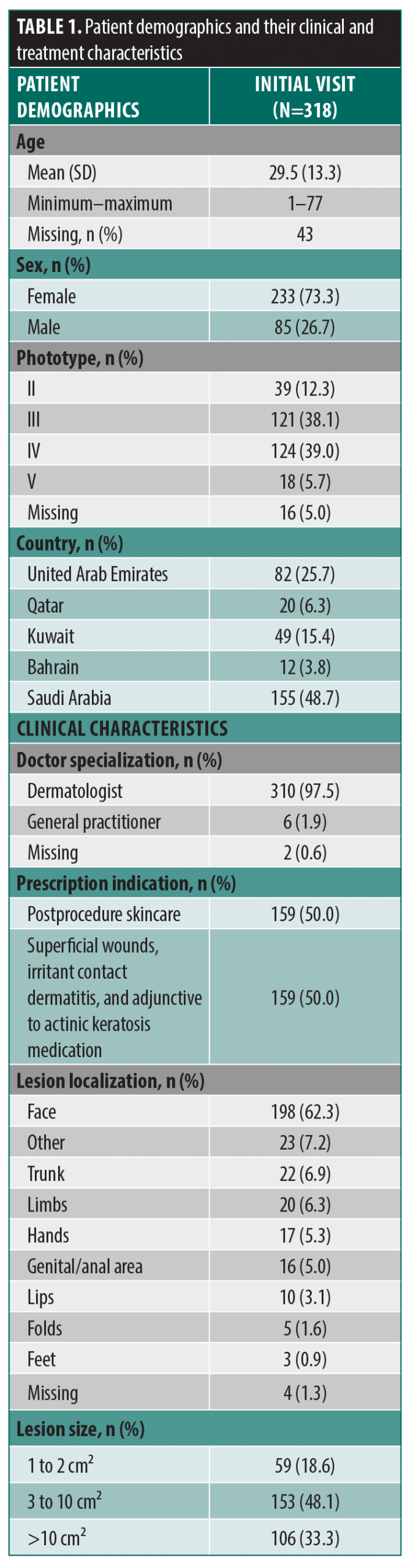
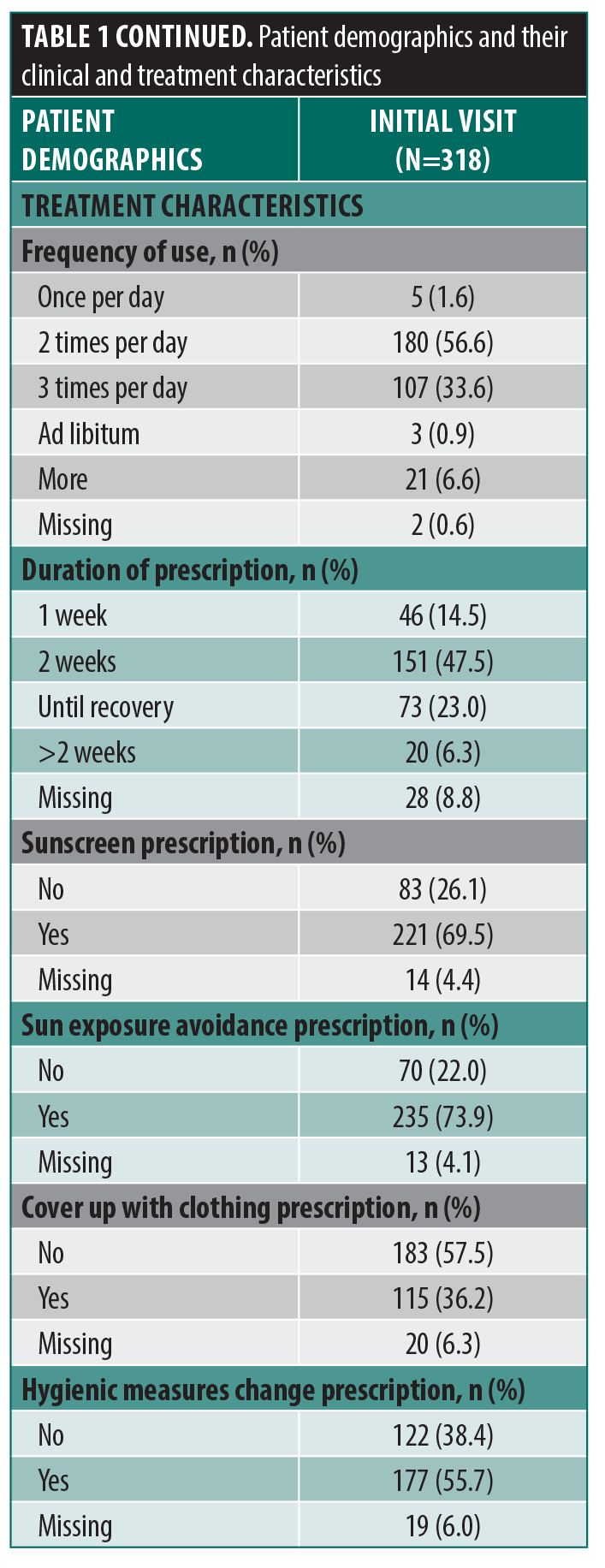
Data from 318 patients were included for the efficacy evaluation, whereas data from all 451 patients were used in the safety assessment. The average age of the participants was 29.5 years (SD: 13.3), and most of the participants were female (n=233; 73.3%). Most patients had Fitzpatrick skin phototypes III and IV (n=245; 77.0%). The primary indications for prescribing the repair balm included postprocedural skincare (n=159; 50%), dry eczematides (n=45; 27.8%), and irritative and cracked unspecified dermatitis (n=45; 27.8%; Table 1 and Supplemental Table 1). The duration of prescription for the repair balm varied, with most patients being prescribed for 2 weeks (n=151; 47.5%); the frequency of application was mainly 2 to 3 times per day (n=287; 90.2%). Additional prescriptions included sunscreen (n=221; 69.5%) and sun exposure avoidance (n=235; 73.9%; Table 1).
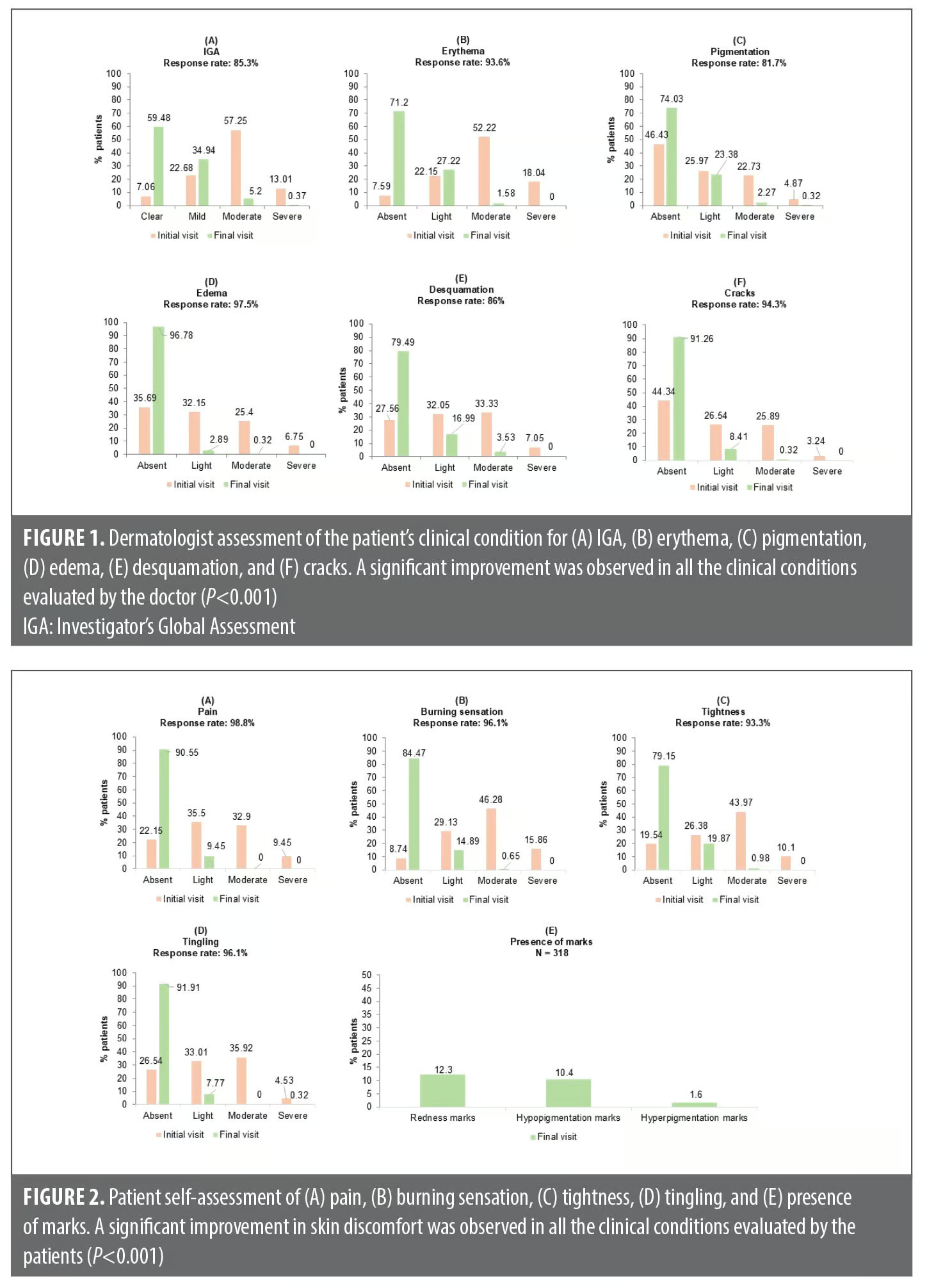
Efficacy evaluation. Clinical assessment. Statistically significant improvements in IGA, erythema, pigmentation, edema, desquamation, and crack severity were observed at the final visit compared to the initial visit (Figure 1). Physician evaluation at the end of the treatment period showed that 85.3% (n=252) of patients had a significant improvement of at least 1 grade in their disease severity (P<0.001). For erythema, 93.6% (n=295) of patients showed a significant improvement (P<0.001), with 71.2% having no erythema by the final visit. Pigmentation also improved in 81.7% (n=180) of patients, with no pigmentation observed in 74.0% of patients at the final visit. Edema was reduced in 97.5% (n=201) of patients, with 96.8% having no edema at the final visit. Desquamation improved in 86.0% (n=242) of patients, with 79.5% having no desquamation at the final visit. Crack severity was reduced in 94.3% (n=176) of patients, with 91.3% having no cracks at the final visit.
Patient self-assessment. Patients reported statistically significant improvements in pain, burning sensation, tightness, and tingling following application of the repair balm (Figure 2). Patient self-evaluation at the end of the treatment period showed that 98.8% (n=242) of patients with pain at study inclusion observed an improvement, with 90.5% reporting no pain and 9.4% reporting mild pain. For burning sensation, 96.1% of patients (n=282) showed improvement, with 84.5% reporting no burning sensation and 14.9% reporting a light burning sensation. Improvement in skin tightness was observed in 93.3% of patients (n=252), with 79.2% reporting no tightness and 19.9% and 1.0% reporting mild and moderate tightness, respectively. A reduction in tingling was observed in 96.1% of patients (n=230), with 91.9% reporting no tingling. At the end of the treatment period, redness was still present in only 12.3% of patients.
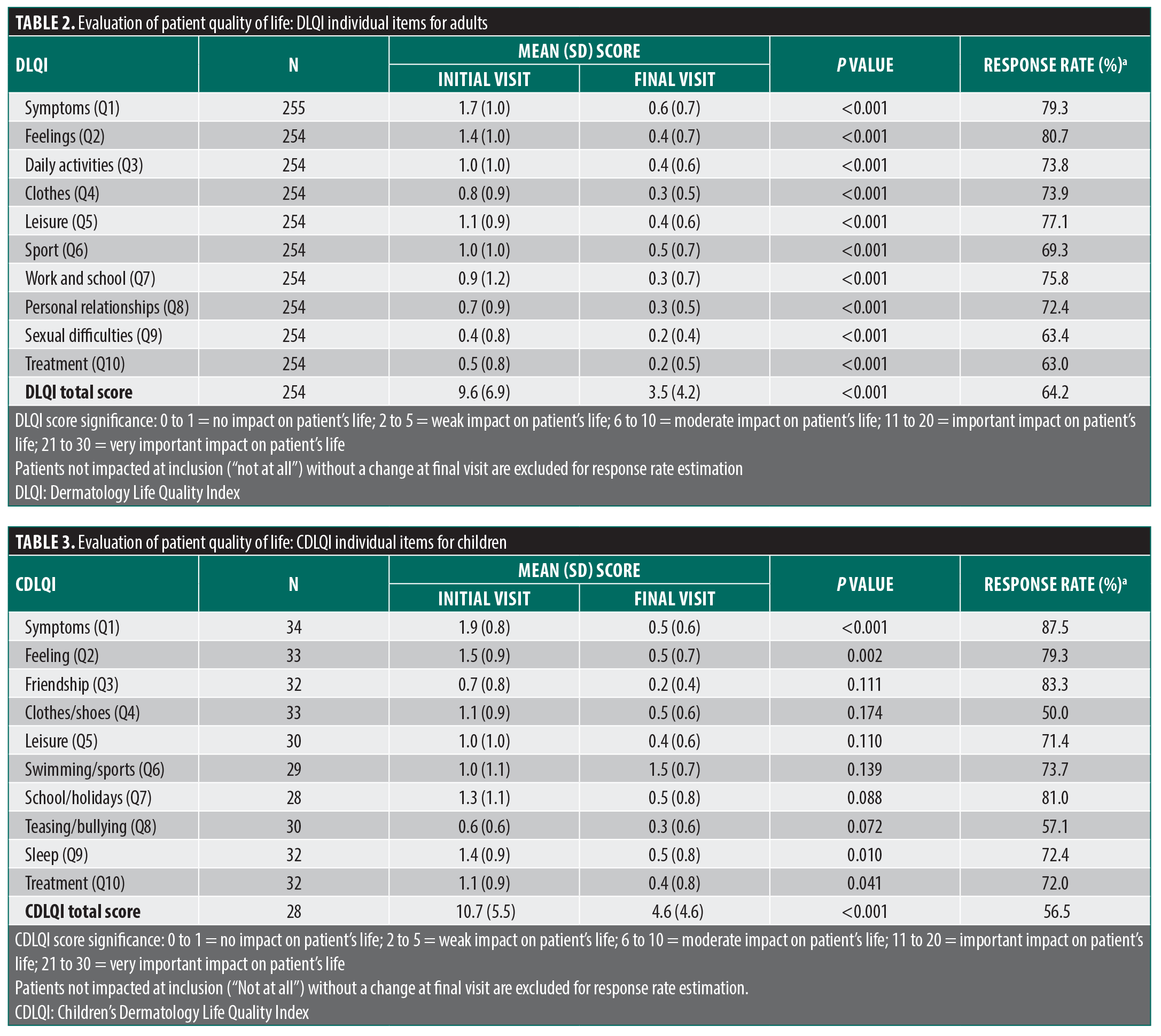
Evaluation of patient QoL: DLQI for adults and children. Patients reported a statistically significant improvement in QoL, with a 63.5% reduction for adults (initial score 9.6, final score 3.5; P<0.001) and a 57.0% reduction for children (initial score 10.7, final score 4.6; P<0.001) following the application of the repair balm (Table 2, Table 3, Supplemental Table 2, and Supplemental Table 3). In both children and adults, the impact on the patient’s life changed from moderate impact to weak impact following the use of the repair balm.
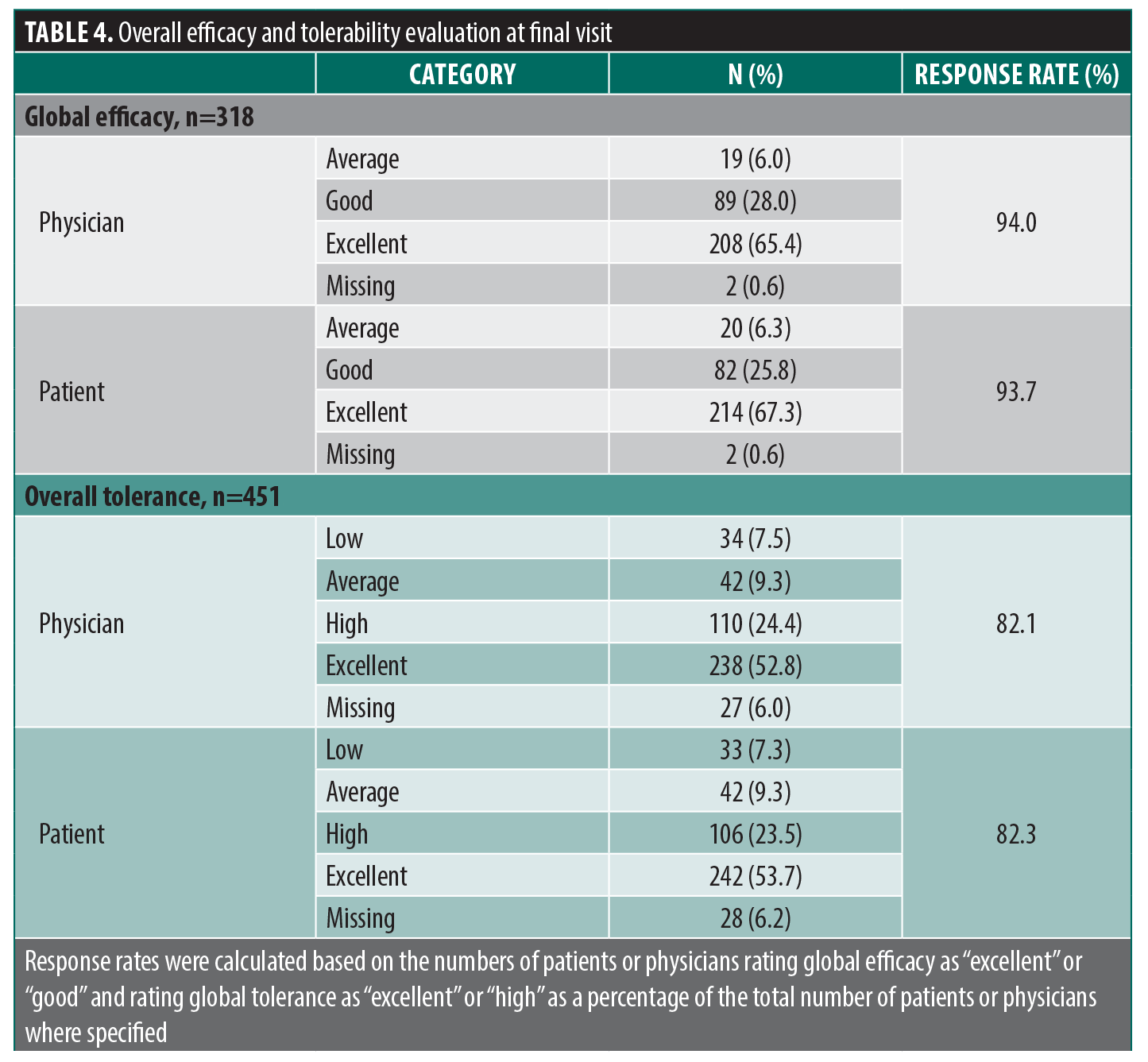
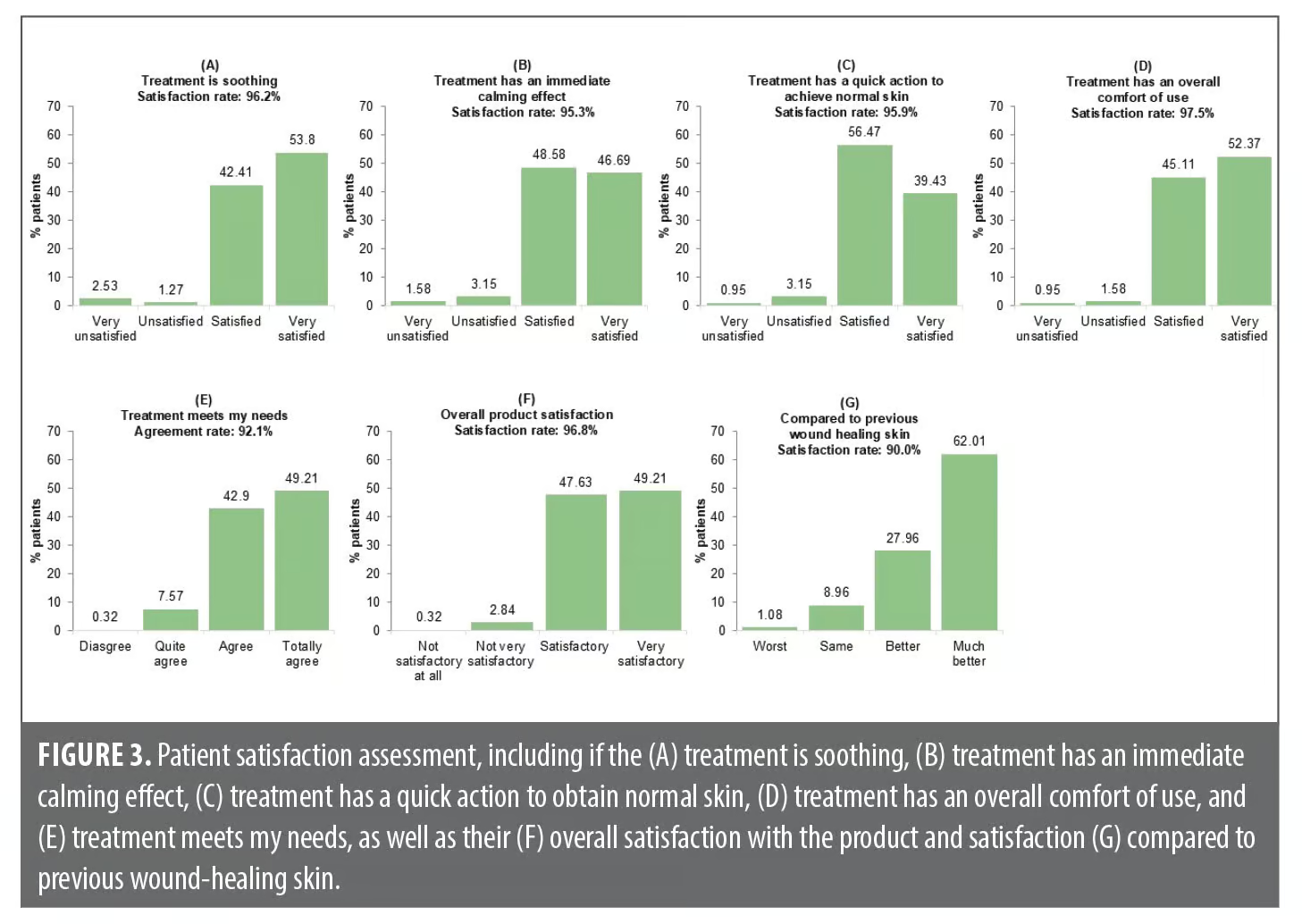
Global efficacy, tolerance, and satisfaction evaluation. The global efficacy of the repair balm was rated “good” or “excellent” by 93.7% of patients and 94.0% of physicians. The overall tolerance was rated “high” by 82.1% of physicians and 82.3% of patients (Table 4). The treatment met the needs of 92.1% of patients, and the overall satisfaction of the repair balm was excellent (96.8%; Figure 3).
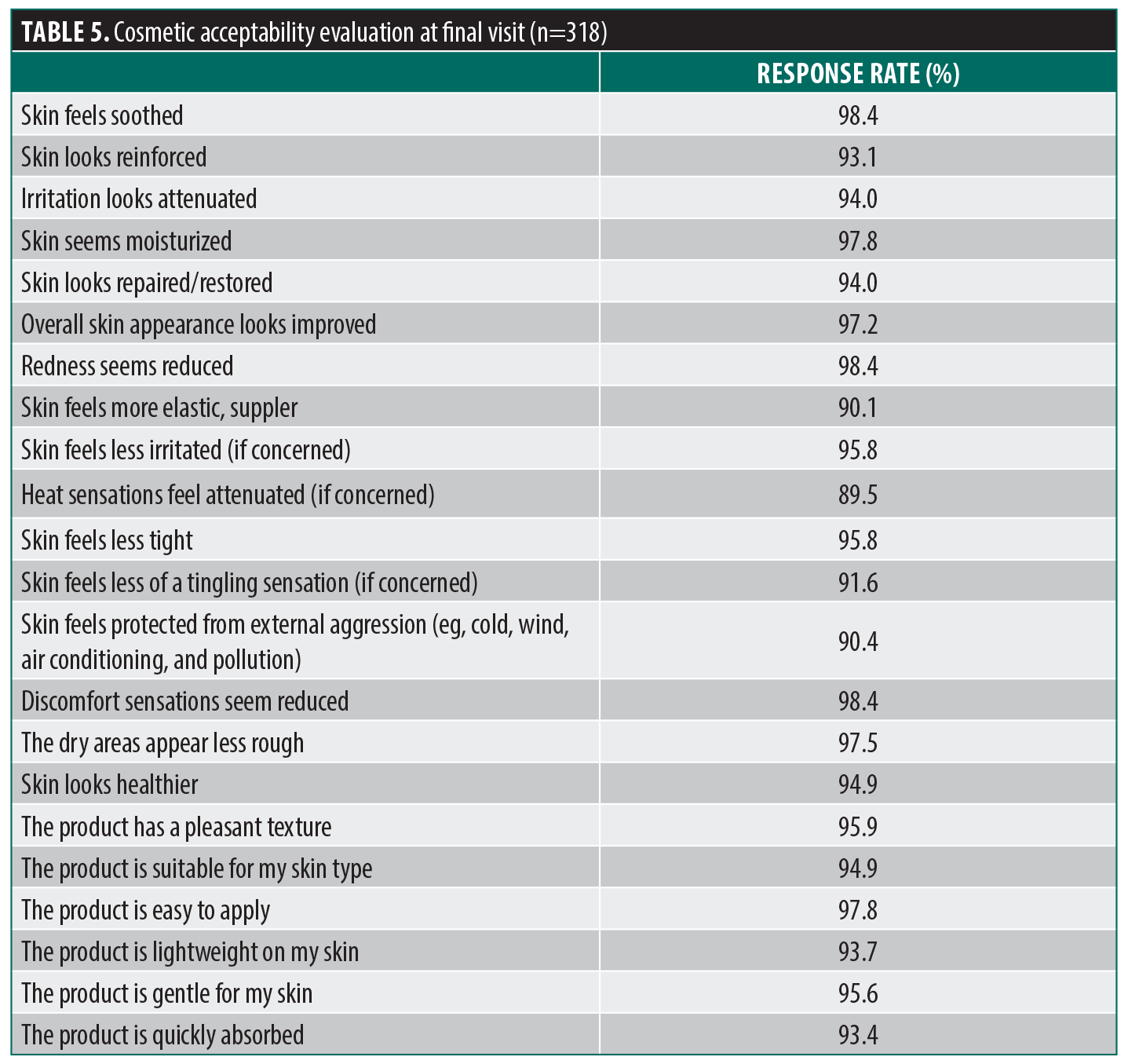
Product cosmetic acceptability. Patient evaluation of cosmetic acceptability of the dermocosmetic during the final visit showed that patients agreed with all of the cosmetic acceptability items, with an agreement rate of at least 89.5% for all items (Table 5, Supplemental Table 4). Patients agreed or somewhat agreed that the skin felt soothed (98.4%), moisturized (97.8%), less irritated (95.8%), less tight (95.8%), and less rough (97.5%), with an overall improvement in appearance (97.2%), reduced discomfort (98.4%), and reduced redness (98.4%) following use of the repair balm. Patients also agreed or somewhat agreed that the texture of the repair balm was pleasant (95.9%), the product was easy to apply (97.8%), and it was gentle on the skin (95.6%).
Discussion
In this observational study, the repair balm containing panthenol, madecassoside, and a prebiotic complex was associated with a significant improvement in skin appearance and a reduction in skin discomfort experienced by patients with superficial wounds or irritant contact dermatitis and patients using it for postprocedural skincare. Clinical assessments indicated that application of the repair balm was associated with a reduction in erythema, pain, and burning sensation. The QoL of both adults and children was also significantly improved following application of the repair balm, with a reduction in the disease burden by 63.5% and 57.0%, respectively. Additionally, the overall efficacy and tolerance of the repair balm were rated favorably by both patients and physicians, with 93.7% of patients considering the treatment “good” or “excellent” and 82.3% of physicians expressing “high” or “excellent” tolerance to treatment. These findings underscore the potential of the repair balm as a valuable addition to the treatment and management of skin conditions in patients who present with specific skin types and are exposed to the Middle Eastern climate.
The findings of this study are comparable to previously published studies showing the efficacy of the repair balm in managing various skin conditions. A study conducted by Lueangarun et al29 demonstrated the efficacy of the repair balm in patients following laser treatment. The repair balm was shown to significantly reduce swelling, scaling, crusting, and redness within 5 to 7 days of treatment. In an open-label study involving 110 participants with sensitive facial skin, Zhang et al30 demonstrated significant improvements in facial skin sensitivity after applying a cream containing panthenol, prebiotics, and probiotic lysate for 28 days, with no adverse events reported.Additionally, in a Chinese randomized trial, the repair balm was shown to reduce decrustation time and improve symptoms of erythema and edema following 3 days of application in women who had undergone ablative laser resurfacing. Transepidermal water loss and erythema index were also lower on Days 3 and 7 of application of the repair balm.31 In an observational study conducted in Poland, application of the repair balm twice daily for 14 days led to a significant improvement in clinical condition in 84% of patients, with reduced symptoms of erythema (84.5%), desquamation (69.5%), and fissures (54%). Patient satisfaction with the repair balm was high, with 96% reporting the effectiveness of the cream as “good” or “excellent.”32 Additionally, in a randomized double-blind exploratory study of patients who received ablative fractional CO2 skin resurfacing laser treatment, the repair balm was shown to improve skin repair, with faster and greater healing, limited skin discoloration, and decreased crust formation compared to repairing skincare.33 For patients with AKs treated with artificial daylight photodynamic therapy, the repair balm was shown to improve post-treatment tolerance and led to faster healing compared to patients not using the repair balm.34 For patients with AKs treated with cryotherapy, the repair balm in combination with boric acid solution, 3%, soaks led to faster healing, reduced local skin reactions, and greater cosmetic outcomes compared to boric acid alone.35 Additionally, for patients with AKs treated with cryotherapy, the repair balm showed a similar healing speed to a topical antibiotic.36 Finally, in an observational study conducted in Greece, application of the repair balm in patients with skin lesions requiring regenerative care led to an improvement of ≥1 grade for all clinical symptoms in at least 64.9% of patients, as well as an improvement in QoL as demonstrated by a reduction in the DLQI and CDLQI by 67.7% and 69.8%, respectively.19
A key strength of the present study is that it is the first to provide an in-depth analysis of the repair balm use in the Middle East. This allows a comprehensive understanding of the potential benefits of the repair balm in the Middle Eastern environmental and cultural context, which can significantly influence skin health and treatment outcomes. The study has a large sample size, which enhances the generalizability and robustness of the findings. The detailed assessment of clinical outcomes, patient satisfaction, QoL, and cosmetic properties provides a holistic evaluation of the product, further supporting the potential value of the product in the management of a variety of skin conditions. Nevertheless, there are several limitations, including the observational nature of the study, which lacks the control and randomization inherent in clinical trials. As with all observational studies, there is the possibility of bias and confounding, and establishing causality between the treatment and observed outcomes is not possible, precluding causal inference. The observed clinical improvements may be influenced by other factors, including the natural wound healing process, regression to the mean, and the concomitant use of other skincare measures, such as sunscreens and sun avoidance. Furthermore, the reliance on subjective physician-evaluated and patient-reported outcomes has the potential to introduce a significant risk of expectation and reporting bias, which may have contributed to the high magnitude of reported improvements. Patients were identified and enrolled by dermatologists, pediatricians, or general practitioners, potentially introducing selection bias and affecting the representativeness of the study population. Although the study included a total of 451 patients, the sample size may still be considered limited when evaluating the efficacy and safety of the product across diverse populations and conditions. Additionally, the study did not include a placebo or control group, which could introduce bias in the interpretation of the results. The absence of a benchmark for comparisons makes it difficult to definitively attribute the observed improvements to the product alone. Finally, this study was supported by industry funding, and there is an inherent potential for sponsorship influence on study design and data interpretation; however, all data were collected in real-world clinical settings to mitigate this risk.
Future research should expand the collection of real-world data in the Middle East to elucidate trends in the utilization of the repair balm across diverse population subgroups and various skin types. Such data will enable the identification of specific needs and preferences in the Middle East, facilitating the development of more targeted and effective dermatologic treatments.
Conclusion
In this observational study, the repair balm containing panthenol, madecassoside, and a prebiotic complex was associated with an improvement in clinical skin conditions and QoL, as well as a reduction in skin discomfort symptoms, when used for the management of various skin conditions requiring wound healing. The high ratings of global efficacy and tolerance by both patients and physicians underscore its potential as a valuable addition to the management of various skin conditions. However, further studies are necessary to evaluate the economic impact and cost-effectiveness of the repair balm in clinical practice.
Acknowledgements
Medical writing support was provided by Abigail Holland of Connect Communications, UAE.
References
- Yousef H, Alhajj M, Fakoya AO, Sharma S. Anatomy, skin (integument), epidermis. In: StatPearls [Internet]. StatPearls Publishing; 2026-. Updated 8 Jun 2024. Accessed 15 Apr 2025. https://www.ncbi.nlm.nih.gov/books/NBK470464/
- World Health Organization. WHO’s first global meeting on skin NTDs calls for greater efforts to address their burden. 31 Mar 2023. Accessed 15 Apr 2025. https://www.who.int/news/item/31-03-2023-who-first-global-meeting-on-skin-ntds-calls-for-greater-efforts-to-address-their-burden
- International Alliance of Dermatology Patient Organizations. Skin diseases as a global public health priority: no UHC without skin health for all. 2024. Accessed 15 Apr 2025.
- Alfouzan YA, Alhumaidan LS, Alsaif M, et al. Patterns of skin diseases in Qassim Province, Saudi Arabia. Cureus. 2023;15(12):e50125.
- Cañedo-Dorantes L, Cañedo-Ayala M. Skin acute wound healing: a comprehensive review. Int J Inflamm. 2019;2019:3706315.
- Gorski J, Proksch E, Baron JM, et al. Dexpanthenol in wound healing after medical and cosmetic interventions (postprocedure wound healing). Pharmaceuticals (Basel). 2020;13(7):138.
- Peña OA, Martin P. Cellular and molecular mechanisms of skin wound healing. Nat Rev Mol Cell Biol. 2024;25(8):599–616.
- Freedman BR, Hwang C, Talbot S, et al. Breakthrough treatments for accelerated wound healing. Sci Adv. 2023;9(20):eade7007.
- Litchman G, Nair PA, Atwater AR, Bhutta BS. Contact dermatitis. In: StatPearls [Internet]. StatPearls Publishing; 2026-. Updated 4 Sep 2023. Accessed 24 Jun 2026. https://www.ncbi.nlm.nih.gov/books/NBK459230/
- O’Bryen J, Green S, Seine AJ, et al. Pre- and post-treatment care for actinic keratoses: an Australian and New Zealand perspective. Aust J Gen Pract. 2025;54(8):541–546.
- Haubner F, Ohmann E, Pohl F, et al. Wound healing after radiation therapy: review of the literature. Radiat Oncol. 2012;7:162.
- Berger A, Regueiro C, Hijal T, et al. Interest of supportive and barrier protective skin care products in the daily prevention and treatment of cutaneous toxicity during radiotherapy for breast cancer. Breast Cancer (Auckl). 2018;12:1178223417752772.
- Amici JM, Cogrel O, Jourdan M, et al. Expert recommendations on supportive skin care for non-surgical and surgical procedures. J Eur Acad Dermatol Venereol. 2023;37(Suppl 3):16–33.
- Rahamathulla MP. Prevalence of skin disorders and associated socio-economic factors among primary school children in the Eastern region of Saudi Arabia. J Pak Med Assoc. 2019;69(8):1175–1180.
- Alshamrani HM, Alsolami MA, Alshehri AM, et al. Pattern of skin diseases in a university hospital in Jeddah, Saudi Arabia: age and sex distribution. Ann Saudi Med. 2019;39(1):22–28.
- Dreno B, Amici JM, Demessant-Flavigny AL, et al. The impact of acne, atopic dermatitis, skin toxicities and scars on quality of life and the importance of a holistic treatment approach. Clin Cosmet Investig Dermatol. 2021;14:623–632.
- Tennvall GR, Norlin JM, Malmberg I, et al. Health related quality of life in patients with actinic keratosis–an observational study of patients treated in dermatology specialist care in Denmark. Health Qual Life Outcomes. 2015;13:111.
- Jorge MFS, Sousa TD, Pollo CF, et al. Dimensionality and psychometric analysis of DLQI in a Brazilian population. Health Qual Life Outcomes. 2020;18(1):268.
- Gregoriou S, Vakirlis E, Zafiriou E. Efficacy and tolerance of a prebiotic, panthenol-containing repair balm in patients diagnosed with skin lesions requiring regenerative care. Eur J Dermatol. 2025;35(2):118–126.
- Camargo Jr FB, Gaspar LR, Maia Campos PMBG. Skin moisturizing effects of panthenol-based formulations. J Cosmet Sci. 2011;62(4):361–370.
- Yoo S, Jung S-C, Kwak K, Kim JS. The role of prebiotics in modulating gut microbiota: implications for human health. Int J Mol Sci. 2024;25(9):4834.
- Tan SC, Bhattamisra SK, Chellappan DK, Candasamy M. Actions and therapeutic potential of madecassoside and other major constituents of Centella asiatica: a review. Appl Sci. 2021;11(18):8475.
- Adel N, Kolenda J. New cellular treatment factor (NCTF) and polydeoxyribonucleotide (VAMP) injections enhance skin regeneration: experimental and histological evidence. J Cosmet Dermatol. 2026;25(2):e70733.
- Adel N, Kolenda J. Effects of new cellular treatment factor and human exosome injection on intact skin regeneration in a randomized in vivo study. Plast Reconstr Surg Glob Open. 2026;14(2):e7510.
- Adel N, Kolenda J, Llano F, et al. Human derived exosome injections (ASCE+ vs. CELLEXOSOME) enhance collagen remodeling and angiogenesis in intact skin: a comparative experimental study. J Cosmet Dermatol. 2026;25(3):e70787.
- Adel N, Kolenda J, Thulesen J, et al. Regenerative potential of various plant-derived exosome injections in laser-induced skin wound healing in a rabbit model. J Cosmet Dermatol. 2025;24(12):e70561.
- Adel N, Stankovic N, Cervantes G, et al. Plant-based exosome injections for skin wound healing: experimental study. Plast Reconstr Surg Glob Open. 2025;13(7):e6949.
- Adel N, Stankovic N, Cervantes G, et al. Skin wound healing following injecting hyaluronic acid rejuvenating complex, polycaprolactone, or combination therapy: an experimental study. J Cosmet Dermatol. 2025;24(5):e70221.
- Lueangarun S, Srituravanit A, Tempark T. Efficacy and safety of moisturizer containing 5% panthenol, madecassoside, and copper‐zinc‐manganese versus 0.02% triamcinolone acetonide cream in decreasing adverse reaction and downtime after ablative fractional carbon dioxide laser resurfacing: a split‐face, double‐blinded, randomized, controlled trial. J Cosmet Dermatol. 2019;18(6):1751–1757.
- Zhang X, Kerob D, Zhang Z, et al. Efficacy and safety of a cream containing panthenol, prebiotics, and probiotic lysate for improving sensitive skin symptoms. Skin Res Technol. 2024;30(1):e13540.
- Li W, Yu Q, Shen Z, et al. Effects of a cream containing madecassoside, 5% panthenol, and copper-zinc-manganese on improving postlaser resurfacing wound healing: a split-face, randomized trial. Dermatol Ther. 2020;33(4):e13533.
- Szczech J, Walecka I, Wolańska-Buzalska D, Reich A. Assessment of the efficacy, tolerance, and regenerative properties of Cicaplast Baume B5+ Balm – results of an observational study. Forum Dermat. 2024;10(4):105–111.
- Amici JM, Le Dantec G, Demessant AL, et al. A dermocosmetic balm containing vitamin B5, madecassoside, and a prebiotic complex significantly improves post fractionated CO2 laser downtime versus a repairing skin care: results of a randomized double blind intra-individual exploratory study. J Cosmet Dermatol. 2025;24(1):e16610.
- Fredman G, Jacobsen K, Philipsen PA, et al. Prebiotic and panthenol-containing dermocosmetic improves tolerance from artificial daylight photodynamic therapy: a randomized controlled trial in patients with actinic keratosis. Photodiagnosis Photodyn Ther. 2024;50:104394.
- Ariasi C, Romanò C, Tomasi C, et al. Prebiotic- and panthenol-containing multipurpose healing dermocosmetics post-cryotherapy for actinic keratoses: results of a randomized controlled trial. Dermatol Pract Concept. 2025;15(1):4905.
- Lynde CW, Andriessen A, Guenther L, et al. Randomized-controlled trial comparing safety and efficacy of repairing balm vs topical antimicrobial for post-procedural wounds. J Drugs Dermatol. 2025;24(5):507–515.
From the 2nd Annual RAPIDS Immuno-Dermatology Conference: From Approval to Adoption—Translating Innovation Into Clinical Practice