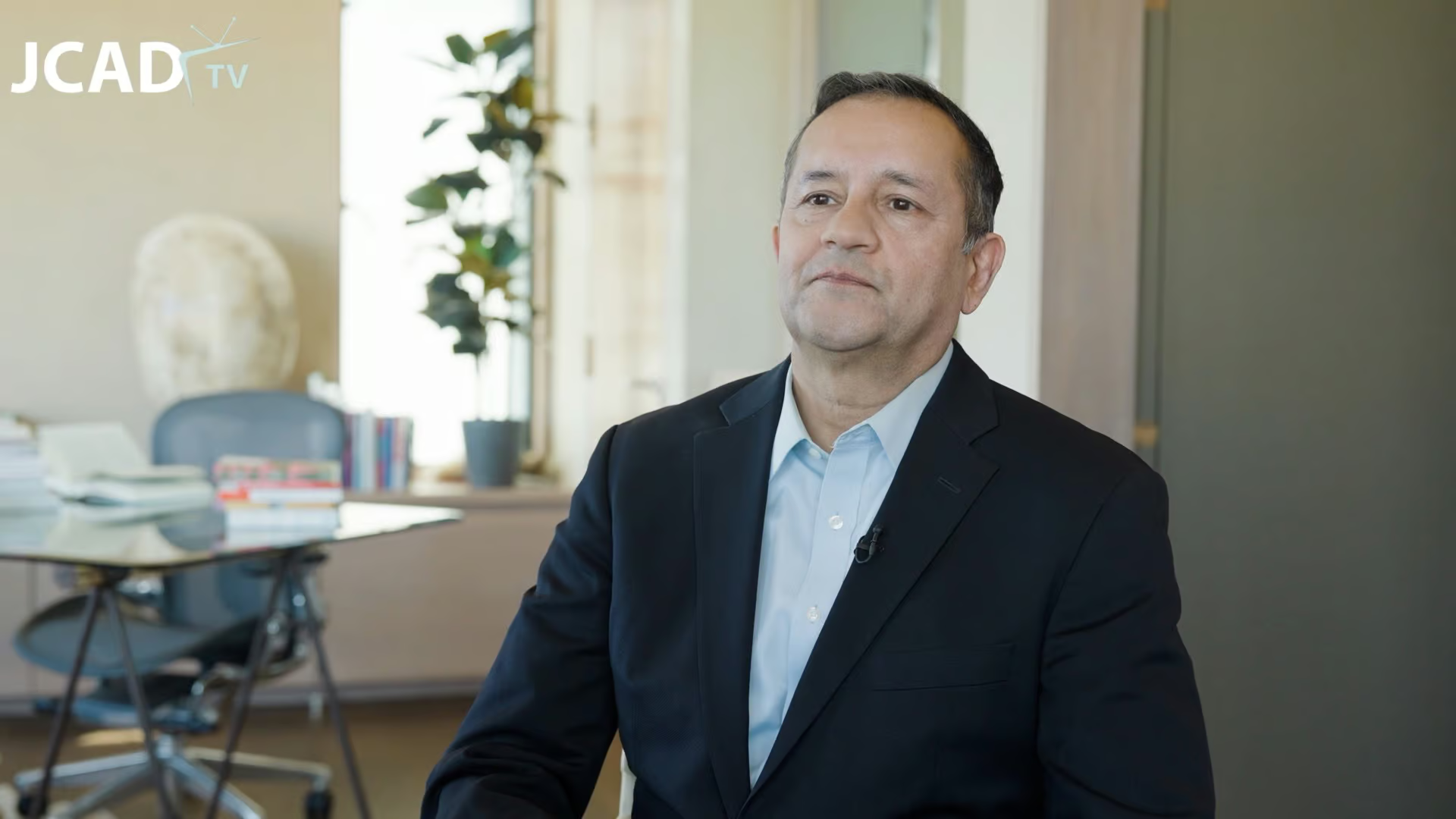
Dr. Pandya and Tiffanie Foster discuss the medical and emotional journey of living with nonsegmental vitiligo, beginning with Ms. Foster’s diagnosis at age 7 and her experiences with bullying, concealment, and uncertainty about treatment. Ms. Foster shares how family support and the creation of her “I Am Great” movement helped her build confidence and transition from hiding her skin to embracing her identity. Dr. Pandya highlights the importance of supporting children and adolescents through open communication, reassurance, and strong family and school environments. They also explore how advances in the understanding and treatment of vitiligo have changed patient conversations, including Ms. Foster’s decision to reconsider therapy after years of hesitation and her experience establishing a consistent routine with topical ruxolitinib.
Topics covered:
Childhood vitiligo, bullying, self-image, and family support
Evolving treatment options and consistent use of topical ruxolitinib
Self-acceptance, patient autonomy, and shared treatment decisions
MORE TREATMENT PERSPECTIVES IN VITILIGO:
Understanding Opzelura: Clinical Evidence and Efficacy
Dr. Pandya discusses the role of topical ruxolitinib (Opzelura) in vitiligo, explaining how inhibition of the JAK-STAT pathway can reduce chemokine signaling and allow melanocytes