
J Clin Aesthet Dermatol. 2026;19(8 Suppl 2):47–56.
Noelle Sherber, MD, FAAD; Gaurav Bharti, MD, FACS; Jeanine Downie, MD; Sabrina Fabi, MD; Rosalyn George, MD; Deirdre Hooper, MD; H. Ray Jalian, MD; Agnesa Avanesian, PhD; Birgitte Sondergaard, PhD
Dr. Sherber is with Sherber+Rad, Washington, District of Columbia. Dr. Bharti is with HKB Cosmetic Surgery, Charlotte, North Carolina. Dr. Downie is with Image Dermatology, Montclair, New Jersey. Dr. Fabi is with Cosmetic Laser Dermatology, San Diego, California. Dr. George is with Wilmington Dermatology Center, Wilmington, North Carolina. Dr. Hooper is with Audubon Dermatology, New Orleans, Louisiana. Dr. Jalian is with Rebecca Fitzgerald Dermatology, Los Angeles, California. Dr. Avanesian and Dr. Sondergaard are with Allergan Aesthetics, an AbbVie company, Irvine, California.
FUNDING: Funding for this supplement was provided by Allgeran Aesthetics, an AbbVie company, and Research Execute Learn.
Abstract: OBJECTIVE: To evaluate aesthetic concerns and treatment interests of diverse participants in a large United States (US)-based study. Herein, we report findings in White female participants. METHODS: Aesthetically inclined participants (aged 22–85 years) completed an online survey (February 2022–April 2022) and rated the frequency and degree of bothersomeness of 41 facial and 31 body characteristics, and likelihood of seeking professional treatment within the next year. Relative bothersomeness of each characteristic was ranked using a Maximum Difference scaling framework. Participants also ranked 48 aesthetic treatments by degree of interest. RESULTS: Of 3,974 participants, 759 (19.1%) self-identified as White and female. Top facial concerns included frown lines/lines between the eyebrows (glabellar lines), sagging skin, and under-eye bags or sagginess; likely treatments included frown lines/lines between the eyebrows, forehead lines, and crow’s feet lines. Top body concerns included stubborn fat in the stomach area, flanks, and bra/back area; likely treatments included unwanted hair, aging hands, and crepey skin. Treatment likelihood did not always align with top aesthetic concerns, revealing differences between participants’ aesthetic expectations and available treatments or clinical priorities. White female participants were most interested in treatment with neurotoxins, facials, dermal fillers, nonsurgical skin tightening, or nonsurgical fat reduction. LIMITATIONS: Survey data may be subject to self-reporting bias. US data for White female participants may not be generalizable to broader populations. CONCLUSION: Findings from this subgroup analysis of a large study may help providers better tailor treatment plans based on facial and body aesthetic concerns and treatment interests of White women. KEYWORDS: Aesthetic treatment, face, body, survey, Maximum Difference Scaling, White female
Introduction
The number of nonsurgical and surgical aesthetic procedures has grown in recent years, with increasing demand among individuals with diverse ethnic or cultural backgrounds.1–3 This rise in interest underscores the need to better understand how aesthetic concerns and treatment interests differ among individuals from various ethnicities and cultures in order to better meet the needs of aesthetic patients today and in the future. Changes in the face and body and attitudes toward aesthetic treatment can vary by parameters such as sex/gender, race, ethnicity, cultural background, and age.3–5 For example, the signs of advanced facial aging become noticeable in White women reportedly between the ages of 40 and 59 years, and with greater severity compared with other racial and ethnic groups.6 These differences may shape how individuals discuss their concerns with providers and influence decisions about aesthetic treatments.
Although studies of aesthetic inclinations often focus on White populations,7–9 there may be subtleties in aesthetic concerns among White women and how their inclinations compare with those of patients from other races and ethnic groups that have not been fully captured in previous analyses. In a large survey that included White women in the United States (US), the most bothersome facial concerns were crow’s feet lines and tear troughs, and the highest treatment priorities were crow’s feet lines and oral commissures.7 A series of survey studies that focused on African American, Asian American, and Hispanic women in the US reported differences in key areas of concern and treatment interest across these demographic groups4,10,11 and compared those findings with the study focused on White women (comprising 87% of the study population).7 To illustrate, the most bothersome facial characteristic in these studies was sagging skin underneath the chin for African American and Hispanic women, tear troughs for Asian women, and forehead lines in the White-focused female population, possibly reflecting variations in progression of aging between groups.4,6,7,10,11 These divergent findings emphasize the importance of evaluating the specific concerns of White women using the same methodology as the studies conducted in other racial and ethnic groups. Also, research is often focused on the face, and there is a paucity of data on aesthetic concerns and treatment interests related to the body across diverse patient types. These gaps in the literature suggest that an assessment of aesthetic concerns and desired treatments in aesthetically oriented White women is warranted to help providers tailor treatment plans and improve satisfaction with outcomes.
To better understand how aesthetic concerns and treatment interests vary across a diverse population, a survey was conducted that evaluated the aesthetic inclinations of participants across sex/gender, race, ethnicity, and age categories. The study used Maximum Difference (MaxDiff) methodology12 to rank the relative bothersomeness of facial and body characteristics and interest in specific aesthetic treatments. Participants also reported the characteristics they were most likely to treat over the next year. Data from the overall female population and race/ethnicity-specific participant subgroups are published separately.13–17 Here, we report study findings from the subgroup of White female participants.
Methods
Study design. Detailed methodology for the conduct of this study was described in the overview publication.13 Briefly, this study was an anonymous online survey conducted by Research Learn Execute between February 25, 2022 and April 5, 2022. All participants were blinded to the sponsor throughout the study. Survey questions aimed to understand 4 areas related to aesthetic concerns and treatment interests: participant treatment preferences for the face vs the body, characteristics of the face and body considered most frequently bothersome and relatively most bothersome (top aesthetic concerns), facial and body characteristics most likely to be treated, and the aesthetic treatments that participants were most interested in receiving for the face and body.
Assessment of concern with the face or body. Participants responded to the question, “When you think about your appearance overall, are you more concerned about the appearance of your body or the appearance of your face?” on a 5-point scale. Percentages are presented for participants reporting greater concern with characteristics of the face vs the body, equal concern with the face and the body, and greater concern with the body vs the face.
Identifying and ranking aesthetic concerns. Out of 41 facial and 31 body characteristics selected based on prior research and consultation with subject matter experts,13 participants were asked to select those they had and found bothersome. Participants then ranked these characteristics by bothersomeness using a MaxDiff scaling framework, which involved selecting the most and least bothersome characteristics among each randomized set of 5; facial and body characteristics were presented separately. The MaxDiff score (expressed as a percentage from 0% to 100%) indicated how often a characteristic was chosen as the most bothersome. Top aesthetic concerns were defined as characteristics that were both frequently reported as bothersome and had high MaxDiff scores. The MaxDiff framework has been used in similar studies and was selected for its ability to provide greater differentiation on preference dynamics.7,10,11,13 Frequently bothersome, most bothersome, and top facial and body aesthetic concerns are also presented across age categories.
Aesthetic treatment intentions. Participants were asked to choose from the same 41 facial and 31 body characteristics and to select those that they were likely to have professionally treated within the next year. Those responding “probably will” or “definitely will” seek treatment were included in the analysis.
Interest in aesthetic treatments. Participants ranked 48 facial or body treatments (grouped by category) based on their likelihood of receiving each within the next year using a MaxDiff scaling framework (Supplemental Table 1). Data for the top 10 treatments among White female participants are presented and compared with the corresponding percentages of participants in the overall female population who were interested in those treatments. For all female participants, the percentage of contributions of each race or ethnicity were weighted based on 2022 US census data.13,18 The top 10 most desired treatments are also presented across age categories.
Participants. All participants self-reported the racial or ethnic background description that best captures their specific race/origin (see full list in the overview publication).13 Participants were asked to select the sex/gender they identify with the most (including female, male, transgender female, transgender male, and nonbinary). Body mass index was calculated based on participant self-reported height and weight. Fitzpatrick skin phototype was determined based on a composite score from participant responses to key criteria, including eye and hair color, presence of freckles, sun exposure, and tanning. Eligible participants were adults living in the US between the ages of 22 and 85 years who were aesthetically inclined (ie, those who wanted to enhance their facial and/or body appearance and who expressed willingness to pursue professional treatments) and who had an annual income of at least $35,000 (and reported having some discretionary income). Age categories were defined as Generation Z or younger millennial, aged ≤30 years; Older Millennial, aged 31 to 41 years; Generation X, aged 42 to 57 years; and 58+, aged 58 to 85 years.
This study followed the EPHMRA Code of Conduct and the International Code of Marketing and Social Research Practice. Study participants were informed about data collection and privacy measures such as anonymization of survey responses, as well as the option to withdraw from the study at any time. Participants were required to provide informed consent by agreeing to these terms prior to completing the study.
Results
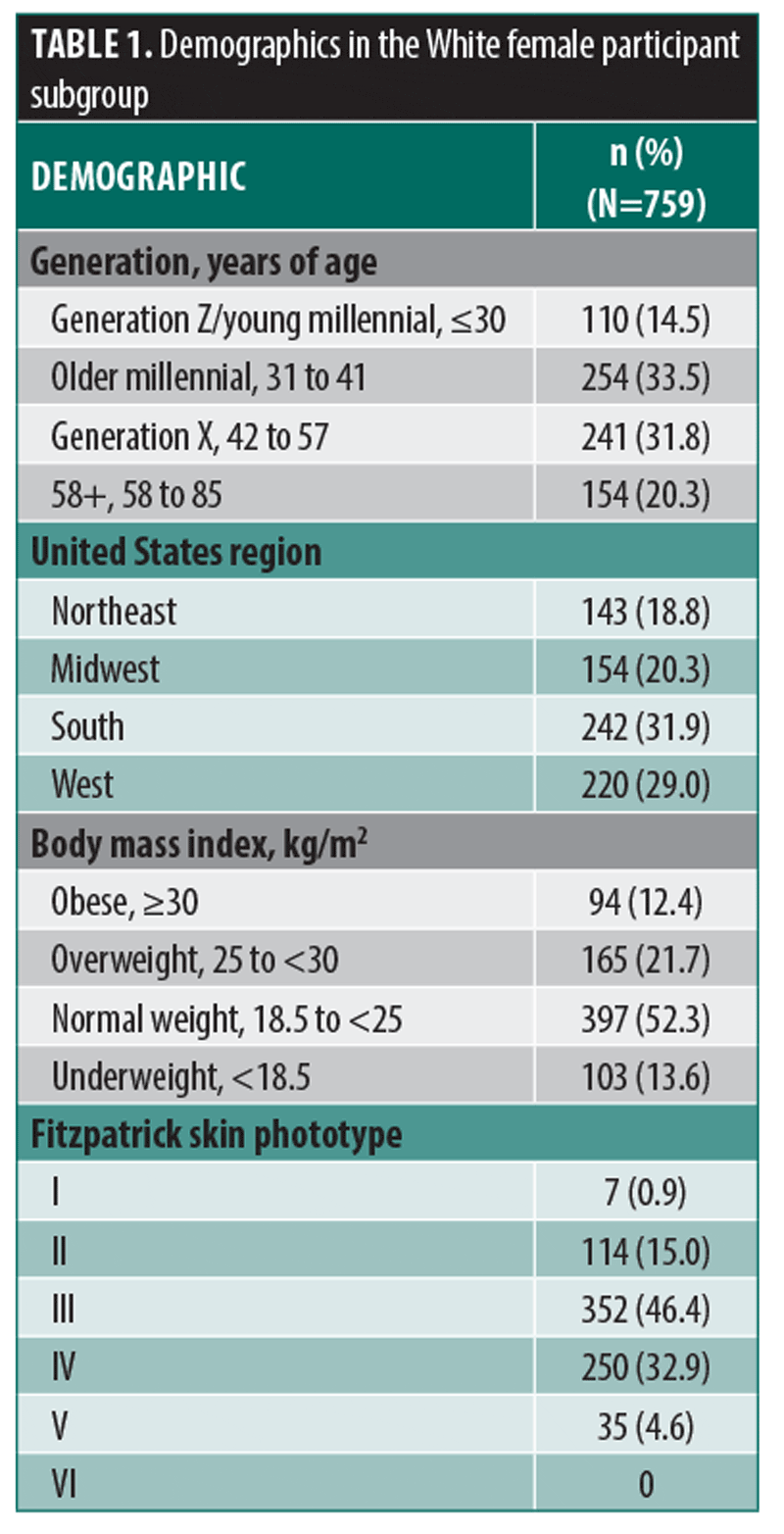
Participant demographics. Of 3,974 participants who met inclusion criteria and completed the survey, 759 (19.1%) self-identified as White and female. Demographics and baseline characteristics for this subgroup are presented in Table 1. At study entry, 52% of White female participants were Generation X or older. All geographic regions across the US were represented. The majority of White female participants were considered as having a normal weight, with body mass index of 18.5 to <25 kg/m2, and most (≈80%) had Fitzpatrick skin phototype III or IV.
Top aesthetic concerns among White female participants. The face was more of an aesthetic concern than the body for 40.5% of White female participants; 37.5% were equally concerned about their face and body and 22% were more concerned about their body.
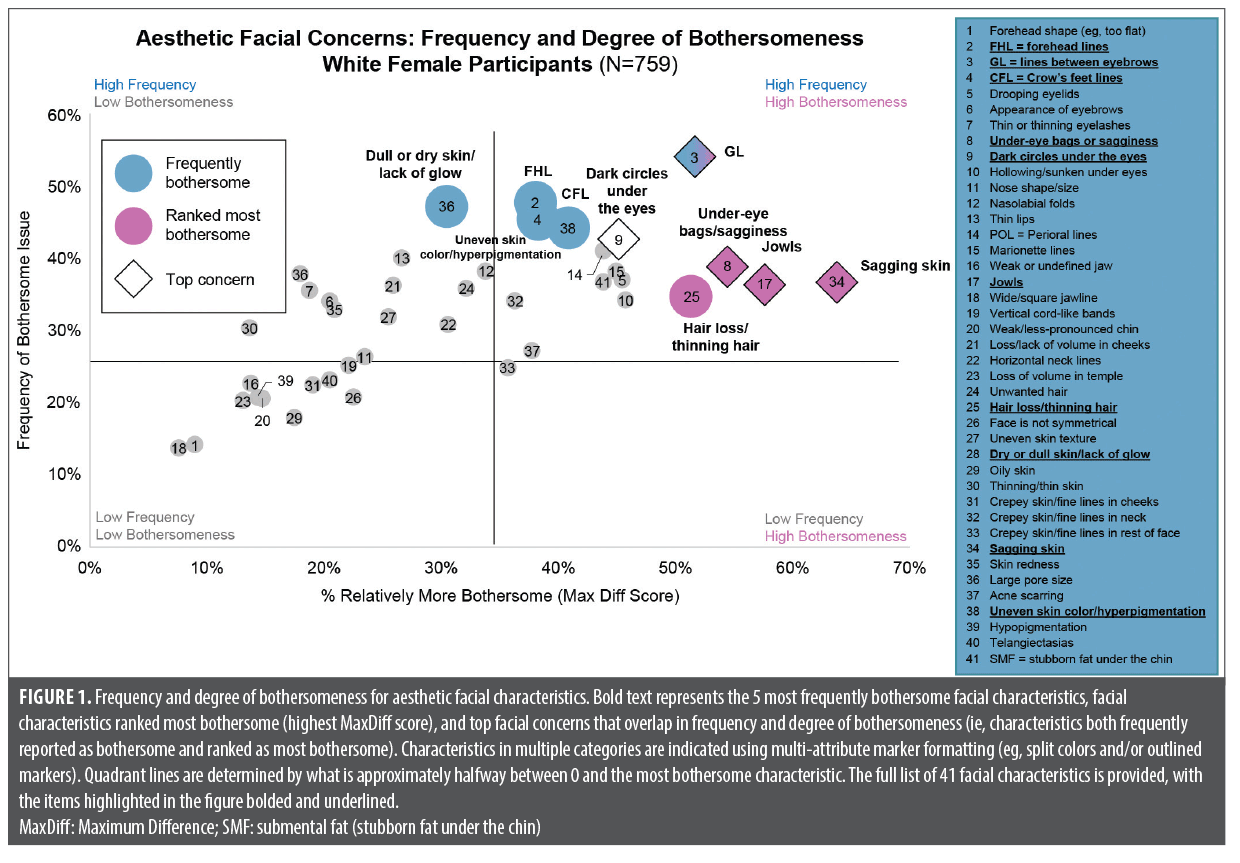
Top facial aesthetic concerns among White female participants. Of the 41 facial characteristics rated, the 5 most frequently bothersome were frown lines/lines between the eyebrows, forehead lines, dry or dull skin/lack of glow, crow’s feet, and uneven skin color/hyperpigmentation (Figure 1).
Based on MaxDiff scaling used to rank the degree of bothersomeness of the 41 facial characteristics, the 5 most bothersome were sagging skin (64%), jowls (58%), under-eye bags or sagginess (55%), frown lines/lines between the eyebrows (52%), and hair loss/thinning hair (51%; Figure 1). The top 5 facial aesthetic concerns (ie, characteristics most frequently reported and ranked as most bothersome) were frown lines/lines between the eyebrows, sagging skin, under-eye bags or sagginess, jowls, and dark circles under the eyes (Figure 1).
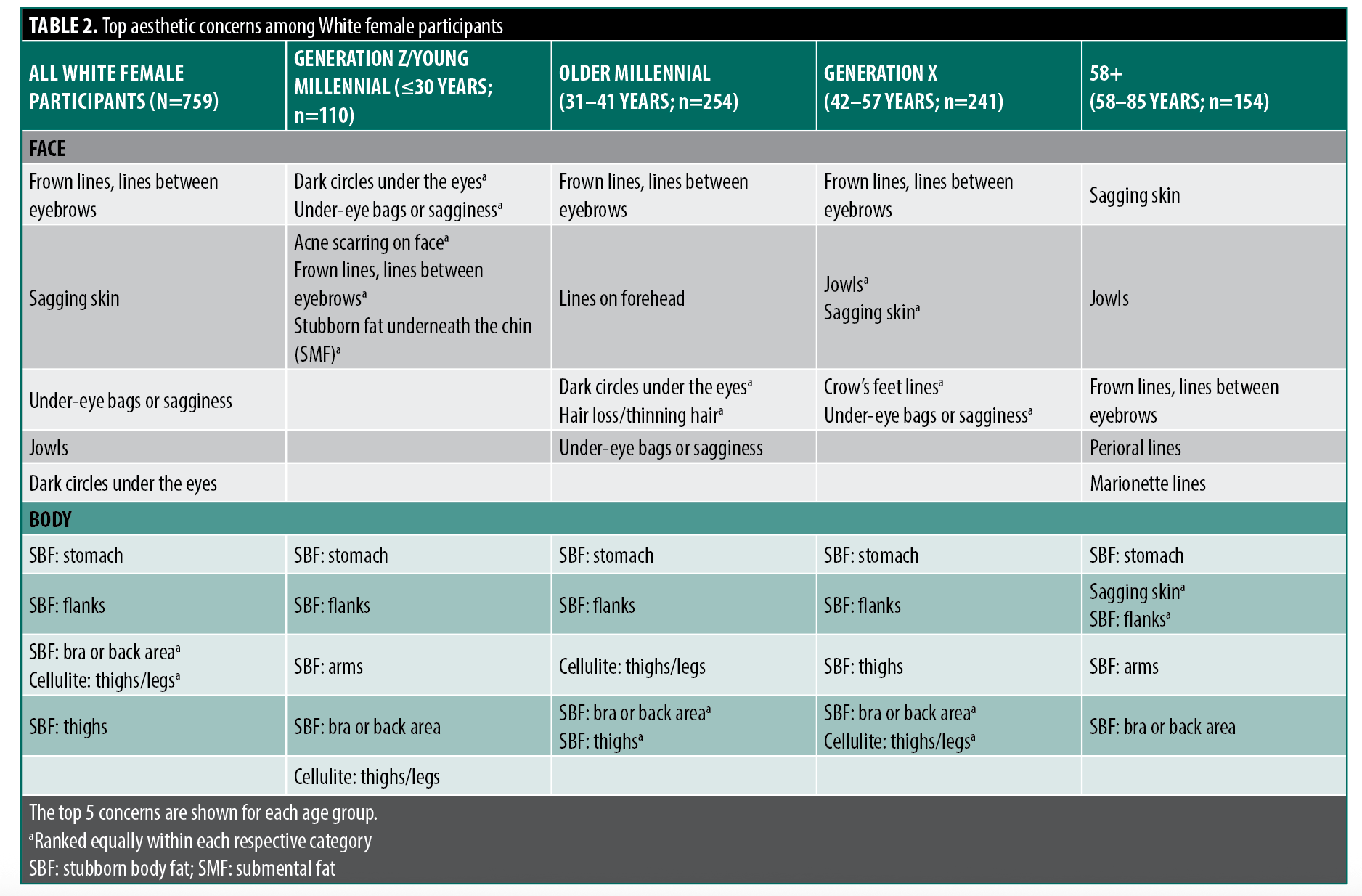
Among the top 5 facial aesthetic concerns, Gen Z/young millennials reported dark circles under the eyes and under-eye bags or sagginess as the top concerns (equivalent rankings). Frown lines/lines between the eyebrows were the top concern for older millennials and Generation X, whereas 58+ participants ranked sagging skin as the top concern (Table 2). Generation-specific concerns included acne scarring on the face and stubborn fat underneath the chin for Gen Z/young millennials, and perioral lines and marionette lines for those 58+ (Table 2). The top 5 most frequently bothersome and most bothersome facial characteristics across generations are presented in Supplemental Tables 2 and 3, respectively.
Top body aesthetic concerns among White female participants. Of the 31 body characteristics rated, the 5 most frequently bothersome were stubborn fat around the stomach and flanks (sides), cellulite in the thighs/legs, buttock not as toned or lifted as I would like, and lack of muscle tone and muscle definition (Figure 2).
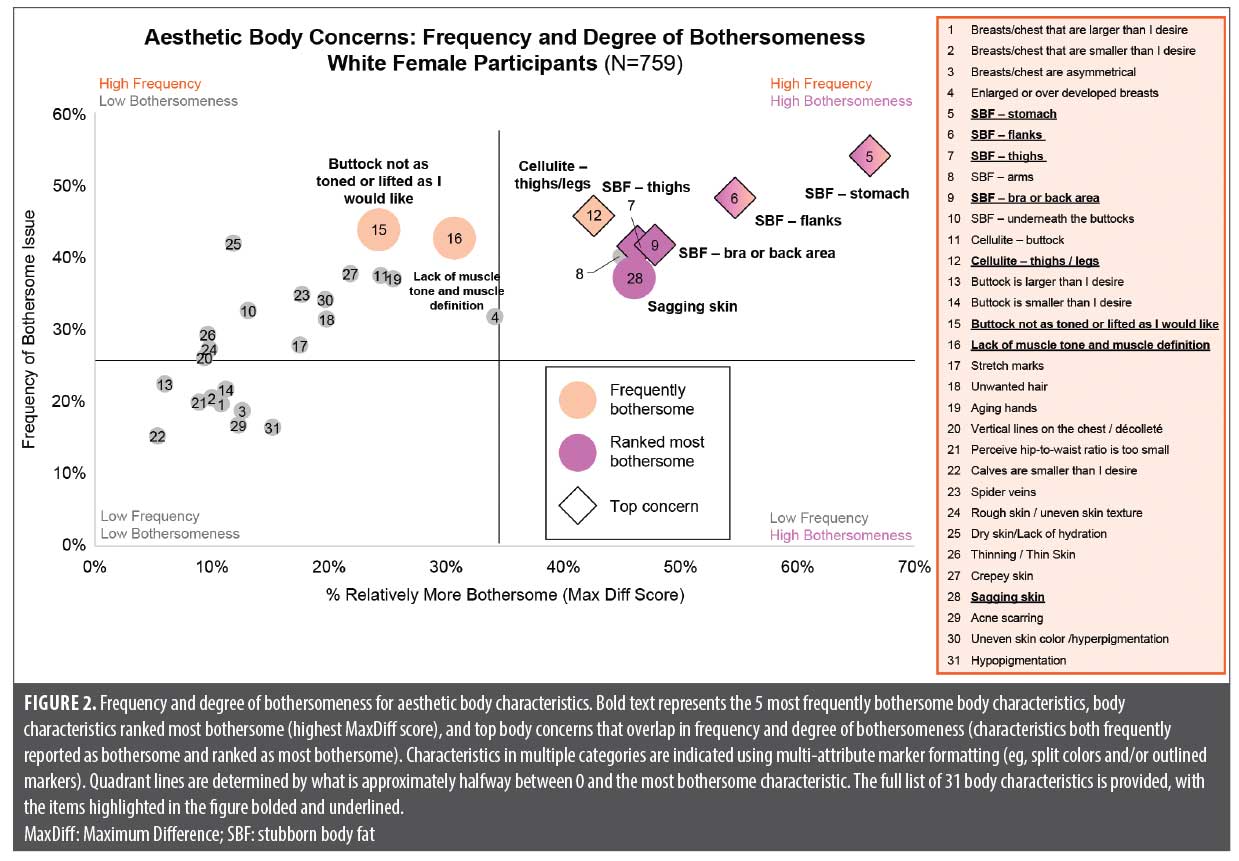
Based on MaxDiff scaling, the 5 most bothersome body characteristics were stubborn fat in the stomach (66%), flanks (55%), bra or back area (48%), or thighs (46%), and sagging skin (46%; Figure 2). The top 5 body aesthetic concerns (ie, characteristics most frequently reported and ranked as most bothersome) were stubborn body fat in the stomach, flanks, bra or back area, or thighs, and cellulite in the thighs or legs (Figure 2).
Stubborn fat in the stomach was the top body aesthetic concern for all generations, and all generations ranked stubborn body fat in the flanks among the top 5 concerns (Table 2). Cellulite in the thighs or legs ranked among the top concerns for all generations except 58+, and sagging skin was a top body concern specific to those 58+ (Table 2). The top 5 most frequently bothersome and most bothersome body characteristics across generations are presented in Supplemental Tables 2 and 3, respectively.
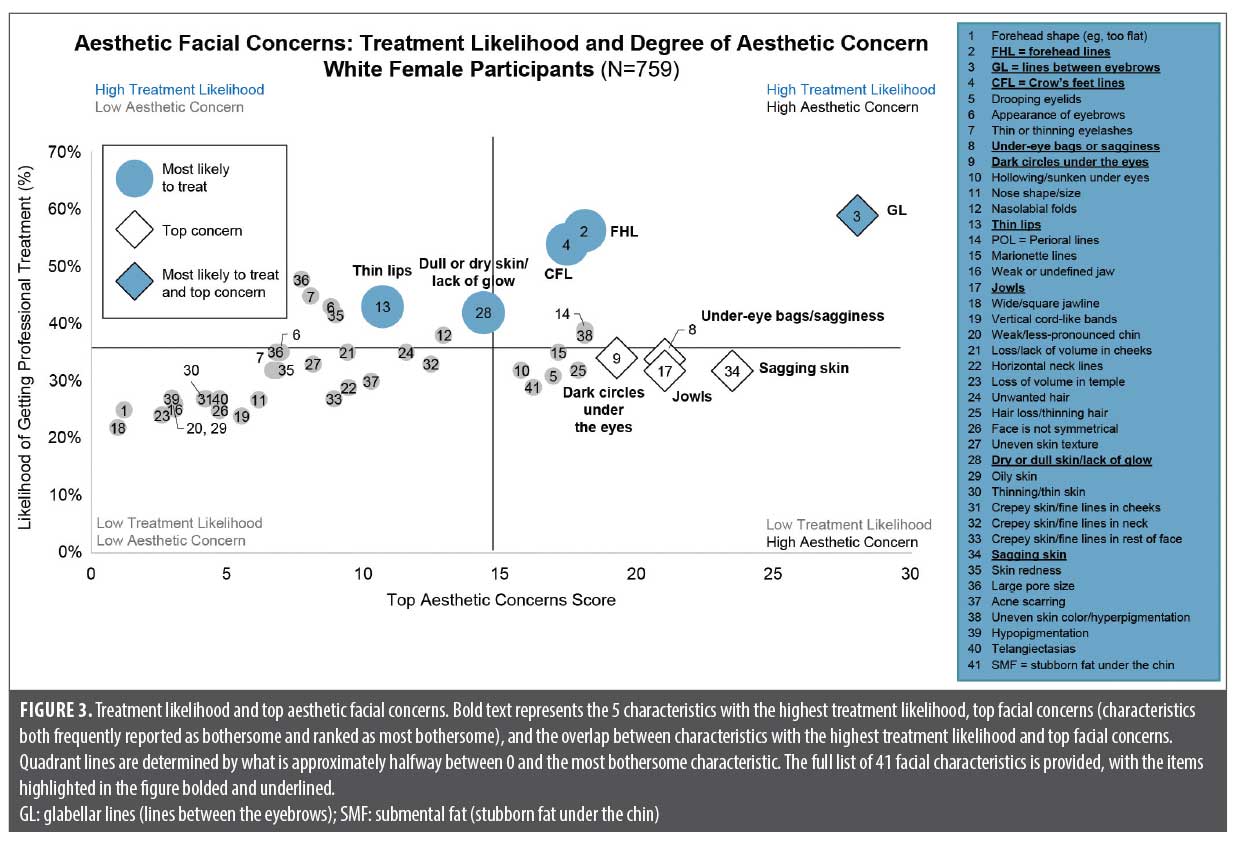
Treatment likelihood of facial and body characteristics among White female participants. The 5 most likely facial characteristics participants would seek professional treatment for within the next year were frown lines/lines between the eyebrows, forehead lines, crow’s feet lines, thin lips/lips not as full as desired, and dry or dull skin/lack of hydration, glow, or radiance (Figure 3; plotted against the top facial concerns). Only lines between the eyebrows overlapped with the top facial aesthetic concerns (Figure 3).
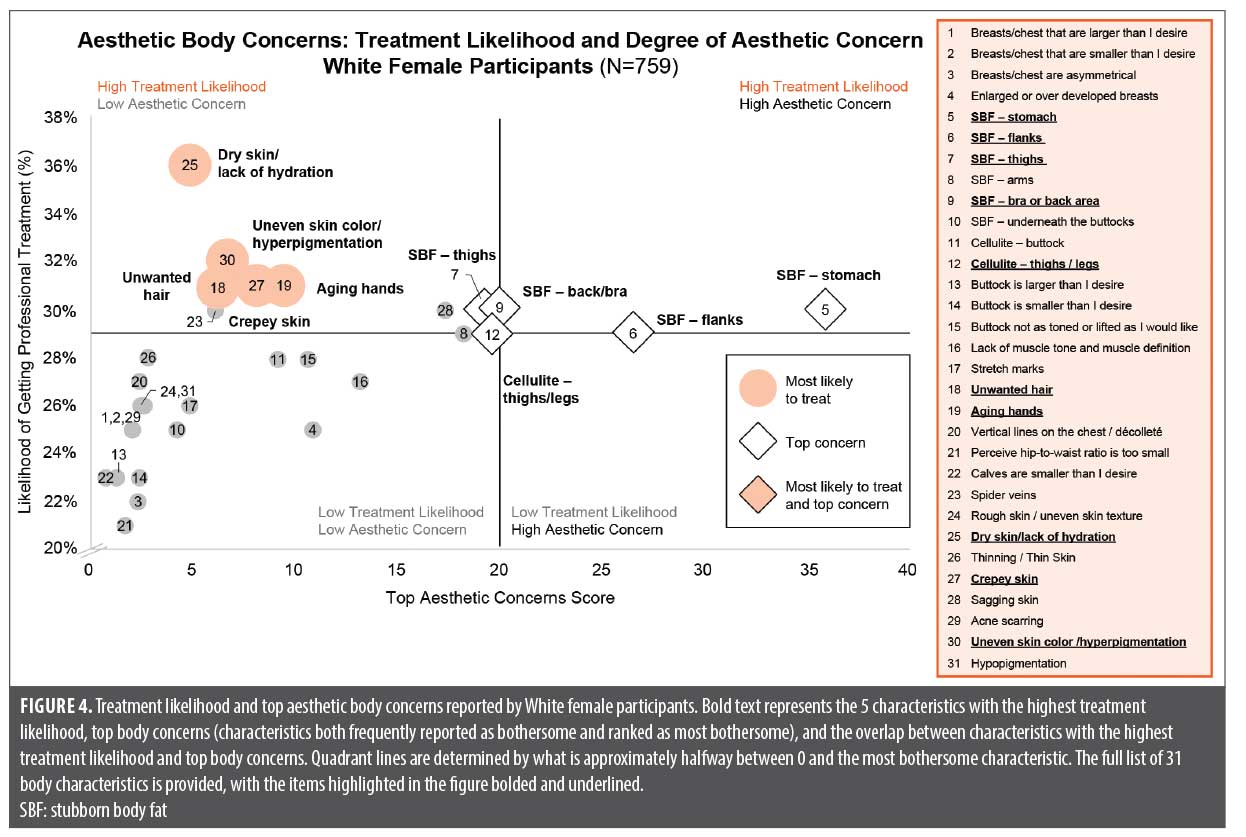
The 5 most likely body characteristics participants would seek professional treatment for within the next year were dry skin/lack of hydration, uneven skin color/hyperpigmentation, unwanted body hair, aging hands, and crepey skin (Figure 4; plotted against the top body concerns). These characteristics did not align with the top body aesthetic concerns (Figure 4).
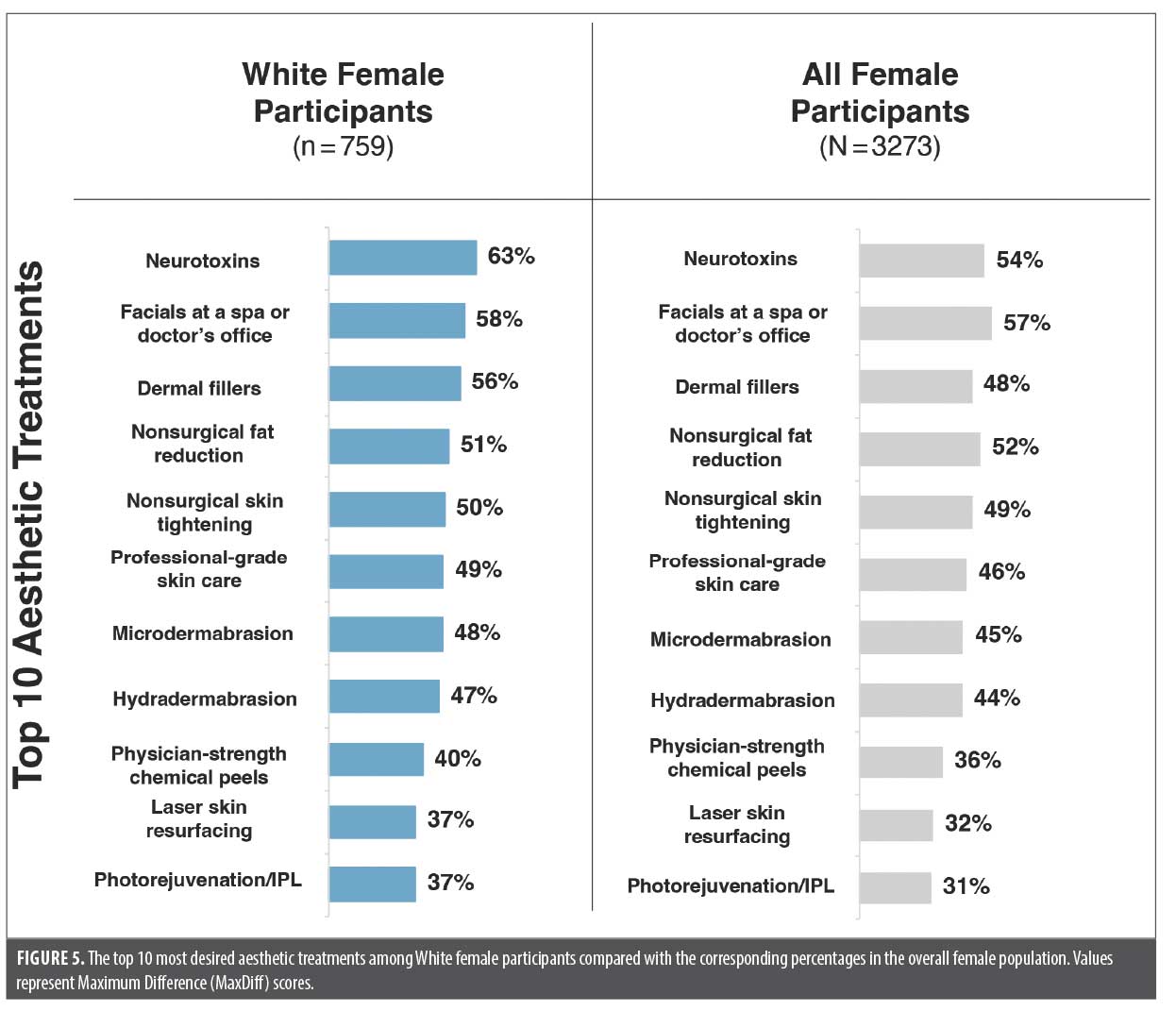
Degree of interest in aesthetic treatments. The top 10 aesthetic treatments of interest for White female participants are presented in Figure 5 (includes 2 with equivalent ranking), along with the percentages of participants in the overall female population who reported interest in these treatments. Of the 48 aesthetic treatments presented (Supplemental Table 1), neurotoxins (referred to as “wrinkle-relaxing facial injections” in the survey) were the top ranked treatment for White female participants. Other top ranked treatments included facials at a spa or doctor’s office, dermal fillers, nonsurgical fat reduction, nonsurgical skin tightening, professional-grade skin care, microdermabrasion, hydradermabrasion, physician-strength chemical peels, and laser skin resurfacing (Figure 5).
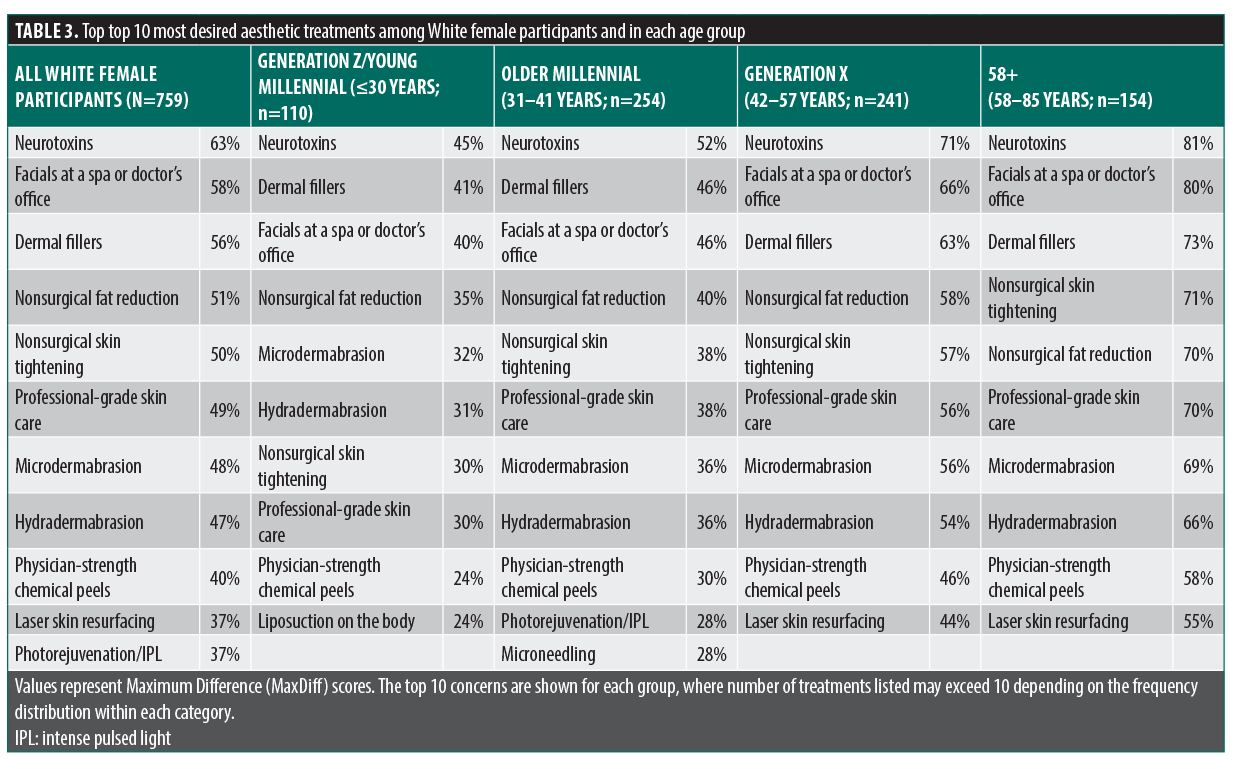
The top 10 treatments of interest among White female participants were generally similar across age groups (Table 3). Neurotoxins ranked as the top treatment of interest in all age categories, and most of the other top treatments were the same across generations, with some variations in ranking. Laser skin resurfacing was a treatment of interest for Generation X and 58+ but did not rank in the top 10 for younger participants. Other generation-specific interests included liposuction on the body for Generation Z/young millennials and photorejuvenation/intense pulsed light for older millennials.
Discussion
In this analysis of White female participants from a large US study, a detailed view of the aesthetic facial and body concerns and treatment interests emerged from the larger study,13 which provided a comprehensive assessment among diverse demographic groups. Importantly, this study provided data on preferences related to body characteristics, which have not been widely examined, and thus adds insights about aesthetic goals of patients not previously available.
Among White female participants in the study, the percentage of participants who were more concerned about facial characteristics was slightly higher than the overall female population, and the percentage who were more concerned with the body was slightly lower vs the overall female population.13 Although several of the top facial aesthetic concerns were the same between White female participants and the overall female population, including frown lines/lines between the eyebrows, under-eye bags or sagginess, and sagging skin, White female participants also reported jowls as a top concern; uneven skin color and hair loss were top concerns in the overall female population but less so among White female participants.13 Most of the top aesthetic concerns related to the body were also similar between White female participants and the overall female population, including stubborn fat in the stomach, flanks, thighs, and bra or back area; however, cellulite in the thighs or legs was a top concern for White female participants but not for the overall female population, in which stubborn fat in the arms was also a top concern.13 Increased concern with jowls among White female participants compared with the overall female population13 may reflect anatomical differences in aging skin and skeletal support in the lower face among different racial and ethnic groups, as well as cultural constructs that can affect areas of aesthetic focus.3,6,19
The facial and body characteristics that White female participants were most likely to seek professional treatment for within the next year did not always align with the top areas of aesthetic concern. Of the top facial concerns, only frown lines/lines between the eyebrows overlapped with likelihood of seeking professional treatment. White female participants were more likely to seek professional treatment for other areas that were not rated as top concerns, such as thin lips, dull or dry skin, forehead lines, and crow’s feet lines. In the overall female population, 2 of the top 5 facial concerns were prioritized for treatment (frown lines/lines between the eyebrows and uneven skin color).13 Among White female participants, none of the top body concerns were characteristics with a likelihood of seeking professional treatment. Rather, White female participants were most likely to seek professional treatment for concerns such as dry skin or lack of hydration, uneven skin color or hyperpigmentation, unwanted body hair, aging hands, and crepey skin. The discrepancies observed between top body concerns and likelihood of seeking professional treatment diverges from observations in the overall female population, in which stubborn body fat across various areas of the body (stomach, flanks, and back) were rated both as top concerns and top areas prioritized for seeking professional treatment.13 These variations suggest several possible explanations. First, there may be differences in perceptions of aesthetic characteristics and treatment, particularly with regard to the body, between White women and other demographic subgroups.3 Second, differences in treatment accessibility, affordability, and time available for treatments and postprocedure recovery time may influence which treatments are prioritized between subgroups.20,21 The recent increase in interest and use of medical weight loss drugs,22 which were not evaluated in the present study, highlights the importance of a holistic approach to understanding and addressing body aesthetic concerns. As patients increasingly pursue medical solutions for weight management, incorporating aesthetic considerations related to body contouring may further support comprehensive patient care.
Findings from this analysis were comparable to a published study that included 87% White female participants (n=523).7 In this study, which also used a survey analyzed by the MaxDiff framework, the most bothersome facial aesthetic concerns included frown lines/lines between the eyebrows, crow’s feet lines, and forehead lines, in agreement with the current analysis.7 Some differences also emerged in that tear troughs were found to be one of the most bothersome and most likely to be treated facial concerns, in contrast to the current study, where participants ranked hollowing or sunken areas under the eyes lower than other characteristics.7 These differences likely reflect the influence of other racial and ethnic groups included in the previous study. The current analysis expands on the literature to describe the aesthetic inclinations specific to White women in the US.
The top 10 aesthetic treatments White female participants were most interested in receiving often aligned with their top aesthetic concerns. Neurotoxins and dermal fillers received high ratings among White female participants, who also rated frown lines/lines between the eyebrows, under-eye bags or sagginess, and sagging skin as top aesthetic concerns. Frown lines/lines between the eyebrows were both among the top facial aesthetic concerns and the facial characteristic for which participants were most likely to seek professional treatment within the next year. Although neuromodulators remain a primary treatment approach for frown lines/lines between the eyebrows, dermal fillers may also be considered in carefully selected patients with static etched lines, highlighting the importance of individualized treatment planning.23 White female participants were also interested in nonsurgical fat reduction, which was consistent with their concerns about stubborn body fat in several areas, but this did not align with the characteristics most likely to be treated. It is possible that negative perceptions, lack of information, concern with possible adverse effects of some aesthetic body treatments, and high costs may limit the use of these treatments among White female participants despite their reported interest in nonsurgical fat reduction. Additional research is needed to better understand potential barriers to aesthetic treatments in this population, including the potential role of factors such as social media in decision-making.24
The top aesthetic treatments of interest for White female participants were generally consistent with the overall female population. More than half of White female participants were interested in receiving neurotoxins, facials at a spa or doctor’s office, dermal fillers, nonsurgical fat reduction, and nonsurgical skin tightening, and these were also among the top treatments of interest in the overall female population. This result is consistent with prior research showing neurotoxins and dermal fillers to be among the most popular nonsurgical procedures globally, with increasing popularity in recent years.1,25,26 In the current analysis, some treatments were ranked higher among White female participants than the overall female population. Although neurotoxins were ranked as the top treatment by White female participants (63%), neurotoxins ranked second in the overall female population (54%), in which facials at a spa or doctor’s office was the top treatment of interest (57%). Understanding these potential variations between demographic groups may assist practitioners in consulting with their patients about treatment options.
Treatments of interest were mostly consistent across generations, with neurotoxins ranking as the top interest in every age category among White female participants. This finding is consistent with prior research in which neurotoxin treatment was identified as the most common aesthetic procedure across age groups.1,2 Generation X and 58+ participants ranked laser skin resurfacing in the top 10 treatments of interest, which aligns with top concerns of facial lines, uneven skin color/hyperpigmentation, and sagging skin among older participants, while supporting the finding that White women between 40 and 59 years report at least moderate facial aging.6 Although stubborn body fat was a top aesthetic concern across age groups, only younger White female participants in the Generation Z/young millennials age group ranked liposuction on the body in the top 10 treatments of interest, whereas nonsurgical fat reduction ranked in the top 5 for every age group. It is possible that the perceived risk of surgical procedures on the body may be more of a concern among older women.27
This analysis of the White female participants in the study has several notable strengths, including a large sample size comprising only White female participants, and use of MaxDiff methodology to capture relative priorities more accurately than traditional rating scales with reduced response bias. Similar analyses have focused on the face, with limited data on aesthetic concerns and treatment interests related to the body; this study captured comprehensive coverage of facial and body concerns to create a holistic view of an individual’s aesthetic priorities. Several limitations must also be acknowledged. Although subgroup analyses were conducted, further stratification by country of origin, generation, and acculturation status may yield additional nuance. MaxDiff methodology, though robust in revealing relative priorities, does not measure willingness to undergo treatment or financial/access barriers, which remain important determinants of real-world uptake. The study was conducted in the US, and findings may not be generalizable to other regions. Although the survey was opened to members of the transgender and nonbinary communities, responses from members of these groups were limited. Future iterations of the survey should ensure adequate representation and feedback from these groups as aesthetic interests and the aesthetic patient continue to evolve.
Conclusion
This subgroup analysis revealed the most important facial and body concerns and treatment interests among White female participants in the largest study to date to evaluate the preferences of aesthetically oriented individuals in diverse populations. Together with analyses of the overall population and other subgroups, these data on the White female population offer healthcare providers nuanced insights to help deliver personalized, patient-centered care.
Supplemental Materials
Disclosures
Dr. Sherber has served as a consultant and investigator for AbbVie. Dr. Bharti has served as a consultant and speaker for AbbVie. Dr. Downie has served as a consultant, lecturer, researcher, and/or advisory board member for Aclaris, Allergan/AbbVie, Alphaeon, BioPharmX, BTL, Caliway, Candesant, Canfield, CO2Lift, Croma (researcher), Cutera, Endo Therapeutics, Evidera, Exeltis, Galderma, Intendis/Bayer, IntraDerm, ISDIN, Johnson & Johnson, La Roche Posay, Laviv, Lev Ellis, Lifes2Good, L’Oreal Paris, Medimetriks, Merz, MRP Laser, Neauvia, Neothetics, Nutrafol, Obagi, Perigee Medical, Pfizer, Procter & Gamble, Ranbaxy, Raziel Therapeutics, Regimen Pro, Restorsea, Revance, RoC, Scientis, Sensus, Sente, Solta (lecturer), Sofwave, Stratpharma, SkinMedica, Teoxane, Theraplex LLC, ThermiRF, Valeant, Vi Aesthetics, Vichy, WiQo, XTresse, Zo Skin Health. Dr. Fabi is a consultant, speaker, and clinical trial investigator for AbbVie. Dr. George is a consultant, speaker, and clinical trial investigator for AbbVie. Dr. Hooper is co-founder of Audubon Dermatology; consultant, speaker, or investigator for Allergan Aesthetics, an AbbVie company, Galderma Laboratories, Revance Therapeutics. Dr. Jalian is a consultant for AbbVie. Dr. Avanesian and Dr. Sondergaard are full-time employees of AbbVie and may hold AbbVie stock.
Acknowledgments
Writing and editorial assistance was provided to the authors by Illyce Nuñez, PhD of Peloton Advantage, an OPEN Health company, and was funded by AbbVie Inc. The authors would like to acknowledge the supplement co-sponsor Research Execute Learn LLC (Randy Long and Drew Minko) for their assistance with the survey design, distribution, collection of data, and analysis of the results.
References
- Triana L, Palacios Huatuco RM, Campilgio G, Liscano E. Trends in surgical and nonsurgical aesthetic procedures: a 14-year analysis of the International Society of Aesthetic Plastic Surgery-ISAPS. Aesthet Plastic Surg. 2024;48(20):4217–4227.
- International Society of Aesthetic Plastic Surgery. ISAPS international survey on aesthetic/cosmetic procedures performed in 2023. 2024. Available at: https://www.isaps.org/discover/about-isaps/global-statistics/reports-and-press-releases/global-survey-2023-full-report-and-press-releases/. Accessed August 27, 2024.
- Arian H, Alroudan D, Alkandari Q, Shuaib A. Cosmetic surgery and the diversity of cultural and ethnic perceptions of facial, breast, and gluteal aesthetics in women: a comprehensive review. Clin Cosmet Investig Dermatol. 2023;16:1443–1456.
- Alexis A, Boyd C, Callender V, Downie J, Sangha S. Understanding the female African American facial aesthetic patient. J Drugs Dermatol. 2019;18(9):858–866.
- Harris SM. Cosmetic surgery and body image in race/ethnic minorities. Womens Health Res. 2022;4(1):9–25.
- Alexis AF, Grimes P, Boyd C, et al. Racial and ethnic differences in self-assessed facial aging in women: results from a multinational study. Dermatol Surg. 2019;45(12):1–14.
- Narurkar V, Shamban A, Sissins P, Stonehouse A, Gallagher C. Facial treatment preferences in aesthetically aware women. Dermatol Surg. 2015;41(Suppl 1):S153–S160.
- Jagdeo J, Keaney T, Narurkar V, Kolodziejczyk J, Gallagher CJ. Facial treatment preferences among aesthetically oriented men. Dermatol Surg. 2016;42:1155–1163.
- Maisel A, Waldman A, Furlan K, et al. Self-reported patient motivations for seeking cosmetic procedures. JAMA Dermatol. 2018;154(10):1167–1174.
- Chiu A, Mariwalla K, Hui-Austin A, Narurkar V, de la Guardia C. Understanding the female Asian American facial aesthetic patient. J Drugs Dermatol. 2019;18(7):633–641.
- Fabi S, Montes JR, Aguilera SB, Bucay V, Brown SM, Ashourian N. Understanding the female Hispanic and Latino American facial aesthetic patient. J Drugs Dermatol. 2019;18(7):623–632.
- Mühlbacher AC, Kaczynski A, Zweifel P, Johnson FR. Experimental measurement of preferences in health and healthcare using best-worst scaling: an overview. Health Econ Rev. 2016;6(1):2.
- Zeidler K, Chiu A, Sadeghpour M, et al. Demographic survey of aesthetic interests & concerns (MOSAIC): US survey study of facial and body aesthetic concerns and treatment interests across diverse populations, methodology and results for female participants by age. J Clin Aesthet Dermatol. 2026;19(8 Suppl 2):5–16.
- Alexis A, Boyd C, Burgess C, et al. Demographic survey of aesthetic interests and concerns (MOSAIC): US survey study of facial and body aesthetic concerns and treatment interests among Black women. J Clin Aesthet Dermatol. 2026;19(8 Suppl 2):28–37.
- Fabi S, Beer J, Bharti G, et al. Demographic survey of aesthetic interests and concerns (MOSAIC): US survey study of facial and body aesthetic concerns and treatment interests of Hispanic and Latina women. J Clin Aesthet Dermatol. 2026;19(8 Suppl 2):38–46.
- Chiu A, Rahman Z, Munavalli G, et al. Demographic survey of aesthetic interests and concerns (MOSAIC): US survey study of facial and body aesthetic concerns and treatment interests among Asian women. J Clin Aesthet Dermatol. 2026;19(8 Suppl 2):17–27.
- Ibrahim O, Beer J, Keaney T, et al. Demographic survey of aesthetic interests and concerns (MOSAIC): US survey study of facial and body aesthetic concerns and treatment interests of men. J Clin Aesthet Dermatol. 2026;19(8 Suppl 2):57–65.
- Donnelly F. US Census data: concepts and applications for supporting research. Libr Technol Rep. 2022;58(4):5–37.
- Swift A, Liew S, Weinkle S, Garcia JK, Silberberg MB. The facial aging process from the “inside out”. Aesthet Surg J. 2021;41(10):1107–1119.
- American Society of Plastic Surgeons. 2024 ASPS procedural statistics release. 2024. Available at: https://www.plasticsurgery.org/documents/news/statistics/2024/plastic-surgery-statistics-report-2024.pdf. Accessed July 21, 2025.
- Fabi S, Alexiades M, Chatrath V, et al. Facial aesthetic priorities and concerns: a physician and patient perception global survey. Aesthet Surg J. 2022;42(4):NP218–NP229.
- Han SH, Safeek R, Ockerman K, et al. Public interest in the off-label use of glucagon-like peptide 1 agonists (Ozempic) for cosmetic weight loss: a Google Trends analysis. Aesthet Surg J. 2023;44(1):60–67.
- Dubina M, Tung R, Bolotin D, et al. Treatment of forehead/glabellar rhytide complex with combination botulinum toxin a and hyaluronic acid vs botulinum toxin A injection alone: a split-face, rater-blinded, randomized control trial. J Cosmet Dermatol. 2013;12(4):261–266.
- Mironica A, Popescu CA, George D, Tegzeșiu AM, Gherman CD. Social media influence on body image and cosmetic surgery considerations: a systematic review. Cureus. 2024;16(7):e65626.
- Lem M, Pham JT, Kim JK, Tang CJ. Effect of the COVID-19 pandemic on nonsurgical cosmetic procedure interest. Am J Cosmet Surg. 2024;41(3):189–195.
- Liao ZF, Cong LY, Li FW, et al. The research trend of soft tissue filler injection from 2000 to 2022: a bibliometric and visualized analysis. Plast Reconstr Surg Glob Open. 2024;12(2):e5579.
- Berlin NL, Kirch M, Singer DC, Solway E, Malani PN, Kullgren JT. Preoperative concerns of older US adults and decisions about elective surgery. JAMA Netw Open. 2024;7(1):e2353857.
From the 2nd Annual RAPIDS Immuno-Dermatology Conference: From Approval to Adoption—Translating Innovation Into Clinical Practice