
J Clin Aesthet Dermatol. 2026;19(10):30–37
Naiem T. Issa, MD, PhD; Sanjeev Balu, PhD, MBA, BPharm; Lucas Raal Lyhne, MSc; Aseel Bin Sawad, PharmD, MSc, MCR, MS, PhD, DBA; Eydna Didriksen Apol, PhD, MBA, BPharm; Pravin Kamble, PhD, RPh; Douglas Maslin, MD, MPhil, MB BChir (Cantab), MA (Hons), MRCP; and Anne Sofie L. Loftager, MSc
Dr. Issa is with the University of Miami Miller School of Medicine, Miami, Florida, and George Washington University School of Medicine and Health Sciences, Washington, District of Columbia. Drs. Balu, Sawad, and Kamble are with LEO Pharma Inc, Madison, New Jersey. Mr. Lyhne and Ms. Loftager are with EY Parthenon P/S, Frederiksberg, Denmark. Drs. Apol and Maslin are with LEO Pharma A/S, Ballerup, Denmark.
FUNDING: This study was funded by LEO Pharma Inc.
DISCLOSURES: Dr. Issa has received funding from the following entities either as a speaker, consultant, advisor, or investigator: AbbVie, Almirall, Apogee, Boehringer Ingelheim, Botanix, Bristol Myers Squibb, Castle Biosciences, DermTech, Galderma, Incyte, Janssen, Journey, LEO Pharma, Lilly, Novartis, Organon, Ortho Dermatologics, Pfizer, Primus, Regeneron, Sanofi, Sun Pharmaceuticals, Topix, UCB, and Verrica Pharmaceuticals. Drs. Balu, Sawad, Kamble, and Maslin are employees of LEO Pharma Inc. Dr. Apol is an employee of LEO Pharma A/S. Mr. Lyhne and Ms. Loftager are employees (or past employees) of EY-Parthenon P/S. EY Parthenon P/S is a paid vendor of LEO Pharma Inc. and LEO Pharma A/S.
Abstract: BACKGROUND: Chronic hand eczema (CHE) is an inflammatory skin disease of the hands and wrists associated with substantial socioeconomic and quality-of-life burden. Atopic hand eczema (AHE) is a CHE subtype. Delgocitinib (topical pan-Janus kinase inhibitor) is approved in the United States (US) for moderate-to-severe CHE, including AHE. Dupilumab (interleukin-4 and 13 receptor α antagonist) is approved for moderate-to-severe atopic dermatitis (AD), including AHE. OBJECTIVE: To evaluate the cost-per-responder (CPR) of delgocitinib vs dupilumab in adults with moderate-to-severe AHE inadequately controlled by topical corticosteroids from the perspective of a US third-party payer. METHODS: Annual delgocitinib cost was estimated based on 3.2 flares per year and consumption per flare from published clinical trials. Dupilumab cost was based on a continuous regimen: 600 mg initial dose then 300 mg every 2 weeks. Response rates were obtained from a published matching-adjusted indirect comparison using delgocitinib DELTA 1 and 2 trials (all CHE subtypes) and dupilumab LIBERTY-AD-HAFT trial (hand/foot AD). Response was defined as Investigator’s Global Assessment for Chronic Hand Eczema (IGA-CHE) and Hand and Foot Investigator’s Global Assessment (HF-IGA) score of 0/1 for CHE and AD, respectively. A 3% annual discount rate and 3-year horizon were applied. RESULTS: Delgocitinib showed lower CPR than dupilumab over 3 years. The 3-year CPR was $102,082 for delgocitinib vs $380,903 for dupilumab (savings: $278,821 per responder). LIMITATIONS: Data directly comparing delgocitinib and dupilumab efficacy in AHE are not available. CONCLUSION: Delgocitinib topical cream had a lower predicted CPR than dupilumab for adults with moderate-to-severe AHE, yielding savings of 73% per responder. Keywords: Chronic hand eczema, atopic hand eczema, delgocitinib cream, dupilumab, cost-per-responder
Introduction
Chronic hand eczema (CHE) is a long-term, painful, pruritic, inflammatory skin disease of the hands and wrists characterized by episodes lasting longer than 3 months or recurring at least twice per year.1–3 The primary clinical characteristics include erythema, infiltration, hyperkeratosis, and edema. Other clinical manifestations include oozing, scaling, fissures, lichenification, erosions, itch and pain, dryness, cracking, and bleeding. These symptoms persist over an extended period due to the chronic nature of the disease.4 A recent US cross-sectional study, CHECK-US, estimated that 9.6% of the United States (US) population had self-reported physician-diagnosed CHE.5 The global 1-year prevalence of CHE is estimated to be between 4.7% and 9.1%.6,7
CHE is a heterogeneous inflammatory skin disease with multiple exogenous (irritants, allergens, and pathogens) and endogenous (immune dysregulation and skin barrier dysfunction) drivers. CHE has 4 key etiologic subtypes: atopic hand eczema (AHE), irritant contact dermatitis, allergic contact dermatitis, and protein contact dermatitis.3,8 The CHECK-US study showed that among 928 people with CHE, 52.6% had AHE, 35.6% had allergic contact hand dermatitis, 32.3% had irritant contact hand dermatitis, 21.9% had vesicular/dyshidrotic eczema, and 17.4% had hyperkeratotic hand eczema; almost half of the population (46.5%) had multiple subtype diagnoses.9 The severity of CHE is often categorized as mild, moderate, or severe.6 Most patients in the CHECK-US study (65.1%) had moderate-to-severe disease.9
CHE often requires long-term treatment and leads to reduced quality of life and loss of work productivity.4,10–12 Notably, health-related quality of life for people with severe CHE is comparable to that for those with other chronic diseases such as rheumatoid arthritis and hepatitis.13 The annual cost of illness for a person with CHE in the US was estimated at $5,425 in 2022,14 while a different study using workers’ compensation claims found that the claims had an average cost to the employer of $10,197 (2024) and that 11.5% of the claims had lost work time, with an average of 277 days (median 121 days) per claim.14,15 Given these negative effects of CHE, both for the person living with CHE and for society, effective disease management is essential.
Topical corticosteroids (TCS) are often used as first-line therapy for CHE.8,16 However, prolonged TCS use is associated with various adverse effects, and typically, this treatment is reserved for short-term use.16–19 Additionally, TCS have shown limited efficacy in severe CHE,20 and patients with CHE unresponsive to TCS have a lower health-related quality of life compared to that of the CHE population (including all subtypes).13,21 The loss of productivity contributed to the total patient cost-month by 43.7%, followed by hospitalization (16.1%) and travel (10.3%), among patients with severe CHE refractory to potent TCS.21
In July 2025, delgocitinib cream, a first-in-class topical pan-Janus kinase inhibitor, became the first and only US Food and Drug Administration (FDA)-approved treatment for adults with moderate-to-severe CHE (of all subtypes, including AHE) for whom TCS were inadequate or inappropriate.22,23 Subcutaneous (SC) dupilumab, an interleukin (IL)-4/13 receptor α antagonist, is also approved for treatment of moderate-to-severe atopic dermatitis (AD; including when AD affects the hands) when topical therapies are inadequate or inappropriate.23–26 A study has shown that dupilumab is used off-label to treat patients with CHE.27
A published matching-adjusted indirect comparison (MAIC) evaluated the efficacy of delgocitinib vs dupilumab using individual patient data from the DELTA 1 (NCT04871711) and DELTA 2 (NCT04872101) phase 3 trials (comparing delgocitinib to a cream vehicle) and aggregate published data from the LIBERTY-AD-HAFT trial (comparing dupilumab to placebo injection; NCT04417894).26 The DELTA trials included patients with CHE, while the LIBERTY-AD-HAFT trial included patients with AHE only.28,29 The MAIC was therefore conducted among patients with AHE to ensure comparability. In the MAIC, 3 endpoints were assessed after 16 weeks: (1) Investigator’s Global Assessment of Chronic Hand Eczema (IGA-CHE) score of 0/1 from the DELTA trials, which, though the assessment is different and more stringent, was considered comparable to the Hand and Foot Investigator’s Global Assessment (HF-IGA) score of 0/1 from the LIBERTY-AD-HAFT trial; (2) Hand Eczema Severity Index reductions of 90% (HECSI-90) from baseline; and (3) Hand Eczema Severity Index reductions of 75% (HECSI-75) from baseline. There was no statistically significant difference between delgocitinib and dupilumab across all the outcomes. Specifically, the odds ratios (ORs) comparing delgocitinib to dupilumab were 1.1 (95% CI: 0.3–3.4) for IGA-CHE/HF-IGA, 1.3 (95% CI: 0.4–4.9) for HECSI-90, and 1.2 (95% CI: 0.4–3.2) for HECSI-75. While not statistically significant, ORs favored delgocitinib across all endpoints.26
The cost-effectiveness of delgocitinib topical cream vs that of dupilumab SC injection has not previously been investigated in a US setting for patients with AHE. Therefore, the objective of this analysis was to evaluate the cost-per-responder (CPR) of delgocitinib topical cream vs that of dupilumab SC injection in adults with moderate-to-severe AHE for whom TCS were inadequate or inappropriate from the perspective of a US third-party payer.
Methods
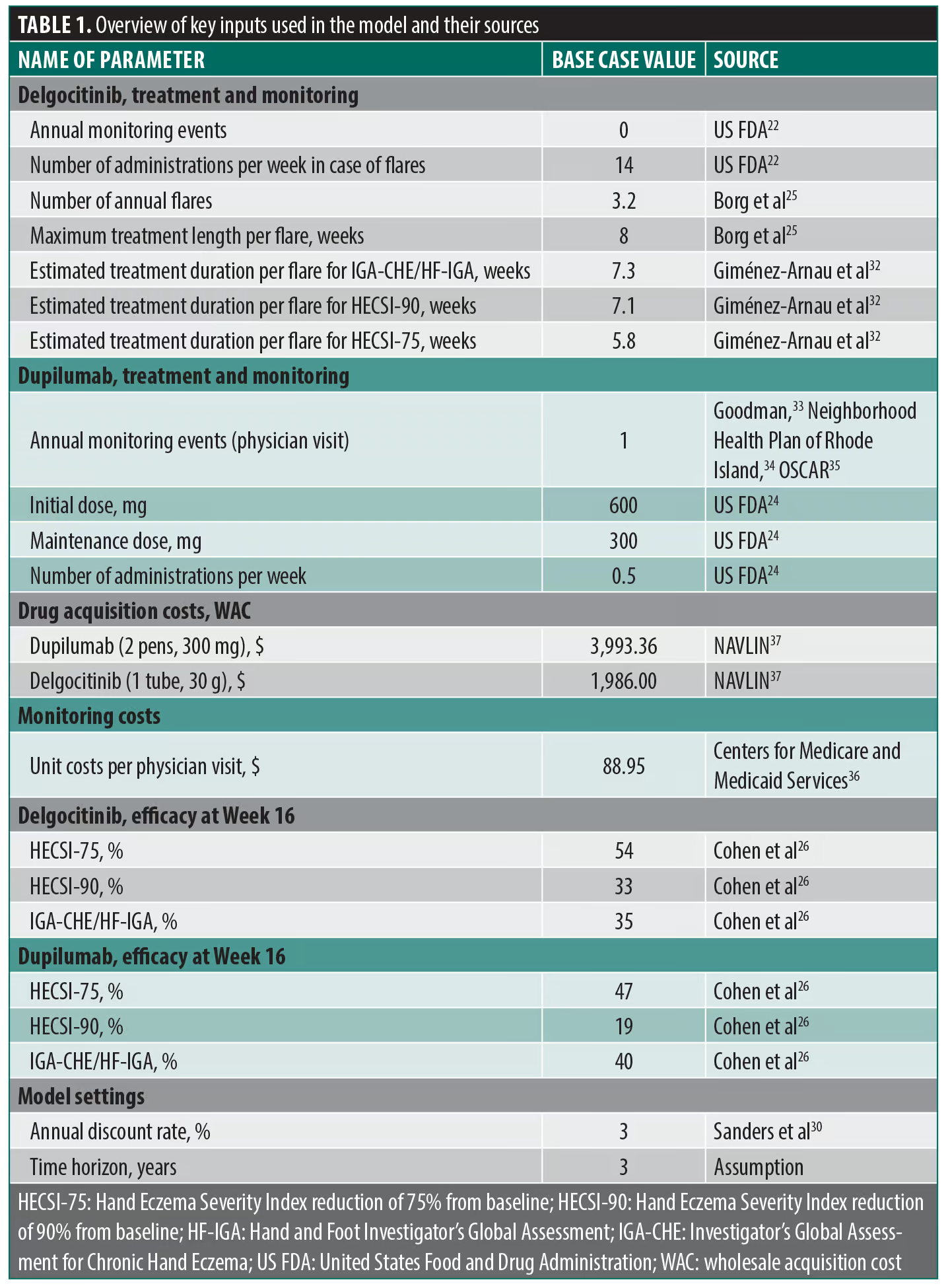
Model overview. The CPR model was developed using Microsoft Excel to compare delgocitinib topical cream to dupilumab SC injection in adults with moderate-to-severe AHE for whom TCS were inadequate or inappropriate. Patients were assumed to remain on their designated treatment of delgocitinib or dupilumab for the entire time horizon of 3 years. The 3-year time horizon was considered adequate to represent all relevant differences in costs. The analysis was conducted from the perspective of a US third-party payer and included direct costs related to drug acquisition and monitoring, expressed in 2025 US dollars. The model used a 1-week cycle length and applied an annual discount rate of 3% in accordance with the Second Panel on Cost-Effectiveness in Health and Medicine.30
The CPR was derived by dividing the total costs by the proportion of patients who achieved a response, measured by the selected outcome measure. The cost per patient (CPP) represented the average treatment CPP.
Measuring responders. Proportions of patients achieving the desired outcome (ie, clear or almost clear hands) were applied in the model to define responders. Due to a lack of head-to-head data for delgocitinib vs dupilumab, these proportions were sourced from the MAIC comparing the efficacy of delgocitinib to that of dupilumab.26 Three outcome measures were considered:
- The proportion of patients achieving an IGA-CHE/HF-IGA score of 0 or 1
- HECSI-90
- HECSI-75
The proportions of patients achieving a response with the selected outcome measure are shown in Table 1.
Cost. Delgocitinib cost was estimated using a flare-based approach, where treatment was administered only during flares, assuming 3.2 flares per year,25 while dupilumab was modeled as continuous therapy.
Delgocitinib was administered twice daily (according to the label), with the consumption per administration being based on clinical trial data.31 As delgocitinib is administered during flares, patients are expected to end treatment when they achieve a positive response (ie, clear or almost clear hands) and start treatment when experiencing a new flare. To reflect this, the treatment duration per flare was estimated based on the percentage of patients achieving a positive response (achieving IGA-CHE/HF-IGA, HECSI-90, or HECSI-75) after 1, 2, 4, and 8 weeks of treatment during a clinical trial32 (treatment duration was capped at 8 weeks in line with the average duration per flare25). Even though the data used to estimate treatment duration per flare were sourced from a population with severe CHE, it is assumed to be applicable to patients with moderate-to-severe AHE. The estimated treatment duration was applied in the analysis and differed depending on the selected outcome measure. The estimated treatment duration per flare is presented in Table 1. To summarize, the average weekly cost for delgocitinib was calculated using the average treatment duration per flare, the number of annual flares, the number of administrations, the milligram (mg) consumption per administration, and the cost per mg of delgocitinib.
Per the FDA label, dupilumab was administered continuously with a 600-mg initial dose followed by 300 mg every 2 weeks.24 The dosing and the cost per mg were used to estimate the total costs. Only monitoring activities differing between dupilumab and delgocitinib were considered in the analysis. Thus, 1 physician visit every year was assumed necessary to monitor patients treated with dupilumab, based on its safety profile and in line with clinical guidelines for dupilumab use in AD.24,33–35 The cost of this visit came from the Centers for Medicare and Medicaid Services physician fee schedule.36
Wholesale acquisition costs for delgocitinib and dupilumab as of October 2025 were applied.37 Treatment-specific inputs and unit costs for both treatment regimens are presented in Table 1.
Sensitivity analyses. To investigate the robustness of the results and understand the impact of variation in key model inputs, deterministic sensitivity analyses (DSA) were conducted by separately varying key parameters by ±20%: proportion of patients achieving an IGA-CHE/HF-IGA score of 0 or 1, HECSI-90, or HECSI-75; flare frequency; maximum treatment duration per flare for delgocitinib; dosage per application; and discount rate. The results of these analyses are presented using tornado diagrams.
Scenario analyses were performed to assess the robustness of the results when the assumption of an annual monitoring event being required for dupilumab was removed. Thus, only drug acquisition costs were compared.
Results
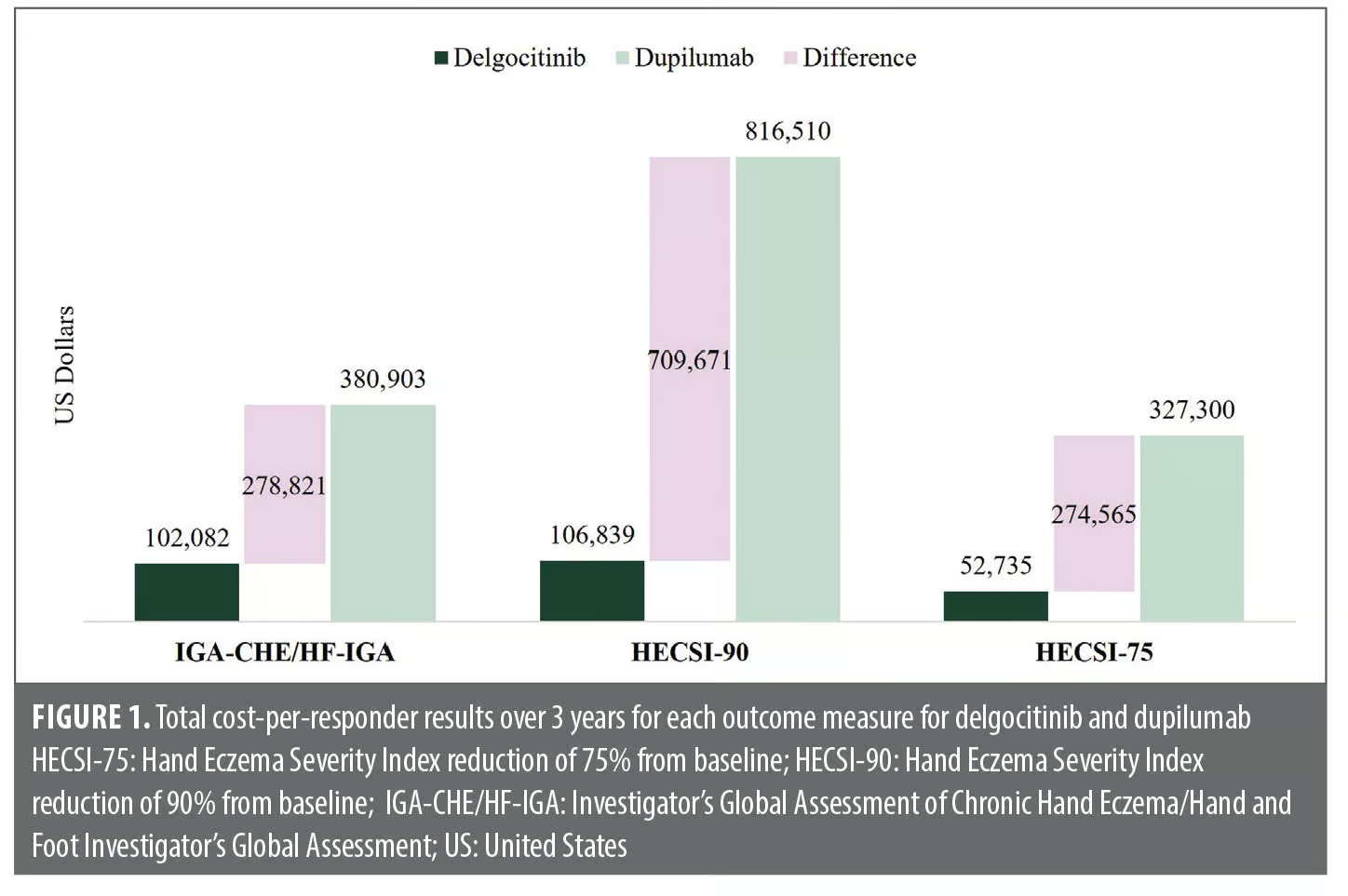
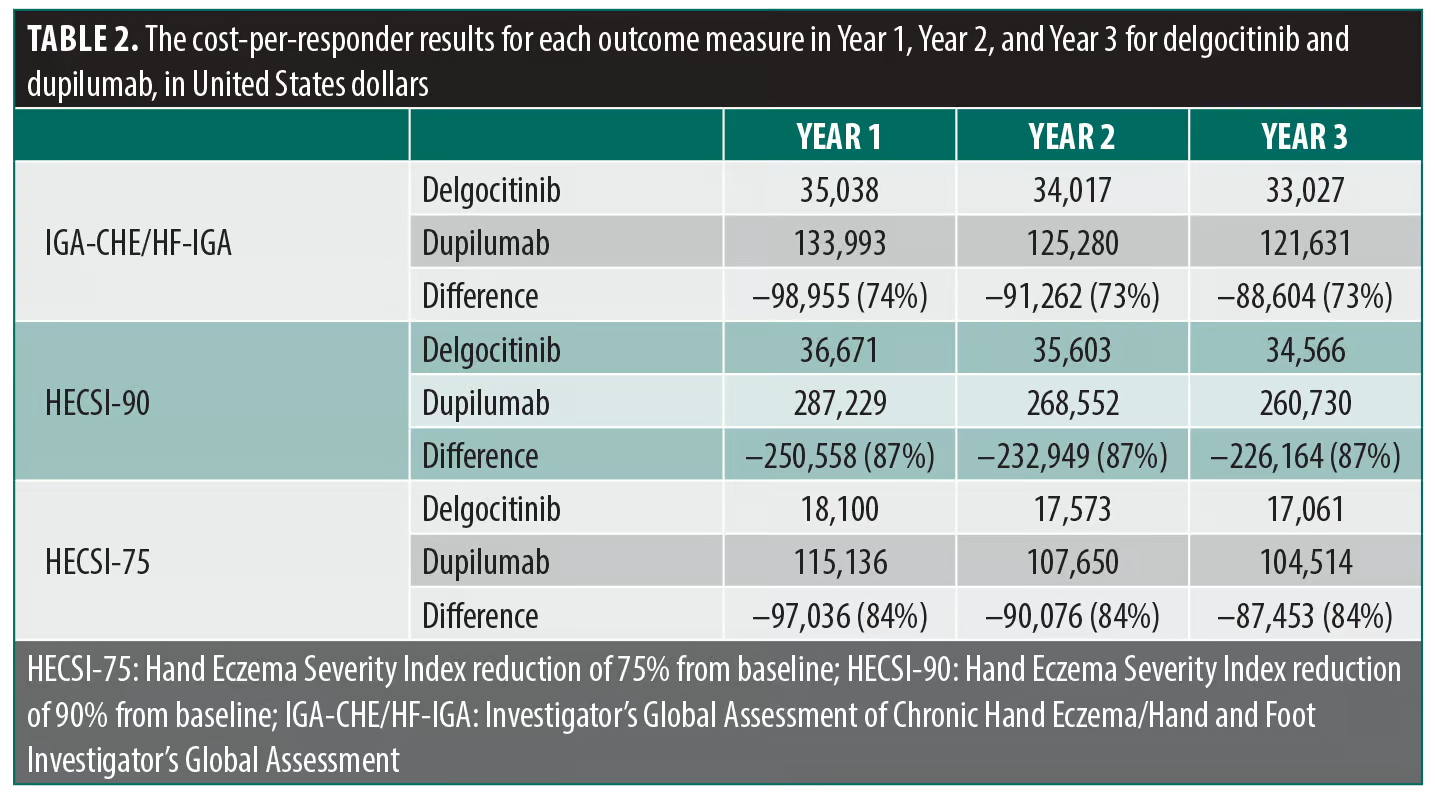
CPR results. Across the 3 outcome measures of IGA-CHE/HF-IGA, HECSI-90, and HECSI-75, the CPR analyses showed that the delgocitinib total CPR was $102,082, $106,839, and $52,735, respectively, over the 3-year time horizon, while the total 3-year CPR of dupilumab was $380,903, $816,510, and $327,300, respectively, over the 3 years. Delgocitinib costs were lower by $278,821, $709,671, and $274,565 for outcome measures IGA-CHE/HF-IGA, HECSI-90, and HECSI-75, respectively, per responder over the period of 3 years. The percentage reduction in CPR from using delgocitinib instead of dupilumab over the 3-year time horizon was 73%, 87%, and 84% using IGA-CHE/HF-IGA, HECSI-90, and HECSI-75, respectively. The CPR over 3 years is presented in Figure 1. Table 2 presents the CPR in more detail.
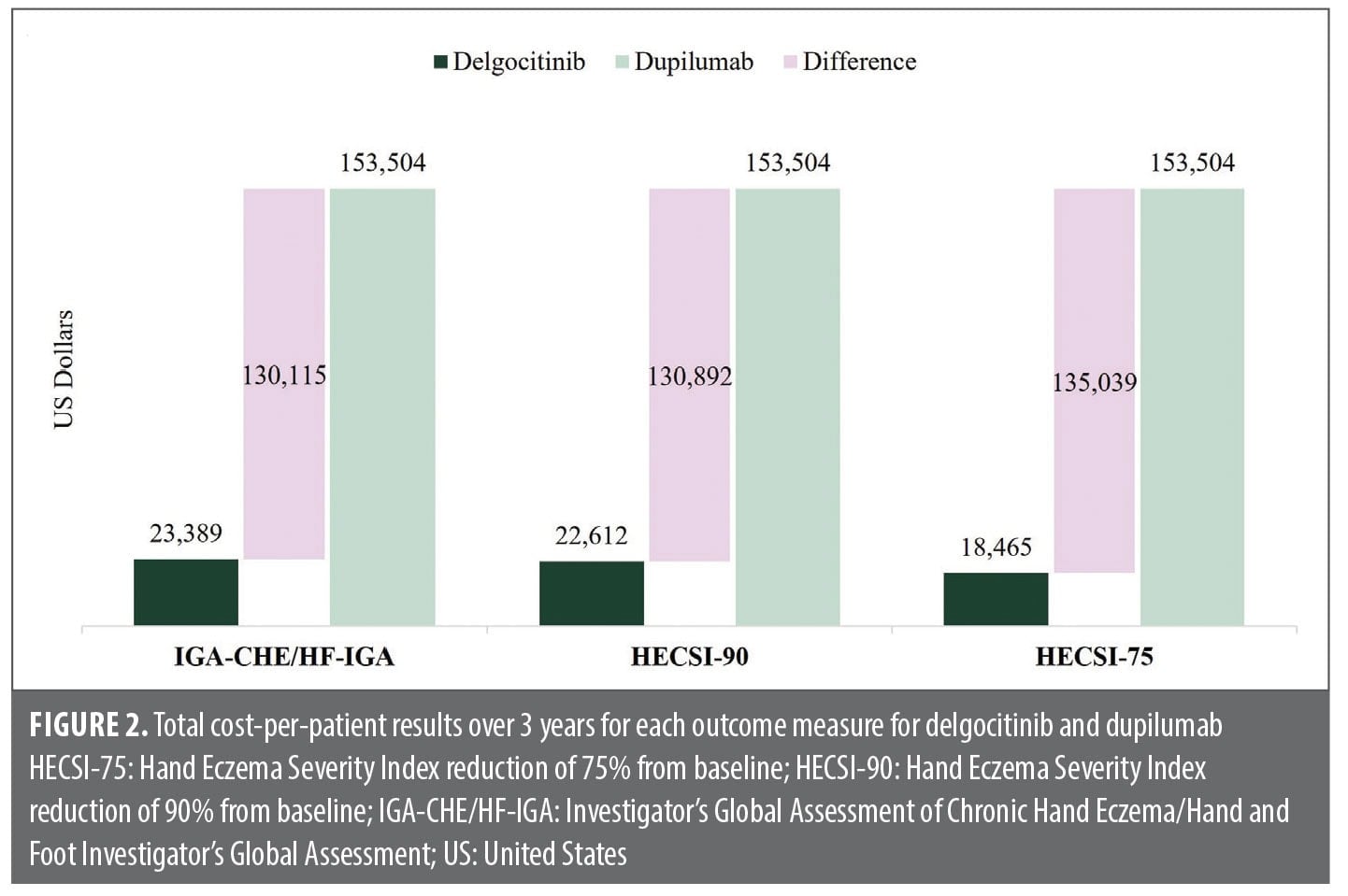
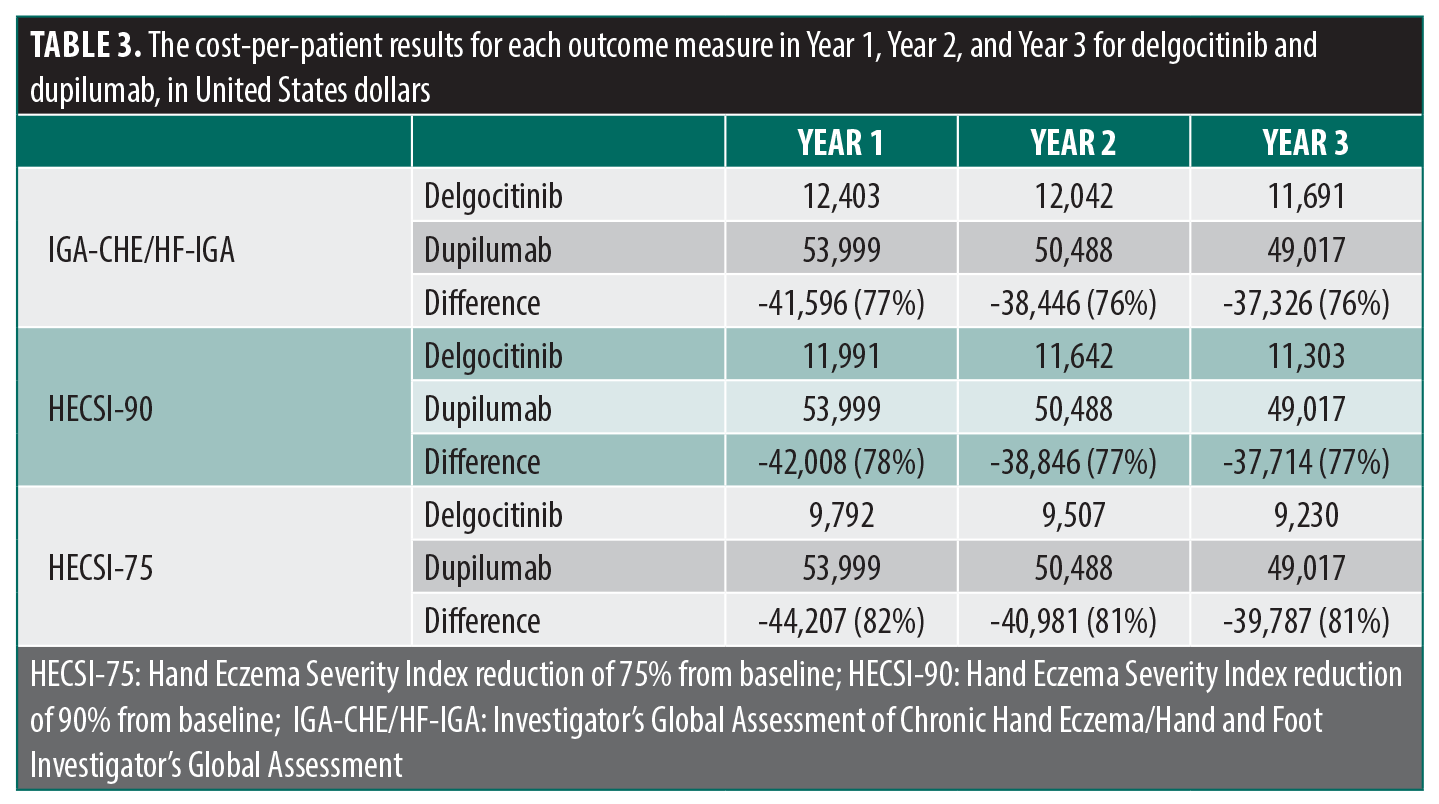
CPP results. The results of the analyses showed that the total CPP for delgocitinib was $28,530 to $36,137 over the 3-year time horizon, depending on the outcome measure used to define responders. The variation in the CPP results for delgocitinib is due to 3 variations in treatment duration. As dupilumab is a continuous treatment, the CPP of dupilumab was $153,504 over the 3-year time horizon, regardless of the outcome measure used to define responders. The cost savings from the use of delgocitinib vs dupilumab ranged from $117,367 to $124,974 (76%–81%) per patient, depending on the outcome measure used to define responders. The CPP over the 3-year time horizon is presented in Figure 2. The CPP results are presented in more detail in Table 3.
Sensitivity analyses. The DSA varied the key parameters by ±20%, including the proportion of patients achieving an IGA-CHE/HF-IGA score of 0 or 1, HECSI-90, or HECSI-75; flare frequency; maximum treatment duration per flare for delgocitinib; dosage per administration; and discount rate. The DSA results are presented in Figure 3 and show the difference in CPR between delgocitinib and dupilumab. The parameters with the greatest impact on CPR were dupilumab efficacy, treatment duration per flare for delgocitinib, delgocitinib efficacy, and the delgocitinib dose per administration.
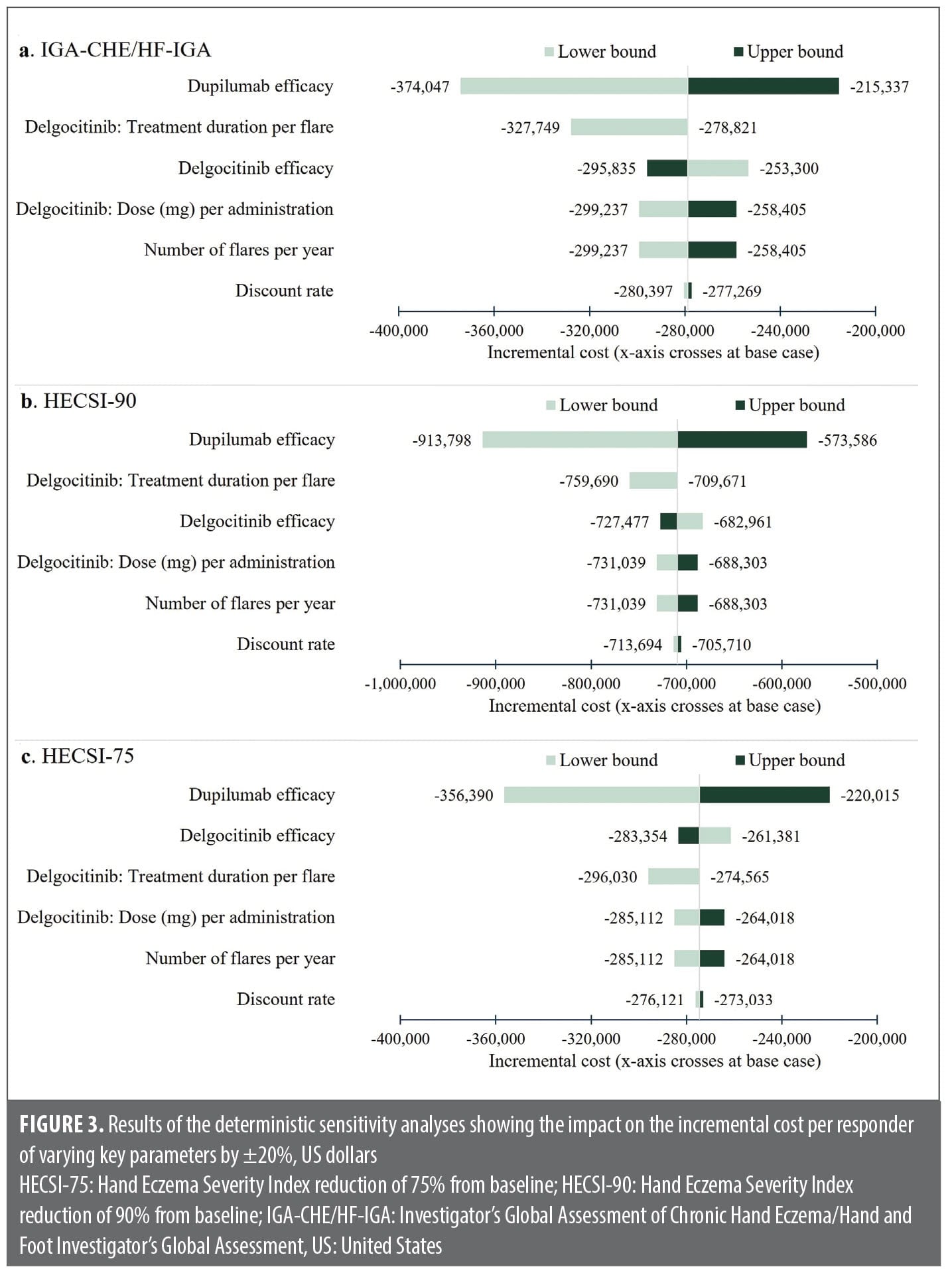
In the analysis using IGA-CHE/HF-IGA to define responders, the DSA showed that varying the 4 most impactful key parameters separately by ±20% resulted in the following differences in CPR between delgocitinib and dupilumab: dupilumab efficacy (–$374,047 to –$215,337), delgocitinib treatment duration per flare (–$327,749 to –$278,821), delgocitinib efficacy (–$295,835 to –$253,300), and delgocitinib dose per administration (–$299,237 to –$258,405); thus, the CPR was lower for delgocitinib vs dupilumab in all instances.
Similarly, in the analysis using HECSI-90, the DSA resulted in the following differences in CPR between delgocitinib and dupilumab for each varied parameter: dupilumab efficacy (–$913,798 to –$573,586), delgocitinib treatment duration per flare (–$759,690 to –$709,671), delgocitinib efficacy (–$727,477 to –$682,961), and delgocitinib dose per administration (–$731,039 to –$688,303). The results indicated that the CPR was lower for delgocitinib vs dupilumab in all instances.
Lastly, in the analysis using HECSI-75, the DSA found the following differences in CPR between delgocitinib and dupilumab for each varied parameter: dupilumab efficacy (–$356,390 to –$220,015), delgocitinib efficacy (–$283,354 to –$261,381), delgocitinib treatment duration per flare (–$296,030 to –$274,565), and delgocitinib dose per administration (–$285,112 to –$264,018); again, results indicated that the CPR was lower for delgocitinib vs dupilumab in all instances.
The DSA thereby showed that delgocitinib remained lower in CPR across all varied parameters regardless of the outcome measure used to define responders.
The scenario analysis showed that excluding monitoring events for dupilumab had a minimal impact on the 3-year savings per responder when comparing delgocitinib to dupilumab. In the analysis using IGA-CHE/HF-IGA, the difference between the base case and the scenario without monitoring costs was $641 ($278,821 vs $278,180). Using HECSI-90, the difference was $1,374 ($709,671 vs $708,297), and for HECSI-75, the difference was $550 ($274,565 vs $274,015).
Discussion
This analysis evaluated the CPR of delgocitinib topical cream vs dupilumab SC injection in adults with moderate-to-severe AHE for whom TCS were inadequate or inappropriate from the perspective of a US third-party payer. To our knowledge, this is the first analysis to assess the CPR of delgocitinib compared to that of dupilumab. The model demonstrated that delgocitinib topical cream had a lower CPR compared to dupilumab SC injection. The 3-year savings per responder when delgocitinib was used instead of dupilumab ranged from $274,565 to $709,671 (73%–87%), dependent on the outcome measure used to define responders. The CPR difference was smallest when using HECSI-75 and largest when using HECSI-90. The large disparity in CPR for dupilumab when using HECSI-90 to define responders compared to using HECSI-75 or IGA-CHE/HF-IGA can be explained by differences in the response rates across the different endpoints. The response rates were 47% for HECSI-75, 40% for IGA-CHE/HF-IGA, and only 19% for HECSI-90 for dupilumab. Since the response rate is used to estimate the CPR by dividing the total cost by the response rate, a lower response rate results in a higher CPR.
The CPP of delgocitinib was also lower than that of dupilumab. The 3-year savings per patient when delgocitinib was used instead of dupilumab ranged from $117,367 to $124,974. While the CPP for delgocitinib was lower than for dupilumab, the savings were larger when considering the CPR. The DSA reinforced the results of the analysis, as the lower CPR of delgocitinib cream vs that of dupilumab SC injection for moderate-to-severe AHE was robust to ±20% variations in key parameters. The 4 parameters most strongly impacting the results were dupilumab efficacy, the maximum treatment duration per flare for delgocitinib, delgocitinib efficacy, and the dose per administration of delgocitinib. The relative impact of each parameter varied depending on the outcome measure selected. Furthermore, the scenario analysis showed that the results were unaffected by removal of the assumption that dupilumab required an annual monitoring event, as the CPR changed by less than $1,400 in all outcome measures. Thus, delgocitinib continued to demonstrate a lower CPR compared to dupilumab in this scenario.
Systemic treatments such as dupilumab typically have more safety considerations than topical treatments.38 A recent budget impact analysis predicted that delgocitinib coverage for moderate-to-severe CHE unsuitable for TCS would reduce monitoring and adverse event costs vs standard care (including systemics) in a hypothetical US commercial health plan.39 In the present study, the costs of adverse events were not included in the model; exclusion of these safety considerations might have resulted in underestimation of cost savings associated with delgocitinib.
In Europe and Canada, alitretinoin is approved for the treatment of severe CHE, and evidence suggests that it may also be used as an off-label treatment for moderate-to-severe CHE.38–42 The CPR of delgocitinib reported in this study was supported by a German analysis that assessed the CPR of delgocitinib vs that of alitretinoin in a population with moderate-to-severe CHE. The German CPR analysis was based on head-to-head efficacy data and showed that delgocitinib had a lower CPR compared to alitretinoin using both IGA-CHE and HECSI-90 to define responders.43 However, alitretinoin is not approved by the FDA and was therefore not considered a comparator in a US setting.
This study focused on patients with AHE because dupilumab is not approved by the FDA for all subtypes of CHE. Since the CPR of delgocitinib in this study was only assessed in the AHE subtype, the study may underestimate the relative value of delgocitinib in the CHE population (including all subtypes). Future research should explore real-world effectiveness and long-term outcomes of delgocitinib and its comparators in the CHE population (including all subtypes). Efficacy data in the CHE population (including all subtypes) could provide stronger evidence for the lower CPR of delgocitinib compared to that of alternative treatments. For now, this study serves as a first step in considering delgocitinib as a low-CPR treatment for CHE in the US.
Strengths and limitations. A key strength of this study lies in the flare-based model structure, which captures the episodic nature of CHE more realistically compared to continuous models. When delgocitinib is modeled as a treatment administered at the discretion of the healthcare provider during CHE flares (rather than as a continuous treatment), the cost of delgocitinib is more accurately predicted and aligns with the expected use. Estimated delgocitinib use in the present analysis was informed by a retrospective chart review of 792 patients with moderate-to-severe CHE treated with topical or systemic therapy, with a mean number of 3.2 flares in a typical 12-month period (SD: 1.7; range: 1–12).25 Flare rate varies between patients; in the present investigation, DSA, which varied the flare rate, supported the conclusions of the primary analysis. Dupilumab was administered continuously in the model to comply with the label.24 In that way, the treatment pathways of both dupilumab and delgocitinib were represented as accurately as possible. Furthermore, the CPR approach was chosen for its simplicity and clinical relevance. Unlike other modeling approaches (eg, cost-utility analyses), CPR directly links treatment cost to achieving a defined clinical response, making it suitable for conditions like AHE. While CPR is easier to interpret and requires fewer assumptions, it does not typically capture long-term health benefits or indirect costs, which are typically addressed in cost-utility analyses. Therefore, CPR analyses should be viewed as a complementary method that provides clear, actionable insights when comparing therapies to different dosing regimens and efficacy profiles.42–45
A limitation of this study was that due to a lack of head-to-head data for delgocitinib vs dupilumab, the response rates used in the model were sourced from an MAIC.26 Indirect comparisons must meet the assumption of transitivity, which requires that studies used in indirect comparisons be comparable in design, study population, outcomes, and interventions.46–48 An MAIC addresses this assumption by matching study populations as identically as possible on selected baseline parameters, thereby allowing comparison. By matching study populations in this way, an MAIC may be more reliable than other indirect comparison methods in which study populations might vary. It could be argued that most characteristics across the studies in the MAIC used in the present analysis met the transitivity assumption. An important potential challenge to the transitivity assumption was that 52% of the patients in the LIBERTY-AD-HAFT trial who received dupilumab had moderate-to-severe AD on body parts other than the hands,29 whereas patients with AD involvement on parts of the body other than the hand were excluded from the DELTA trials. In clinical practice, patients with moderate-to-severe AD involving areas other than the hands and feet may be more likely to receive systemic treatment, such as dupilumab, than topical treatment alone. Adjusting the population in the MAIC to exclude patients with AD involvement beyond the hands could affect the outcome of the MAIC and, thereby, the CPR estimates of the model. However, clinical data indicate that dupilumab efficacy is comparable across anatomical regions,29,49,50 and for the conclusions of the present CPR analysis to change, the efficacy of dupilumab would need to increase dramatically relative to delgocitinib. Thus, minor adjustments in population are unlikely to offset the substantial CPR gap favoring delgocitinib as cost effective compared to dupilumab, as shown in a DSA. Additionally, in the MAIC, the IGA-CHE scale used in the DELTA trials was compared to the HF-IGA scale in the LIBERTY-AD-HAFT trial. While both scales have an equal number of levels, they differ slightly in the description of each level, with the IGA-CHE scale having stricter definitions for the lower levels than the HF-IGA scale does. This could have caused an underestimation of the efficacy of delgocitinib in the comparison.26
Furthermore, before performing the MAIC, some patients had to be excluded. This could render efficacy parameters more uncertain. However, this limitation was partially addressed by the large variations in key parameters in the DSA, which revealed that the CPR results were robust to ±20% changes in the response rates.
Conclusion
The CPR model suggests that delgocitinib topical cream reduces CPR compared to dupilumab SC injection for treating patients with moderate-to-severe AHE. Delgocitinib addresses a critical unmet need and provides clinical and economic value to patients with CHE, payers, and society.
References
- Menné T, Johansen JD, Sommerlund M, et al; Danish Contact Dermatitis Group. Hand eczema guidelines based on the Danish guidelines for the diagnosis and treatment of hand eczema. Contact Dermatitis. 2011;65(1):3–12.
- Lynde C, Guenther L, Diepgen TL, et al. Canadian Hand Dermatitis Management Guidelines. J Cutan Med Surg. 2010;14(6):267–284.
- Diepgen TL, Andersen KE, Chosidow O, et al. Guidelines for diagnosis, prevention and treatment of hand eczema–short version. JDDG J Dtsch Dermatol Ges. 2015;13(1):77–85.
- Weidinger S, Novak N. Hand eczema. Lancet. 2024;404(10470):2476–2486.
- Chovatiya R, Balu S, Bin Sawad A, et al. Prevalence of self-reported physician diagnosis of Chronic Hand Eczema in adults: a cross-sectional study of more than 10,000 participants in the general population – results from the CHECK study in the United States. Poster presented at: 45th Annual Fall Clinical Dermatology Conference; 23–26 Oct 2025; Las Vegas, Nevada.
- Quaade AS, Simonsen AB, Halling AS, et al. Prevalence, incidence, and severity of hand eczema in the general population – a systematic review and meta-analysis. Contact Dermatitis. 2021;84(6):361–374.
- Apfelbacher C, Bewley A, Molin S, et al. Prevalence of chronic hand eczema in adults: a cross-sectional survey of over 60 000 respondents from the general population of Canada, France, Germany, Italy, Spain and the UK. Br J Dermatol. 2025;192(6):1047–1054.
- Bauer A, Brans R, Brehler R, et al. S2k guideline diagnosis, prevention, and therapy of hand eczema. JDDG J Dtsch Dermatol Ges. 2023;21(9):1054–1074.
- Simpson E, Balu S, Bin Sawad A, et al. Demographics and Clinical Characteristics of Chronic Hand Eczema patients – Results from the CHECK study in the United States. SKIN J Cutan Med. 2025;9(6):s674.
- Grant L, Seiding Larsen L, Burrows K, et al. Development of a Conceptual Model of Chronic Hand Eczema (CHE) Based on Qualitative Interviews with Patients and Expert Dermatologists. Adv Ther. 2020;37(2):692–706.
- Rönsch H, Schiffers F, Ofenloch R, et al. Chronic hand eczema in Europe: patient experiences and perspectives (CHEPEP) in qualitative interviews. J Eur Acad Dermatol Venereol. 2023;37(7):1396–1405.
- Simpson E, Balu S, Bin Sawad A, et al. The impact of Chronic Hand Eczema on occupation, work productivity and activity impairment – results from the CHECK study in the United States. Poster presented at: 45th Annual Fall Clinical Dermatology Conference; 23–26 Oct 2025; Las Vegas, Nevada.
- Capucci S, Hahn-Pedersen J, Vilsbøll A, Kragh N. Impact of Atopic Dermatitis and Chronic Hand Eczema on Quality of Life Compared With Other Chronic Diseases. Dermatitis. 2020;31(3):178–184.
- Armstrong A, Hahn-Pedersen J, Bartlett C, et al. Economic Burden of Chronic Hand Eczema: A Review. Am J Clin Dermatol. 2022;23(3):287–300.
- Brook RA, Bin Sawad A, Beren IA, et al. Hand Eczema Workers’ Compensation Claims: Real-World Data Analysis in the United States. Poster presented at: 45th Annual Fall Clinical Dermatology Conference; 23–26 Oct 2025; Las Vegas, Nevada.
- Thyssen JP, Schuttelaar MLA, Alfonso JH, et al. Guidelines for diagnosis, prevention, and treatment of hand eczema. Contact Dermatitis. 2022;86(5):357–378.
- Del Rosso JQ, Cash K. Topical Corticosteroid Application and the Structural and Functional Integrity of the Epidermal Barrier. J Clin Aesthet Dermatol. 2013;6(11):20–27.
- Harvey J, Lax SJ, Lowe A, et al. The long‐term safety of topical corticosteroids in atopic dermatitis: systematic review. Skin Health Dis. 2023;3(5):e268.
- Egeberg A, Schlapbach C, Haugaard JH, et al. Adverse events from topical corticosteroid use in chronic hand eczema – findings from the Danish Skin Cohort. JAAD Int. 2023;14:77–83.
- Ghezzi G, Falcidia C, Paolino G, et al. Chronic Hand Eczema (CHE): A Narrative Review. Dermatol Ther. 2025;15(4):771–795.
- Cortesi PA, Scalone L, Belisari A, et al. Cost and quality of life in patients with severe chronic hand eczema refractory to standard therapy with topical potent corticosteroids. Contact Dermatitis. 2014;70(3):158–168.
- Anzupgo. Prescribing information. LEO Pharma; revised Jul 2025. Accessed 2 Sep 2025. https://www.accessdata.fda.gov/drugsatfda_docs/label/2025/219155s000lbl.pdf
- Tanimoto A, Ogawa Y, Oki C, et al. Pharmacological properties of JTE-052: a novel potent JAK inhibitor that suppresses various inflammatory responses in vitro and in vivo. Inflamm Res. 2015;64(1):41–51.
- Dupixent. Prescribing information. Regeneron Pharmaceuticals, Inc; revised May 2020. Accessed 2 Sep 2025. https://www.accessdata.fda.gov/drugsatfda_docs/label/2020/761055s020lbl.pdf
- Borg E, Munro D, Thoning H. The management of Chronic Hand Eczema: a retrospective patient record review. Contact Dermatitis. 2024;90(4):365–371.
- Cohen D, Bewley A, Wollenberg A, et al. Matching-Adjusted Indirect Comparison of the Efficacy of Delgocitinib Cream and Dupilumab in the Treatment of Moderate to Severe Atopic Hand Eczema. Dermatol Ther (Heidelb). 2026;16(1):423–436.
- Giménez-Arnau A, Bewley A, Apfelbacher C, et al. Physician-Reported Treatment Patterns in Moderate to Severe Chronic Hand Eczema: the RWEAL Multinational Medical Chart Review. Dermatol Ther (Heidelb). 2025;15(12):3577–3592.
- Bissonnette R, Warren RB, Pinter A, et al. Efficacy and safety of delgocitinib cream in adults with moderate to severe chronic hand eczema (DELTA 1 and DELTA 2): results from multicentre, randomised, controlled, double-blind, phase 3 trials. Lancet. 2024;404(10451):461–473.
- Simpson EL, Silverberg JI, Worm M, et al. Dupilumab treatment improves signs, symptoms, quality of life, and work productivity in patients with atopic hand and foot dermatitis: results from a phase 3, randomized, double-blind, placebo-controlled trial. J Am Acad Dermatol. 2024;90(6):1190–1199.
- Sanders GD, Neumann PJ, Basu A, et al. Recommendations for Conduct, Methodological Practices, and Reporting of Cost-effectiveness Analyses: Second Panel on Cost-Effectiveness in Health and Medicine. JAMA. 2016;316(10):1093–1103.
- Gooderham M, Molin S, Bissonnette R, et al. Long-term safety and efficacy of delgocitinib cream for up to 52 weeks in adults with Chronic Hand Eczema: Results of the phase 3 open-label extension DELTA 3 trial following the DELTA 1 and 2 trials. J Am Acad Dermatol. 2025;93(1):95–103.
- Giménez-Arnau AM, Pinter A, Sondermann W, et al. Efficacy and safety of topical delgocitinib cream versus oral alitretinoin capsules in adults with severe chronic hand eczema (DELTA FORCE): a 24-week, randomised, head-to-head, phase 3 trial. Lancet. 2025;405(10490):1676–1688.
- Goodman F. Dupilumab (DUPIXENT) in Atopic Dermatitis Criteria for Use. August 2024. Accessed 28 Oct 2025.
https://www.va.gov/formularyadvisor/DOC_PDF/CFU_Dupilumab_DUPIXENT_in_Atopic_Dermatitis_Criteria_Rev_Aug_2024.pdf - Neighborhood Health Plan of Rhode Island. Enhanced Speciality Guideline Management Dupixent (dupilumab). October 2024. Accessed 31 Oct 2025. https://www.nhpri.org/wp-content/uploads/2024/12/Medicaid_Dupixent_aCAS20241030.rx_.pdf
- OSCAR. Oscar Clinical Guideline: Dupixent (dupilumab) (PG026, Ver. 13). October 2024. Accessed 31 Oct 2025. https://bit.ly/4h5i8Go
- Centers for Medicare and Medicaid Services (CMS). Physician Fee Schedule. Accessed 3 Sep 2025. https://www.cms.gov/medicare/physician-fee-schedule/search?Y=0&T=4&HT=0&CT=3&H1=99213&M=5
- NAVLIN. Global pricing and market access database. Accessed 4 Sep 2025. https://data.navlin.com/alspc/#!/
- Mirali S, Drucker AM. New Topical and Systemic Treatments for Atopic Dermatitis. Clin Exp Allergy. 2025;55(11):1057–1069.
- Singh-Landa J, Bin Sawad A, Bappoo Y, et al. Budget impact analysis of delgocitinib for moderate to severe Chronic Hand Eczema in the United States. J Med Econ. 2026;29(1):1555–1564.
- European Medicines Agency. Retinoid-containing medicinal products – referral. 8 July 2016. Accessed 4 Sep 2025. https://www.ema.europa.eu/en/medicines/human/referrals/retinoid-containing-medicinal-products
- Toctino. Product Monograph. Stiefel, a GSK Company; revised 25 Jul 2017. Accessed 4 Sep 2025. https://pdf.hres.ca/dpd_pm/00040296.PDF
- Shi VY, Sivamani RK, Maibach H. Alitretinoin for the treatment of chronic hand eczema: clinical rationale. Clin Investig. 2014;4(8):763–773.
- Apol E, Thoning H, Kock V. Cost-per-responder analysis of delgocitinib cream versus oral alitretinoin for the treatment of moderate-to-severe chronic hand eczema in Germany. Poster presented at: Arbeitsgemeinschaft für Berufs- und Umweltdermatologie (ABD) Conference; 26–28 Jun 2025; Heidelberg, Germany.
- Augustin M, Wirth D, Mahlich J, et al. Cost per responder analysis of guselkumab versus targeted therapies in the treatment of moderate to severe plaque psoriasis in Germany. J Dermatol Treat. 2022;33(2):976–982.
- Godding LTH, Seyger MMB, Duvetorp A, et al. Real-world Cost per Responder Among Different Classes of Biologics for the Treatment of Psoriasis. Acta Derm Venereol. 2025;105:adv42767.
- Park SH, Han X, Lobo F, et al. A Cost per Responder Model for Abatacept versus Adalimumab Among Rheumatoid Arthritis Patients with Seropositivity. Clin Outcomes Res. 2020;12:589–594.
- United States Centers for Disease Control and Prevention. Part V: Cost-Effectiveness Analysis. August 2016. Accessed 30 Oct 2025. https://www.cdc.gov/cardiovascular-resources/media/pdfs/Economic-Evaluation-Part5.pdf
- Tingle SJ, Kourounis G, Liu F, et al. Simple tool implementing Bucher’s method for indirect treatment comparisons in meta-analyses. BMJ Evid-Based Med. 2025;30(2):130–133.
- Blauvelt A, Rosmarin D, Bieber T, et al. Improvement of atopic dermatitis with dupilumab occurs equally well across different anatomical regions: data from phase III clinical trials. Br J Dermatol. 2019;181(1):196–197.
- Blauvelt A, de Bruin-Weller M, Simpson EL, et al. Dupilumab with Topical Corticosteroids Provides Rapid and Sustained Improvement in Adults with Moderate-to-Severe Atopic Dermatitis Across Anatomic Regions Over 52 Weeks. Dermatol Ther. 2022;12(1):223–231.
From the 2nd Annual RAPIDS Immuno-Dermatology Conference: From Approval to Adoption—Translating Innovation Into Clinical Practice