
J Clin Aesthet Dermatol. 2026;19(8 Suppl 2):5–16.
Kamakshi Zeidler, MD, FACS; Annie Chiu, MD; Mona Sadeghpour, MD; Cheryl Burgess, MD, FAAD; Noelle Sherber, MD; Terrence Keaney, MD, FAAD; Amir Moradi, MD; Heather Woolery-Lloyd, MD, FAAD; Agnesa Avanesian, PhD; Nazanin Ashourian, PhD; Sara Sangha, PhD; Alda Karic, PharmD; and Elena Dimitrijevic, PhD
Dr. Zeidler is with Aesthetx, San Francisco Bay Area, California. Dr. Chiu is with The Derm Institute, Redondo Beach, California. Dr. Sadeghpour is with SkinMed Institute, Pittsburgh, Pennsylvania. Dr. Burgess is with the Center for Dermatology and Dermatologic Surgery, Washington, District of Columbia. Dr. Sherber is with SHERBER + RAD, Washington, District of Columbia. Dr. Keaney is with SkinDC, Arlington, Virginia. Dr. Moradi is with Moradi M.D., Carlsbad, California. Dr. Woolery-Lloyd is with the Department of Dermatology and Cutaneous Surgery, University of Miami School of Medicine, Miami, Florida. Drs. Avanesian, Ashourian, Sangha, Karic, and Dimitrijevic are with Allergan Aesthetics, an AbbVie company, Irvine, California.
FUNDING: Funding for this supplement was provided by Allgeran Aesthetics, an AbbVie company, and Research Execute Learn.
Abstract: OBJECTIVE: The rapid growth of aesthetic medicine highlights the need to understand patient concerns beyond traditionally studied groups. As the first in a series on facial and body aesthetic concerns and treatment interests among diverse United States (US)-based adults, this study reports generational differences among female participants. METHODS: An online survey was conducted from February 2022 to April 2022. Eligible participants (aged 22–85 years) expressed interest in improving facial and/or body appearance and willingness to seek professional treatment. From 41 facial and 31 body characteristics, participants identified those they had and found bothersome and those they might have professionally treated within a year. Maximum Difference scaling ranked bothersomeness and determined participant preferences for 48 treatments. RESULTS: Of 3,974 participants, 82.4% (3,273) identified as female (including 4 transgender women), 17.5% (697) as male (including 3 transgender men), and 0.1% (4) as nonbinary. Among female participants, 15.0% were Generation Z/young millennial (aged ≤30 years), 36.1% older millennials (31–41 years), 33.4% Generation X (42–57 years), and 15.6% 58+ (≥58 years). Common concerns included dark circles under the eyes and stubborn body fat. Younger cohorts prioritized treating acne scars and stubborn body fat; older cohorts prioritized upper facial lines and sagging skin. Shared priorities included dry skin (face and body). Popular treatments included facials, neurotoxins, and nonsurgical fat reduction. LIMITATIONS: Survey data may be subject to self-reporting bias. CONCLUSION: This represents the largest US survey to date on aesthetic concerns and interests for face and body. Findings reflect intergenerational trends among US women, offering actionable insights for personalized, patient-centered education and foundation for future analyses. Keywords: Aesthetic medicine, aesthetic treatments, body contouring, diversity, facial aesthetics, fillers, noninvasive fat reduction, toxins, survey, maximum difference scaling
Introduction
Aesthetic procedures, encompassing both face and body treatments, have surged in popularity in the 21st century.1,2 With more individuals seeking aesthetic treatments, it is important to understand the aesthetic concerns and preferences from a patient perspective. Prior research on aesthetic concerns has primarily focused on facial concerns among predominantly White female participants. Little is published regarding aesthetic interests related to the body or collective facial and body concerns across diverse patient populations.3
Two reports based on survey data from aesthetically inclined men and women in the United States (US) were among the first to explore the facial areas and facial aesthetic concerns that lead individuals to seek aesthetic treatments.4,5 These studies, which mostly included data from White individuals, revealed shared and gender-specific facial features of high treatment priority. Later reports based on survey data expanded on these findings in individuals from diverse racial, ethnic, and cultural backgrounds. Specifically, a series of studies based on survey data from Asian American,6 Hispanic American,7 and African American8 women in the United States captured nuanced data related to each demographic’s facial concerns, aesthetic treatment interests, and motivations and barriers to seeking treatment. While the desire to look youthful and to look good for one’s age were consistently reported as the top reasons for seeking aesthetic treatments, facial concerns and areas of highest treatment priority differed between women of different races and ethnicities and generational cohorts, highlighting distinct aesthetic concerns and treatment interests among these diverse and multigenerational patients.6–8 Such differences emphasize the need for understanding the priorities of diverse patients.
To further identify the aesthetic inclinations of diverse patients, the present study aimed to elucidate how aesthetic interests and concerns related to the face and body differ by race and ethnicity, age, and sex/gender. As the first in a series, this overview will detail the dataset, study methodology, and aesthetic concerns and interest in professional aesthetic treatments specifically for female respondents from different generations. The results from this survey study can be used to tailor the consultation process and facilitate a patient-centered approach to aesthetic treatment, with the goal of enhancing outcomes.
Methods
Study design. This study was conducted through an anonymous online survey administered by Research Learn Execute. The survey ran from February 25, 2022, to April 5, 2022, and all participants were blinded to the sponsor company before beginning the survey. The survey included questions that aimed to understand 4 general areas: (A) participant preference for treating the face vs the body; (B) characteristics of the face and body considered most bothersome; (C) characteristics of the face and body with the highest likelihood of treatment; and (D) the aesthetic treatments that participants were most interested in receiving.
Methodology. (A) To assess participant concerns regarding their facial vs body appearance, participants responded to the question, “When you think about your appearance overall, are you more concerned about the appearance of your body or the appearance of your face?” Participants indicated their response using a 5-point scale, with options to indicate “substantial” or “somewhat” greater concern for the appearance of their face or body or to express “equal concern” for both face and body. Results from the 5-point scale were consolidated into 3 response categories: “greater concern for face,” “greater concern for body,” or “equal concern for face and body.”
(B) To determine bothersome facial and body characteristics, participants were first presented with 41 facial and 31 body characteristics and were asked to select those they both had and found bothersome. The characteristics were determined based on consultation with subject matter experts (eg, aesthetic dermatologists and plastic surgeons in US). The percentage of respondents bothered by each characteristic was calculated to determine the frequency of each characteristic being reported as bothersome for a respective population.
Next, to determine the degree of bothersomeness, participants ranked which facial and body concerns were most and least bothersome in each respective category using a Maximum Difference (MaxDiff) scaling framework. MaxDiff scaling is used extensively in healthcare research and was selected for this analysis due to its ability to discern greater differentiation on preference dynamics compared to traditional scales.4–8 Here, the MaxDiff methodology involved presenting participants with characteristics in randomized sets of 5 and asking them to select the most and least bothersome characteristics in each set. Facial and body characteristics were presented separately to participants. The results produced a relative ranking for each characteristic, expressed as a percentage from 0% to 100%, indicating how often a characteristic was chosen as the most bothersome (MaxDiff score). Top aesthetic concerns were defined as characteristics that were both frequently reported as bothersome and had high MaxDiff scores.
(C) To understand which characteristics participants wanted to treat, participants were asked to choose from the same 41 facial and 31 body characteristics and to select those that they were likely to have professionally treated within the next year. The percentage of respondents who had the characteristic and indicated “probably will” or “definitely will” seek treatment for each characteristic was compared to top aesthetic concerns identified previously.
(D) To determine participants’ relative interest in a range of aesthetic treatments, MaxDiff scaling was also applied here, where participants were presented with 48 facial or body treatments, grouped into categories such as injectables, surgical treatments, noninvasive body contouring procedures, and skincare procedures, and asked about their likelihood of receiving each within the next year.
This survey study adhered to the EphMRA Code of Conduct and the International Code of Marketing and Social Research Practice. Participants were informed about data collection and privacy measures, including the anonymization of responses and the option to withdraw from the survey at any time. Completion of the survey required participants to provide informed consent by agreeing to these terms.
Participants. All participants in this study self-reported their age, racial or ethnic background, and sex/gender. For racial and ethnic data, participants were asked to select the description that best captures their race/origin (American Indian/Alaskan Native; Southeast/East Asian; Asian Indian; Central/Southwest Asian; Black or African American; Hispanic, Latino, or Spanish; Middle Eastern; Pacific Islander; or White). Participants were then asked further detail on their specific race or origin. Additionally, participants had the option to select multiracial and to specify other race or origin.
For sex/gender, participants were asked to select that with which they most identify. Response options included female, male, transgender female, transgender male, and nonbinary. Body mass index (BMI) was calculated based on participant self-reported height and weight. Fitzpatrick skin phototype was determined based on a composite score from participant responses to key criteria including eye and hair color, presence of freckles, sun exposure, and tanning.
Eligible participants were adults, aged 22 to 85 years, residing in the United States. Inclusion criteria required participants to be aesthetically inclined (ie, expressed interest in enhancing their facial and/or body appearance and were willing to pursue professional treatments) with an annual income of at least $35,000.
Statistical analyses. All analyses were performed using weighted totals to account for demographic distributions within the US population. Comparisons between age/generation groups were conducted against the overall participant population weighted by race/ethnicity and age/generation, respectively, based on 2022 US Census data.9
Results
Participant demographics. Participant sex/gender. Data were collected from 3,974 participants who met the inclusion criteria and completed the survey, encompassing those who self-identified as female (n=3,273; 82.4%), male (n=697; 17.5%), and nonbinary (n=4; 0.1%; Table 1). There were 3 respondents who self-identified as transgender men and were included in analyses for the male population and 4 who self-identified as transgender women and were included in analyses for the female population. Due to the small number of nonbinary respondents, these participants’ data are only included in demographics results.
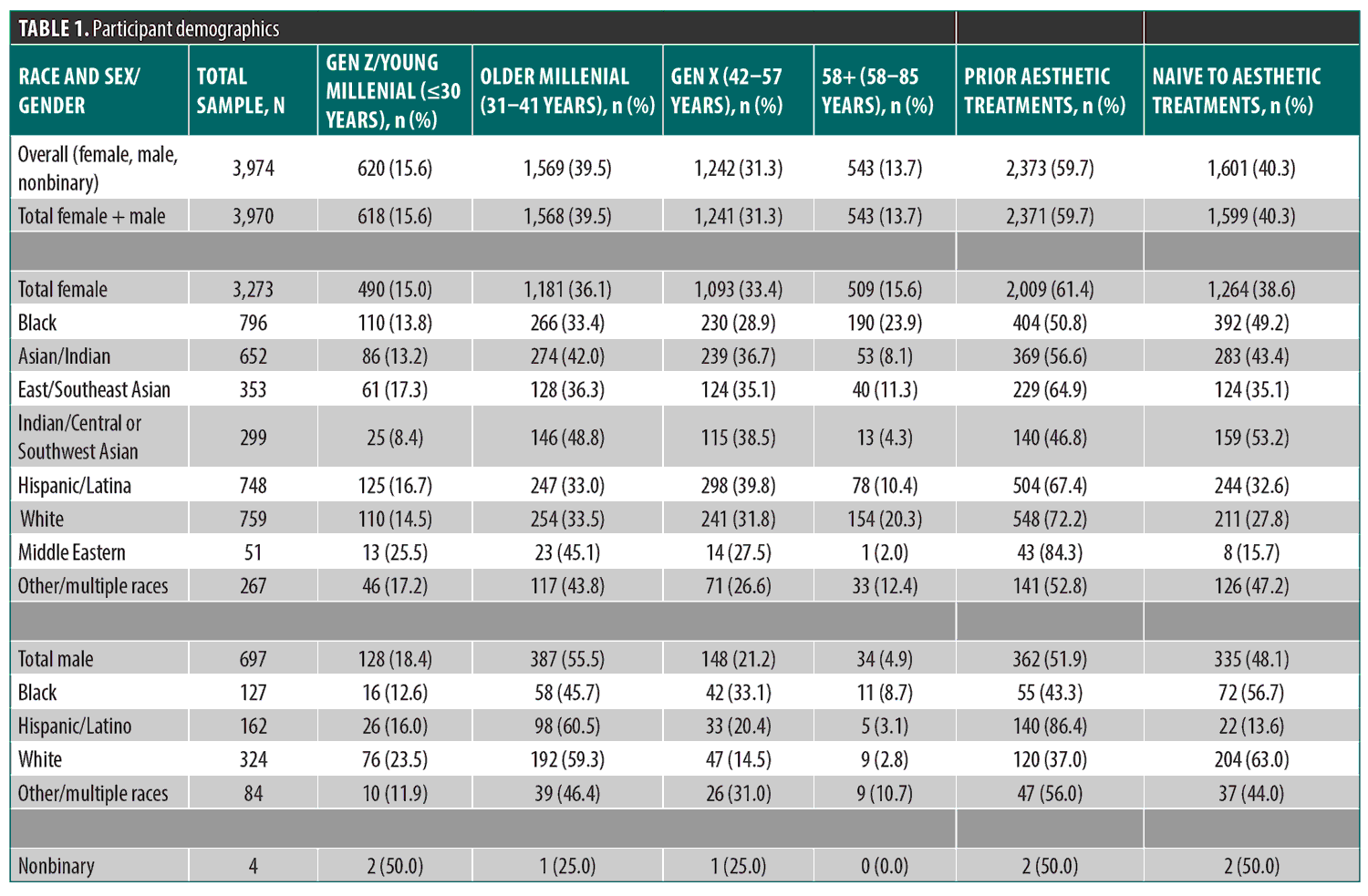
Participant age. Based on self-reported age at study entry, 15.6% (n=620) of participants were Generation Z/young millennial (aged ≤30 years), 39.5% (n=1,569) were older millennial (31–41 years), 31.2% (n=1,242) were Generation X (42–57 years), and 13.7% (n=543) were 58+ (58–85 years). The breakdown of age by sex/gender and race/ethnicity group is presented in Table 1.
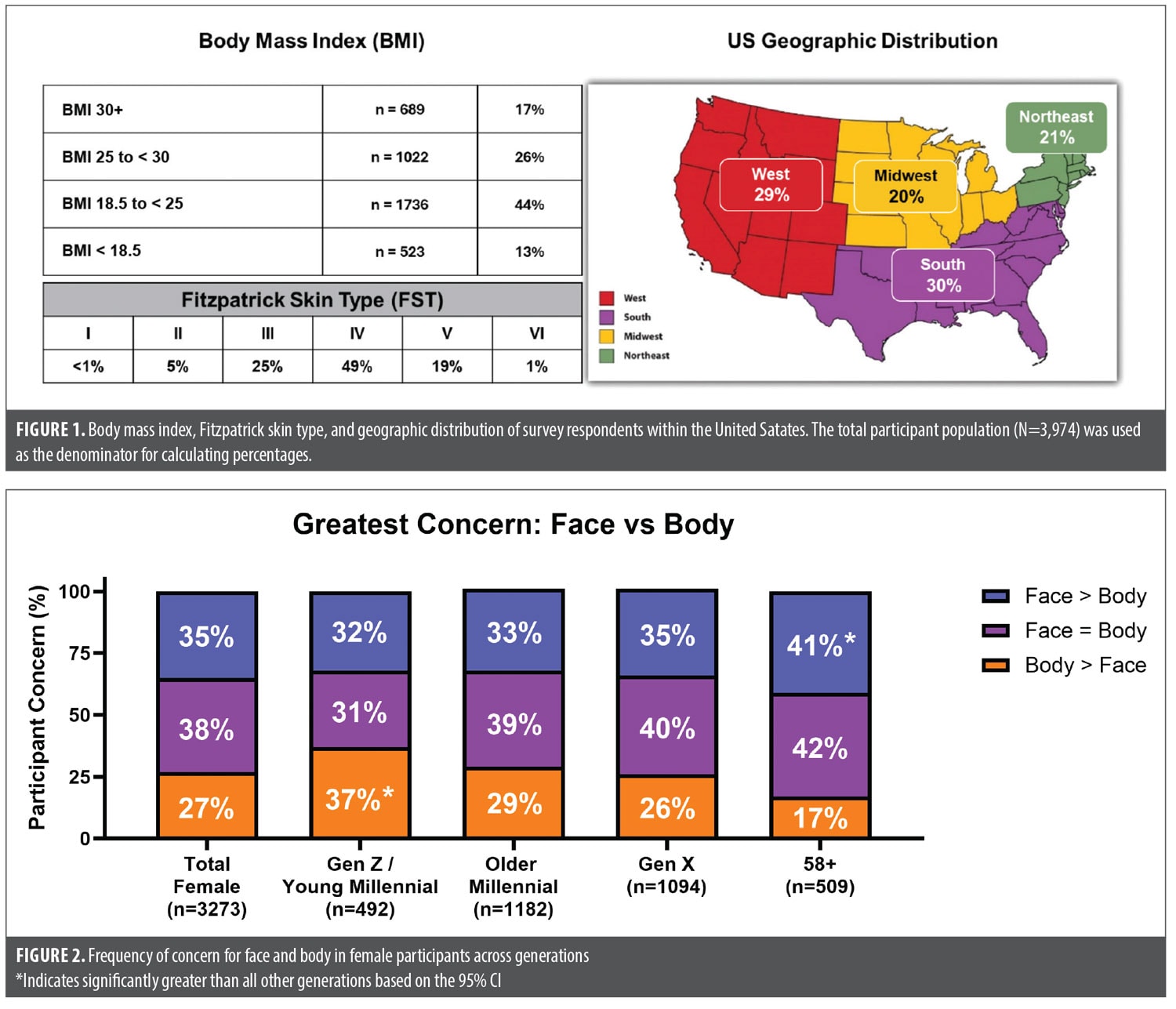
Geographic location. Participants represented a wide geographic area across the United States, with 29% residing in Western states, 20% in the Midwest, 30% in the South, and 21% in the Northeast (Figure 1).
Prior aesthetic experience. In total, 59.4% (n=2,361) of all participants indicated prior experience with aesthetic treatments, and 40.6% of participants (n=1,613) indicated no prior experience. The breakdown of prior aesthetic experience by sex/gender, age group, and race/ethnicity group is presented in Table 1.
BMI. Participant BMI was as follows: 524 participants (13.2%) had a BMI <18.5 kg/m2, 1,737 (43.7%) had a BMI of 18.5 to <25 kg/m2, 1,023 (25.7%) had a BMI of 25 to <30 kg/m2, and 609 (15.3%) had a BMI ≥30 kg/m2 (Figure 1).
Fitzpatrick skin phototype. The study encompassed a diverse range of skin types, races, and ethnicities. Fitzpatrick skin phototypes were represented as follows: <1% of participants (n=12) had skin phototype I, 5.43% (n=216) had phototype II, 25.2% (n=1,000) had phototype III, 48.5% (n=1,929) had phototype IV, 19.4% (n=771) had phototype V, and 1.2% (n=46) had phototype VI (Figure 1).
Race and ethnicity. In total, 17.6% (n=700) of participants identified as Asian, which included East/Southeast Asian (n=392) and Indian/Central or Southwest Asian (n=308); 23.2% (n=923) identified as Black/African American; 22.9% (n=910) identified as Hispanic/Latino; 27.3% (n=1,084) identified as White; 1.3% (n=52) of participants identified as Middle Eastern; and 7.7% (n=305) identified as multiracial (Table 1).
The following results represent the findings for the female respondents across different generations. Data for female respondents from different racial and ethnic groups (Asian, Black, Hispanic/Latino, White) and male participants will be presented in subsequent publications.10–14
Aesthetic concern: face vs body. Participants were surveyed to determine whether they were more concerned about the appearance of their face or their body. Overall, 38% of female participants (n=1,244/3,273) expressed equal concern with the appearance of their face and body, 35% (n=1,146/3,273) indicated greater concern with the appearance of their face, and 27% (n=883/3,273) indicated greater concern with the appearance of their body (Figure 2). This relationship changed based on generation, with facial appearance becoming a greater concern with age. Generation Z/young millennial female participants (n=492) were significantly more concerned with the appearance of their body than any other generation (37%) and had lower concern with the appearance of their face. Older millennial (n=1,182) and Generation X (n=1,094) female participants had similar rates of concern for their face and body, while the 58+ age group (n=509) expressed a significantly greater concern for their face (41%) than any other generation and had the lowest concern for the appearance of their body.
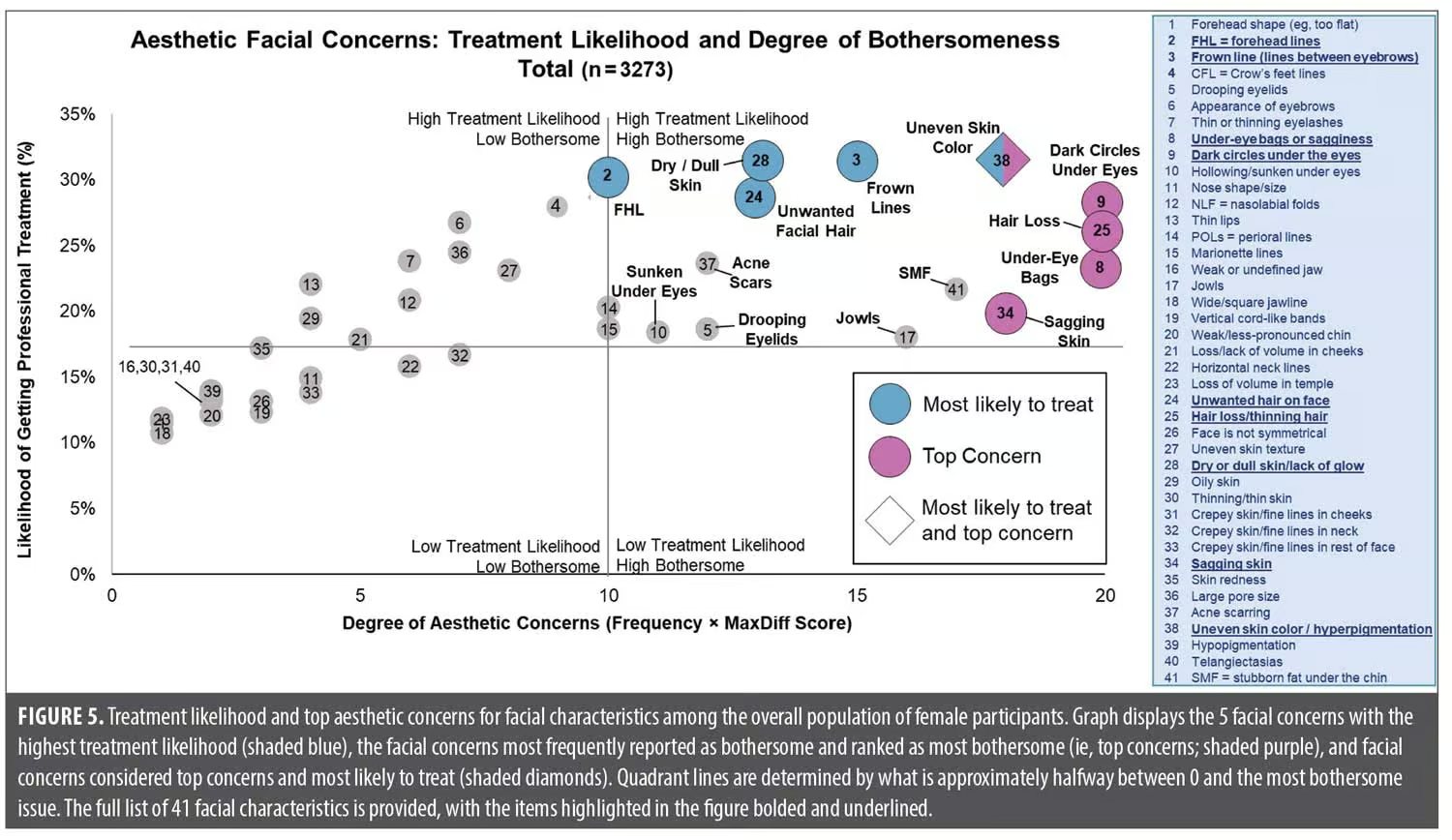
Top aesthetic concerns: face. Frequency of bothersome facial concerns. Among 41 facial concerns, the most frequently bothersome characteristic reported by female participants overall (n=3,273) was uneven skin color/hyperpigmentation (Figure 3). Other prominent concerns included dry/dull skin, dark circles under the eyes, hair loss/thinning hair, frown lines, and unwanted hair on the face (see Supplemental Table 1 for the most frequently bothersome facial concerns of the total female participant population weighted by race/ethnicity). Uneven skin color/hyperpigmentation was a frequent concern for every generation except Generation Z/young millennial (n=490), who expressed greater concern over large pore size (Supplemental Table 2). Likewise, Generation Z/young millennial participants were the only generation to express greater concern for stubborn fat beneath the chin than hair loss/thinning hair. Dry/dull skin and dark circles under the eyes were frequent concerns of every generation except for the 58+ group (n=509), who were more concerned with sagging skin and jowls. Female participants from the 58+ group were also more concerned with under-eye bags or sagginess than hair loss/thinning hair. Frown lines/lines between the eyebrows was notably driven by women from Generation X (n=1,094), who also expressed a unique concern for forehead lines. By comparison, the Generation Z/young millennial and older millennial age groups (n=1,182) were more concerned with acne scarring on the face than frown lines or forehead lines, demonstrating a distinct generational difference.
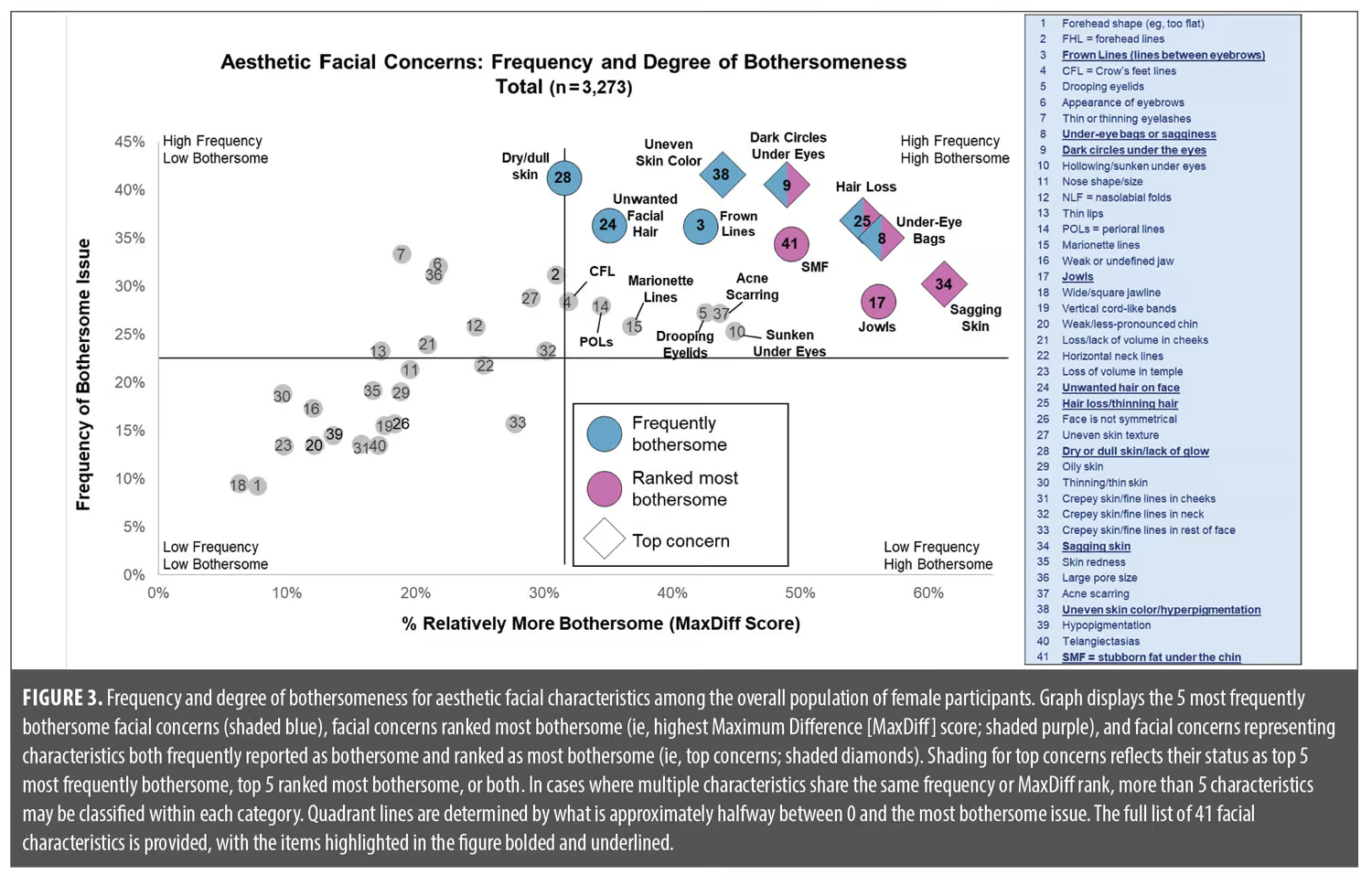
Degree of bothersomeness of facial concerns. To further understand the aesthetic concerns of female participants, MaxDiff scaling was used to rank the degree of bothersomeness of the 41 facial characteristics. The facial concerns ranked most bothersome by overall female participants included sagging skin (61%), jowls (56%), under-eye bags or sagginess (56%), hair loss/thinning hair (55%), dark circles under the eyes (49%), and stubborn fat beneath the chin (49%; Figure 3). The most bothersome facial concerns of the total female participant population weighted by race/ethnicity are presented in Supplemental Table 3. Sagging skin, under-eye bags or sagginess, and hair loss/thinning hair were ranked among the most bothersome characteristics by all age groups (Supplemental Table 4). Consistent with their high frequency of concern, Generation Z/young millennials (53%) and older millennial (42%) were the only groups to rank acne scarring on the face among the most bothersome characteristics, which each group considered more bothersome than jowls. Additionally, older millennial female participants ranked dark circles under the eyes (43%) as more bothersome than stubborn fat beneath the chin (37%). The rankings for Generation X (n=1,093) and 58+ (n=509) mostly mirrored those of the overall female population; however, the degree of bothersomeness for some characteristics increased with age, including sagging skin (Generation X: 67%; 58+: 77%) and jowls (Generation X: 59%; 58+: 72%). Additionally, the 58+ group was the only group to rank drooping eyelids (52%) as among the most bothersome characteristics.
Top facial concerns (frequency of concern × degree of bothersomeness). Considered together, the top facial concerns (ie, characteristics most frequently reported and ranked as most bothersome) for women overall were hair loss/thinning hair, under-eye bags or sagginess, dark circles under the eyes, sagging skin, and uneven skin color/hyperpigmentation (Figure 3). The top facial concerns of the overall female participant population weighted by race/ethnicity are presented in Supplemental Table 5. Dark circles under the eyes and under-eye bags or sagginess were top concerns across every generation, while hair loss/thinning hair and uneven skin color/hyperpigmentation were top concerns for every generation but Generation Z/young millennial (Table 2). Instead, the top concerns of Generation Z/young millennial included stubborn fat beneath the chin, dry or dull skin, and acne scarring on the face, with acne scarring on the face also representing a top concern of older millennials. Frown lines were a top concern unique to Generation X, while sagging skin and jowls were top concerns unique to 58+ female participants.
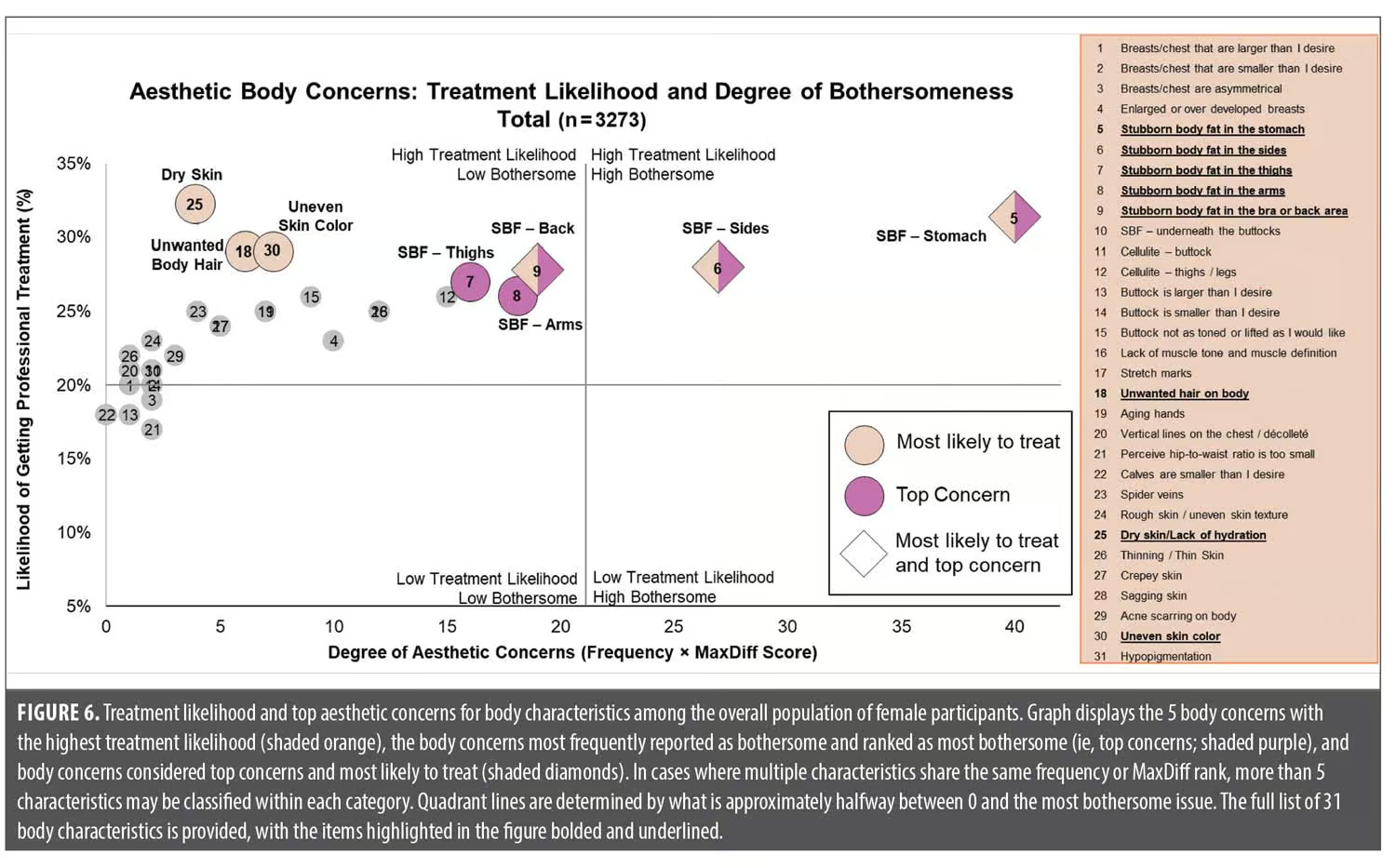
Top aesthetic concerns: face. Frequency of bothersome body concerns. Among the 31 body concerns, stubborn body fat was the most frequently bothersome across all groups, with stubborn fat around the stomach and on the sides cited as the most frequently bothersome to women overall (n=3,273; Figure 4). Other significant concerns included stubborn fat in the bra or back area or in the arms, and lack of muscle tone and muscle definition. The most frequently bothersome body characteristics of the overall female participant population weighted by race/ethnicity are presented in Supplemental Table 6. Stubborn fat around the stomach and on the sides were frequent concerns across every generation. Stubborn fat in the bra or back area was emphasized by every generation but 58+ (n=509), who were instead concerned with sagging skin (Supplemental Table 7). Older millennial participants (n=1,182) expressed less concern for stubborn fat in the arms than in the thighs, while Generation X (n=1,094) was equally concerned by these characteristics, along with lack of muscle tone and definition. Additionally, Generation Z/young millennial participants (n=490) were uniquely concerned with unwanted body hair.
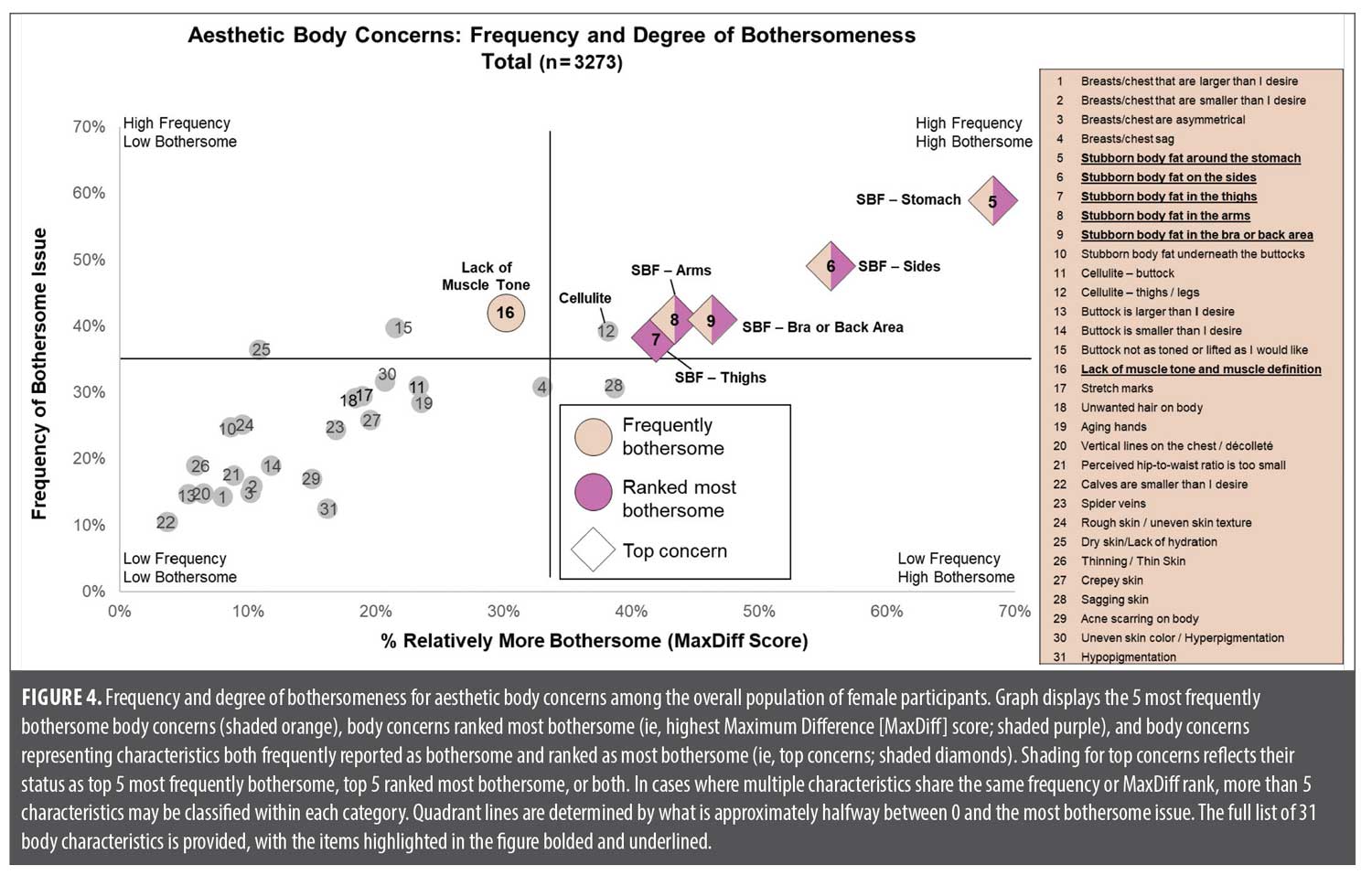
Degree of bothersomeness of body concerns. MaxDiff scaling indicated that stubborn body fat was ranked as the most bothersome of 31 body concerns among female participants, including stubborn fat around the stomach (65%), on the sides (54%), in the bra or back area (46%), in the arms (43%), and in the thighs (42%; Figure 4). This pattern was consistent for the total female participant population weighted by race/ethnicity (data not shown) and across every generation, representing the top 5 most highly-ranked characteristics for every age group, except 58+ female participants (n=509), who ranked sagging skin (48%) more bothersome than stubborn fat in the thighs (43%; Supplemental Table 8). Interestingly, there was a trend for Generation Z/young millennial (n=490) ranking most of these characteristics more bothersome than the older millennial group (n=1,181) but less bothersome than Generation X (n=1,093) and 58+ female (n=509) participants, suggesting a higher degree of aesthetic body concern among female participants from the youngest and oldest generations.
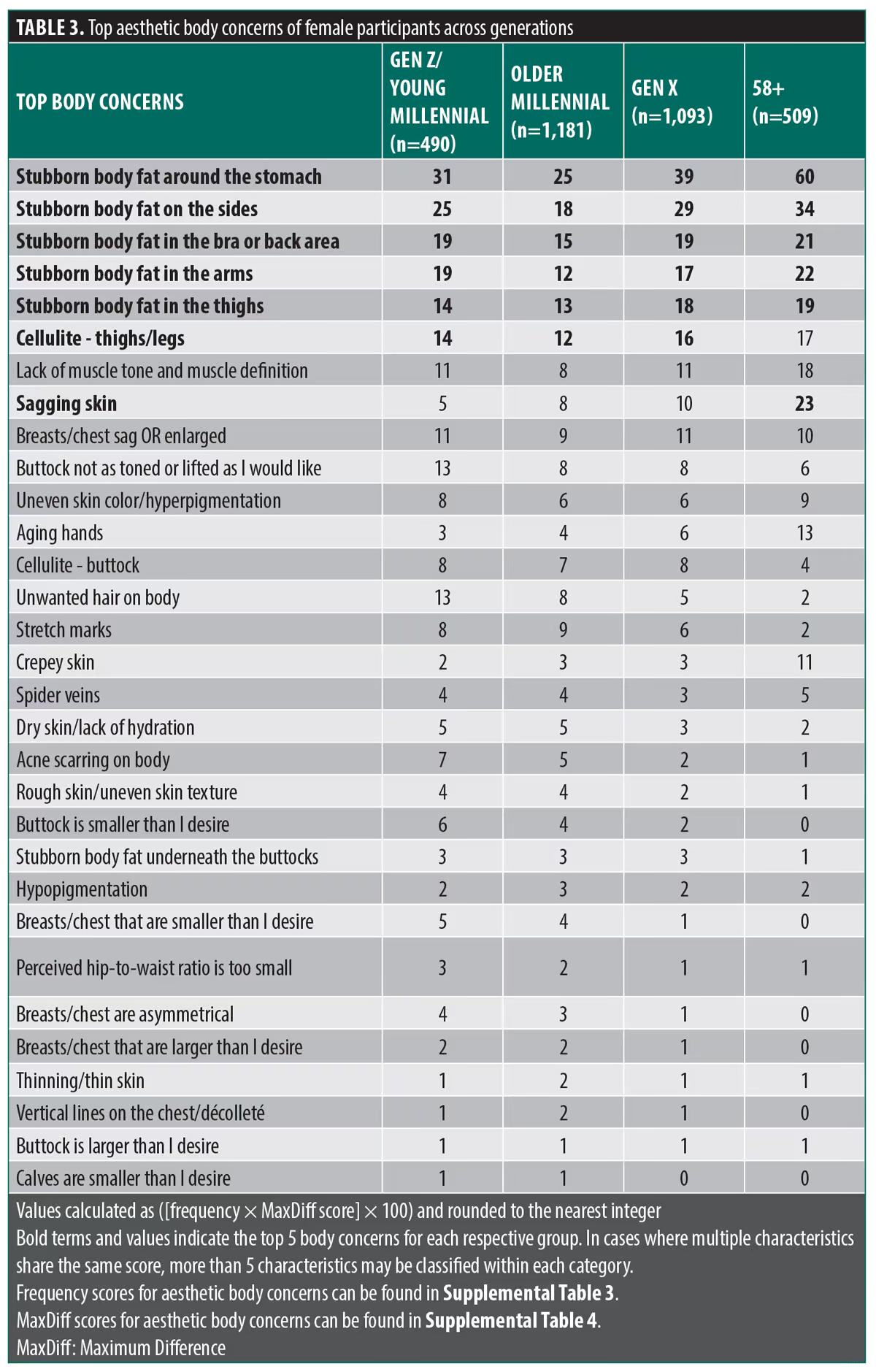
Top body concerns (frequency of concern × degree of bothersomeness). Taken together, the top body concerns (ie, characteristics most frequently reported and ranked as most bothersome) of female participants overall included stubborn fat around the stomach, on the sides, in the bra or back area, in the arms, and in the thighs (Figure 4). These top body concerns were consistent with the total female population weighted by race/ethnicity (data not shown) and across every generation but the 58+ group, which considered sagging skin a top concern over stubborn body fat in the thighs (Table 3).
Treatment likelihood of facial characteristics. To assess interest in aesthetic treatments, participants were asked to select characteristics of their face that they were most likely to have professionally treated within the next year. Overall, the facial characteristics female participants (n=3,273) were most likely to seek treatment for included uneven skin color or hyperpigmentation, dry/dull skin, frown lines, unwanted hair on the face, and forehead lines (plotted against top facial concerns in Figure 5). The facial characteristics most likely to be treated by the overall female participant population weighted by race/ethnicity are presented in Supplemental Table 9. Female participants from every generation indicated a high likelihood of seeking treatment for dry/dull skin (Supplemental Table 10). Uneven skin color/hyperpigmentation and frown lines were similarly prioritized, except among the Generation Z/young millennial group (n=490), who were more interested in receiving professional treatment for acne scars and large pore size. Additionally, Generation Z/young millennial prioritized treating rough skin/uneven skin texture over forehead lines. The treatment interests of older millennial (n=1,181) and Generation X (n=1,093) female participants mirrored those overall female population, but older millennials also expressed interest in treating dark circles under the eyes and Generation X participants were more interested in treating crow’s feet than unwanted hair on the face. Female participants from the 58+ group (n=509) also expressed interest in treating crow’s feet, which they prioritized for treatment over forehead lines. Additionally, the 58+ group was uniquely interested in treating hair loss/thinning hair and the appearance of their eyebrows.
Treatment likelihood of body characteristics. For body characteristics, the overall population of female participants (n=3,273) expressed greatest likelihood of seeking treatment for stubborn body fat around the stomach and on the sides, dry skin/lack of hydration, uneven skin color/hyperpigmentation, and unwanted body hair (plotted against top body concerns in Figure 6). The body characteristics most likely to be treated by the overall female participant population weighted by race/ethnicity are presented in Supplemental Table 11. Stubborn fat around the stomach, on the sides, and dry skin/lack of hydration had universal appeal across every generation (Supplemental Table 12). Interest in receiving professional treatment for unwanted body hair and uneven skin color/hyperpigmentation was stratified by age, with unwanted body hair prioritized by the Generation Z/young millennial (n=490) and older millennial (n=1,181) groups and uneven skin color/hyperpigmentation prioritized by the Generation X (n=1,093) and 58+ (n=509) groups. Generation Z/young millennial and Generation X female participants also expressed high interest in treating stubborn body fat in the bra or back area, while stubborn fat in the arms was a strong treatment interest of Generation Z/young millennial and 58+ female participants. Treatment interests unique to specific age groups included buttocks tone/shape and acne scarring on the body (Generation Z/young millennials), stretch marks (older millennials), and sagging skin and loss of volume in the hands (58+ group).
Degree of interest in aesthetic treatments. To evaluate female participants’ interest in receiving specific aesthetic treatments, MaxDiff scaling was used to assess the likelihood of receiving a professionally administered facial or body treatment from a list of 48 treatments. Overall, female participants ranked facials at a spa or doctor’s office (60%) highest of the 48 treatment options. This was followed by nonsurgical fat reduction (54%), nonsurgical skin tightening (48%), professional-grade skincare (46%), and neurotoxins (46%; Table 4). The aesthetic treatments ranked most desirable by the overall population of female participants weighted by race/ethnicity are presented in Supplemental Table 13.
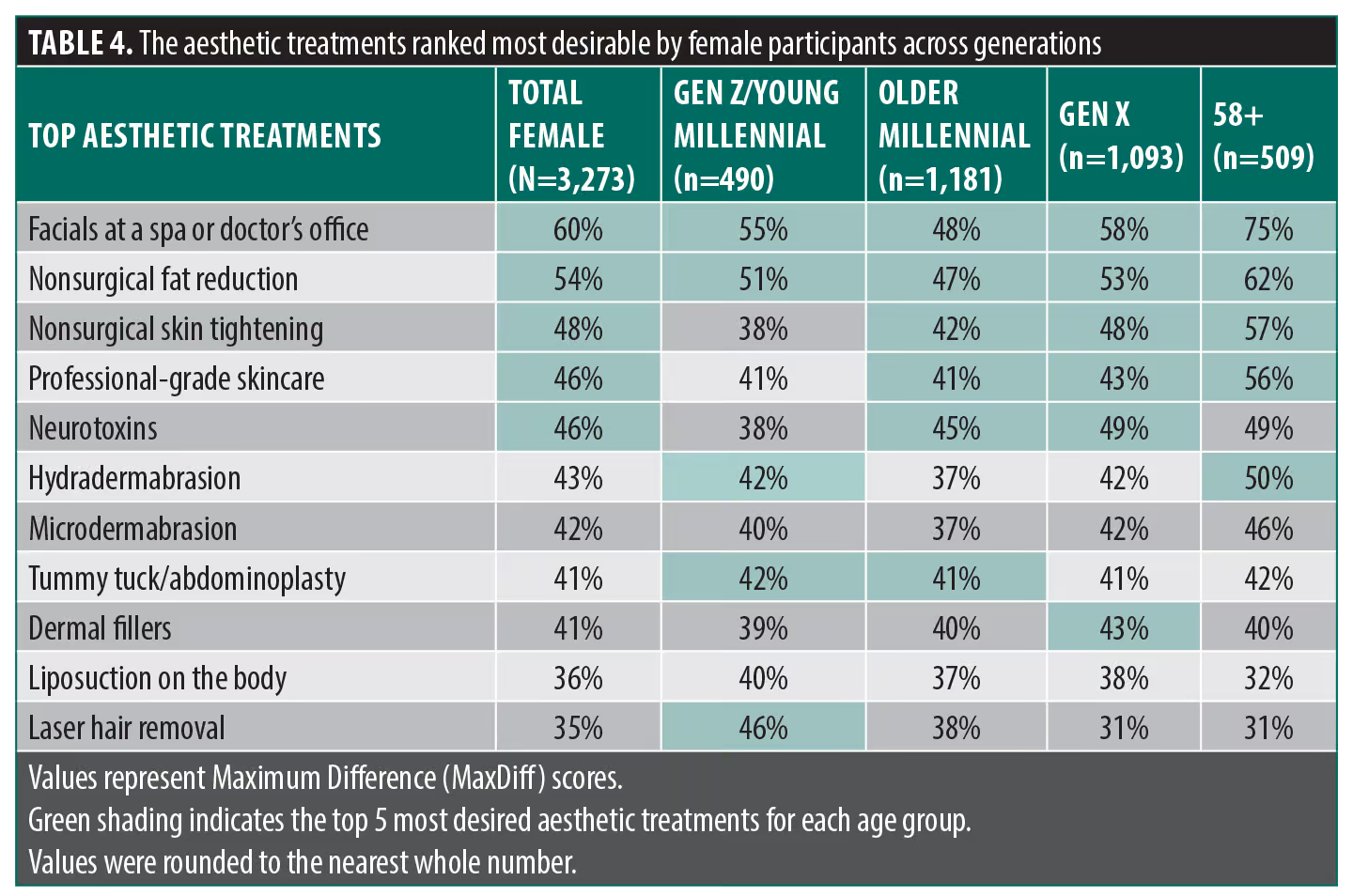
Facials at a spa or doctor’s office and nonsurgical fat reduction were ranked consistently high across all generations, but the degree of interest in these treatments varied. Interest in facials at a spa or doctor’s office was ranked higher by Generation Z/young millennial (55%) than older millennial (48%) but lower than the Generation X (58%) or 58+ (75%) groups. This pattern was also apparent for nonsurgical fat reduction, with Generation Z/young millennial ranking this treatment slightly higher (51%) than older millennial (47%) but not as high as Generation X (53%) or 58+ (62%). Nonsurgical skin tightening and professional-grade skincare were ranked among the top treatments for every generation but Generation Z/young millennial, who ranked laser hair removal (46%) and tummy tuck/abdominoplasty (42%) higher than each. Older millennial participants also ranked tummy tuck/abdominoplasty equally as high as professional-grade skincare (41% for each), and Generation X ranked dermal fillers equally as high as professional-grade skincare (43% each). Interest in neurotoxins was highest among older millennial (45%) and Generation X (49%) female participants, whereas Generation Z/young millennial (42%) and 58+ (50%) were more interested in receiving hydradermabrasion.
Discussion
The present study provides a comprehensive examination of aesthetic concerns and treatment interests among aesthetically inclined adults in the US across diverse demographic groups, using MaxDiff scaling to further differentiate participant preferences. The data collected across different ages, sexes/genders, and racial/ethnic backgrounds reflect varied perspectives on facial and body concerns within these populations in the US. As the first in a series, this manuscript provides a detailed description of the survey respondents, methodological approach, and key findings on generational differences in aesthetic concerns and treatment interests of female participants. Subsequent manuscripts will expound on results from male participants and participants of different ethnic backgrounds. Understanding these differences in aesthetic concerns and treatment likelihoods offers valuable insights and opportunities to provide personalized consultations and treatments.
Overall, female participants were equally concerned with the appearance of their face and body, but concern with facial appearance increased with age while concern with body appearance decreased. Some features, such as dark circles under the eyes, under-eye bags or sagginess, and stubborn body fat, were top concerns across every generation, highlighting universal aesthetic challenges. However, specific age groups also had unique aesthetic concerns. For instance, younger female participants (Generation Z/young millennial and older millennial) expressed particular concern for acne scars and stubborn fat beneath the chin, whereas older female participants (Generation X, 58+) were more concerned with frown lines, jowls, and sagging skin on the face and body. Likewise, there were distinct treatment preferences based on participant age. While dry skin on the face and body and stubborn fat on the stomach and sides had consistent appeal, younger female participants expressed a greater interest in treating acne scars on the face and body and unwanted body hair, while older female participants were interested in treating crow’s feet, uneven skin color/hyperpigmentation, and loss of volume in the hands. The study also highlighted generational variations in the degree of interest toward specific professionally administered treatments, including facials, neurotoxins, and nonsurgical body contouring options.
This study revealed that the top aesthetic concerns of female participants were not always aligned with the likelihood of having those concerns professionally treated. Discrepancies were most apparent for facial characteristics, where universal top concerns such as dark circles under the eyes and under-eye bags or sagginess were not among the characteristics with the greatest treatment likelihood, which primarily included wrinkles and other skin quality attributes. By comparison, stubborn body fat on the stomach and sides were top body concerns across every generation and were consistently prioritized for treatment. This may be related to the temporal relationship between facial rhytides and age, whereas degree of body fat is less likely to be linked strictly to age, which may explain why body fat persisted as a top concern across different age demographics. Discrepancies between top concerns and treatment priorities for facial features may reflect the increasing emphasis on facial appearance with age observed in this study, whereas stubborn body fat remains a constant concern, even as overall concern for body appearance decreases over time. Additionally, some discrepancies, such as dark circles under the eyes, may be attributable to a more limited awareness of available treatments or the perception that such treatments are more invasive or complex, which can influence the likelihood of seeking professional intervention despite the high prevalence of these concerns.15,16 Insights into the relationship between top aesthetic concerns and treatment interests can guide healthcare practitioners in tailoring their consultations, education of treatment options, and treatment plans to better address the evolving needs and expectations of patients across different age groups.17,18
Our findings align with those of a recently published report of survey data by Fabi and colleagues.19 Both studies underscore the prevalence of facial aesthetic concerns, such as dark circles under the eyes and under-eye bags, as top concerns among female participants, indicating consistency across age groups. Their report further highlighted the importance of addressing upper facial lines and sagging skin, which aligns with the prioritization observed among women within the current study, particularly those in older demographics.19 While both studies align on general trends in facial concerns—such as the popularity of facials and topical skincare—participants in the study by Fabi and colleagues19 reported lower use of neurotoxins and dermal fillers compared to the treatment preferences expressed by participants in our study. This incongruity could reflect evolving aesthetic preferences in the US, where prior reports on American participants have indicated both increased social acceptance and use of neuromodulators and dermal fillers, particularly among Millennial patients.20 This shift may be influenced by factors such as the rising use of video calling and increased exposure to aesthetic treatments through social media, which heighten self-awareness and scrutiny of facial aesthetics.21–25
Our findings indicate that the aesthetic treatments female participants were most interested in receiving aligned with their top aesthetic concerns. Some aesthetic treatments, such as facials at a spa or doctor’s office, nonsurgical fat reduction, and professional-grade skincare, had universal appeal across generations. Two of the most popular treatments, neurotoxins and nonsurgical fat reduction, reflected the high concern with and willingness to treat upper facial lines and stubborn body fat, respectively, by women overall and are consistent with recent annual statistics from the American Society of Plastic Surgeons showing that these are among the most popular aesthetic treatments received by patients in the US.26 Generational trends also emerged, including strong interest in neurotoxins among older millennial and Generation X participants and an increasing interest in nonsurgical skin tightening across each successive generation, reflecting the growing concern among the Generation X and 58+ groups about upper facial lines and sagging skin, respectively. Notably, interest in dermal fillers, one of the most popular aesthetic treatments worldwide27 and a top treatment of interest among female participants in this study, was predominantly driven by participants from Generation X, who uniquely considered dermal fillers among their most desired aesthetic treatments. By revealing trends in aesthetic treatment interests that vary by generation, these findings provide a nuanced understanding of how aesthetic concerns and treatments preferences evolve with age, assisting practitioners in offering age-appropriate treatment recommendations to better meet patient expectations.
The present study also highlights the utility of the MaxDiff scaling method as a powerful tool for providing further granularity into patient preferences, offering actionable data to inform clinical practice, expand patient education, and improve patient consultations. Unlike traditional methods that simply identify aesthetic concerns, MaxDiff provides insight into how participants prioritize seeking treatment for these concerns relative to one another, offering a clearer picture of their treatment intentions and preferences. While MaxDiff scaling has been applied in prior aesthetic survey research,4,5 the present study expands its application by assessing both aesthetic concerns and treatment interests for the face and body across a broad patient demographic. By integrating MaxDiff scaling within a comprehensive demographic analysis, this study enhances the ability of healthcare practitioners to develop personalized consultation strategies that acknowledge and address the specific aesthetic priorities of each patient.
This study also represents one of the most comprehensive examinations of aesthetic body concerns and treatment interests, for which there has previously been limited published literature.28 Understanding patient priorities and concerns related to body aesthetics—particularly the pervasive concern with and interest in addressing stubborn body fat in the stomach and sides and the strong preference for nonsurgical fat reduction among female participants—highlights the broad appeal of body contouring treatments. These insights can guide practitioners to expand their expertise and widen their consultations beyond facial aesthetics, effectively bridging gaps in patient care by creating comprehensive aesthetic treatment plans.3 The recent surge in interest and demand for medical weight loss drugs,29 which were not included in the survey for the present study, underscores the need to understand and address body aesthetics comprehensively. As patients increasingly seek medical solutions for weight management, integrating aesthetic considerations related to body contouring can enhance comprehensive patient care.
The insights into generational differences among women offer further opportunities to individualize clinical approaches. For instance, female participants from every generation expressed high concern with hair loss/thinning hair and uneven skin color or hyperpigmentation except Generation Z/young millennial, who were more concerned with stubborn fat beneath the chin. While acne scarring on the face was a top concern with high treatment priority among younger female participants, frown lines took precedence for female participants from Generation X, who expressed correspondingly high interest in neurotoxins and dermal fillers. Concern with jowls and sagging skin on the face and body was unique to the 58+ group, who also ranked nonsurgical skin tightening higher among treatment interests than every other generation. These findings underscore the importance of age-tailored communication, enabling practitioners to target treatment discussions in ways that resonate with the aesthetic concerns of different age groups.30
This study offers valuable insights into the aesthetic concerns and treatment interests of aesthetically inclined adults in the US, but some limitations warrant consideration. The reliance on self-reported data from a single point may introduce biases or inaccuracies, as participants’ responses could be influenced by the context or timing of the survey. Following a select cohort of participants and capturing their data over time could better identify trends and shifts in aesthetic concerns and treatment interests. The recent advent of medical weight loss drugs, which were not included in the survey, may influence the degree of bothersomeness of body characteristics and prioritization for body treatments in ways that were not captured here. Additionally, since the demographic scope of the study was confined only to the US, it may not reflect the aesthetic needs or trends present in other regions.19,31 Finally, the high proportion of cisgender female participants and small number of transgender and nonbinary participants highlights a potential limitation in representing the unique aesthetic preferences and needs of these populations. There is little literature on the aesthetic preferences of individuals from these communities.32–34 Future research should aim to include a more diverse sample to ensure comprehensive representation, thereby enhancing the generalizability of findings and addressing the distinct aesthetic considerations of underrepresented groups.
Conclusion
As the first in a series of manuscripts analyzing these diverse data, this overview establishes a foundation for subsequent in-depth analyses focused on specific demographic groups. Although the overall dataset encompasses a broad participant pool, this manuscript specifically examined generational differences in aesthetic concerns and treatment interests among female participants in the US. By detailing the observed generational trends and employing a comprehensive methodological framework, this study demonstrates the value of the MaxDiff approach for revealing nuanced intergenerational trends in aesthetic priorities among women in the US.
Overall, these findings provide actionable insights to inform personalized, patient-centered clinical consultations and treatment planning for women across generations. Furthermore, this work sets the stage for more inclusive future analyses exploring aesthetic concerns and treatment interests across additional participant subgroups in subsequent publications.
Supplemental Materials
Disclosures
Dr. Chiu is an investigator and consultant for Allergan Aesthetics. Dr. Sadeghpour is a consultant, clinical investigator, speaker, and trainer for Allergan Aesthetics. Dr. Burgess is a principal investigator for Allergan Aesthetics, an AbbVie company, and Merz. Dr. Sherber is an investigator and consultant for Allergan Aesthetics. Dr. Keaney is a consultant, clinical investigator, speaker, and trainer for Allergan Aesthetics. Dr. Moradi is a consultant, advisor, and clinical research investigator for Allergan Aesthetics. Drs. Avanesian, Ashourian, Sangha, Karic, and Dimitrijevic are full-time employees of AbbVie and may hold AbbVie stock. The remaining authors have no relevant conflicts of interest.
Acknowledgments
The authors would like to acknowledge the supplement cosponsor Research Execute Learn LLC (Randy Long and Drew Minko) for their assistance with the survey design, distribution, collection of data, and analysis of the results. Medical writing support was provided to the authors by Graham Kaplan, PhD, of AbbVie Inc., and funded by AbbVie Inc.
References
- Maisel A, Waldman A, Furlan K, et al. Self-reported patient motivations for seeking cosmetic procedures. JAMA Dermatol. 2018;154(10):1167.
- Barone M, Bernardis RD, Persichetti P. Aesthetic medicine across generations: evolving trends and influences. Aesthetic Plast Surg. 2025;49(11):3274–3276.
- Allergan Aesthetics. Forces of beauty report 2022. 2022. Accessed 10 Nov 2025. https://www.allerganaesthetics.com/about/dream-initiative
- Jagdeo J, Keaney T, Narurkar V, et al. Facial treatment preferences among aesthetically oriented men. Dermatol Surg. 2016;42(10):1155–1163.
- Narurkar V, Shamban A, Sissins P, et al. Facial treatment preferences in aesthetically aware women. Dermatol Surg. 2015;41(Suppl 1):S153–S160.
- Chiu A, Mariwalla K, Hui-Austin A, et al. Understanding the female Asian American facial aesthetic patient. J Drugs Dermatol. 2019;18(7):633–641.
- Fabi S, Montes JR, Aguilera SB, et al. Understanding the female Hispanic and Latino American facial aesthetic patient. J Drugs Dermatol. 2019;18(7):623–632.
- Alexis A, Boyd C, Callender V, et al. Understanding the female African American facial aesthetic patient. J Drugs Dermatol. 2019;18(9):858–866.
- Donnelly F. US Census data: concepts and applications for supporting research. Libr Technol Rep. 2022;58(4):5–37.
- Chiu A, Rahman Z, Munavalli G, et al. Demographic Survey of Aesthetic Interests and Concerns (MOSAIC): US survey study of facial and body aesthetic concerns and treatment interests among Asian women. J Clin Aesthet Dermatol. 2026;19(8 Suppl 2):17–27.
- Alexis A, Boyd C, Burgess C, et al. Demographic Survey of Aesthetic Interests and Concerns (MOSAIC): US survey study of facial and body aesthetic concerns and treatment interests among Black women. J Clin Aesthet Dermatol. 2026;19(8 Suppl 2):28–37.
- Fabi S, Beer J, Bharti G, et al. Demographic Survey of Aesthetic Interests and Concerns (MOSAIC): US survey study of facial and body aesthetic concerns and treatment interests of Hispanic and Latina women. J Clin Aesthet Dermatol. 2026;19(8 Suppl 2):38–46.
- Sherber N, Bharti G, Downie J, et al. Demographic Survey of Aesthetic Interests and Concerns (MOSAIC): US survey study of facial and body aesthetic concerns and treatment interests among White women. J Clin Aesthet Dermatol. 2026;19(8 Suppl 2):47–56.
- Ibrahim O, Beer J, Keaney T, et al. Demographic Survey of Aesthetic Interests and Concerns (MOSAIC): US survey study of facial and body aesthetic concerns and treatment interests of men. J Clin Aesthet Dermatol. 2026;19(8 Suppl 2):57–65.
- Botti C, Botti G, Pascali M. Facial aging surgery: healing time, duration over the years, and the right time to perform a facelift. Aesthetic Surg J. 2021;41(11):NP1408–NP1420.
- Pearlman RL, Wilkerson AH, Cobb EK, et al. Factors associated with likelihood to undergo cosmetic surgical procedures among young adults in the United States: a narrative review. Clin Cosmet Investig Dermatol. 2022;15:859–877.
- Hansen DA, Stevenson EL, Johnson R, Teague M. Incorporating a patient education video with provider consultation to improve patient satisfaction and reduce consultation time among new patients seeking cosmetic injections. Plast Aesthetic Nurs (Phila). 2023;43(2):79–83.
- Bravo FG. The aesthetic-health pyramid: a tool for patient education. Plast Reconstr Surg. 2010;126(2):112e–113e.
- Fabi S, Alexiades M, Chatrath V, et al. Facial aesthetic priorities and concerns: a physician and patient perception global survey. Aesthetic Surg J. 2021;42(4):NP218–NP229.
- Mobayed N, Nguyen J, Jagdeo J. Minimally invasive facial cosmetic procedures for the millennial aesthetic patient. J Drugs Dermatol. 2019;19(1):100–103.
- Montemurro P, Cheema M, Hedén P. Patients’ and surgeons’ perceptions of social media’s role in the decision making for primary aesthetic breast augmentation. Aesthetic Surg J. 2018;38(10):1078–1084.
- Boen M, Jerdan K. Growing impact of social media in aesthetics: review and debate. Clin Dermatol. 2022;40(1):45–48.
- Chen J, Chow A, Fadavi D, et al. The Zoom boom: how video calling impacts attitudes towards aesthetic surgery in the COVID-19 era. Aesthetic Surg J. 2021;41(12):NP2086–NP2093.
- Schlichte MJ, Karimkhani C, Jones T, et al. Patient use of social media to evaluate cosmetic treatments and procedures. Dermatol Online J. 2015;21(4):13030/qt88z6r65x.
- Seetan K, Yassin RY, Khamees A, et al. The effect of social media on the decision to have aesthetics or cosmetic procedure: a case-control study. Aesthetic Plast Surg. 2025;49(5):1469–1477.
- American Society of Plastic Surgeons. 2024 minimally invasive procedures. Accessed 16 Oct 2025. https://www.plasticsurgery.org/documents/news/statistics/2024/minimally-invasive-procedure-trends-2024.pdf
- Liao ZF, Cong LY, Li FW, et al. The research trend of soft tissue filler injection from 2000 to 2022: a bibliometric and visualized analysis. Plast Reconstr Surg Glob Open. 2024;12(2):e5579.
- Keaney TC, Anolik R, Braz A, et al. The male aesthetic patient: facial anatomy, concepts of attractiveness, and treatment patterns. J Drugs Dermatol. 2018;17(1):19–28.
- Han SH, Safeek R, Ockerman K, et al. Public interest in the off-label use of glucagon-like peptide 1 agonists (Ozempic) for cosmetic weight loss: a Google Trends analysis. Aesthetic Surg J. 2023;44(1):60–67.
- Swift A, Liew S, Weinkle S, et al. The facial aging process from the “inside out.” Aesthetic Surg J. 2020;41(10):1107–1119.
- Alexis AF, Grimes P, Boyd C, et al. Racial and ethnic differences in self-assessed facial aging in women: results from a multinational study. Dermatol Surg. 2019;45(12):1635–1648.
- Cattelan L, Dayan S, Aguilera SB, et al. A review of aesthetic considerations for treating the transgender patient. Dermatol Surg. 2024;50(12S):S191–S200.
- Rambhia PH, Keaney T, Chang YC, et al. Aesthetic considerations for neuromodulator use in transgender patients. Dermatol Surg. 2024;50(9S):S80–S84.
- Rivkin A, Pikoos T, Somenek M, Viscomi B. Delivering an inclusive experience for patients of all genders in the aesthetics practice: a roundtable discussion. Aesthetic Surg J Open Forum. 2024;7:ojae132.