
J Clin Aesthet Dermatol. 2026;19(10):64–69.
Esraa Bendary, MBBCH; Heba Selim, MD; Rana Ehab, MD; and Eman Salah, MD
Dr. Bendary is with the Faculty of Medicine, Mansura University, Mansoura, Egypt, and with the Department of Dermatology, Venereology and Andrology, Faculty of Medicine, Zagazig University, Zagazig, Egypt. Drs. Selim, Ehab, and Salah are with the Department of Dermatology, Venereology and Andrology, Zagazig University, Zagazig, Egypt.
FUNDING: No funding was provided for this article.
DISCLOSURES: The authors have no relevant conflicts of interest.
Abstract: BACKGROUND: Atrophic postacne scarring is a common sequela in many patients with acne vulgaris. Microneedling, either as monotherapy or as microneedling-assisted delivery of different topicals, has been growing in use. OBJECTIVE: To evaluate and compare the efficacy and safety of microneedling-assisted delivery of topical adapalene vs trichloroacetic acid (TCA) for atrophic postacne scars. METHODS: This randomized controlled clinical trial included 60 patients with atrophic postacne scars divided into 3 equal groups: Group A, in which patients were treated with microneedling-assisted delivery of TCA 15%; Group B, in which patients were treated with microneedling-assisted delivery of adapalene cream, 0.1%; and finally, Group C, patients who received microneedling monotherapy. RESULTS: Group A had significantly superior results than Group B (P=0.006) and Group C (P<0.001). Significant difference was found between Groups B and C (P=0.032). LIMITATIONS: This study had a small sample size and short-term follow-up. CONCLUSION: Microneedling-assisted delivery of either TCA, 15%, or topical adapalene, 0.1%, is more effective than microneedling alone. Furthermore, microneedling-assisted delivery of TCA, 15%, is superior to microneedling-assisted delivery of adapalene cream, 0.1%, for treating atrophic postacne scars, with greater clinical efficacy and patient satisfaction. However, microneedling-assisted delivery of topical adapalene provides a safer yet slower alternative. Keywords: atrophic postacne scars, microneedling, dermapen, adapalene, TCA
Introduction
Postacne scarring tendency is attributed to an abnormal wound-healing process in response to cutaneous inflammation. Eventually, this ends in a mismatch between collagen production and matrix degradation.1 This can lead to either excess collagen synthesis, causing hypertrophic scarring or keloids in some patients, or reduced collagen formation, resulting in atrophic postacne scars in a majority of cases (80%–90%).2 Furthermore, postacne atrophic scars are classified into icepick (60%–70%), boxcar (15%–20%), and rolling scars (15%–25%).3
The therapeutic options for atrophic postacne scars involve both surgical (eg, scar subcision) and nonsurgical approaches (eg, chemical peeling, injectable fillers, energy-based devices, and microneedling).4 Percutaneous collagen induction or microneedling monotherapy uses small needles to create micropunctures or microchannels in the atrophic scars, resulting in growth factor stimulation and increased production of dermal collagen and elastin.5 Moreover, microneedling can assist in the delivery of various topical preparations through the microchannels to maximize the therapeutic outcomes.6
Trichloroacetic acid (TCA) has been frequently used as a chemical peel in various strengths and with different application techniques to help patients with atrophic postacne scarring.7 On the other hand, topical retinoids, including adapalene cream (0.1% and 0.3%), have been used in clinical practice as a patient-applied treatment for atrophic postacne scars based on the ability to stimulate cutaneous fibroblasts and procollagen synthesis.8
Although several agents have been combined with microneedling to enhance the treatment of atrophic acne scars, evidence directly comparing different adjunctive therapies remains limited. TCA and adapalene represent 2 mechanistically distinct yet clinically accessible treatment options. TCA enhances scar remodeling by inducing controlled chemical injury and subsequent collagen neogenesis, whereas adapalene promotes collagen synthesis and epidermal remodeling through retinoid-mediated mechanisms with a favorable safety profile. Given these complementary but different mechanisms of action and the lack of direct comparative evidence, evaluating microneedling combined with TCA, 15%, vs microneedling combined with adapalene is clinically important to determine which approach provides superior efficacy, safety, and patient satisfaction.9,10
This study aimed to evaluate and compare the efficacy and safety of microneedling-assisted delivery of topical adapalene vs TCA as a therapeutic option for atrophic postacne scars. To the best of our knowledge, microneedling-assisted delivery of topical adapalene is a novel combination that warrants exploration.
Methods
This randomized controlled clinical trial was approved by the Institutional Review Board at the Faculty of Medicine of Zagazig University. The study included 60 patients with atrophic postacne scars who were recruited from an outpatient dermatology clinic. All patients provided written informed consent and photo consent prior to enrollment. Patients were excluded from the study if they had active acne vulgaris, received any scar treatment during the past 6 months, had Fitzpatrick skin phototypes V or VI, had any active facial skin infections or a history of recurrent herpes simplex on the face, had a history of keloid tendency, and had any systemic disease that could impair healing.
Included patients were examined to collect the following data: Fitzpatrick skin phototype, atrophic postacne scar subtype (ie, icepick, boxcar, rolling, or mixed), and scarring severity as measured by both the Global Acne Scar Grading System (GSGS)11 and ECCA (Échelle d’Évaluation Clinique des Cicatrices d’Acné) grading scale.12 All participants were randomly assigned to 1 of 3 groups using a simple randomization method: Group A, 20 patients who received microneedling-assisted delivery of TCA, 15%; Group B, 20 patients who received microneedling-assisted delivery of adapalene cream, 0.1%; and Group C, 20 patients who received only microneedling monotherapy. The study protocol encompassed up to 6 treatment sessions with a 2-week interval between the sessions.
Preprocedure. A topical anesthetic cream (lidocaine/prilocaine mixture) was applied to both sides of the face for 30 minutes before the procedure. The anesthetic cream was wiped off with sterile alcohol swabs.
Procedure. Microneedling was performed with an electronic dermapen machine using the high-speed mode with a needle length adjustment from 1.5 mm to 2 mm in depth. The facial skin was stretched, and microneedling was carried out in vertical, horizontal, and diagonal directions perpendicular to the stretching force until the end-point of pinpoint bleeding. Following microneedling, Group A was treated with 1 or more passes of TCA-soaked gauze with the goal of a uniform white frost appearance. Group B received an application of adapalene cream to the skin immediately after microneedling. Group C only received saline after the microneedling procedure.
Postprocedure. Patients were instructed not to wash their faces for 2 hours after each session. They were also advised to apply a topical cream containing a low-potency corticosteroid/antibiotic mixture, practice strict sun protection, and avoid cosmetics or makeup for 3 days after the session.
Clinical assessment. Digital photographs were taken using a Samsung A52s smartphone. For each patient, images were captured for both the left and right sides of the face at enrollment as baseline, before every treatment session, and finally at the end of the 3-month follow-up period.
The GSGS, ECCA grading scale, and quartile grading scale (QGS; excellent ≥75%, very good 50–74%, good 25–49%, and poor <25%) were used by 3 blinded independent dermatologists to evaluate the degree of improvement. All adverse effects, including erythema, edema, and postinflammatory hyperpigmentation, were reported.
Pain assessment. At the end of the study, patients were asked to score their pain according to the visual analogue scale (VAS)13 as follows: no pain (VAS 0), mild pain (VAS 1–3), moderate pain (VAS 4–6), and severe pain (VAS 7–10).
Patient satisfaction. Patients were asked to rate their improvement at the end of the study as “very satisfied,” “satisfied,” “slightly satisfied,” or “unsatisfied.”
Statistical analysis. SPSS version 25.0 was used to analyze the data. Fisher exact test, independent t test, independent χ2 test, analysis of variance F test, Mann-Whitney U test, Kruskal-Wallis test, and Friedman test were used to analyze the results. The significance criterion was set at 5%, and P values were deemed statistically significant if they were <0.05.
Results
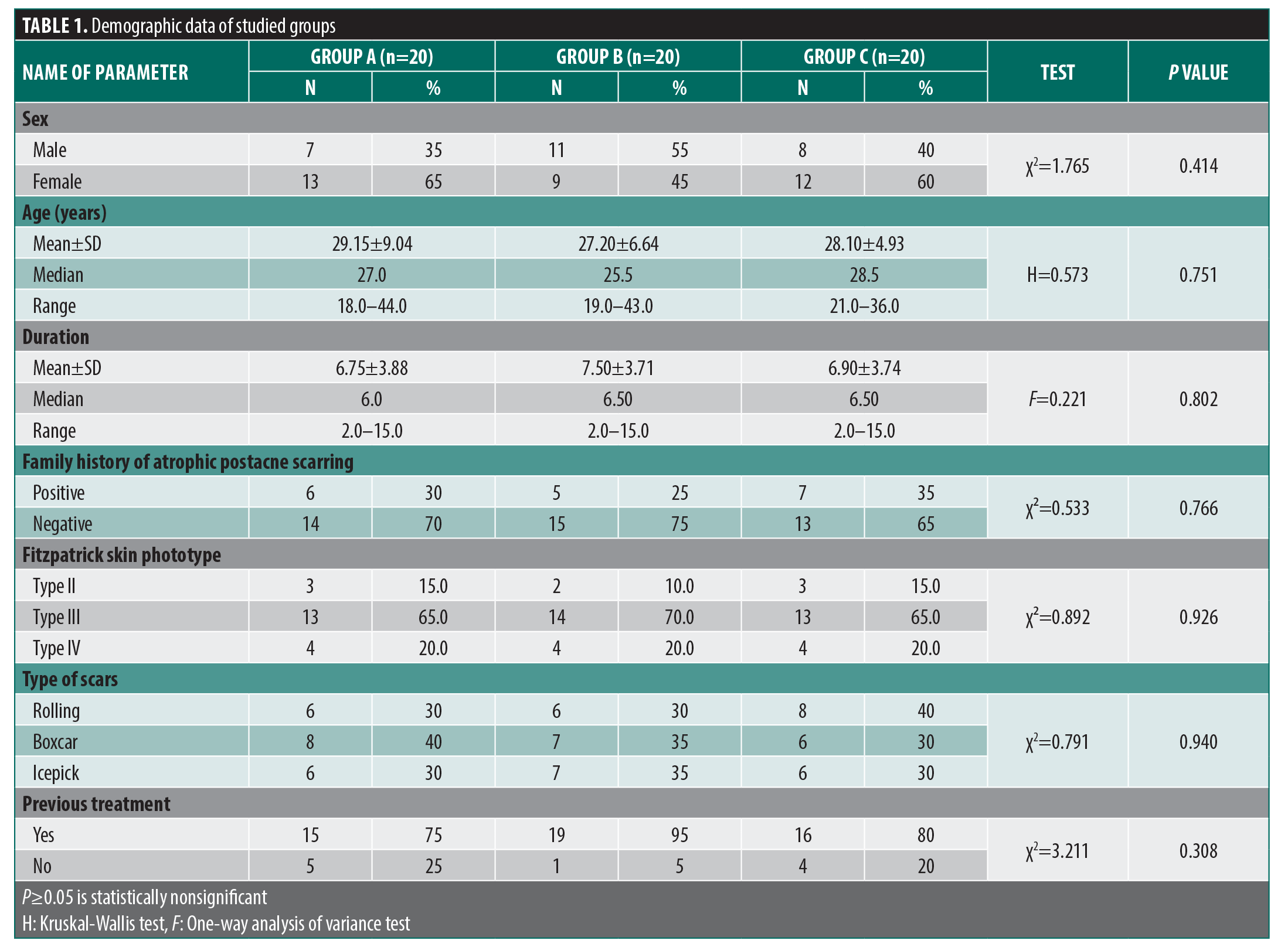
The study included 26 men and 34 women with atrophic postacne facial scars. No statistically significant differences were detected among the study groups regarding age, sex, family history of postacne scarring, disease duration, skin phototypes, or scar subtypes as summarized in Table 1. A positive family history of acne scarring was reported in 30.0% of Group A, 25.0% of Group B, and 35.0% of Group C, with no significant difference between the groups (P=0.766). Similarly, Fitzpatrick skin phototype distribution was comparable across the groups (P=0.926), with phototype III being the most common in all groups (65.0%, 70.0%, and 65.0% in Groups A, B, and C, respectively) followed by phototype IV (20.0% in each group) and phototype II (15.0%, 10.0%, and 15.0%, respectively; Table 1).
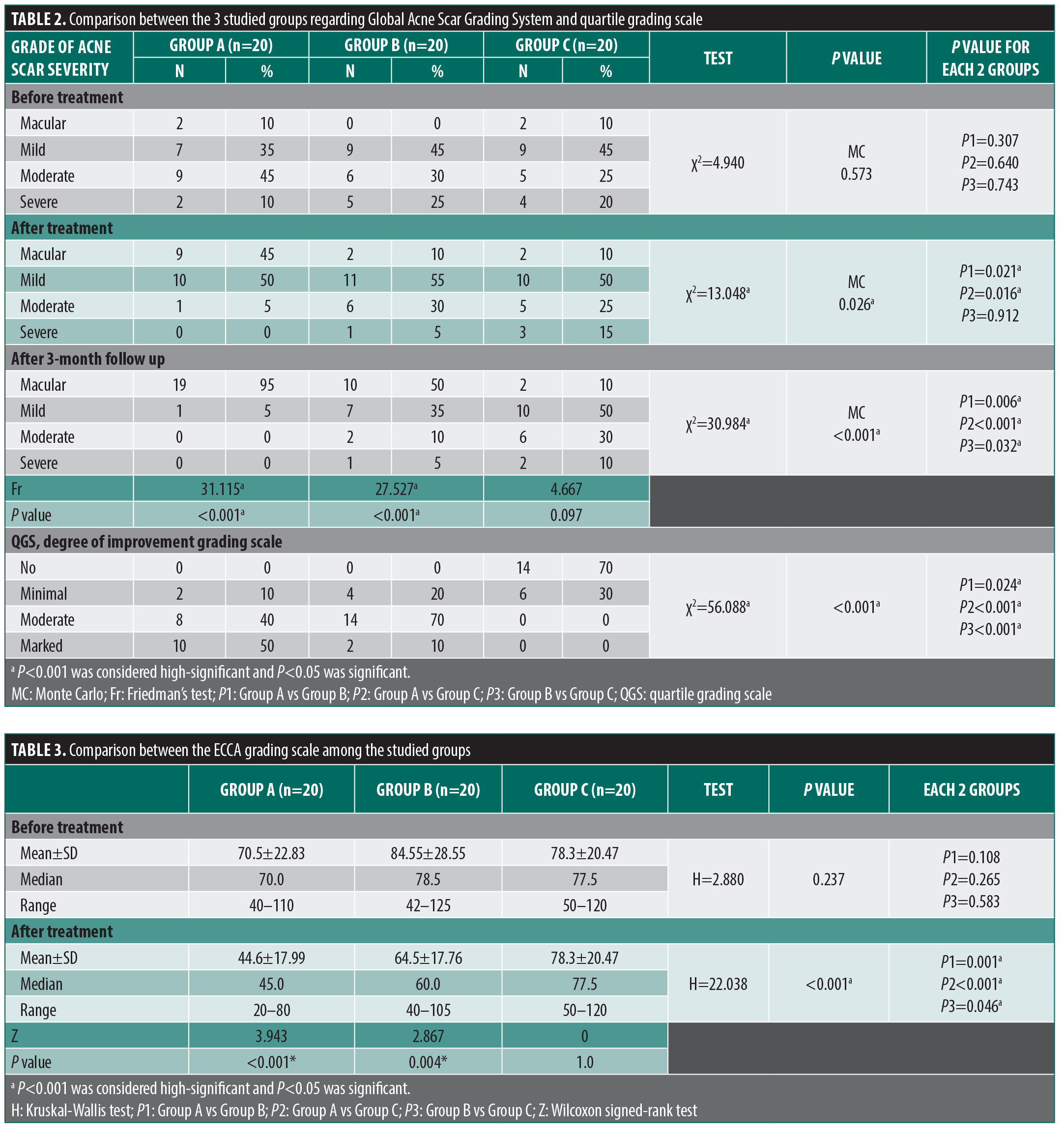
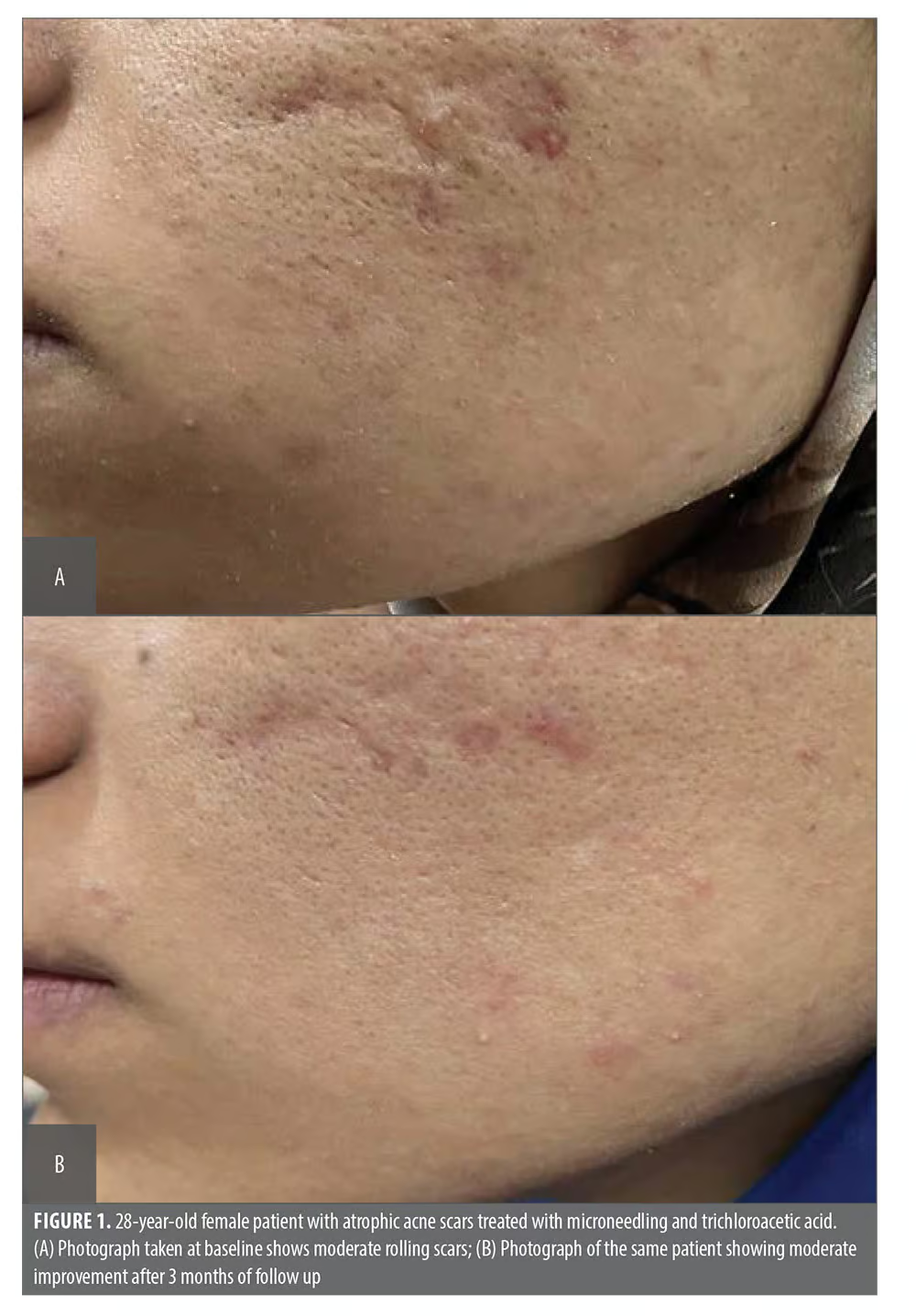
Regarding GSGS, before treatment, there were no significant differences in scar severity among the 3 groups (P=0.573). At the end of the study, Group A had significantly superior results than both Group B (P1=0.006) and Group C (P2<0.001). In addition, Group B had significantly superior results than Group C (P3=0.032; Table 2).
Regarding QGS, there was a significant difference in the degree of improvement across the groups (P<0.001). Pairwise comparisons revealed that Group A and Group B had significantly superior outcomes than Group C (P2<0.001, P3<0.001, respectively). Furthermore, Group B had significantly superior results compared to Group C (P<0.001; Table 2).
Regarding the ECCA score, there were no significant differences among the 3 groups (P=0.237) at baseline. However, by the end of the treatment period, a significant difference was observed. Group A and Group B showed significant reductions in ECCA (P<0.001 for Group A and P=0.004 for Group B), whereas Group C had nonsignificant changes. Postintervention, Group A had lower ECCA scores than Group B (P1=0.001) and Group C (P2<0.001); Group B had lower scores than Group C (P3=0.046; Table 3).
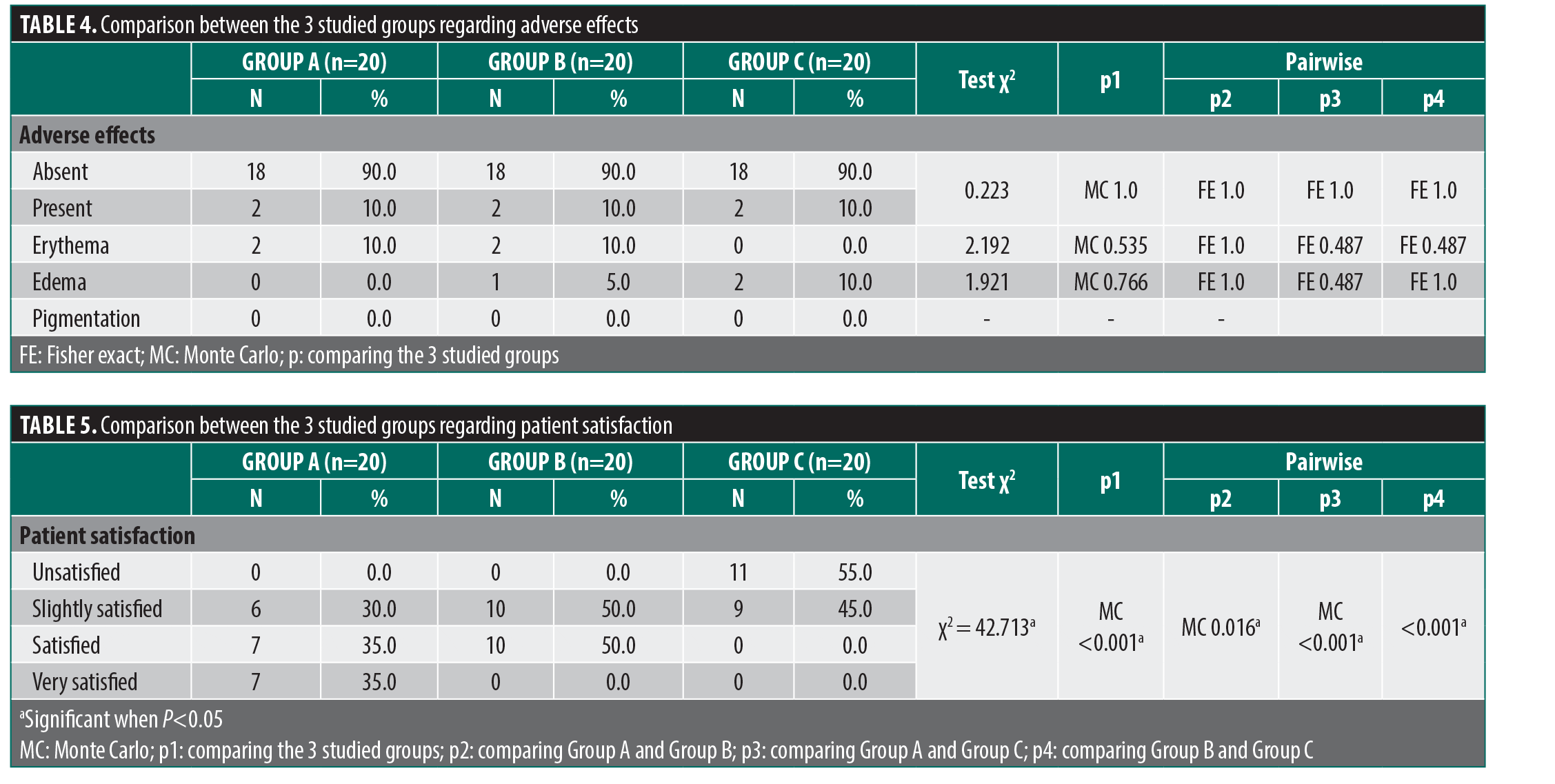
Post-treatment erythema and edema, which subsided within 2 to 3 days postprocedure, were reported in 10% of patients across all groups, without significant differences among the 3 groups (Table 4). Furthermore, there was a significant difference in patient satisfaction levels (P<0.001), with the highest rates in Group A, followed by Group B and Group C (Table 5).
Regarding pain levels among the treatment groups, a significant difference was observed (P=0.011). Groups A and B had a higher percentage of patients experiencing mild pain (45% and 50%, respectively), whereas 5% reported moderate pain in Group A. In contrast, Group C reported a higher percentage of patients with no pain (90%).
Discussion
In atrophic postacne scars, merging different therapeutic techniques can provide a synergistic effect and optimize outcomes.14 This study revealed that microneedling-assisted delivery of TCA showed the greatest efficacy results among the study groups. Similar to our results, Solanki et al15 investigated microneedling with TCA, 15%, and observed an early reduction in rolling and boxcar scars compared to icepick scars. Additionally, researchers in Egypt reported significant improvement when combining microneedling and TCA for atrophic postacne scars, but this was at a higher TCA concentration of 30%.16 In another multimodal approach of subcision, microneedling, and TCA, 15%, studied by Garg and Baveja,17 all patients achieved at least a 1-grade improvement in scar severity after 6 treatment sessions.
El-Domyati et al18 reported that combining microneedling with TCA, 15%, was more effective than combining microneedling with platelet-rich plasma. Their clinical results were additionally confirmed at the histopathologic level by increased epidermal thickness, better collagen organization, and a marked reduction in abnormal elastic fibers. These results highlight the therapeutic benefits of combination approaches and provide additional support for our findings.
Patients in Group B showed a significant improvement in scar severity, although to a lesser extent than those in Group A. This reflects the limited collagen remodeling capability of topical adapalene compared to TCA or the need for higher concentrations of adapalene to achieve similar results to TCA.
In a retrospective study, Chandrashekar et al19 evaluated the efficacy of a topical combination of 0.025% retinoic acid and 12% glycolic acid for treating both acne scars and postinflammatory hyperpigmentation. Most patients showed improvement in scar grades. These findings highlight the potential of topical retinoid-based therapies in enhanced scar remodeling. Accordingly, microneedling-assisted delivery of a topical retinoid such as adapalene, as evaluated in our study, is intended to offer superior outcomes by using the complementary effects of both treatments.
In a similar context, Loss et al10 investigated the use of topical adapalene gel, 0.3%, for atrophic acne scars. Most patients achieved noticeable improvements in scar grades and skin texture. To the best of our knowledge, this is the first study to investigate microneedling-assisted delivery of topical adapalene. In the present study, microneedling monotherapy did not demonstrate a statistically significant improvement in acne scar severity, as assessed by either the ECCA grading scale or the GSGS. In contrast, the addition of TCA or adapalene to microneedling resulted in significantly greater clinical improvement, highlighting the benefit of combination therapy over microneedling alone.
In Group C, microneedling monotherapy showed limited improvement compared to Groups A and B. However, these results confirm the therapeutic role of microneedling alone, which can be explained by the mechanism of controlled micro-injuries promoting neocollagenesis.20
In agreement with patient satisfaction rates in our study, Ashraf et al16 assessed the relationship between therapeutic response and patient satisfaction after treatment with microneedling alone vs its combination with TCA, finding significantly higher satisfaction in the combination group.
The reported adverse effects in our study were generally acceptable and transient. These results align with those of Ashraf et al,16 who also reported transient erythema and mild hyperpigmentation as the most common adverse effect in patients treated with microneedling-assisted delivery of TCA, further supporting the safety of this combined approach.
This study also found that pain was mild and transient, with greater discomfort reported in the combination groups compared to microneedling alone. These findings are consistent with those of El-Domyati et al,21 who also reported minimal discomfort with microneedling, describing the procedure as tolerable with only slight burning and tightness that resolved within 24 to 48 hours. Both studies confirm that microneedling, even when combined with agents such as TCA or adapalene, remains a safe and comfortable option for patients.
Future perspectives. Numerous studies are currently investigating the development of microneedle-loaded patches and their possible applications in humans. Hirobe et al22 performed a clinical study using a retinoic acid-loaded microneedle patch for patients with seborrheic keratosis or senile lentigo, demonstrating promising results. Recently, Li et al23 developed Dendrobium polysaccharide-based microneedles, loaded with Celosia cristata flavonoids and adapalene nanoparticles for patients with acne vulgaris, yielding encouraging outcomes. This method of patient-friendly, home-use, sustained delivery of active therapeutics, including adapalene, via a small, microneedle-loaded patch could be the future for many patients suffering from postacne scarring.
Conclusion
Microneedling-assisted delivery of either TCA, 15%, or adapalene, 0.1%, showed satisfactory results and improvement in atrophic postacne scars. However, microneedling-assisted delivery of TCA was more effective. It is possible that microneedling-assisted delivery of higher adapalene concentrations or an adapalene-loaded sustained-release microneedle patch could provide superior therapeutic outcomes, which warrants study. This highlights the primary role of combination therapies in maximizing scar remodeling and patients’ satisfaction.
References
- Lee WJ, Jung HJ, Lim HJ, et al. Serial sections of atrophic acne scars help in the interpretation of microscopic findings and the selection of good therapeutic modalities. J Eur Acad Dermatol Venereol. 2013;27(5):643–646.
- Salameh F, Shumaker PR, Goodman GJ, et al. Energy-based devices for the treatment of acne scars: 2022 International consensus recommendations. Lasers Surg Med. 2022;54(1):10–26.
- Connolly D, Vu HL, Mariwalla K, et al. Acne scarring-pathogenesis, evaluation, and treatment options. J Clin Aesthet Dermatol. 2017;10(9):12–23.
- Bhargava S, Cunha PR, Lee J, Kroumpouzos G. Acne scarring management: systematic review and evaluation of the evidence. Am J Clin Dermatol. 2018;19(4):459–477.
- Sitohang IBS, Sirait SAP, Suryanegara J. Microneedling in the treatment of atrophic scars: a systematic review of randomised controlled trials. Int Wound J. 2021;18(5):577–585.
- Alster TS, Graham PM. Microneedling: a review and practical guide. Dermatol Surg. 2018;44(3):397–404.
- Mumtaz M, Hassan T, Shahzad MK, et al. Comparing the efficacy of intra-dermal platelet rich plasma (PRP) vs 50% trichloracetic acid (TCA) using cross technique for atrophic acne scars. J Coll Physicians Surg Pak. 2021;31(1):55–59.
- Bikash C, Sarkar R. Topical management of acne scars: the uncharted terrain. J Cosmet Dermatol. 2023;22(4):1191–1196.
- Tam C, Khong J, Tam K, et al. A comprehensive review of non-energy-based treatments for atrophic acne scarring. Clin Cosmet Investig Dermatol. 2022;15:455–469.
- Loss MJ, Leung S, Chien A, et al. Adapalene 0.3% gel shows efficacy for the treatment of atrophic acne scars. Dermatol Ther (Heidelb). 2018;8(2):245–257.
- Doshi A, Zaheer A, Stiller MJ. A comparison of current acne grading systems and proposal of a novel system. Int J Dermatol. 1997;36(6):416–418.
- Dreno B, Khammari A, Orain N, et al. ECCA grading scale: an original validated acne scar grading scale for clinical practice in dermatology. Dermatology. 2007;214(1):46–51.
- Freyd M. The graphic rating scale. J Edu Psychol. 1923;14(2):83–102.
- El-Domyati M, Medhat W. Minimally invasive facial rejuvenation: current concepts and future expectations. Expert Rev Dermatol. 2013;8(5):565–580.
- Solanki B, Relhan V, Sahoo B, et al. Microneedling in combination with 15% trichloroacetic acid peel vs 25% pyruvic acid peel in the treatment of acne scars. Dermatol Surg. 2023;49(2):155–160.
- Ashraf Mohammed Abd Allah M, Mohammad Abd El-Kareem I, Abd El-Menaem Abd El-Aal M. Skin microneedling plus spot trichloroacetic acid peel in the treatment of atrophic post acne scars: comparative split face study. Al-Azhar Med J. 2020;49(3):1279–1289.
- Garg S, Baveja S. Combination therapy in the management of atrophic acne scars. J Cutan Aesthet Surg. 2014;7(1):18–23.
- El-Domyati M, Abdel-Wahab H, Hossam A. Microneedling combined with platelet-rich plasma or trichloroacetic acid peeling for management of acne scarring: a split-face clinical and histologic comparison. J Cosmet Dermatol. 2018;17(1):73–83.
- Chandrashekar BS, Ashwini KR, Vasanth V, et al. Retinoic acid and glycolic acid combination in the treatment of acne scars. Indian Dermatol Online J. 2015;6(2):84–88.
- Schoenberg E, O’Connor M, Wang JV, et al. Microneedling and PRP for acne scars: a new tool in our arsenal. J Cosmet Dermatol. 2020;19(1):112–114.
- El-Domyati M, Barakat M, Awad S, et al. Microneedling therapy for atrophic acne scars: an objective evaluation. J Clin Aesthet Dermatol. 2015;8(7):36–42.
- Hirobe S, Otsuka R, Iioka H, et al. Clinical study of a retinoic acid-loaded microneedle patch for seborrheic keratosis or senile lentigo. Life Sci. 2017;168:24–27.
- Li F, Pang S, Hao S, et al. Dendrobium polysaccharide-based microneedles loaded with Celosia cristata flavonoids and adapalene nanoparticles for efficacious treatment of acne vulgaris. Int J Biol Macromol. 2025;310(Pt 4):143480.
From the 2nd Annual RAPIDS Immuno-Dermatology Conference: From Approval to Adoption—Translating Innovation Into Clinical Practice