
J Clin Aesthet Dermatol. 2026;19(10):15–23.
James Q. Del Rosso, DO; Lauren Lam, BScH, MD, FRCPC; Diego Ruiz Dasilva, MD; Joshua Burshtein, MD; Christopher G. Bunick, MD, PhD; Lara Shqair, BA; Andrea Murina, MD; Katrina H. Lee, MD; Jennifer Hsiao, MD; Tiffany Mayo, MD; Graham Litchman, DO, MS, FAAD; Andrew Ferrier, MD, PhD, FRCPC, DABD; Michael Payette, MD; Steve Daveluy, MD; Victoria Farley, MD; and Vivian Shi, MD
Dr. Del Rosso is with JDR Dermatology Research, Las Vegas, Nevada. Dr. Lam is the Vice President of the Canadian Hidradenitis Suppurativa Foundation, Calgary, Canada. Dr. Dasilva is with Eastern Virginia Medical School, Norfolk, Virginia. Dr. Burshtein is with the Department of Dermatology, University of Illinois Chicago, Chicago, Illinois. Dr. Bunick is with the Department of Dermatology, Yale School of Medicine, New Haven, Connecticut. Ms. Shqair is with the Icahn School of Medicine at Mount Sinai, New York, New York. Dr. Murina is with the Tulane University School of Medicine, New Orleans, Louisiana. Drs. Lee and Hsiao are with the Department of Dermatology, Keck School of Medicine of USC, Los Angeles, California. Dr. Mayo is with the University of Alabama at Birmingham, Birmingham, Alabama. Drs. Litchman and Farley are with Vivida Dermatology, Las Vegas, Nevada. Dr. Ferrier is with the Division of Dermatology, Department of Medicine, Faculty of Medicine & Dentistry, University of Alberta, Edmonton, Canada. Dr. Payette is with Central Connecticut Dermatology, Cromwell, Connecticut. Dr. Daveluy is with the Department of Dermatology, Wayne State University, Detroit, Michigan. Dr. Shi is with the Department of Dermatology, University of Washington, Seattle, Washington.
FUNDING: No funding was provided for this article.
Abstract: Despite greater awareness of hidradenitis suppurativa (HS) as a well-defined, chronic inflammatory skin disorder that can flare unpredictably and be highly symptomatic, both patients and clinicians face challenges in facilitating care that is expedient, effective, reasonably safe, and accessible. Fortunately, since the approval of the injectable anti–tumor necrosis factor (TNF)-α agent, adalimumab, in 2015 by the United States Food and Drug Administration (FDA), treating HS inflammation that is not visible clinically but is occurring steadily and progressively below the surface of the skin has proven to be of extreme importance to patients, especially as related to long-term management. The mechanism of action (MOA) of properly selected biologic therapy inhibits both the inflammation associated with active primary HS skin lesions and the subsequent irreversible fibrotic and cicatricial dermal sequelae that form due to destructive changes occurring more deeply within inflamed HS lesions. Over the past decade, the ability to therapeutically and pharmacologically halt the progression of irreversible tissue destruction in HS has emerged, first with anti–TNF-α therapy and then later with anti–interleukin (IL)-17 therapies. In this third article of a 4-part series on HS, information on therapeutic management is expanded to include secukinumab and bimekizumab, both FDA-approved anti–IL-17 monoclonal antibodies for moderate-to-severe HS in adults. Additional topics covered in this article embrace other MOAs and cascades of inflammation that are believed to markedly contribute to HS pathophysiology and provide therapeutic benefit, including systemic Janus kinase inhibitors and glucagon-like peptide-1 receptor agonists. Ultimately, the goal of this 4-part article series is to provide a substantial scientific foundation on the disease state coupled with a practical, reasonably comprehensive, and clinically useful collection of source information that can serve as a valuable “guidance tool” to assist clinicians in managing HS. As stated in the first article of this series, multiple authors have separately contributed individual sections inclusive of supporting references. All authors were primarily responsible for their individual sections but also participated in the review and finalization of the complete series of articles. The order of the authors reflects the order of appearance of their primary sections in the 4-part article series. Keywords: Hidradenitis suppurativa, secukinumab, bimekizumab, systemic Janus kinase inhibitors, glucagon-like peptide-1 receptor agonists
Secukinumab for hidradenitis suppurativa
Tiffany Mayo, MD
Secukinumab is a recombinant human monoclonal antibody targeting interleukin (IL)-17A, a key pro-inflammatory cytokine implicated in the pathophysiology of hidradenitis suppurativa (HS).1 The IL-17 family consists of 6 members, IL-17A through IL-17F, with IL-17A being the most biologically active subtype.2 Secukinumab selectively binds to free IL-17A, neutralizing its activity by preventing interaction with the IL-17 receptor, and has undergone thorough evaluation of its efficacy and safety profile.3–14
Randomized clinical trial outcomes in HS. The SUNSHINE (NCT03713619) and SUNRISE (NCT03713632) phase 3 clinical trials evaluated secukinumab in adults with HS.4 These 2 identical, multicenter, randomized, placebo-controlled studies evaluated the clinical efficacy and safety of secukinumab compared to placebo at Week 16 as assessed by achievement of Hidradenitis Suppurativa Clinical Response (HiSCR; defined as a decrease in abscess and inflammatory nodule count by 50% with no increase in draining fistulas). Two dosing regimens, 300 mg every 2 weeks (Q2W) and 300 mg every 4 weeks (Q4W), were evaluated over a 52-week period. While both demonstrated benefit, Q2W dosing yielded a slightly better overall response. At Week 16 in SUNSHINE, HiSCR was achieved by 45%, 42%, and 34% of participants in the Q2W, 4-week dose (Q4W), and placebo groups, respectively. In SUNRISE, HiSCR 42%, 46%, and 31% was achieved at Week 16 in the Q2W, Q4W, and placebo groups, respectively. Clinical response was significantly greater in the 2-week group compared to placebo (SUNSHINE: 45% Q2W vs 34% placebo, P=0.0070; SUNRISE: 42% Q2W vs 31% placebo, P=0.015); however, the Q4W group in SUNSHINE did not reach statistical significance. Participants experienced sustained response through 52 weeks as well as improvement in skin pain, health-related quality of life (HRQoL), and overall health status.4 These data provided a basis for an expanded indication in adolescents. Pediatric approval was obtained in March 2026 for patients aged >12 years weighing ≥30 kg (66 pounds) using safety data and pharmacokinetic modeling extrapolated from SUNSHINE and SUNRISE and already approved pediatric indications.14 This more recent pediatric approval, which now encompasses adolescent patients with HS, is a major therapeutic step forward for affected patients, their loved ones and caretakers, and for the clinicians and staff caring for them. Secukinumab clinical trials are depicted in Table 1.
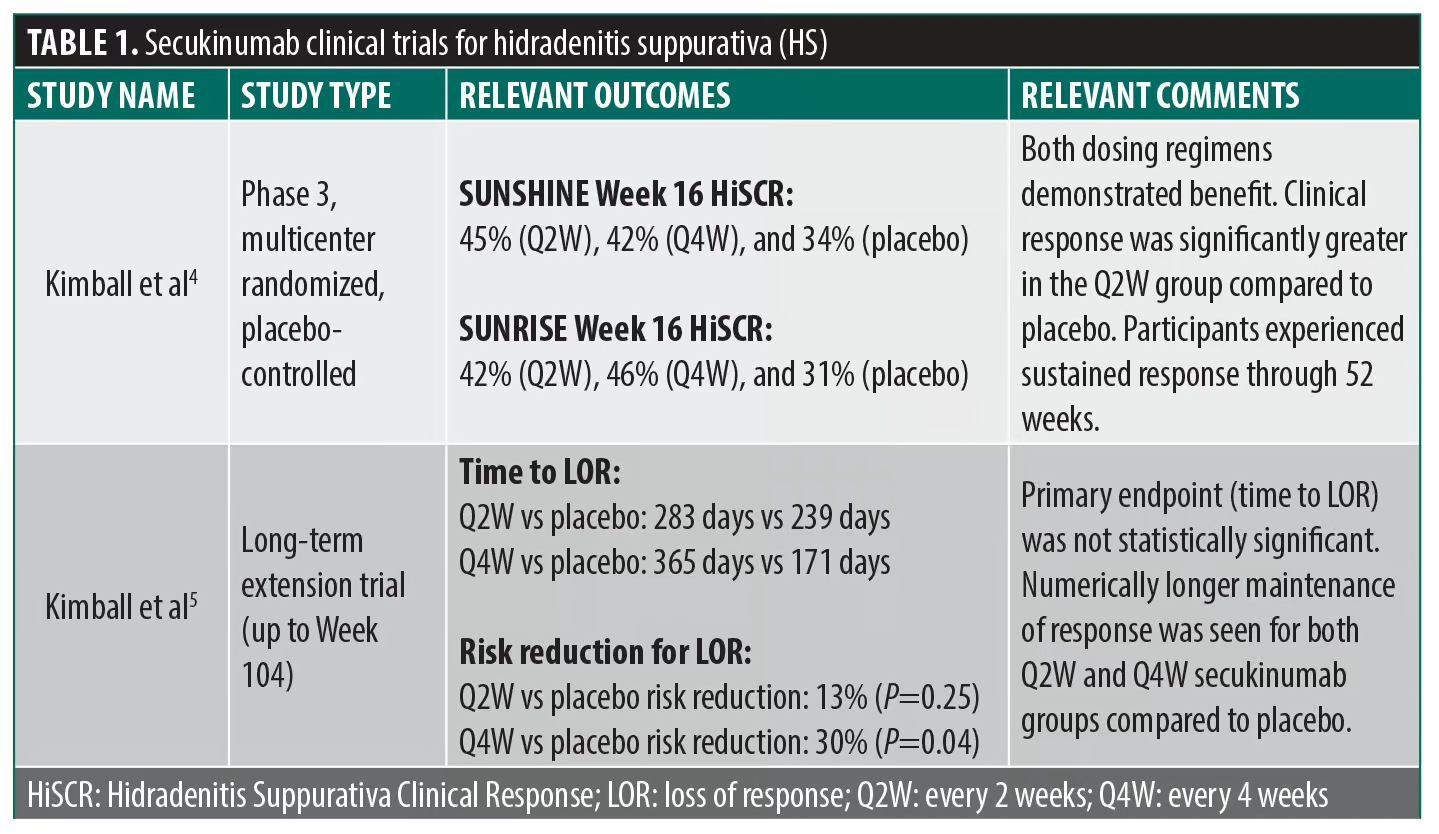
Long-term data through Week 204 show sustained efficacy. Although the primary endpoint, time to loss of response, was not statistically met, numerically longer maintenance of response was seen for both the Q2W and Q4W secukinumab groups compared to placebo.5 Further post-hoc analyses demonstrated efficacy regardless of prior biologic exposure with sustained clinical response, and continuous efficacy through Week 204, and support that early treatment initiation more often achieves clinical response compared to the presence of pre-existing long-standing HS.6,12,13
Safety data with secukinumab in HS. Secukinumab has demonstrated consistent safety and tolerability throughout long-term studies.4,5 However, IL-17 inhibitors are generally not recommended in patients with inflammatory bowel disease (IBD), as prior studies demonstrated a worsening of IBD with IL-17 inhibition.7 IBD is associated with HS, with a prevalence of up to 2% for Crohn’s disease and 1.3% for ulcerative colitis.8 No cases of IBD were noted in the SUNSHINE study, while 1% of patients in the SUNRISE study developed IBD. Candidiasis was reported in a small percentage of patients, with comparable rates to placebo. Injection-site reactions were uncommon.4 A systematic review and meta-analysis evaluating injection-site reactions, including erythema, pain, and pruritus, showed that secukinumab had the lowest prevalence of injection-site reactions compared to other biologics.9
Secukinumab is available in a 300-mg/2-mL single-dose pen or prefilled syringe. The United States (US) Food and Drug Administration (FDA)-recommended dose of secukinumab for HS is a 300-mg subcutaneous injection once weekly for 4 weeks followed by a dose once Q4W. Up-titration to Q2W is recommended in the case of inadequate response to Q4W. A post-hoc analysis of nonresponders to Q4W demonstrated improvement with up-titration to Q2W.10,11
Bimekizumab for HS
James Q. Del Rosso, DO; Andrea Murina, MD; and Graham Litchman, DO
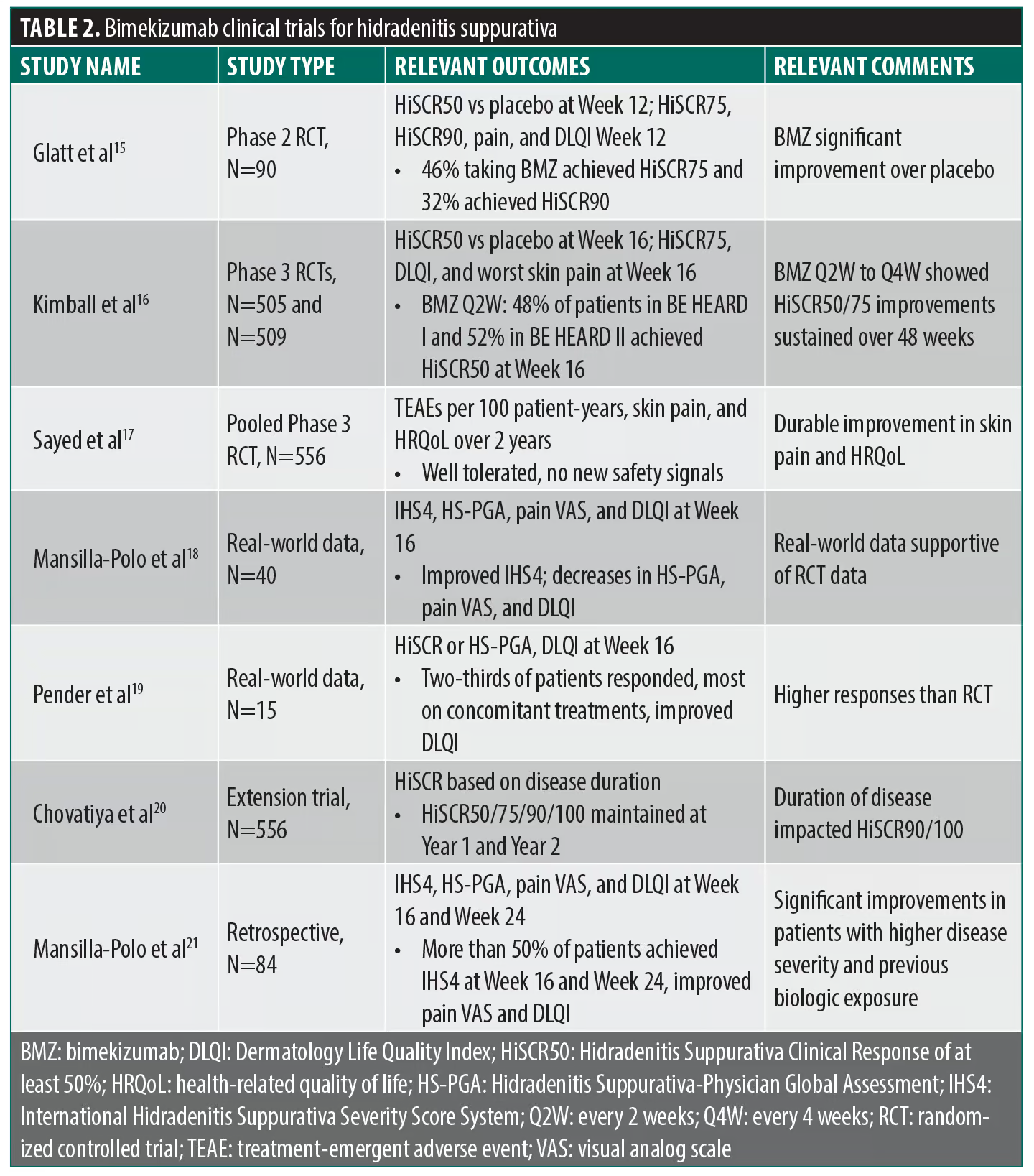
Bimekizumab is a humanized immunoglobulin G1 monoclonal antibody that antagonizes both IL-17A and IL-17F, is capable of inhibiting both homodimers and heterodimers of both IL-17 subfractions, and is supported for use in HS by multiple research studies (Table 2).15–21 This dual IL-17A/IL-17F inhibitor is FDA approved for the treatment of adults affected by a variety of inflammatory diseases, including moderate-to-severe HS, moderate-to-severe plaque psoriasis (PsO) in patients who are candidates for systemic therapy or phototherapy, active psoriatic arthritis (PsA), active nonradiographic axial spondyloarthritis (nr-axSpA) with objective signs of inflammation, and active ankylosing spondylitis.16,22 This section will focus on the efficacy and safety of bimekizumab for HS, including characteristics of dual IL-17A/IL-17F inhibition.
Is dual inhibition of IL-17A/IL-17F clinically relevant? There is strong support that dual inhibition of IL-17F and IL-17A provides augmented mechanistic and therapeutic benefit for inflammatory skin and joint disorders associated with increased IL-17 activation, including plaque PsO, psoriatic arthropathies, and HS, due to a more complete suppression of IL-17 pro-inflammatory signaling.8,16,23–29 Available evidence supporting the advantages of dual IL-17A/IL-17F inhibition over IL-17A inhibition alone, including for HS, includes the following:
- IL-17A and IL-17F both act synergistically with TNF-α and IL-1, cytokines that are pathophysiologically active in HS, to enhance and perpetuate cascades of inflammation induced by these cytokines;
- IL-17A and IL-17F exhibit similar homology and, together with other cytokines, synergistically drive neutrophil influx into inflammatory lesions, a key feature of HS;
- IL-17A and IL-17F are biologically similar isoforms and are both upregulated in HS;
- IL-17A and IL-17F are regulated differently by duration of effect and how they are stimulated (IL-17F is preferentially produced by some signal transducer and activator of transcription (STAT) 5 cytokines and IL-1β and is more highly upregulated in HS lesions than IL-17A);
- higher levels of IL-17 have been consistently noted in HS lesions and in perilesional tissue compared to control skin;
- both IL-17A and IL-17F have been observed in early HS lesions, with IL-17F–producing cells shown to localize to IL-1–expressing cells in chronic HS lesions;
- dysfunctional T-regulatory cells in HS express greater amounts of IL-17F;
- elevated IL-17 serum levels that correlate with disease severity have been observed in patients with HS; and
- clinical data support greater efficacy with dual IL-17A/IL-17F inhibition for PsO and PsA.8,16,23–29
Overview of clinical efficacy data. As stated above, Table 2 includes a selection of completed clinical trials of bimekizumab, with relevant study endpoints and outcomes highlighted.15–21 The 2 identical phase 3, 48-week, randomized controlled trials (RCTs; N=1,014) established rapid and deep clinically significant responses with bimekizumab for moderate-to-severe HS with recommended dosing established, including marked reductions in abscesses, nodules, and draining tunnels, and early successful responses maintained or increased over the 48-week study duration; an improvement in Dermatology Life Quality Index (DLQI) scores and a rapid reduction in worst skin pain as early as 2 weeks were also noted.16 These 2 RCTs (BE HEARD I [NCT04242446] and BE HEARD II [NCT04242498]) were the first phase 3 studies in HS to report HiSCR75 and HiSCR90 to Week 48; a progressive increase in HiSCR50 and HiSCR75 outcomes was noted in the initial treatment period (through Week 16) with bimekizumab 320 mg Q2W and the maintenance treatment period (Week 16 through Week 48) with either bimekizumab 320 mg Q2W or Q4W, thus supporting the option of switching to Q4W when a favorable initial response is observed as defined in the FDA-approved indication.16 A 2-year evaluation, inclusive of pooled results from the 2 phase 3 RCTs and their open-label extensions, assessed outcomes in 446 patients who received continuous bimekizumab for 2 years.17 Overall, sustained efficacy and safety were observed over the 2 years of evaluation with most patients achieving HiSCR50/75/90/100 at Year 2 (85.4%, 77.1%, 57.6%, and 44.2%, respectively).17
Differentiation of outcomes from real-life clinical use vs data from RCTs. Although limited by methodology, patient numbers, and other confounding variables, reports evaluating real-life clinical use and retrospective analyses have been supportive overall and generally consistent with RCT outcomes regarding the efficacy and safety of bimekizumab for HS.18,19,21,30,31 Importantly, results from RCTs are different and more stringent by their design and protocol requirements than are real-world studies and analyses; one approach is not necessarily “better than” or more clinically relevant than the other, especially based on what specific information the reader is looking to glean from the results. A multicenter, retrospective, observational study of adults with moderate-to-severe HS (N=78) treated with bimekizumab for up to 48 weeks reported some considerations related to real-world evidence that are highly clinically relevant. These considerations, which are commonly encountered in many patients with HS under real-world conditions, include the following: (1) patients seen in clinical practice often present with a greater severity of HS that renders them ineligible for enrollment in most RCTs; (2) many patients in clinical practice are affected by 1 or more comorbidities that are otherwise excluded from many RCTs; and (3) several patients in clinical practice undergo combined medical and procedural approaches to comprehensively treat their HS, which excludes them from RCT eligibility, with medical therapy (such as bimekizumab) used to treat inflammatory HS lesions and procedural/surgical approaches used to treat the irreversible fibrotic/cicatricial deeper HS lesions (especially patients staged as Hurley stage III).31 It is important to have an open mind and to critically evaluate outcomes from both RCTs and real-world evidence.
The combination of medical and procedural approaches can contribute markedly to the effectiveness of HS management, especially in patients who are already affected by extensive structural damage.31 This underscores the importance of recognizing that comprehensive management of HS is not only dependent on medical therapy selection, as was reviewed along with other therapeutic principles discussed in Part 2 of this article series.32 Nevertheless, when trying to control the magnitude of HS-associated inflammation and proactively attempt to prevent progression to irreversible fibrotic/cicatricial lesions, optimizing the selection of the most effective medical therapy that is also deemed a safe choice for the given patient is important. In the multicenter, retrospective observational study of adults with HS referenced above, 60% of patients were noted to have Hurley stage III disease at baseline, with a mean of 5 affected anatomic areas, and many had undergone previous treatment with adalimumab and/or secukinumab; bimekizumab was used for up to 48 weeks in 78 patients, with 56 patients (71.8%) completing 48 weeks of bimekizumab therapy. Notably, use of bimekizumab resulted in a marked progressive decrease in the severity of HS (based on International Hidradenitis Suppurativa Severity Score System [IHS4] disease severity rating) throughout the 48-week study, as evidenced by a shift from 88.5% rated as severe at baseline (IHS4 score >11) to 47.5% and 25% rated as severe at Weeks 16 and 48, respectively; approximately 1 in 4 patients achieved complete clinical remission (IHS4=0 score) at Week 48.31 Statistically significant progressive decreases (P<0.001) from baseline to Week 48 in the mean number of draining tunnels (from 3.3 to 1.0) and monthly flares (from 2.0 to 0.5) were also observed in this study.31 Although the study group is relatively small, these observations are clinically relevant, as it is unlikely that the realistic nature of this patient population with regard to disease severity, comorbidities, and combination approaches encountered in clinical practice will ever be captured in a large-scale RCT.
Overview of patient-reported outcomes (PROs). The 2 pivotal phase 3 RCTs with bimekizumab vs placebo showed marked improvements in PROs that paralleled the clinical improvements similarly observed over the course of the studies.16 For example, favorable outcomes with the DLQI and skin pain indices vs placebo, including rapid and clinically meaningful reductions in worst skin pain, and favorable responses with other scoring systems (ie, IHS4 and Hidradenitis Suppurativa Quality of Life [HiSQoL]) were all observed.16,33,34 A comprehensive analysis of PROs based on pooled 48-week results from the 2 pivotal phase 3 RCTs showed that bimekizumab achieved clinically meaningful improvements across multiple well-established PROs related to HRQoL incorporated as PRO study parameters for HS.35 Bimekizumab exhibited marked clinical improvements within 4 weeks across multiple PROs that were maintained over 12 months. By Week 16, greater numerical reductions correlating with improvements in specific PROs were noted with bimekizumab vs placebo, with further improvements noted from Week 16 through Week 48 with bimekizumab use.35
As pain is consistently noted as a common major burden in patients with HS, it is critical that clinicians and their staff not overlook the importance of asking the patient if they are experiencing pain and, if so, assessing its severity and impact on their life. An analysis of pooled 48-week results from the 2 phase 3 RCTs evaluated pain outcomes; the results from both the exploratory and post-hoc analyses up to 48 weeks using validated HS-specific pain measures demonstrated that bimekizumab induced rapid, continuous, and clinically meaningful decreases in skin pain.36 Another analysis of patients treated in the 2 pivotal phase 3 RCTs showed that rapid reduction in HS lesions by bimekizumab within 16 weeks translated to markedly improved PROs related to HRQoL, which were maintained over a prolonged duration of this study.37 These data on skin pain and rapid lesion reduction support the importance of not delaying escalation of therapy selection to an agent that can markedly diminish symptomatology such as pain, rapidly decrease inflamed HS lesions in patients with moderate-to-severe HS, and halt disease progression to prevent formation of irreversible HS lesions.
In the 2-year evaluation that includes the 2 phase 3 RCTs and their open-label extensions, bimekizumab consistently achieved efficacy inclusive of lesional, skin pain-associated, and HRQoL outcomes, which were maintained through 2 years of follow up.17 It is important to note that draining tunnels, which are a hallmark of progressing HS disease, were markedly reduced in number at Year 1, with only minimal increase when observed through Year 2 in patients without draining tunnels at baseline. Notably, the control of draining tunnels correlating with halting disease progression and the marked reduction in skin pain maintained over 2 years with bimekizumab use translated to a high proportion of patients noting impressive Hidradenitis Suppurativa Symptom Questionnaire skin pain responses and DLQI scores of 0/1.17
Overview of clinical safety data. The safety of bimekizumab is supported by an extensive body of patient exposure worldwide, with approval by 23 regulatory agencies in 52 countries, including for moderate-to-severe PsO, active PsA, and moderate-to-severe HS; 14 phase 3/3b clinical studies have been completed in HS, PsO, PsA, ankylosing spondylitis, and nr-axSpA.38 Safety analyses in PsO over 4 years and in HS over 2 years have demonstrated favorable and consistent safety results, with adverse events (AEs) consistent with the known safety profile of bimekizumab, a trend toward decreased frequency of AEs over time, and no new safety signals.17,39
Prior to starting therapy, it is suggested that patients undergo all age-appropriate vaccinations according to current immunization guidelines.22
Importantly, FDA-approved labeling notes no contraindications with bimekizumab.22 Nevertheless, specific warnings and recommendations are relevant and based on AEs reported in RCTs with bimekizumab for HS, with certain observations and suggestions also made here. Avoid use of bimekizumab in patients with an active clinically important infection until that infection is resolved. A common example would be herpes zoster. If a patient is affected by herpes zoster, withhold bimekizumab, treat the herpes zoster infection, and then consider restarting bimekizumab after the infection has resolved.
Oral candidiasis can occur in patients treated with anti–IL-17 agents, with reported rates higher with bimekizumab due to the dual inhibition of IL-17A/IL-17F; FDA-approved prescribing information states oral candidiasis occurred in 7.8% of patients treated with bimekizumab Q2W vs 0% with placebo.16,22 Most cases were mild or moderate in severity, were responsive to conventional oral or topical antifungal therapy (ie, oral fluconazole, topical nystatin), and did not lead to discontinuation of bimekizumab therapy.16 Repeated occurrences of oral candidiasis are less common and can be similarly treated. Tinea infections were reported but at a lower rate than candidiasis.22
Evaluation of patients for tuberculosis (TB) prior to initiating bimekizumab therapy is recommended in the FDA-approved prescribing information.22 Avoid bimekizumab use in the presence of active TB; initiate treatment for latent TB prior to starting bimekizumab.22
IBD has been associated with the use of agents that inhibit IL-17.40 It is recommended to avoid bimekizumab specifically in patients with active IBD in the FDA-approved prescribing information.22 Adjudicated definite or probable new-onset IBD was noted in 7 patients treated with bimekizumab in the phase 3 RCTs, with 4 discontinuing therapy.16 Interestingly, of the 8 patients who had a previous history of IBD in these same RCTs, none experienced flares of IBD.16 Clinical judgment and shared decision-making among the dermatology clinician, the patient, and the patient’s primary physician(s) are prudent in cases where there is a strong personal or family history of IBD.
Elevation of liver enzymes is sometimes encountered in clinical trials with biologic agents, including bimekizumab. The FDA-approved prescribing information for bimekizumab recommends baseline liver function tests (transaminases, alkaline phosphatase, bilirubin) prior to starting therapy and periodically thereafter based on “routine patient management”; it is recommended that bimekizumab be avoided in patients with acute liver disease or cirrhosis.22 Data reported over 2 years from 5 phase 3/3b trials with bimekizumab showed a low transaminase enzyme elevation rate (3× the upper limit of normal) of 3.5/100 patient-years (PY) that actually decreased to 2.3/100 PYs from Year 1 to Year 2; rates seen with bimekizumab were similar to rates reported with active study comparators, including placebo, adalimumab, secukinumab, and ustekinumab, during controlled study periods.41
Similar to what has been observed with some other chronic inflammatory skin disorders, increased risk of suicidal ideation and behavior (SI/B) has been reported among patients with HS.42,43 Importantly, there has been no definitive causal association between SI/B and bimekizumab as stated in the FDA-approved prescribing information.22 The suggestion that bimekizumab, and many other therapies used to treat PsO and HS in dermatology, may increase the risk of SI/B is at least partially refuted by the inherent association of SI/B with many chronic inflammatory skin disorders, including psoriasis and HS, and more strongly refuted by data in patients with PsO treated with bimekizumab and other biologic agents.43–45 An analysis of mental health changes/neuropsychiatric events monitored across 9 bimekizumab phase 2/3 clinical trials for PsO was inclusive of 7,166 PYs of bimekizumab exposure.44 The adjudicated SI/B rate was 0.09 to 0.54/100 PY for the general PsO population, 0.09 to 0.19/100 PY for anti–IL-23, 0.09 to 0.14/100 PY for anti–IL-17A, and 0.13 for anti–IL-17A/IL-17F (bimekizumab); additionally, low depression and SI/B levels were reported with bimekizumab based on established screening/monitoring questionnaires used during the clinical studies.44 Based on these data collected in multiple studies of patients treated for moderate-to-severe PsO, the SI/B risk with bimekizumab was low and consistent with or less than ranges reported in the general PsO population and consistent with anti–IL-17A and anti–IL-23 biologic agents.44 Nevertheless, and consistent with the FDA-approved prescribing information, it is important that all patients seen with HS be evaluated to determine if there is a history or current presence of severe depression or SI/B before initiating therapy for HS; if worsening depression, significant mood changes, or SI/B emerge, prompt medical attention is warranted.22
Recommended dosing of bimekizumab in HS. In adults with moderate-to-severe HS, administer bimekizumab 320 mg by subcutaneous injection Q2W over a period of 16 weeks (total of 9 injections) then Q4W thereafter.26 Bimekizumab is available as a 320-mg/2-mL (160 mg/mL) single-dose prefilled syringe or single-dose prefilled autoinjector.22
Systemic Janus kinase (JAK) inhibitors for HS
Andrew Ferrier, MD
Given the contribution of multiple JAK/STAT-signaling cytokines to HS pathobiology, JAK inhibition represents a rational therapeutic strategy.46,47 Isolated case reports of JAK inhibition support pathway plausibility in severe, refractory disease.48
Povorcitinib. The most extensively studied agent is povorcitinib, an oral JAK1-selective inhibitor. In a randomized, dose-ranging phase 2 study, povorcitinib produced clinically meaningful improvements vs placebo, helping to establish JAK1 as a tractable target in HS.49 These findings progressed to 2 large, global phase 3 programs (STOP-HS1 [NCT05620823] and STOP-HS2 [NCT05620836]). Data presented at the 2026 American Academy of Dermatology Annual Meeting showed that both povorcitinib doses (45 mg and 75 mg once daily) met the primary endpoint (HiSCR50 at Week 12) vs placebo, with responses continuing to rise through Week 54. Week 12 HiSCR50 was 40.2% and 40.6%, respectively, vs 29.7% in STOP-HS1 and 42.3% and 42.3% vs 28.6% in STOP-HS2; by Week 54, responses were 60.2% and 61.9% and 57.3% and 64.3% with continuous povorcitinib (observed cases).50 Higher-stringency outcomes also accrued, including HiSCR75 at Week 12, with increasing numbers achieving HiSCR90/100 by Weeks 24 and 54.50 Beyond lesion counts, draining tunnels declined from Week 3 (~35–42% by Week 12, ~39–51% by Week 24, and ~36–62% at Week 54), flares were reduced vs placebo, and a high percentage of patients achieved clinically meaningful improvements in several measures of QoL (eg, pain, DLQI). Safety remained consistent with prior experience (acne, nasopharyngitis, upper respiratory tract infection, headache; low laboratory abnormality rates).50
Upadacitinib. Running in parallel, upadacitinib (JAK1-preferential) has generated supportive real-world and randomized data. In a single-center retrospective cohort (N=20), HiSCR50 was achieved in 75% of patients by Week 4 and 100% by Week 12, with accompanying improvements in pain and quality of life with acceptable short-term safety.51 In a subsequent phase 2 randomized, placebo-controlled study, a once-daily 30 mg dose improved signs and symptoms, with HiSCR50 at Week 12 exceeding a prespecified historical placebo benchmark; benefits were durable through Week 40 and consistent across Hurley stage and prior anti-TNF exposure, with meaningful pain reductions and a favorable safety profile.47 A phase 3 program is underway in adult and adolescent patients refractory to anti-TNF therapy (STEP-UP HS; NCT05889182).52
Other JAK inhibitors. Beyond these JAK1-focused agents, a phase 2a umbrella RCT demonstrated higher Week 16 HiSCR with brepocitinib (dual tyrosine kinase 2 [TYK2]/JAK1) vs placebo (51.9% vs 33.3%); ropsacitinib (selective TYK2) did not separate from placebo.53 Taken with the povorcitinib and upadacitinib programs, these data reinforce JAK1 as the most validated target within the pathway to date for HS.
Potential uses of JAK inhibitors for HS. Although JAK inhibitors are not yet approved for HS, contemporary HS guidelines acknowledge their off-label use.54 Cohorts with HS are enriched for obesity, smoking, dyslipidemia, and cardiometabolic disease, all relevant to class warnings and patient selection.47,50,51 Accordingly, thoughtful risk stratification and routine safety surveillance are recommended. In practice, JAK inhibitors may be positioned as primary systemic therapy where rapid pain control and tunnel reduction are priorities; next-line options after anti-TNF or IL-17 exposure; or bridge/adjuncts in complex, refractory cases requiring multimodal regimens.
Across study designs, systemic JAK inhibition has delivered consistent improvements in lesions, tunnels, flares, and pain in real-world and randomized upadacitinib data and twin phase 3 povorcitinib trials. As programs mature, comparative effectiveness vs cytokine-specific biologics and longer-term safety will ultimately determine placement in the treatment algorithm, but current evidence supports JAK1 inhibition as a compelling, mechanism-based strategy for moderate-to-severe HS.47,50–53
Role of glucagon-like peptide-1 receptor agonists in the treatment of HS
Michael Payette, MD, MBA
Glucagon-like peptide-1 (GLP-1) is an endogenous hormone produced primarily by the enteroendocrine cells of the intestinal wall in response to food intake. By binding the GLP-1 receptor, GLP-1 plays a critical role in the regulation of blood sugar, by increasing insulin and decreasing glucagon secretion55; appetite, through action on the hypothalamus and gut to increase satiety56; gastrointestinal motility, via slowing of gastric emptying55; the gut-brain-pancreas axis, by impacting both digestion and food metabolism57; and blood pressure, by causing vasodilation and inhibiting the sympathetic nervous system.58 GLP-1 receptor agonists (RAs), such as tirzepatide, semaglutide, and liraglutide, are synthetic peptides that mimic endogenous GLP-1, and use of these therapies has exploded in popularity due to their applications in type 2 diabetes and weight loss. Recently, GLP-1 RAs have expanded into the treatment of dermatologic inflammatory diseases, in particular psoriasis and HS.
Benefits of weight loss in HS management. In HS, the direct benefit of weight loss is apparent, as obesity is both a predisposing and exacerbating risk factor for HS, increases skin friction, contributes to HS flares, inhibits wound healing, and leads to the co-occurrence of metabolic syndrome and type 2 diabetes in affected individuals.59 Patients with HS who have a body mass index (BMI) >30 have been shown to have elevated levels of irisin protein, peroxisome proliferator-activated receptor γ, and the insulin-like growth factor-1 receptor, which are markers of metabolic disorders and obesity.60,61 These same individuals also show increased expression of the IL-17 receptor, a notable pro-inflammatory cytokine involved in HS pathogenesis and an established target for treatment.60 Several studies have demonstrated that weight loss via bariatric surgery reduces both the prevalence and severity of HS lesions.62,63 However, the benefit of these medications appears to go beyond just weight loss.
GLP-1 RAs and anti-inflammatory effects. The most exciting therapeutic benefit of these medicines is their potential to be anti-inflammatory. A systematic review of GLP-1 RAs in patients with HS by Krajewski et al64 demonstrated significant reductions in inflammatory nodules, abscess formation, and overall disease severity. Al-Badri and Azar65 showed that GLP-1 RAs inhibit TNF-α, another notable pro-inflammatory cytokine involved in HS pathogenesis and an established target for treatment, and Hogan et al66 found that GLP-1 RAs can reduce invariant natural killer T-cell levels, which is significant as activation of these cells results in increased expression of pro-inflammatory cytokines such as interferon-γ, TNF-α, and IL-17. In a study by Mei et al,67 liraglutide therapy was associated with reduced TNF-α levels, reduced activation of the nuclear factor–κB pathway, reduced secretion of monocyte chemotactic protein 1, as well as suppression of IL-17, IL-22, and IL-23.
GLP-1 RAs, anti-inflammatory effects, and clinical improvements. These anti-inflammatory benefits correlate to clinical and symptomatic improvements in patients with HS. A retrospective study of 30 patients with obesity and HS treated with weekly semaglutide (~0.8 mg for ~8.2 months) resulted in lower weight (117.7 to 111.6 kg), decreased flare frequency (every 8.5 weeks to every 12 weeks), improved DLQI score (13 to 9), and modest reductions in inflammatory markers such as hemoglobin A1c and C-reactive protein.68 Similarly, a prospective case series of 14 patients with both HS and obesity who were treated with liraglutide 3 mg for 3 months demonstrated reductions in BMI (39.3 to 35.6); waist circumference (121.3 to 110.6 cm); systemic inflammatory markers such as CRP (4.5 to 3.0 mg/L), homocysteine (16.2 to 13.3 µmol/L), and plasma cortisol (15.9 to 12.6 µg/dL); and improved DLQI (12.3 to 9.7).69 In a study by Gouvrion et al70 that looked at 66 patients with HS who were treated with a GLP-1 RA for at least 3 months (median follow-up time of 18.5 months), 62% experienced a ≥1-point reduction in their Hidradenitis Suppurativa Physician Global Assessment score, 60% reported a decrease in pain, and 67% reported a reduction in the frequency of their flares. Additionally, these positive changes were observed in a subgroup of patients in which their other therapies remained unchanged, suggesting a direct effect of the GLP-1 RA.
Words of caution and the need for additional studies. While these findings are encouraging, it is important to recognize that most data to date come from small observational or retrospective studies with multiple possible confounders. RCTs are absent, and many patients in these small trials were treated with other therapies known to improve HS, including but not limited to systemic anti-inflammatories, antihormonal therapies, and biologic medications. It is also important to recognize that the complex pathogenesis of HS includes genetic predispositions, immune system dysregulation, and the impact of environmental and behavioral factors. Lastly, not all patients experience benefit from GLP-1 RAs, with some patients experiencing increased inflammation and more flares.64 Future studies that are prospective and controlled are required to add granularity to our understanding of how these potentially promising therapies might be optimally used in managing patients with HS.
What is coming up next?
In the fourth and final article of this series on HS, topics to be reviewed are office-based procedures in HS management, patient support programs for HS, putting it all together in managing HS, and a discussion on what is likely to be coming in the future to further improve HS management and the quality of life for patients affected by this difficult and life-altering condition.
Disclosures
Dr. Del Rosso is a consultant/advisor, research investigator, and/or speaker for AbbVie, Almirall, Alumis, Amgen, Apogee, Arcutis, Bausch Health/OrthoDermatologics, Beiersdorf, Biofrontera, Bluefin, Blueprint Medicines, Botanix, Bristol Myers Squibb, Cara, Celgene, Ferndale, Galderma, Incyte, Janssen, Johnson & Johnson, La Roche-Posay, LEO Pharma, Lilly, L’Oréal, MC2 Therapeutics, MoonLake, Novan, Oruka, Pelthos Therapeutics, Pfizer, Regeneron, Sanofi, Sun Pharma, Takeda, Trevi, UCB, and Verrica. Dr. Dasilva reports being an investigator for Galderma and Novartis; consultant/promotional speaker for AbbVie, Arcutis, Castle Biosciences, Dermavant/Organon, Galderma, Incyte, Johnson & Johnson, LEO Pharma, Lilly, Novartis, Pfizer, Sanofi/Regeneron, UCB, Takeda, Vanta Diagnostic, and Verrica; and a board member and associate editor for the Journal of Clinical and Aesthetic Dermatology and ReachRx. Dr. Bunick has served as an investigator and/or consultant for AbbVie, AbSci, Almirall, Alumis, Amgen, Apogee, Arcutis, AvantGuard, Avene, Botanix, Castle Biosciences, Connect BioPharma, Daiichi Sankyo, Dermavant, Disc Medicine, EPI Health/Novan, Galderma, Highlight Therapeutics, Incyte, LEO Pharma, Lilly, Novartis, Ortho Dermatologics, Palvella, Pfizer, Primus, Priovant, Regeneron, Sanofi, South Beach Symposium, Sun Pharma, Takeda, Timber, Teladoc, Triveni, UCB, Veradermics, and ZenZema. Dr. Murina is a speaker for AbbVie, Amgen, Botanix, Galderma, Johnson & Johnson, Ortho Dermatologics, Pfizer, and UCB and has served as a consultant for Johnson & Johnson, LEO Pharma, Lilly, Novartis, Ortho Dermatologics, Sun Pharma, Takeda, UCB, and Veradermics. Dr. Lee has served as an advisory board member and/or investigator for Incyte and Novartis. Dr. Hsiao has served as an advisor, investigator, and/or speaker for AbbVie, Amgen, Aclaris, Arcutis, AstraZeneca, Boehringer Ingelheim, Galderma, Incyte, Insmed, LEO Pharma, MoonLake, Navigator Medicines, Novartis, Oruka Therapeutics, Pfizer, Sanofi, Spyre, Regeneron, and UCB. Dr. Mayo has served as an investigator or consultant for AbbVie, Acelyrin, Arcutis, Bristol Myers Squibb, Boehringer Ingelheim, Galderma, Janssen, ITB, Incyte, La Roche-Posay, LEO Pharma, L’Oréal, Lilly, Merck, Novartis, Oruka, Pfizer, Procter & Gamble, Sanofi, Takeda, and UCB. Dr. Litchman has served as a consultant, investigator, and/or speaker for AbbVie, Almirall, Arcutis, Bristol Myers Squibb, Castle Biosciences, Galderma, Incyte, Janssen, Johnson & Johnson, LEO Pharma, Novartis, Organon, Pfizer, Regeneron, Sanofi-Genzyme, Sun Pharma, Takeda, UCB, and Veradermics. Dr. Ferrier reports consulting fees and/or serving on an advisory board for AbbVie, Arcutis, Bausch Health, Bristol Myers Squibb, CeraVe, Galderma, Janssen, Johnson & Johnson, LEO Pharma, Lilly, L’Oréal, Novartis, Sanofi, Sun Pharma, and UCB; speakers bureau/honoraria from AbbVie, Arcutis, Bausch Health, Galderma, Incyte, L’Oréal, Novartis, Sanofi, and Sun Pharma; and clinical trial/research participation as a Principal Investigator in clinical trials sponsored by AbbVie, Amgen, Avalo Therapeutics, Bristol Myers Squibb, Celldex Therapeutics, Insmed, Sanofi, and Sun Pharma. Dr. Payette is a speaker for AbbVie, Amgen, Arcutis, Botanix, Galderma, Incyte, Johnson & Johnson, Lilly, Novartis, Organon, Pfizer, Sanofi-Genzyme, Regeneron, Sun Pharma, and UCB; a consultant for AbbVie, Amgen, Apogee Therapeutics, Arcutis, Boehringer Ingelheim, Botanix, Bristol Myers Squibb, Castle Biosciences, Disc Medicine, FIDE, Galderma, Incyte, Johnson & Johnson, LEO Pharma, Lilly, Nielson Bio, Novartis, ONVIV, Ortho Dermatologics, Pfizer, Sanofi-Genzyme, Regeneron, Sun Pharma, Takeda, UCB, and VeraDermics; and an investigator for AbbVie, Botanix, Cara Therapeutics, CorEvitas (Atopic Dermatitis, Psoriasis and Generalized Pustular Psoriasis registries), Dermavant, Incyte, LEO Pharma, Lilly, Mindera Health, Novartis, and Oruka. Dr. Daveluy is a speaker and consultant for AbbVie, Incyte, Novartis, and UCB; a speaker for LEO Pharma; and an investigator for AbbVie, Incyte, Insmed, MoonLake, Novartis, Pfizer, Regeneron, Sanofi, and UCB. Dr. Farley is a clinical investigator with AbbVie, Amgen, Janssen, MoonLake, Novartis, Sun Pharma, and Takeda and on advisory boards for AbbVie, Galderma, Incyte, LEO Pharma, and Pfizer. Dr. Shi is on the board of directors for the Hidradenitis Suppurativa Foundation, an advisor for the National Eczema Association, and a stock shareholder of Learn Health and has served as an advisory board member, investigator, speaker, and/or received research funding from AbbVie, Almirall, Altus Lab/cQuell, Alumis, Apogee, Arcutis, Aristea Therapeutics, ASLAN, Avalo, Bain Capital, Boehringer Ingelheim, Burt’s Bees, Castle Biosciences, Ceraclere, Dermavant, Dermira, Galderma, Genentech, GpSkin, Incyte, Insmed, Kiniksa, LEO Pharma, Lilly, Menlo Therapeutics, MoonLake, MYOR, Navigator Medicine, Novartis, Oruka, Pfizer, Polyfins Technology, Sanofi/Regeneron, Skin Actives Scientific, Sun Pharma, Takeda, Target-PharmaSolutions, UCB, Veradermics, and ZuraBio. The remaining authors have no relevant conflicts of interest.
References
- Chu CB, Yang CC, Hsueh YY, et al. Aberrant expression of interleukin-17A in mast cells contributes to the pathogenesis of hidradenitis suppurativa. Br J Dermatol. 2023;189(6):719–729.
- McGeachy MJ, Cua DJ, Gaffen SL. The IL-17 family of cytokines in health and disease. Immunity. 2019;50(4):892–906.
- Stergianou D, Kanni T, Damoulari C, et al. An evaluation of secukinumab for the treatment of moderate-to-severe hidradenitis suppurativa. Expert Opin Biol Ther. 2024;24(4):225–232.
- Kimball AB, Jemec GBE, Alavi A, et al. Secukinumab in moderate-to-severe hidradenitis suppurativa (SUNSHINE and SUNRISE): week 16 and week 52 results of two identical, multicentre, randomised, placebo-controlled, double-blind phase 3 trials. Lancet. 2023;401(10378):747–761.
- Kimball AB, Bechara FG, Badat A, et al. Long-term efficacy and safety of secukinumab in patients with moderate-to-severe hidradenitis suppurativa: week 104 results from the SUNSHINE and SUNRISE extension trial. Br J Dermatol. 2025;192(4):629–640.
- Zouboulis CC, Passeron T, Pariser D, et al. Secukinumab in patients with moderate-to-severe hidradenitis suppurativa based on prior biologic exposure: an efficacy and safety analysis from the SUNSHINE and SUNRISE phase III trials. Br J Dermatol. 2024;190(6):836–845.
- Fauny M, Moulin D, D’Amico F, et al. Paradoxical gastrointestinal effects of interleukin-17 blockers. Ann Rheum Dis. 2020;79(9):1132–1138.
- Sabat R, Alavi A, Wolk K, et al. Hidradenitis suppurativa. Lancet. 2025;405(10476):420–438.
- Kim PJ, Lansang RP, Vender R. A systematic review and meta-analysis of injection site reactions in randomized-controlled trials of biologic injections. J Cutan Med Surg. 2023;27(4):358–367.
- COSENTYX. Prescribing information. Novartis; revised October 2023. Accessed 21 Aug 2026. https://www.accessdata.fda.gov/drugsatfda_docs/label/2024/761349s006lbl.pdf
- Alavi A, Badat A, Bechara FG, et al. 63451 Efficacy of secukinumab uptitration from every 4 weeks to every 2 weeks dosing between weeks 52-104 in week 52 HiSCR non-responder patients with moderate to severe hidradenitis suppurativa: a post hoc analysis of the SUNSHINE and SUNRISE extension trial. J Am Acad Dermatol. 2025;93(3):AB192.
- Porter ML, Zouboulis CC, Bechara FG, et al. Four-year efficacy and safety of continuous secukinumab in HS: SUNSHINE/SUNRISE core and extension trials. Poster presented at: 10th Annual Symposium on Hidradenitis Suppurativa Advances (SHSA); 31 Oct–2 Nov 2025; Nashville, Tennessee.
- Porter ML, Garg A, Sayed CJ, et al. Early treatment initiation with secukinumab: insights from the SUNSHINE/SUNRISE core trials. Poster presented at: 10th Annual Symposium on Hidradenitis Suppurativa Advances (SHSA); 31 Oct–2 Nov 2025; Nashville, Tennessee.
- Bieth B, Renard D, Bruin G, et al. Designing a secukinumab dosing regimen in adolescents with moderate to severe hidradenitis suppurativa using model-informed drug development. Poster presented at: American Academy of Dermatology Annual Meeting; 27–31 Mar 2026; Denver, Colorado.
- Glatt S, Jemec GBE, Forman S, et al. Efficacy and safety of bimekizumab in moderate to severe hidradenitis suppurativa: a phase 2, double-blind, placebo-controlled randomized clinical trial. JAMA Dermatol. 2021;157(11):1279–1288.
- Kimball AB, Jemec GBE, Sayed CJ, et al. Efficacy and safety of bimekizumab in patients with moderate-to-severe hidradenitis suppurativa (BE HEARD I and BE HEARD II): two 48-week, randomised, double-blind, placebo-controlled, multicenter phase 3 trials. Lancet. 2024;403(10443):2504–2519.
- Sayed CJ, Kirby B, Garg A, et al. Bimekizumab demonstrated a favorable safety profile and high levels of efficacy with up to 2 years of treatment in patients with moderate to severe hidradenitis suppurativa: pooled results from two phase 3 randomized, controlled trials and their open-label extension. J Am Acad Dermatol. 2026;94(3):867–878.
- Mansilla-Polo M, Pons-Benavent M, Fernández-Crehuet P, et al. Real-world effectiveness and safety of bimekizumab for hidradenitis suppurativa: an ambispective observational study. Australas J Dermatol. 2024;65(7):e198–e202.
- Pender EK, Carroll E, Visan MA, et al. Bimekizumab for treatment of moderate to severe hidradenitis suppurativa: a real-world, single center case series. Clin Exp Dermatol. 2026;51(8):1478–1481.
- Chovatiya R, Alavi A, Miyagawa T, et al. Bimekizumab 2-year efficacy by hidradenitis suppurativa duration: BE HEARD EXT results. J Eur Acad Dermatol Venereol. 22 Jul 2026.
- Mansilla-Polo M, Pons-Benavent M, Fernández-Crehuet P, et al; Spanish Hidradenitis Suppurativa Group (GEHS). Safety and efficacy of bimekizumab in patients with moderate-to-severe hidradenitis suppurativa: a multicenter retrospective cohort study. Actas Dermosifiliogr. 2026;117(3):104531.
- Bimzelx. Prescribing information. UCB; revised Nov 2024. Accessed 21 Aug 2026. www.bimzelx.com
- Shams RB, Sayed CJ. Bimekizumab for the treatment of hidradenitis suppurativa. Immunotherapy. 2024;16(16–17):1005–1013.
- Glatt S, Baeten D, Baker T, et al. Dual IL-17A and IL-17F neutralization by bimekizumab in psoriatic arthritis: evidence from preclinical experiments and a randomised placebo-controlled clinical trial that IL-17F contributes to human chronic tissue inflammation. Ann Rheum Dis. 2018;77(4):523–532.
- Molinelli E, Simonetti O. Bimekizumab: dual inhibition as a promising tool in the management of hidradenitis suppurativa. Lancet. 2024;403(10443):2457–2459.
- Skrzypczak T, Skrzypczak A, Matusiak Ł, Szepietowski JC. An evaluation of bimekizumab for the treatment of hidradenitis suppurativa. Expert Opin Biol Ther. 2025;25(8):811–819.
- Leland Shaver R, Lowes M, Goldfarb N. Pipeline therapeutics. In: Shi VY, Hsiao JL, Lowes MA, Hamzavi IH. A Comprehensive Guide to Hidradenitis Suppurativa. 1st ed. Elsevier Publishers; 2022:321–331.
- Frew JW, Hawkes JE, Krueger JG. A systematic review and critical evaluation of inflammatory cytokine associations in hidradenitis suppurativa. F1000Res. 2018;7:1930.
- Matusiak Ł, Szczęch J, Bieniek A, et al. Increased interleukin (IL)-17 serum levels in patients with hidradenitis suppurativa: implications for treatment with anti-IL-17 agents. J Am Acad Dermatol. 2017;76(4):670–675.
- Martora F, Megna M. Bimekizumab for hidradenitis suppurativa from trials to real life: a review of the published literature. Clin Cosmet Investig Dermatol. 2025;18:3511–3519.
- Mansilla-Polo M, García-Moronta C, Fernández-Crehuet P, et al. Long term effectiveness and safety of bimekizumab in patients with moderate to severe hidradenitis suppurativa under real clinical practice conditions: the importance of combined treatment in Hurley III patients and potential factors associated with complete response. Dermatol Ther (Heidelb). 2025;15(11):3267–3283.
- Del Rosso JQ, Lam L, Dasilva D, et al. Advancing our understanding of hidradenitis suppurativa: a comprehensive guide for clinicians designed to improve therapeutic outcomes for patients—part 2. J Clin Aesthet Dermatol. 2026;19(9):25–35.
- Thorlacius L, Esmann S, Miller I, et al. Development of HiSQOL: a hidradenitis suppurativa-specific quality of life instrument. Skin Appendage Disord. 2019;5(4):221–229.
- Zouboulis CC, Tzellos T, Kyrgidis A, et al. Development and validation of the International Hidradenitis Suppurativa Severity Score System (IHS4), a novel dynamic scoring system to assess hidradenitis suppurativa severity. Br J Dermatol. 2017;177(5):1401–1409.
- Shi VY, Ingram JR, Lev-Tov H, et al. Bimekizumab impact on patient-reported outcomes in patients with moderate to severe hidradenitis suppurativa: pooled 48-week results from BE HEARD I&II. Dermatol Ther (Heidelb). 2025;15(9):2553–2570.
- Ingram JR, Fujita H, Gottlieb AB, et al. Bimekizumab pain outcomes in patients with hidradenitis suppurativa: pooled 48-week results from BE HEARD I&II Phase 3 randomized clinical trials. Pain Ther. 2025;14(6):1861–1878.
- Daveluy S, Gottlieb AB, Augustin M, et al. Association between bimekizumab’s clinical response and patient-reported benefits on health-related quality of life: results from BE HEARD I and II. Dermatol Ther (Heidelb). 2026;16(7):3315–3329.
- UCB Inc, Smyrna, Georgia. Data on file and publicly available through contact with the company.
- Blauvelt A, Langley RG, Lebwohl M, et al. Bimekizumab durability of efficacy through 196 weeks and safety through 4 years in patients with moderate to severe plaque psoriasis: results from the BE BRIGHT open-label extension trial. J Am Acad Dermatol. 2025;93(3):644–653.
- Orzan OA, Tieranu CG, Olteanu AO, et al. An insight on the possible association between inflammatory bowel disease and biologic therapy with IL-17 inhibitors in psoriasis patients. Pharmaceutics. 2023;15(8):2171.
- Lebwohl M, Merola JF, Strober B, et al. Bimekizumab safety in moderate to severe plaque psoriasis: rates of hepatic events and changes in liver parameters over 2 years in randomized phase 3/3b trials. J Am Acad Dermatol. 2024;91(2):281–289.
- Ro C, Adawi W, Vera AO, Enos CW. New-onset psychiatric diagnoses, including suicidal ideation and suicide attempts, are more common among hidradenitis suppurativa patients compared to the general population: a propensity score-matched retrospective cohort-study of 43,707 patients utilizing the TriNetX research network. J Am Acad Dermatol. 2025;93(5):1319–1321.
- Patel KR, Lee HH, Rastogi S, et al. Association between hidradenitis suppurativa, depression, anxiety, and suicidality: a systematic review and meta-analysis. J Am Acad Dermatol. 2020;83(3):737–744.
- Blauvelt A, Armstrong A, Merola JF, et al. Mental health outcomes in patients with moderate to severe psoriasis treated with bimekizumab: analysis of phase 2/3 randomized trials. J Am Acad Dermatol. 2024;91(1):72–81.
- Burshtein J, Shah M, Zakria D, et al. Safety of bimekizumab for plaque psoriasis: an expert consensus panel. J Drugs Dermatol. 2024;23(8):592–599.
- Frew JW, Marzano AV, Wolk K, et al. A systematic review of promising therapeutic targets in hidradenitis suppurativa: a critical evaluation of mechanistic and clinical relevance. J Invest Dermatol. 2021;141(2):316–324.e2.
- Ackerman L, Schlosser BJ, Zhan T, et al. Upadacitinib in moderate-to-severe hidradenitis suppurativa: results from a phase 2, randomized, placebo-controlled study. J Am Acad Dermatol. 2025;92(6):1252–1260.
- Savage KT, Santillan MR, Flood KS, et al. Tofacitinib shows benefit in conjunction with other therapies in recalcitrant hidradenitis suppurativa patients. JAAD Case Rep. 2020;6(2):99–102.
- Kirby JS, Okun MM, Alavi A, et al. Efficacy and safety of the oral Janus kinase 1 inhibitor povorcitinib (INCB054707) in patients with hidradenitis suppurativa in a phase 2, randomized, double-blind, dose-ranging, placebo-controlled study. J Am Acad Dermatol. 2024;90(3):521–529.
- Porter ML, Martorell A, Sayed CJ, et al. Povorcitinib in patients with moderate to severe hidradenitis suppurativa: 54-week efficacy and safety results from the STOP-HS1 & STOP-HS2 phase 3 studies. Presented at: American Academy of Dermatology Annual Meeting; 27–31 Mar 2026; Denver, Colorado. Presentation 80034.
- Kozera E, Flora A, Frew JW. Real-world safety and clinical response of Janus kinase inhibitor upadacitinib in the treatment of HS: a retrospective cohort study. J Am Acad Dermatol. 2022;87(6):1440–1442.
- A study to assess change in disease activity and adverse events of oral upadacitinib in adult and adolescent participants with moderate to severe hidradenitis suppurativa who have failed anti-TNF therapy (Step-Up HS). ClinicalTrials.gov identifier: NCT05889182. Updated 30 Sept 2025. Accessed 21 Aug 2026. https://clinicaltrials.gov/study/NCT05889182
- Kimball AB, Peeva E, Forman S, et al. Brepocitinib, zimlovisertib, and ropsacitinib in hidradenitis suppurativa. NEJM Evid. 2024;3(3):EVIDoa2300155.
- Zouboulis CC, Bechara FG, Benhadou F, et al. European S2k guidelines for hidradenitis suppurativa/acne inversa, part 2: treatment. J Eur Acad Dermatol Venereol. 2025;39(5):899–941.
- Zheng Z, Zong Y, Ma Y, et al. Glucagon-like peptide-1 receptor: mechanisms and advances in therapy. Signal Transduct Target Ther. 2024;9(1):234.
- Park JS, Kim KS, Choi HJ. Glucagon-like peptide-1 and hypothalamic regulation of satiation: cognitive and neural insights from human and animal studies. Diabetes Metab J. 2025;49(3):333–347.
- Bodnaruc AM, Prud’homme D, Blanchet R, Giroux I. Nutritional modulation of endogenous glucagon-like peptide-1 secretion: a review. Nutr Metab (Lond). 2016;13:92.
- Martins FL, Bailey MA, Girardi ACC. Endogenous activation of glucagon-like peptide-1 receptor contributes to blood pressure control: role of proximal tubule Na+/H+ exchanger isoform 3, renal angiotensin II, and insulin sensitivity. Hypertension. 2020;76(3):839–848.
- Phan K, Charlton O, Smith SD. Hidradenitis suppurativa and metabolic syndrome – systematic review and adjusted meta-analysis. Int J Dermatol. 2019;58(10):1112–1117.
- Kaleta KP, Nikolakis G, Hossini AM, et al. Metabolic disorders/obesity is a primary risk factor in hidradenitis suppurativa: an immunohistochemical real-world approach. Dermatology. 2022;238(2):251–259.
- Cacciapuoti S, Scala E, Luciano MA, et al. Irisin, a novel metabolic biomarker in hidradenitis suppurativa: correlation with clinical responsivity to anti-TNF-α therapy. Ital J Dermatol Venerol. 2023;158(2):124–127.
- Kromann CB, Ibler KS, Kristiansen VB, Jemec GB. The influence of body weight on the prevalence and severity of hidradenitis suppurativa. Acta Derm Venereol. 2014;94(5):553–557.
- Canard C, Diaz Cives A, Gaubil-Kaladjian I, Bertin E, Viguier M. Impact of bariatric surgery on hidradenitis suppurativa. Acta Derm Venereol. 2021;101.
- Krajewski PK, Złotowska A, Szepietowski JC. The therapeutic potential of GLP-1 receptor agonists in the management of hidradenitis suppurativa: a systematic review of anti-inflammatory and metabolic effects. J Clin Med. 2024;13(21):6292.
- Al-Badri MR, Azar ST. Effect of glucagon-like peptide-1 receptor agonists in patients with psoriasis. Ther Adv Endocrinol Metab. 2014;5(2):34–38.
- Hogan AE, Tobin AM, Ahern T, et al. Glucagon-like peptide-1 (GLP-1) and the regulation of human invariant natural killer T cells: lessons from obesity, diabetes and psoriasis. Diabetologia. 2011;54(11):2745–2754.
- Mei J, Sun J, Wu J, Zheng X. Liraglutide suppresses TNF-α-induced degradation of extracellular matrix in human chondrocytes: a therapeutic implication in osteoarthritis. Am J Transl Res. 2019;11(8):4800–4808.
- Lyons D, Louly Nathan A, Pender E, et al. Semaglutide for weight loss in people with obesity as an adjunctive treatment for hidradenitis suppurativa: its impact on disease control and quality of life. Br J Dermatol. 2024;191(4):631–633.
- Nicolau J, Nadal A, Sanchís P, et al. Liraglutide for the treatment of obesity among patients with hidradenitis suppurativa. Med Clin (Barc). 2024;162(3):118–122.
- Gouvrion L, Delage M, Villani AP, et al. Glucagon-like peptide-1 receptor agonists in hidradenitis suppurativa. JAMA Dermatol. 2025;161(10):1084–1086.
From the 2nd Annual RAPIDS Immuno-Dermatology Conference: From Approval to Adoption—Translating Innovation Into Clinical Practice