
J Clin Aesthet Dermatol. 2026;19(9):25–35.
James Q. Del Rosso, DO; Lauren Lam, BScH, MD, FRCPC; Diego Ruiz Dasilva, MD; Joshua Burshtein, MD; Christopher G. Bunick, MD, PhD; Lara Shqair, BA; Andrea Murina, MD; Katrina H. Lee, MD; Jennifer Hsiao, MD; Tiffany Mayo, MD; Graham Litchman, DO, MS, FAAD; Andrew Ferrier, MD, PhD, FRCPC, DABD; Michael Payette, MD; Steve Daveluy, MD; Victoria Farley, MD; and Vivian Shi, MD
Dr. Del Rosso is with JDR Dermatology Research, Las Vegas, Nevada. Dr. Lam is the Vice President of the Canadian Hidradenitis Suppurativa Foundation, Calgary, Canada. Dr. Dasilva is with Eastern Virginia Medical School, Norfolk, Virginia. Dr. Burshtein is with the Department of Dermatology, University of Illinois Chicago, Chicago, Illinois. Dr. Bunick is with the Department of Dermatology, Yale School of Medicine, New Haven, Connecticut. Ms. Shqair is with the Icahn School of Medicine at Mount Sinai, New York, New York. Dr. Murina is with the Tulane University School of Medicine, New Orleans, Louisiana. Drs. Lee and Hsiao are with the Department of Dermatology, Keck School of Medicine of USC, Los Angeles, California. Dr. Mayo is with the University of Alabama at Birmingham, Birmingham, Alabama. Drs. Litchman and Farley are with Vivida Dermatology, Las Vegas, Nevada. Dr. Ferrier is with the Division of Dermatology, Department of Medicine, Faculty of Medicine & Dentistry, University of Alberta, Edmonton, Canada. Dr. Payette is with Central Connecticut Dermatology, Cromwell, Connecticut. Dr. Daveluy is with the Department of Dermatology, Wayne State University, Detroit, Michigan. Dr. Shi is with the Department of Dermatology, University of Washington, Seattle, Washington.
FUNDING: No funding was provided for this article.
Abstract: Hidradenitis suppurativa (HS) is a chronic inflammatory cutaneous disorder that often starts in the second or third decade of life, induces both inflammatory and cicatricial cutaneous lesions, and frequently involves intertriginous and anogenital anatomic sites. Abscesses, nodules, and draining tunnels are reversible inflammatory lesions that cycle over time through unpredictable periods of exacerbation; cicatricial lesions are permanent and persist as fibrotic scars and nondraining tunnels, the latter reflecting the shells of prior draining tunnels. HS has a profound adverse impact on overall quality of life with many affected individuals experiencing signs and symptoms that are consistently bothersome physically, psychosocially, and medically, often interfering with several major activities of daily living and enjoyment. The reader is encouraged to review the Part 1 article of this 4-part article series, published in this journal in August 2026, which included an introductory summary of the HS disease state, overview of pathophysiology and etiology, approach to physical examination, suggested fundamental/core laboratory evaluations, and rational assessment of potential comorbidities of HS. This second article of the series covers therapeutic management principles of HS, antibiotic management of HS, adalimumab for HS, and infliximab for HS. Ultimately, the goal of this 4-part article series is to be practical, reasonably comprehensive, and clinically useful as a “guidance tool” to assist clinicians in managing HS. As stated in Part 1, multiple authors have separately contributed individual sections inclusive of supporting references. All authors were primarily responsible for their individual sections but also participated in the review and finalization of the complete series of articles. The order of the authors listed in the article heading reflects the order of appearance of their primary sections in the 4-part article series. Keywords: Hidradenitis suppurativa, abscesses, nodules, draining tunnels, comorbidities
Therapeutic Management Principles of HS
James Q. Del Rosso, DO
Successful management of hidradenitis suppurativa (HS) always involves making a strong connection with the patient from the outset to establish their confidence in the dedicated interest and ability of the clinician and their staff to care for the totality of their condition. This applies regardless of when the clinician encounters the patient over the course of their disease. Patients with HS who have a long history of inadequate response to therapy both physically and psychosocially are among the most challenging, as many have unfortunately concluded that their options are limited and there is little hope for their case of HS. Ultimately, there is hope with several options to improve the lives for all patients with HS, regardless of the duration and severity of disease.
This article series emphasizes the clinical evaluation and management of HS. Fortunately, with the continued development of newer therapies and current availability of biologic agents that address the current manifestations and the underlying progression of HS inflammation, there is hope for patients with HS at all stages of disease.1–4 Several procedural approaches are available to manage irreversible cicatricial sequelae depending on the type of fibrotic lesion(s) present.3,5
General management principles. Six general principles apply to the comprehensive and individualized management for each patient affected by HS. How the clinician addresses each principle and the timing of their integration requires an individualized approach that is shared between the clinician and the patient.
Address the psychosocial impact (eg, depression, anxiety, social withdrawal) and physical symptomatology with interference of normal daily activities (eg, sitting, walking, sleeping, working, intimate contact, friction from clothing). The clinician can identify specific areas that warrant more immediate attention for each patient.
Identify and address modifiable risk factors such as smoking and high body weight/obesity based on individual patient characteristics. Timing of integration to address these factors can be determined on a case-by-case basis.
Assess for potential comorbidities that may warrant therapeutic intervention for an individual patient as described in the Part 1 article. How and when to address specific comorbidities can be determined on a case-by-case basis.
Establish the baseline “stage” of clinical disease including assessment of all affected sites. Suggested parameters used for this clinical staging are discussed below, including how they correlate with treatment selection and sequential monitoring of response to treatment over time.
Differentiate at baseline the inflammatory lesions from more fixed cicatricial/fibrotic lesions. Inflammatory lesions such as abscesses, nodules, and draining tunnels are more amenable to medical approaches (such as US Food and Drug Administration [FDA]-approved biologic agents) and some physical approaches. The cicatricial lesions (nondraining tunnels and scars) that are fibrotic are not adequately responsive to medical therapies and often warrant physical/surgical approaches, especially if symptomatic and/or physically obtrusive.
Consider connecting the patient with consultants or support groups to assist with individual challenges (eg, smoking cessation, weight reduction, dietary assistance, psychosocial support, stress management, lifestyle modification planning, community HS support programs). This approach can markedly augment what you and your support staff are able to provide within the confines of your clinical practice.
Physical examination and successful management. Keys to management success related to the physical examination are the establishment of the correct diagnosis; appropriate examination including all potentially affected anatomic sites; proper “staging” of the disease including severity at sites when first seen, which includes distinguishing reversible inflammatory lesions (eg, abscesses, nodules, draining tunnels [sinus tracts]) and irreversible cicatricial sequelae (nondraining tunnels, scars); and identifying significant signs and symptomatology including draining lesions and associated pain.
Cognitive evaluation and successful management. Keys to success related to cognitive management are consideration of the psychosocial aspects, such a social isolation, embarrassment, anxiety, and depression; assessment of potential factors that can trigger and/or prolong HS (eg, smoking, high body weight); evaluation for potentially significant medical comorbidities (reviewed in Part 1 of this series6); initial treatment selection correlated appropriately with the magnitude/severity of HS and individual patient factors; and adjustments in therapy over time based on assessment of disease progression and patient satisfaction with the therapeutic regimen.1,3,7
Where to start? An important approach when first encountering a patient with HS is to establish with them that your collective goals are to address their immediate concerns; to establish together a comprehensive plan that addresses the physical, psychosocial and medical aspects of their HS; and to maintain long-term, effective control of their HS so they can enjoy their life as fully as possible without the HS getting in the way. Relate to them that achieving the goals does not happen all at once. This includes informing them that there is no cookie-cutter approach for all patients with HS, and that you will individualize their care based on their specific clinical situation with adjustments made when needed over time. Ultimately, treatment selection will encompass an open dialogue of patient education, review of therapeutic options applicable to their case, a truthful discussion of reasonable expectations and anticipated time course of response, and suggested therapies based on HS disease severity and the presence of significant comorbidities.1,3,7
Matching treatment selection with HS disease severity. A complete review of the available treatment options is beyond the scope of this article, with several thorough reviews available in the literature that cover both medical and procedural therapies.1–5,7–11
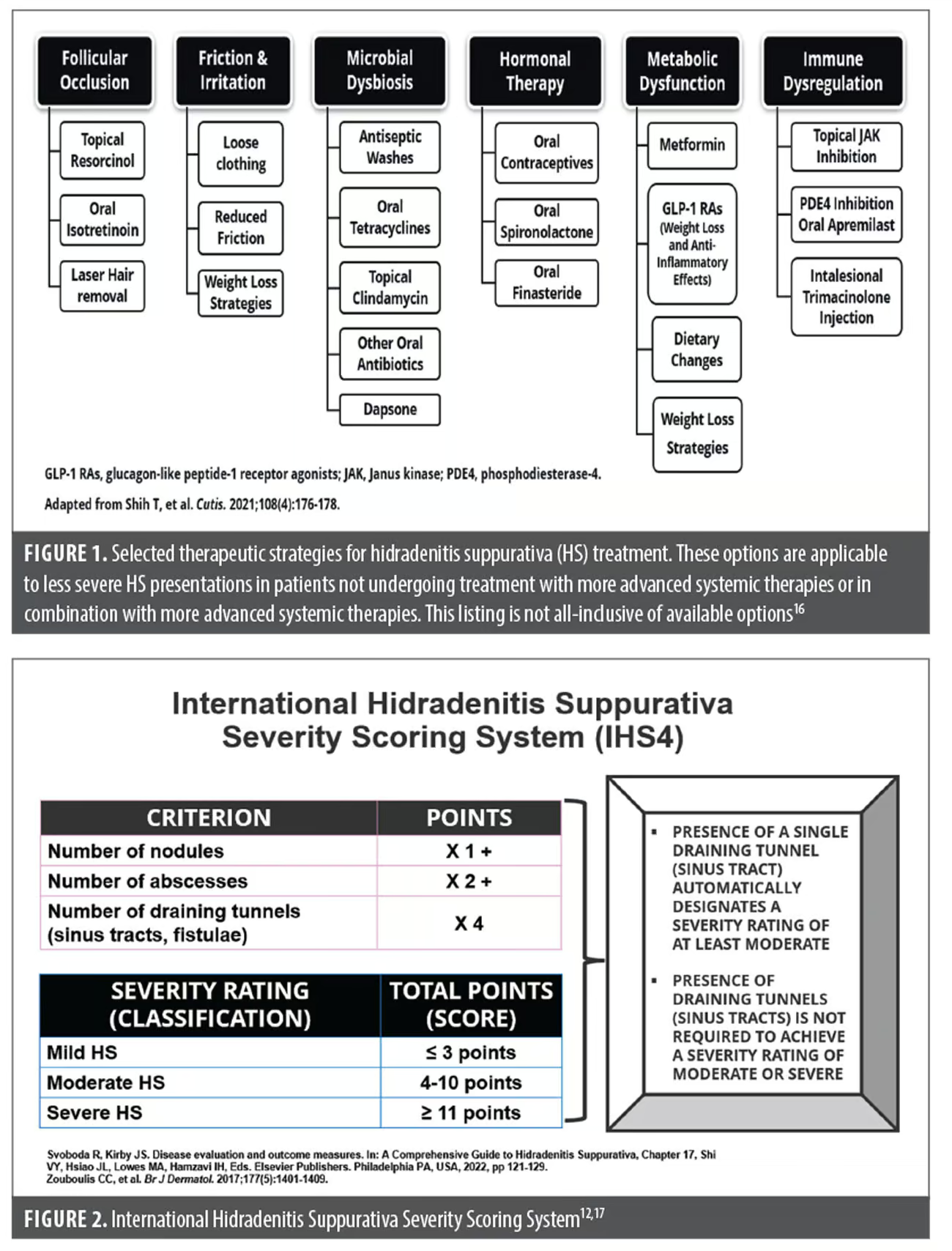
In addition to topical therapies and antibiotics, this article primarily discusses more recent approaches and advances in systemic therapies directed primarily at the inflammation in moderate-to-severe HS and procedural approaches for irreversible cicatricial lesions. However, it is important to recognize that depending on the disease characteristics and severity and patient preference, many options can be used, especially for patients with HS that is milder in severity and without tunnels (also referred to as sinus tracts) or scarring. Figure 1 depicts selected therapeutic options that are applicable to less severe HS presentations in patients not undergoing treatment with more advanced systemic therapies such as biologic agents or Janus kinase (JAK) inhibitors or in patients with more severe HS used in combination with more advanced systemic therapies.
Parameters to assess stage and severity of HS. Optimal evaluation of HS severity involves both clinician-assessed and patient-reported outcomes at the initial visit and at follow-up visits thereafter.1,12–15 Clinical trials incorporate a variety of assessment parameters that involve both objective (clinician-assessed) and subjective (patient-assessed) ratings (Figure 2).12–15 Herein we will focus on a few methods of assessment that are relevant, easy to use, and helpful to clinicians with decision-making in real-world clinical practice.
Hurley staging. Hurley staging is widely used as a measure to address disease severity in HS, including in clinical studies, despite its original intent to be used for presurgical staging.1,12,13 Divided into 3 stages, Hurley stage I (mild) indicates the presence of at least 1 abscess with no sinus tracts (tunnels) or scars in a given affected anatomic location. Hurley stage II (moderate) depicts 1 or more recurrent abscesses with the presence of sinus tracts and/or scars with discrete areas of intervening normal-appearing skin in a given affected anatomic location. Hurley stage III (severe) is characterized by complete or near-complete involvement of a given affected anatomic location with multiple abscesses, interconnected sinus tracts, and extensive scarring.1,12
Hurley staging is a static assessment and does not allow for evaluation of changes in severity over time, both with or without therapy, which significantly limits its clinical applicability. It is an important assessment tool in clinical practice, as a moderate or severe Hurley stage rating still remains as a protocol-mandated entry criteria used in clinical studies of newer systemic therapies such as biologic agents. As a result, most third-party companies involved in drug use authorizations and payments require documentation of Hurley Stage II or Hurley Stage III before granting drug approval.
International Hidradenitis Suppurativa Severity Scoring System (IHS4). Among the parameters used to assess outcome measures in clinical trials, the IHS4 was designed to also be applicable to the clinical setting for assessment of severity at each visit.1,12,13 This system, which was developed by an expert consensus panel and prospectively validated, allows the clinician to quantitatively assess the current disease status, progression of HS, and response to treatment at each visit.1,12,13 Unlike Hurley staging, the IHS4 is not static and is based on well-defined lesion types (nodules, abscesses, draining tunnels), which are quantitatively weighted to identify a point-based rating score that classifies the severity in the affected anatomic region as mild, moderate, or severe (Figure 2).1,12 Ease of use, consistency of documentation, and established validation of the scoring system support the IHS4 as an easy method for clinicians and their staff to use in clinical practice.
Integrating the IHS4 into treatment decisions in clinical practice. One of the major advantages of the IHS4 is the ability to quantitatively rate severity using a validated scoring system that correlates directly with mild, moderate, or severe HS at each patient visit. The system also defines the severity rating by accounting for the type and number of 3 distinct HS lesion types, with any 1 or more of them potentially correlating with moderate or severe disease (Figure 2). Importantly, the presence of a single draining tunnel automatically designates moderate severity, which is clinically significant as this reflects the presence of active inflammation within deeper cutaneous tissue that, in the absence of drainage, would be cicatricial only.
On initial evaluation or at any point during follow up, it is vital that clinicians identify the presence of or progression to moderate disease, as this approach provides a very time-sensitive “window of opportunity” for earlier intervention to halt further progression of HS.1,2 The clinical course of HS has been divided into 3 phases based on the presence and/or absence of inflammatory lesions with or without irreversible cicatricial lesions (tunnels, scars).1 The inflammatory phase presents with inflammatory nodules and abscesses without clinically evident irreversible skin destruction (draining tunnels, scars), corresponding to mild HS with an IHS4 score <3 or earlier moderate-to-severe HS without tunnels or scars characterized by an IHS4 score >4. The next step in HS disease progression is the destructive phase in which inflammatory abscesses and nodules are present along with tunnels and/or scars, corresponding to moderate-to-severe HS and an IHS4 score >4. The final stage in the progression of HS is the burnout phase, characterized by irreversible cicatricial lesions induced by skin destruction such as thickened scars and fibrotic bands without inflammatory abscesses, nodules, and/or draining tunnels. Importantly for the clinician, if a patient presents with an IHS4 score >4 at any point, this is the optimal time to initiate advanced systemic therapy such as an FDA-approved biologic agent for moderate or severe HS in order to diminish the time of exposure to skin destruction and progression through the destructive phase and into the subsequent burnout phase. Again, this time represents the window of opportunity to reduce inflammatory lesion flares and emergence of irreversible cicatricial and fibrotic lesions.
Practical integration of patient-reported outcomes (PROs) in clinical practice. Although PROs are secondary assessments/endpoints in clinical trials, they are among the major complaints or concerns that patients express to clinicians. These are important to document, as they at least qualitatively contribute to disease severity to further support treatment decisions and therapy selections. A PRO tool used in clinical trials that is specific and comprehensive for HS is the Hidradenitis Suppurativa Quality of Life Score (HiSQoL). The HiSQoL is divided into 3 components: symptoms (pain, itch, drainage, odor), psychosocial effects (depression, embarrassment, anxiety, ability to concentrate, sexual desire), and activities/adaptations (walking, sleeping, exercising, washing, dressing, ability to work/study, physical difficulty with sexual activity).12 It is unlikely that clinicians will use the actual HiSQoL tool in real-world clinical practice. What is recommended is that each clinician or practice develops their own method of capturing the adverse effects (AEs) in individual cases for chart documentation; for example, they can rate specific symptoms or AEs as mild, moderate, or severe (eg, severe pain, moderate drainage, moderate inability to sleep). Another option is to develop a numeric rating scale (NRS) such as 0 to 5, with 0 being no effect and 5 being maximum severity (eg, pain=5, drainage=4, inability to sleep=3). Consistency and clarity with the approach used by the clinician and all office staff in a given clinical practice is strongly recommended.
Antibiotic Management of HS
Christopher G. Bunick MD, PhD, and Lara Shqair, BA
Antibiotic therapy in HS acts through 2 complementary pathways. It reduces polymicrobial burden in occluded intertriginous niches, including anaerobe-rich biofilms that extend along epithelialized tunnels, and it modulates the neutrophil-dominant inflammatory circuit that sustains nociception, exudation, and perifollicular injury.18,19 The pathogenic cascade is believed to be initiated by follicular rupture, an event that releases keratin and microbial contents into the dermis and activates the innate immune system, and is frequently amplified by secondary bacterial processes with biofilm formation that promotes persistent, destructive inflammation and impairs wound healing.1,7,20,21 In clinical practice, well-chosen short courses of antibiotics can lessen tenderness and drainage and improve the wound environment, but effects on established, epithelialized tunnels are limited without structural intervention such as deroofing or excision. In this setting, antibiotics are appropriate as monotherapy for Hurley stage I and II presentations, whether localized or more widespread. In advanced disease, their role is adjunctive rather than primary, on account of lower response rates and increased recurrence, and is directed at reducing inflammatory burden and mitigating secondary infection rather than at achieving disease control alone. Use is best within a multimodal plan, with timely transition to advanced systemic therapies and/or with procedural/surgical management when structural disease persists.1,7,18–21
Microbiology is polymicrobial and spatially heterogeneous across disease stages.19 Early lesions and perilesional skin often include staphylococci, streptococci, and corynebacteria,22 whereas advanced lesions and tunnels are enriched with anaerobes such as Porphyromonas and Prevotella with variable gram-negative participation.23 These distribution patterns help calibrate the desired spectrum of antimicrobial activity, whereas the choice of topical vs oral route is driven primarily by lesion extent and Hurley stage rather than by microbiology alone.24
The immunopharmacology of key agents partially aligns with this biology and with known cytokine networks.25 Tetracyclines, including doxycycline, minocycline, and sarecycline, reduce neutrophil chemotaxis and oxidative burst, inhibit matrix metalloproteinases, and downregulate interleukin (IL)-1β and tumor necrosis factor (TNF)-α, with downstream effects on IL-6 and IL-8 or CXCL8; effects on the IL-17 axis can also be attenuated in inflamed tissue.26 Clindamycin diminishes toxin-driven signaling in perifollicular tissue and can interfere with biofilm assembly while reducing TNF-α, IL-6, and IL-8.27 Rifampin penetrates intracellular and biofilm niches and decreases nuclear factor–κB-dependent transcription and helper T cell 17 polarization.28 Dapsone inhibits neutrophil myeloperoxidase and reactive oxygen species (ROS) generation, which secondarily curbs chemokine-mediated recruitment including IL-8 (CXCL8).29 These mechanisms align with current understanding of HS pathophysiology, but mechanistic plausibility has not consistently translated into measurable clinical benefit. Most systemic antibiotic recommendations in HS rest on level II to III evidence, and doxycycline was not independently associated with improved outcomes in the PIONEER trials. Antibiotic selection therefore remains grounded in clinical assessment and experience.7
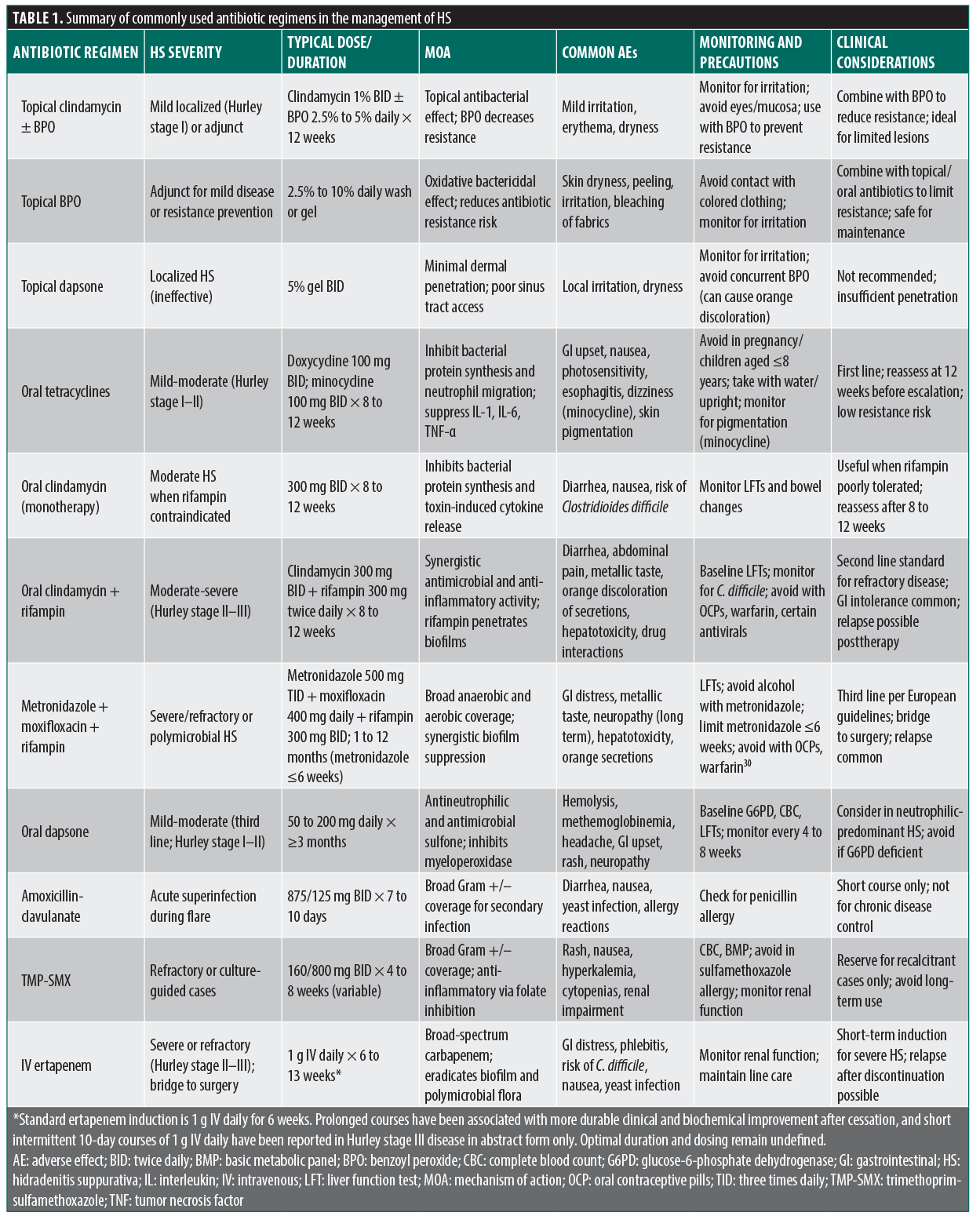
Agent selection should be grounded in phenotype rather than a prescriptive sequence. Determinants include lesion depth and anatomic distribution, the balance of superficial inflammatory nodules vs tunnel networks, pain and drainage burden, prior tolerance, comorbid risks such as glucose-6-phosphate dehydrogenase (G6PD) deficiency for dapsone, concomitant medications that may interact with rifampin through cytochrome P450 induction, and the desired spectrum of antimicrobial activity. Dose, duration, and laboratory monitoring considerations are listed in Table 1. The sections below outline topical and oral options, with an emphasis on mechanistic fit to phenotype and on setting accurate expectations in the presence or absence of structural disease.
Topical antibiotics. Topical clindamycin phosphate 1% is available as a lotion, solution, gel, foam, or pledgets.31 In intertriginous areas, a lotion or nonalcoholic solution is generally best tolerated, whereas gels and alcohol-based formulations may sting on inflamed or macerated skin.32 Foam or solution is preferred for hair-bearing regions (eg, axillae, perineum), and pledgets are convenient for small, discrete fields. Combination products of clindamycin phosphate 1.2% with BPO (3.75%–5%) offer both antimicrobial and antiseptic effects in a single product, while separate BPO washes can be used adjunctively.33
Mechanistically, clindamycin reduces surface bioburden and toxin-mediated perifollicular inflammation, showing greatest benefit for superficial papules and small nodules, with limited effect on sinus tracts or tunnel-predominant disease.34
Topical dapsone provides local anti-inflammatory effects by inhibiting myeloperoxidase and reducing ROS. It can modestly improve erythema and tenderness in superficial HS lesions when clindamycin is unsuitable.29,35 However, penetration into deeper nodules or tunnels is poor and clinical benefit is limited. When used concurrently with BPO, a temporary yellow-orange discoloration may appear, which is purely cosmetic.36
Other topical considerations. Topical tetracycline formulations are rarely used due to inadequate penetration into deep follicular or subcutaneous tissue. Antiseptic adjuncts such as BPO or chlorhexidine may reduce surface bacterial load but do not reproduce antibiotic efficacy for deeper HS lesions.7,20
Systemic antibiotics. Tetracyclines (eg, doxycycline, minocycline, sarecycline) are usually suggested as initial systemic therapy for mild-to-moderate HS. The North American clinical management guidelines for HS, developed by the United States and Canadian HS Foundations, recommend a typical course of 8 to 12 weeks (eg, doxycycline 100 mg twice daily), with efficacy comparable to the clindamycin-rifampin combination in clinical response and quality-of-life improvement.7,20,34,37–40 Tetracyclines are preferred for their favorable safety profile and lower risk of antimicrobial resistance compared to other antibiotic classes. Among them, sarecycline, a newer tetracycline derivative, offers a more narrow antimicrobial spectrum and a potentially lower risk of gastrointestinal or vestibular AEs, although efficacy data in HS are still limited.34,38–40
The combination of oral clindamycin (300 mg twice daily) and rifampin (300 mg twice daily) administered for 8 to 12 weeks is widely used for moderate-to-severe HS. In a prospective international cohort of 283 patients, Hidradenitis Suppurativa Clinical Response (HiSCR) was achieved in 48.2% of those receiving clindamycin plus rifampicin at 12 weeks, which did not differ significantly from oral tetracyclines (40.1%; P=0.26).40 A separate prospective study reported an initial HiSCR50 response in 19 of 26 patients (73%) immediately after 12 weeks of therapy, falling to 7 of 17 (41%) at 1 year, with a relapse mean of 4.2 months after treatment.41 The North American HS Foundation and European S2k consensus guidelines suggest this regimen as a key systemic antibiotic option in patients with more extensive or refractory disease.7,20,40,42 While highly effective, relapse after discontinuation is common, and gastrointestinal AEs can limit adherence. Rifampin requires attention to potential drug interactions and hepatic monitoring. Despite these drawbacks, this combination remains one of the most validated antibiotic regimens in HS management.27
Oral clindamycin monotherapy may be considered in patients who are unable to tolerate rifampin, with studies showing comparable efficacy and improved tolerability compared to combination therapy.43 It can serve as a bridge or maintenance therapy after initial combination response.7,20 The typical dosing regimen is 300 mg twice daily for 8 to 12 weeks, with clinical reassessment for relapse or the need for alternative systemic therapy thereafter. Long-term or repeated courses should be approached cautiously due to the risks of Clostridioides difficile infection and antimicrobial resistance.43
Oral dapsone, an anti-inflammatory sulfone, is considered a third-line oral antibiotic option for patients with Hurley stage I to II HS. Its efficacy is modest (approximately 38% response), with minimal benefit in Hurley stage III disease, and it should be reserved for patients intolerant or unresponsive to tetracyclines and clindamycin-based regimens.7,20,29,35 Oral dosing typically begins at 50 mg daily, titrating up to 200 mg daily as tolerated. A minimum 3-month trial is recommended to evaluate response. Close monitoring is essential due to potential hematologic toxicity (eg, hemolysis, methemoglobinemia, agranulocytosis), particularly in patients with G6PD deficiency.
Ertapenem is a broad-spectrum parenteral carbapenem antibiotic that has been recognized as an effective rescue therapy for severe, refractory Hurley stage III HS, particularly after multiple systemic and biologic agents have failed. Administered as 1 g intravenously daily for 6 to 12 weeks, ertapenem has shown rapid improvement in pain, drainage, and inflammatory burden, often inducing temporary remission or facilitating subsequent transition to maintenance therapies.7,20,44,45 Its efficacy is attributed to its potent activity against polymicrobial biofilms and anaerobic flora commonly implicated in inflammatory tunnels (sinus tracts) of HS.44,45 Despite these benefits, relapse after discontinuation is common, and prolonged intravenous therapy carries risks including C. difficile infection and antibiotic resistance. Therefore, ertapenem is commonly reserved for short-term induction therapy in severe, treatment-resistant HS.
Trimethoprim-sulfamethoxazole (TMP-SMX) and other antibiotic classes such as β-lactams, linezolid, and fluoroquinolones have been reported in small studies and case series, primarily for refractory HS unresponsive to standard regimens. Evidence supporting their efficacy remains limited and inconsistent.7,20,34,42 The North American HS Foundation7 and European guidelines42 acknowledge these agents as possible options in culture-guided, recalcitrant cases, emphasizing the need for dermatologic oversight due to risks of antimicrobial resistance, adverse drug reactions, and limited long-term safety data.
Additional antibiotic combinations, including amoxicillin-clavulanate, pristinamycin, metronidazole, and moxifloxacin-containing regimens, have been described in European practice but should remain reserved for specialist directed care.7,20,34,42
Adalimumab for HS
Andrea Murina, MD
Adalimumab (ADA) was the first approved systemic treatment for hidradenitis suppurativa (HS) in 2015 for patients with Hurley stage II or III disease. Early studies identified TNF inhibition as an effective way to reduce abscesses and nodules of HS.46,47 Initial randomized studies used an ADA 80-mg loading dose with a maintenance dose of 40 mg with mixed results.46–48 HS-Physician’s Global Assessment (HS-PGA) scores, Sartorius scores, and Hidradenitis Suppurativa Severity Index (HSSI) were used as primary endpoints in early studies, which made cross-study comparisons difficult. The HiSCR was validated using data from the phase 2 ADA trial and measured total abscess, inflammatory nodule, and draining fistula counts.49 The HiSCR is defined as at least a 50% reduction in total abscess and inflammatory nodule count with no increase in abscess count and no increase in draining fistulas.49 Although newer scoring systems have been developed, the HiSCR remains the most validated clinical trial assessment tool.
Clinical trial outcomes. The phase 2 trial of ADA for HS (NCT00918255) showed significantly greater HiSCR improvements in the 40-mg weekly dosing group, with a decrease in response when the frequency was reduced.47 This substantiated the need for more frequent dosing than for the psoriasis or psoriatic arthritis indications. In the PIONEER 1 (NCT01468207) and PIONEER 2 (NCT01468233) studies, patients were randomly assigned to receive ADA 40 mg weekly or placebo for 12 weeks.49 HiSCR response rates at Week 12 were significantly higher for the groups receiving ADA weekly than for the placebo groups: 41.8% vs 26.0% in PIONEER I (P=0.003) and 58.9% vs 27.6% in PIONEER II (P<0.001). The rates of serious AEs were similar to placebo. Treatment with ADA was shown to decrease skin pain as assessed by a visual analog scale (VAS), Dermatology Life Quality Index (DLQI), and work-related performance.50–52 An integrated analysis of the phase 2 and 3 studies indicated the overall risk of infections was lower in the active ADA treatment groups compared to placebo, highlighting the safety in HS, which can be frequently associated with skin infection.53 The open-label extension of the PIONEER trials showed that HiSCR clinical responses were maintained through Week 168 in 52.3% of patients who received ADA weekly.54 A summary of data from clinical trials on ADA is depicted in Table 2.
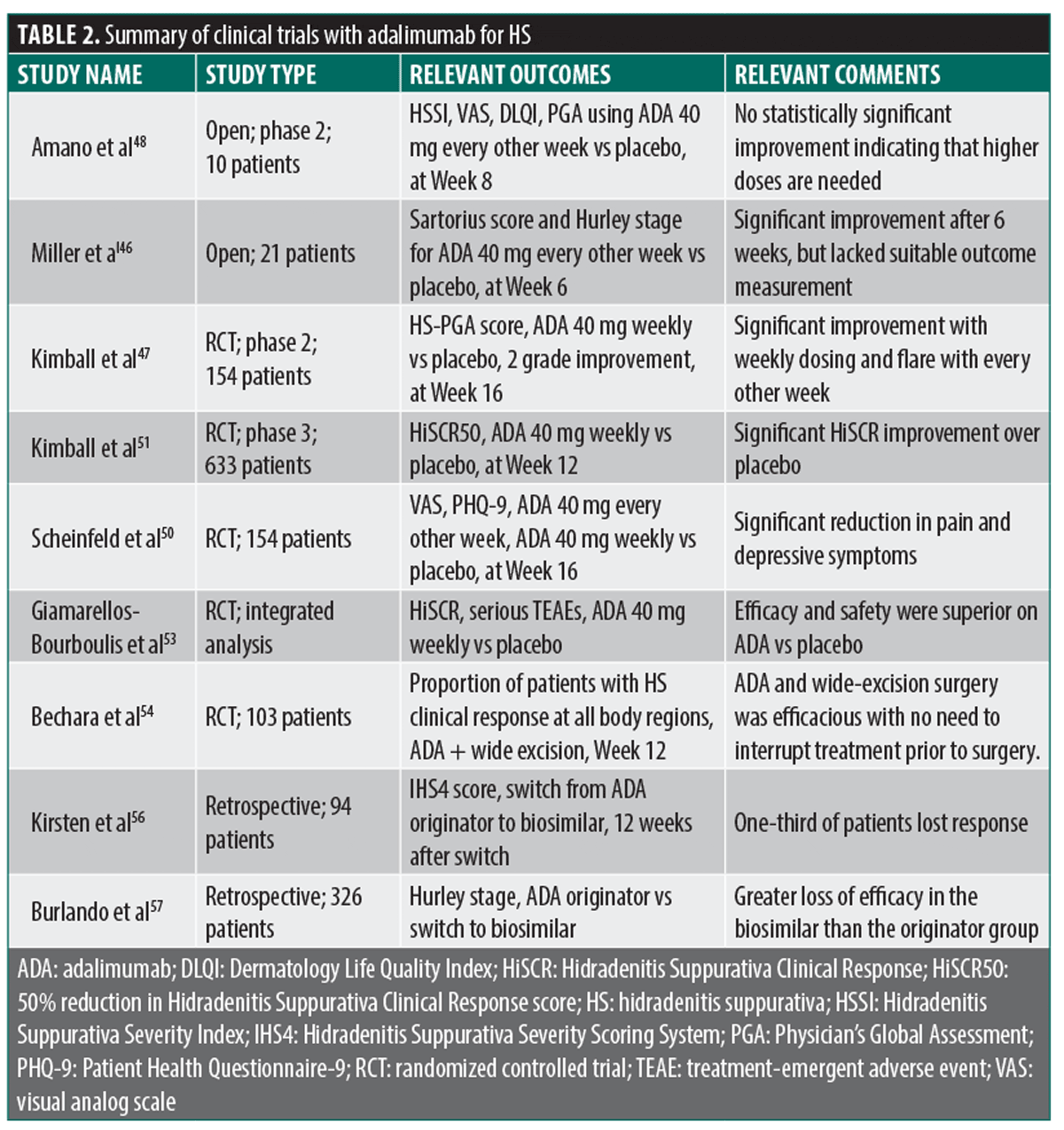
Combination of ADA used with wide-excision surgery. The SHARPS (NCT02808975) randomized control trial supported the use of ADA in conjunction with wide-excision surgery with second-intention healing.54 The SHARPS study supported concomitant use of medical and surgical therapies for HS without treatment interruption or an increase in AEs.54
Impact of biosimilars. In 2020, early studies on ADA biosimilars began to show efficacy and tolerability with good interchangeability with the originator drug.55 However, other studies showed a loss of efficacy when switching from originator to biosimilar, suggesting that patients with HS may benefit for remaining on their original drug.56,57
Impact of antidrug antibodies. In patients who have a suboptimal response to ADA after 12 weeks of use, some experts recommend testing ADA trough levels (low is <6 µg/mL) and ADA antibody levels to determine if dose escalation, the addition of methotrexate, or switching biologic class is necessary.58 With the availability of other biologic classes approved for HS, the need for therapeutic drug monitoring may be limited to patients who have contraindications to other therapies.
Infliximab for HS
Katrina Lee, MD, and Jennifer Hsiao, MD
Infliximab (IFX), an intravenous monoclonal antibody targeting TNF-α, is an effective agent backed by expert guidelines for the management of moderate-to-severe HS and may particularly be considered in cases where conventional therapies inadequately control the disease.20,42 Off-label use of IFX for severe and refractory cases is grounded in the overall efficacy and safety data that have been published across prospective trials, retrospective cohort studies, case series, and case reports. A 2021 meta-analysis of 314 patients with moderate-to-severe disease across 19 studies found an overall pooled response rate of 83% (95% CI: 0.71–0.91) among patients treated with IFX, with a significant majority of studies (n=17/19) reporting response rates of over 50%.59 The overall rate of reported serious AEs was 2.9% among a total of 273 patients for whom AE outcomes were known.59
Clinical study outcomes. A summary of clinical trials with infliximab used for treatment of HS are depicted in Table 3. In a phase 2, randomized, single-center, prospective, double-blind trial (NCT00795574) of 38 patients with moderate-to-severe HS published in 2010, IFX 5 mg/kg at Weeks 0, 2, and 6 (n=15) vs placebo (n=23) resulted in a greater mean change in DLQI (10 vs 1.6; P=0.003), higher mean decrease in pain as assessed by VAS (39.8 vs 0.6; P<0.001), and lower mean HS-PGA scores (1.8 vs 4.7; P<0.001) at Week 8.60 A long-term prospective interventional study of 8 patients treated with IFX 5 mg/kg every 4 weeks demonstrated good efficacy at 1 year, with a significant reduction in the number of involved sites (P<0.001) and flares (P<0.05).61 Furthermore, data from a retrospective cohort study comparing patients with severe, recalcitrant HS treated with IFX 5 mg/kg (n=10) every 8 weeks to adalimumab 40 mg every other week (n=10) revealed that IFX was not only superior in reducing Sartorius scores, quality-of-life scores, and patient and physician global assessment scores but also in reducing erythrocyte sedimentation rate and C-reactive protein values with sustained reductions at 1 year.62
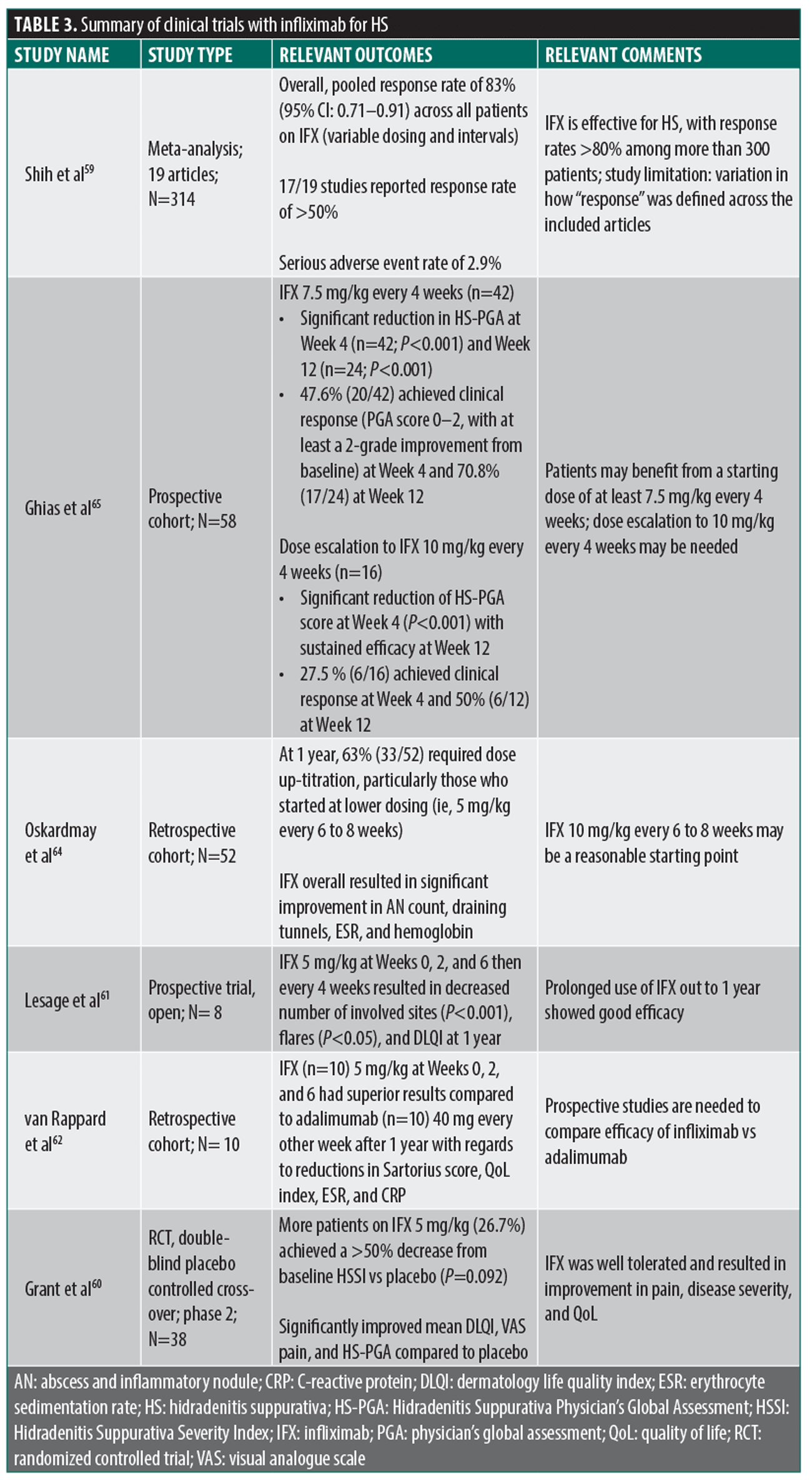
Earlier publications on IFX for HS had largely studied dosing regimens of 5 mg/kg, with induction doses at Weeks 0, 2, and 6 followed by every 4 to 8 weeks for maintenance,60,62,63 likely based on similar dosing schedules for approved inflammatory conditions such as ulcerative colitis, Crohn’s disease, and psoriatic arthritis. However, a more recent pivotal retrospective cohort study of 52 patients with HS on various doses of IFX (5–10 mg/kg every 6–8 weeks) found that most patients who achieved stable dosing, defined as an unchanged dose or frequency for at least 8 weeks, were dosed at 10 mg/kg every 6 or 8 weeks.64 The majority of patients (64%) required dose escalation.64 Similarly, a prospective analysis of 42 patients found that high-dose, high-frequency IFX (7.5–10 mg/kg every 4 weeks) resulted in reductions in HS-PGA and NRS pain scores with no documented serious AEs.65 In a cohort of 187 patients with HS who had taken at least 1 biologic, IFX was found to have longer drug survival (58.1 weeks) compared to other biologics (adalimumab, 37.4 weeks; ustekinumab, 26.1 weeks; guselkumab, 18.9 weeks; and secukinumab, 15.5 weeks; P<0.001).66 In addition, IFX 10 mg/kg every 4 weeks had longer survival compared to other IFX dosing regimens (P<0.001).66
Expert commentary on IFX use for HS. Although IFX is off label for HS, it is currently one of the most efficacious therapeutics available for HS and the authors consider it to be a first-line agent for severe and refractory cases. The weight-based dosing and ability to titrate frequency allow clinicians to customize the IFX treatment regimen to optimize outcomes. In addition, intravenous delivery likely contributes to the frequently observed robust and rapid onset of action due to the high bioavailability of the drug. These characteristics are particularly beneficial for patients with severe exudative disease that requires rapid control or with a high body mass index. Additionally, IFX is a helpful option for patients who are unhoused, without access to a refrigerator to store medications, or who are unable to self-administer an injectable medication. In the authors’ experience, optimal initial maintenance dosing of IFX for severe HS is approximately 10 mg/kg every 4 weeks, and we also have patients who are on even higher dosing regimens such as 15 mg/kg every 4 weeks or 10 mg/kg every 3 weeks. A recent paper also supports using a 3-week dosing interval for patients with recalcitrant disease.67
To help reduce antidrug antibody formation, a particularly challenging issue for IFX as a chimeric protein, methotrexate may be concomitantly prescribed at a dosage of 7.5 to 10 mg weekly.68 In some patients, combining IFX infusions with serial deroofing and excision procedures may eventually decrease overall disease burden such that, if possible, IFX may be slowly tapered to less frequent intervals.
Finally, we recognize that IFX infusions are not common in the day-to-day practice of dermatology. Tips for accessing IFX include partnering with a rheumatology colleague, especially for patients who have comorbid joint pain, or submitting the IFX prescription to an in-network infusion center or home infusion company. These companies will typically have IFX template order forms on their website that you and your staff can easily fill out, and they often also help with prior authorizations. Adding IFX to your treatment armamentarium for HS would be game-changing for your patients with severe, recalcitrant HS.
What is coming up next?
In the third article of this series, topics to be discussed include secukinumab, bimekizumab, systemic JAK inhibitors, and glucagon-like peptide 1 receptor agonists.
Disclosures
Dr. Del Rosso is a consultant/advisor, research investigator, and/or speaker for AbbVie, Almirall, Alumis, Amgen, Apogee, Arcutis, Bausch Health/OrthoDermatologics, Beiersdorf, Biofrontera, Bluefin, Blueprint Medicines, Botanix, Bristol Myers Squibb, Cara, Celgene, Ferndale, Galderma, Incyte, Janssen, Johnson & Johnson, La Roche-Posay, LEO Pharma, Lilly, L’Oréal, MC2 Therapeutics, MoonLake, Novan, Oruka, Pelthos Therapeutics, Pfizer, Regeneron, Sanofi, Sun Pharma, Takeda, Trevi, UCB, and Verrica. Dr. Dasilva reports being an investigator for Galderma and Novartis; consultant/promotional speaker for AbbVie, Arcutis, Castle Biosciences, Dermavant/Organon, Galderma, Incyte, Johnson & Johnson, LEO Pharma, Lilly, Novartis, Pfizer, Sanofi/Regeneron, UCB, Takeda, Vanta Diagnostic, and Verrica; and a board member and associate editor for the Journal of Clinical and Aesthetic Dermatology and ReachRx. Dr. Bunick has served as an investigator and/or consultant for AbbVie, AbSci, Almirall, Alumis, Amgen, Apogee, Arcutis, AvantGuard, Avene, Botanix, Castle Biosciences, Connect BioPharma, Daiichi Sankyo, Dermavant, Disc Medicine, EPI Health/Novan, Galderma, Highlight Therapeutics, Incyte, LEO Pharma, Lilly, Novartis, Ortho Dermatologics, Palvella, Pfizer, Primus, Priovant, Regeneron, Sanofi, South Beach Symposium, Sun Pharma, Takeda, Timber, Teladoc, Triveni, UCB, Veradermics, and ZenZema. Dr. Murina is a speaker for AbbVie, Amgen, Botanix, Galderma, Johnson & Johnson, Ortho Dermatologics, Pfizer, and UCB and has served as a consultant for Johnson & Johnson, LEO Pharma, Lilly, Novartis, Ortho Dermatologics, Sun Pharma, Takeda, UCB, and Veradermics. Dr. Lee has served as an advisory board member and/or investigator for Incyte and Novartis. Dr. Hsiao has served as an advisor, investigator, and/or speaker for AbbVie, Amgen, Aclaris, Arcutis, AstraZeneca, Boehringer Ingelheim, Galderma, Incyte, Insmed, LEO Pharma, MoonLake, Navigator Medicines, Novartis, Oruka Therapeutics, Pfizer, Sanofi, Spyre, Regeneron, and UCB. Dr. Mayo has served as an investigator or consultant for AbbVie, Acelyrin, Arcutis, Bristol Myers Squibb, Boehringer Ingelheim, Galderma, Janssen, ITB, Incyte, La Roche-Posay, LEO Pharma, L’Oréal, Lilly, Merck, Novartis, Oruka, Pfizer, Procter & Gamble, Sanofi, Takeda, and UCB. Dr. Litchman has served as a consultant, investigator, and/or speaker for AbbVie, Almirall, Arcutis, Bristol Myers Squibb, Castle Biosciences, Galderma, Incyte, Janssen, Johnson & Johnson, LEO Pharma, Novartis, Organon, Pfizer, Regeneron, Sanofi-Genzyme, Sun Pharma, Takeda, UCB, and Veradermics. Dr. Ferrier reports consulting fees and/or serving on an advisory board for AbbVie, Arcutis, Bausch Health, Bristol Myers Squibb, CeraVe, Galderma, Janssen, Johnson & Johnson, LEO Pharma, Lilly, L’Oréal, Novartis, Sanofi, Sun Pharma, and UCB; speakers bureau/honoraria from AbbVie, Arcutis, Bausch Health, Galderma, Incyte, L’Oréal, Novartis, Sanofi, and Sun Pharma; and clinical trial/research participation as a Principal Investigator in clinical trials sponsored by AbbVie, Amgen, Avalo Therapeutics, Bristol Myers Squibb, Celldex Therapeutics, Insmed, Sanofi, and Sun Pharma. Dr. Payette is a speaker for AbbVie, Amgen, Arcutis, Botanix, Galderma, Incyte, Johnson & Johnson, Lilly, Novartis, Organon, Pfizer, Sanofi-Genzyme, Regeneron, Sun Pharma, and UCB; a consultant for AbbVie, Amgen, Apogee Therapeutics, Arcutis, Boehringer Ingelheim, Botanix, Bristol Meyers Squibb, Castle Biosciences, Disc Medicine, FIDE, Galderma, Incyte, Johnson & Johnson, LEO Pharma, Lilly, Nielson Bio, Novartis, ONVIV, Ortho Dermatologics, Pfizer, Sanofi-Genzyme, Regeneron, Sun Pharma, Takeda, UCB, and VeraDermics; and an investigator for AbbVie, Botanix, Cara Therapeutics, CorEvitas (Atopic Dermatitis, Psoriasis and Generalized Pustular Psoriasis registries), Dermavant, Incyte, LEO Pharma, Lilly, Mindera Health, Novartis, and Oruka. Dr. Daveluy is a speaker and consultant for AbbVie, Incyte, Novartis, and UCB; a speaker for LEO Pharma; and an investigator for AbbVie, Incyte, Insmed, MoonLake, Novartis, Pfizer, Regeneron, Sanofi, and UCB. Dr. Farley is a clinical investigator with AbbVie, Amgen, Janssen, MoonLake, Novartis, Sun Pharma, and Takeda and on advisory boards for AbbVie, Galderma, Incyte, LEO Pharma, and Pfizer. Dr. Shi is on the board of directors for the Hidradenitis Suppurativa Foundation, an advisor for the National Eczema Association, and a stock shareholder of Learn Health and has served as an advisory board member, investigator, speaker, and/or received research funding from AbbVie, Almirall, Altus Lab/cQuell, Alumis, Apogee, Arcutis, Aristea Therapeutics, ASLAN, Avalo, Bain Capital, Boehringer Ingelheim, Burt’s Bees, Castle Biosciences, Ceraclere, Dermavant, Dermira, Galderma, Genentech, GpSkin, Incyte, Insmed, Kiniksa, LEO Pharma, Lilly, Menlo Therapeutics, MoonLake, MYOR, Navigator Medicine, Novartis, Oruka, Pfizer, Polyfins Technology, Sanofi/Regeneron, Skin Actives Scientific, Sun Pharma, Takeda, Target-PharmaSolutions, UCB, Veradermics, and ZuraBio. The remaining authors have no relevant conflicts of interest.
References
- Sabat R, Alavi A, Wolk K, et al. Hidradenitis suppurativa. Lancet. 2025;405(10476):420–438.
- Tzellos T. Conventional treatment of hidradenitis suppurativa: serving the “window of opportunity” concept. Clin Dermatol. 2025;43(4):485–489.
- Hendricks AJ, Hsiao J, Shi AY. Overview and comparison of hidradenitis suppurativa management guidelines. In: Shi VY, Hsiao JL, Lowes MA, Hamzavi IH. A Comprehensive Guide to Hidradenitis Suppurativa. 1st ed. Elsevier Publishers; 2022:130–144.
- Park SE, Hsiao JL, Aleshin MA. Innovations in hidradenitis suppurativa. Dermatol Clin. 2025;43(1):35–53.
- Jafarzadeh A, Torkaman N, Haeri Boroujeni D, Goodarzi A. Systematic review of laser and light-based procedural treatments for hidradenitis suppurativa. Lasers Med Sci. 2025;40(1):469.
- Del Rosso JQ, Lam L, Dasilva D, et al. Advancing our understanding of hidradenitis suppurativa: a comprehensive guide for clinicians designed to improve therapeutic outcomes for patients—part 1. J Clin Aesthet Dermatol. 2026;19(9):20–29.
- Alikhan A, Sayed C, Alavi A, et al. North American clinical management guidelines for hidradenitis suppurativa: a publication from the United States and Canadian Hidradenitis Suppurativa Foundations: part II: topical, intralesional, and systemic medical management. J Am Acad Dermatol. 2019;81(1):91–101.
- Orenstein LAV, Nguyen TV, Damiani G, et al. Medical and surgical management of hidradenitis suppurativa: a review of international treatment guidelines and implementation in general dermatology practice. Dermatology. 2020;236(5):393–412.
- Shipman WD 3rd, Williams MN, Suozzi KC, et al. Efficacy of laser hair removal in hidradenitis suppurativa: a systematic review and meta-analysis. Lasers Surg Med. 2024;56(5):425–436.
- Kerdel FR, Azevedo FA, Kerdel Don C, et al. Apremilast for the treatment of mild-to-moderate hidradenitis suppurativa in a prospective, open-label, phase 2 study. J Drugs Dermatol. 2019;18(2):170–176.
- Verrabagu SA, Jaleel T. Non-antibiotic and non-biologic systemic therapeutics. In: Shi VY, Hsiao JL, Lowes MA, Hamzavi IH. A Comprehensive Guide to Hidradenitis Suppurativa. 1st ed. Elsevier Publishers; 2022:167–181.
- Svoboda R, Kirby JS. Disease evaluation and outcome measures. In: Shi VY, Hsiao JL, Lowes MA, Hamzavi IH. A Comprehensive Guide to Hidradenitis Suppurativa. 1st ed. Elsevier Publishers; 2022:121–129.
- Santillan MR, Porter ML, Kimball AB. Clinical evaluation. In: Shi VY, Hsiao JL, Lowes MA, Hamzavi IH. A Comprehensive Guide to Hidradenitis Suppurativa. 1st ed. Elsevier Publishers; 2022:62–68.
- Cole EF, Savage KT, Orenstein LAV. Pain and itch control. In: Shi VY, Hsiao JL, Lowes MA, Hamzavi IH. A Comprehensive Guide to Hidradenitis Suppurativa. 1st ed. Elsevier Publishers; 2022:191–199.
- Walsh JR, Patel ZS, Nguyen TV. Quality of life. In: Shi VY, Hsiao JL, Lowes MA, Hamzavi IH. A Comprehensive Guide to Hidradenitis Suppurativa. 1st ed. Elsevier Publishers; 2022:208-214.
- Shih T, Shi V, Hsiao JL. Treatment stacking: optimizing therapeutic regimens for hidradenitis suppurativa. Cutis. 2021;108(4):176–178.
- Zouboulis CC, Tzellos T, Kyrgidis A, et al. Development and validation of the International Hidradenitis Suppurativa Severity Score System (IHS4), a novel dynamic scoring system to assess HS severity. Br J Dermatol. 2017;177(5):1401–1409.
- Molinelli E, De Simoni E, Candelora M, et al. Systemic antibiotic therapy in hidradenitis suppurativa: A Review on treatment landscape and current issues. Antibiotics (Basel). 2023;12(6):978.
- Soto-Moreno A, Haselgruber-de Francisco S, León-Pérez J, et al. The microbiome in hidradenitis suppurativa tunnels: a systematic review. Int J Dermatol. 2025;64(10):1802–1812.
- Alikhan A, Sayed C, Alavi A, et al. North American clinical management guidelines for hidradenitis suppurativa: a publication from the United States and Canadian Hidradenitis Suppurativa Foundations: part I: diagnosis, evaluation, and the use of complementary and procedural management. J Am Acad Dermatol. 2019;81(1):76–90.
- Fonjungo FE, Barnes LA, Aleshin MA. Antibiotic, hormonal/metabolic, and retinoid therapies for hidradenitis suppurativa. J Am Acad Dermatol. 2024;91(6S): S37–S41.
- Guet-Revillet H, Coignard-Biehler H, Jais JP, et al. Bacterial pathogens associated with hidradenitis suppurativa, France. Emerg Infect Dis. 2014;20(12):1990–1998.
- Ring HC, Sigsgaard V, Thorsen J, et al. The microbiome of tunnels in hidradenitis suppurativa patients. J Eur Acad Dermatol Venereol. 2019;33(9):1775–1780.
- Guet-Revillet H, Jais JP, Ungeheuer MN, et al. The microbiological landscape of anaerobic infections in hidradenitis suppurativa: a prospective metagenomic study. Clin Infect Dis. 2017;65(2):282–291.
- Park S, Bell A, Gibson R, et al. Advances in hidradenitis suppurativa pathogenesis and therapies from the Symposium on HS Advances 2023. J Invest Dermatol. 2024;144(8):1681–1684.
- Orylska-Ratynska M, Placek W, Owczarczyk-Saczonek A. Tetracyclines-an important therapeutic tool for dermatologists. Int J Environ Res Public Health. 2022;19(12):7246.
- Del Rosso JQ, Armillei MK, Lomakin IB, et al. Clindamycin: a comprehensive status report with emphasis on use in dermatology. J Clin Aesthet Dermatol. 2024;17(8):29–40.
- Haferland I, Wallenwein CM, Ickelsheimer T, et al. Mechanism of anti-inflammatory effects of rifampicin in an ex vivo culture system of hidradenitis suppurativa. Exp Dermatol. 2022;31(7):1005–1013.
- Wozel G, Blasum C. Dapsone in dermatology and beyond. Arch Dermatol Res. 2014;306(2):103–124.
- Simmons KB, Haddad LB, Nanda K, Curtis KM. Drug interactions between rifamycin antibiotics and hormonal contraception: a systematic review. BJOG. 2018;125(7):804-811.
- Clemmensen OJ. Topical clindamycin treatment in hidradenitis suppurativa. Int J Dermatol. 1983;22(5):325–328.
- Jemec GB, Wendelboe P. Topical clindamycin versus systemic tetracycline in the treatment of hidradenitis suppurativa. J Am Acad Dermatol. 1998;39(6):971–974.
- Aarts P, Reeves JL, Ardon CB, et al. Clindamycin-benzoyl peroxide gel compared with clindamycin lotion for hidradenitis suppurativa: a randomized controlled assessor-blinded intra-patient pilot study. Dermatology. 2023;239(4):670–674.
- Saunte DML, Jemec GBE. Hidradenitis suppurativa: advances in diagnosis and treatment. JAMA. 2017;318(20):2019–2032.
- López-Llunell C, Riera-Martí N, Gamissans M, Romaní J. Dapsone in hidradenitis suppurativa: a case series of 56 patients. Dermatol Ther. 2021;34(6):e15161.
- Dubina MI, Fleischer AB Jr. Interaction of topical sulfacetamide and topical dapsone with benzoyl peroxide. Arch Dermatol. 2009;145(9):1027–1029.
- Jørgensen AR, Yao Y, Thomsen SF, Ring HC. Treatment of hidradenitis suppurativa with tetracycline, doxycycline, or lymecycline: a prospective study. Int J Dermatol. 2021;60(7):785–791.
- Zhanel G, Critchley I, Lin LY, Alvandi N. Microbiological profile of sarecycline, a novel targeted spectrum tetracycline for the treatment of acne vulgaris. Antimicrob Agents Chemother. 2018;63(1):e01297-18.
- Vidal SI, Menta N, Friedman A. To acne and beyond: a review of sarecycline’s off-label uses. J Drugs Dermatol. 2024;23(9):792–793.
- Ch’en PY, Nosrati A, Torpey ME, et al. Sarecycline as a novel treatment modality for hidradenitis suppurativa: a clinical and patient perspective. Albert Einstein College of Medicine/Montefiore Medical Center. 2022. Accessed 11 Jul 2026. http://www.dermrefoundation.org/uploads/1/2/6/2/126228942/sarecycline_as_a_novel_treatment_modality_for_hidradenitis_suppurativa_1.pdf
- van Straalen KR, Tzellos T, Guillem P, et al. The efficacy and tolerability of tetracyclines and clindamycin plus rifampicin for the treatment of hidradenitis suppurativa: results of a prospective European cohort study. J Am Acad Dermatol. 2021;85(2):369–378.
- Zouboulis CC, Bechara FG, Benhadou F, et al. European S2k guidelines for hidradenitis suppurativa/acne inversa part 2: treatment. J Eur Acad Dermatol Venereol. 2025;39(5):899–941.
- Caposiena Caro RD, Cannizzaro MV, Botti E, et al. Clindamycin vs clindamycin plus rifampicin in hidradenitis suppurativa treatment: clinical and ultrasound observations. J Am Acad Dermatol. 2019;80(5):1314–1321.
- Nosrati A, Ch’en PY, Torpey ME, et al. Efficacy and durability of intravenous ertapenem therapy for recalcitrant hidradenitis suppurativa. JAMA Dermatol. 2024;160(3):312–318.
- Join-Lambert O, Coignard-Biehler H, Jais JP, et al. Efficacy of ertapenem in severe hidradenitis suppurativa: a pilot study in a cohort of 30 consecutive patients. J Antimicrob Chemother. 2016;71(2):513–520.
- Miller I, Lynggaard CD, Lophaven S, et al. A double-blind placebo-controlled randomized trial of adalimumab in the treatment of hidradenitis suppurativa. Br J Dermatol. 2011;165(2):391–398.
- Kimball AB, Kerdel F, Adams D, et al. Adalimumab for the treatment of moderate to severe hidradenitis suppurativa: a parallel randomized trial. Ann Intern Med. 2012;157(12):846–855.
- Amano M, Grant A, Kerdel FA. A prospective open-label clinical trial of adalimumab for the treatment of hidradenitis suppurativa. Int J Dermatol. 2010;49(8):950–955.
- Kimball AB, Sobell JM, Zouboulis CC, et al. HiSCR (Hidradenitis Suppurativa Clinical Response): a novel clinical endpoint to evaluate therapeutic outcomes in patients with hidradenitis suppurativa from the placebo-controlled portion of a phase 2 adalimumab study. J Eur Acad Dermatol Venereol. 2016;30(6):989–994.
- Scheinfeld N, Sundaram M, Teixeira H, et al. Reduction in pain scores and improvement in depressive symptoms in patients with hidradenitis suppurativa treated with adalimumab in a phase 2, randomized, placebo-controlled trial. Dermatol Online J. 2016;22(3):13030/qt38x5922j.
- Kimball AB, Okun MM, Williams DA, et al. Two phase 3 trials of adalimumab for hidradenitis suppurativa. N Engl J Med. 2016;375(5):422–434.
- Kimball AB, Tzellos T, Calimlim BM, et al. Achieving hidradenitis suppurativa response score is associated with significant improvement in clinical and patient-reported outcomes: post hoc analysis of pooled data from PIONEER I and II. Acta Derm Venereol. 2018;98(10):932–937.
- Giamarellos-Bourboulis EJ, Sobell J, Ryan C, et al. Infection-free clinical response among patients with hidradenitis suppurativa who were treated with adalimumab: results from two phase 3 studies. Wounds. 2017;29(11):E98–E102.
- Bechara FG, Podda M, Prens EP, et al. Efficacy and safety of adalimumab in conjunction with surgery in moderate to severe hidradenitis suppurativa: the SHARPS randomized clinical trial. JAMA Surg. 2021;156(11):1001–1009.
- Ricceri F, Rosi E, Di Cesare A, et al. Clinical experience with adalimumab biosimilar imraldi in hidradenitis suppurativa. Dermatol Ther. 2020;33(6):e14387.
- Kirsten N, Ohm F, Gehrdau K, et al. Switching from adalimumab originator to biosimilar in patients with hidradenitis suppurativa results in losses of response-data from the German HS Registry HSBest. Life (Basel). 2022;12(10):1518.
- Burlando M, Fabbrocini G, Marasca C, et al. Adalimumab originator vs. biosimilar in hidradenitis suppurativa: a multicentric retrospective study. Biomedicines. 2022;10(10):2522.
- Yang E, Chen SX, Saeidi V, et al. Therapeutic drug monitoring in hidradenitis suppurativa patients on adalimumab: a retrospective cohort. J Am Acad Dermatol. 2025;93(2):516–518.
- Shih T, Lee K, Grogan T, et al. Infliximab in hidradenitis suppurativa: a systematic review and meta-analysis. Dermatol Ther. 2022;35(9):e15691.
- Grant A, Gonzalez T, Montgomery MO, et al. Infliximab therapy for patients with moderate to severe hidradenitis suppurativa: a randomized, double-blind, placebo-controlled crossover trial. J Am Acad Dermatol. 2010;62(2):205–217.
- Lesage C, Adnot-Desanlis L, Perceau G, et al. Efficacy and tolerance of prolonged infliximab treatment of moderate-to-severe forms of hidradenitis suppurativa. Eur J Dermatol. 2012;22(5):640–644.
- van Rappard DC, Leenarts MF, Meijerink-van ‘t Oost L, Mekkes JR. Comparing treatment outcome of infliximab and adalimumab in patients with severe hidradenitis suppurativa. J Dermatolog Treat. 2012;23(4):284–289.
- Moriarty B, Jiyad Z, Creamer D. Four-weekly infliximab in the treatment of severe hidradenitis suppurativa. Br J Dermatol. 2014;170(4):986–987.
- Oskardmay AN, Miles JA, Sayed CJ. Determining the optimal dose of infliximab for treatment of hidradenitis suppurativa. J Am Acad Dermatol. 2019;81(3):702–708.
- Ghias MH, Johnston AD, Kutner AJ, et al. High-dose, high-frequency infliximab: a novel treatment paradigm for hidradenitis suppurativa. J Am Acad Dermatol. 2020;82(5):1094–1101.
- Young AT, Lu K, Dai A, et al. Infliximab shows superior drug survival among biologics for hidradenitis suppurativa: a cohort study. J Am Acad Dermatol. 2025;92(1):139–141.
- Islam Z, Wong JH, Alicea DS, et al. Three-week infliximab dosing is associated with improved disease control in severe hidradenitis suppurativa: a retrospective study. J Am Acad Dermatol. 2026;94(1):310–312.
- Wang LL, Micheletti RG. Low-dose methotrexate as rescue therapy in patients with hidradenitis suppurativa and pyoderma gangrenosum developing human antichimeric antibodies to infliximab: a retrospective chart review. J Am Acad Dermatol. 2020;82(2):507–510.
From the 2nd Annual RAPIDS Immuno-Dermatology Conference: From Approval to Adoption—Translating Innovation Into Clinical Practice