
J Clin Aesthet Dermatol. 2026;19(9):54–66.
Linda Stein Gold, MD; Hilary Baldwin, MD; James Q. Del Rosso, DO; Seemal Desai, MD; Julie C. Harper, MD; Firas G. Hougeir, MD; Camille Howard-Verovic, DO; Leon Kircik, MD; Monica K. Li, MD; Neera R. Nathan, MD; and Naiem T. Issa, MD, PhD
Dr. Stein Gold is with Henry Ford Health, Detroit, Michigan. Dr. Baldwin is with Acne Treatment and Research Center, Brooklyn, New York. Dr. Del Rosso is with JDR Dermatology Research, Las Vegas, Nevada. Dr. Desai is with Innovative Dermatology, Plano, Texas, and the University of Texas, Southwestern Medical Center, Dallas, Texas. Dr. Harper is with The Dermatology and Skin Care Center of Birmingham, Birmingham, Alabama. Dr. Hougeir is with Southeast Research Specialists, Atlanta, Georgia. Dr. Howard-Verovic is with Active Dermatology, New York, New York.
Dr. Kircik is with the Icahn School of Medicine at Mount Sinai, New York, New York. Dr. Li is with the University of British Columbia, Vancouver, Canada. Dr. Nathan is with Lahey Hospital and Medical Center, Burlington, Massachusetts, and Dermatology and Skin Health, Londonderry, New Hampshire. Dr. Issa is with Forefront Dermatology, Vienna, Virginia; the University of Miami Miller School of Medicine, Miami, Florida; and the George Washington University School of Medicine and Health Sciences, Washington, District of Columbia.
FUNDING: Funding for the medical writing and editorial support of this manuscript was provided by Galderma Laboratories, L.P.
DISCLOSURES: Dr. Stein Gold is an investigator, advisor, and/or speaker for Almirall, Galderma, Journey, Ortho Dermatologics, and Sanofi. Dr. Baldwin is an advisor, speaker, and investigator for Galderma and Ortho Dermatologics. Dr. Del Rosso is a consultant/advisor, research investigator, and/or speaker for AbbVie, Almirall, Alumis, Amgen, Apogee, Arcutis, Bausch Health/OrthoDermatologics, Beiersdorf, Biofrontera, Bluefin, Blueprint Medicines, Botanix, Bristol Myers Squibb, Cara, Celgene, Ferndale, Galderma, Incyte, Janssen, Johnson & Johnson, La Roche-Posay, LEO Pharma, Lilly, L’Oréal, MC2 Therapeutics, MoonLake, Novan, Oruka, Pelthos Therapeutics, Pfizer, Regeneron, Sanofi, Sun Pharma, Takeda, Trevi, UCB, and Verrica. Dr. Harper has received honoraria as a consultant for Arcutis, Beiersdorf, Bioderma, L’Oréal, Nutrafol, Pelthos, and Sagimet; as a speaker for Journey; as a consultant/speaker for Cutera, Galderma, Ortho Dermatologics, and Sun Pharmaceuticals; and as a consultant/speaker/investigator for Almirall. Dr. Hougeir is an investigator/speaker/consultant for Galderma. Dr. Howard-Verovic is an advisor for Galderma. Dr. Issa is a speaker, consultant, and advisor for Galderma. Drs. Kircik, Desai, Li, and Nathan have no relevant conflicts of interest.
Introduction
Since the approval of topical tretinoin by the United States (US) Food and Drug Administration (FDA) in 1971, retinoids have been the cornerstone of acne treatment.1 Topical retinoids address the pathophysiology of acne in a number of ways; they modulate inflammation in a dose-dependent manner, alter epithelial proliferation and differentiation to normalize follicular keratinization, resolve existing comedones and prevent the formation of new ones, and reduce the risk of long-term acne sequelae such as atrophic scarring.2–4 Retinoids are effective in addressing both comedonal acne and precursor lesions as well as inflammatory papules and pustules, making them a foundational component of most acne treatment regimens.5,6
Beyond the primary acne lesion, studies have increasingly demonstrated that retinoids have significant implications for overall long-term skin health. Studies of tretinoin, adapalene, and tazarotene have reported the ability of first- and third-generation retinoids to mitigate acne sequelae and improve skin quality.7–10 Although comparative data are limited, recent phase 4 outcomes (NCT04856904) have demonstrated that the fourth-generation retinoid trifarotene may be particularly well suited to mitigate acne sequelae such as acne-induced scarring and hyperpigmentation.11,12
The therapeutic efficacy of topical retinoids is fundamentally linked to their role as signaling molecules that regulate gene expression.13 This regulation occurs through their interaction with nuclear retinoic acid receptors (RARs) and retinoid X receptors (RXRs), leading to transcriptional modulation of numerous genes involved in cell proliferation, differentiation, organization of the extracellular matrix, and inflammation.16 The evolution of retinoid therapy has led to the development of molecules with distinct structures and pharmacologic profiles.14,17 Moreover, each retinoid exhibits a unique transcriptomic signature, which is shaped by its binding affinity and selectivity for specific RAR isoforms (α, β, and γ).17,18 Ultimately, these molecular distinctions, along with their formulations, underpin their varied clinical profiles.2
While retinoids are highly effective acne therapies, skin irritation associated with retinoids can be challenging for patients and reduce adherence to treatment.19,20 Termed “retinoid phobia,” patient misperceptions around retinoids—including beliefs that retinoids are limited to comedonal acne, are uniformly irritating, markedly increase sun sensitivity, or cannot be combined with other skincare products—reduce use of the therapies by patients who would otherwise benefit.21 Nonclinical sources (eg, social media) may amplify these concerns with unverified claims (eg, “skin thinning” and pronounced exacerbation of acne known as “retinoid purging”) without providing appropriate context.16,21 In a US claims analysis, topical retinoids were prescribed in 32.4% of acne encounters in which a topical agent was indicated, suggesting underuse relative to guideline recommendations.4
While the initial retinization period does include transient erythema, dryness, and peeling,4,22 adjunctive skincare can mitigate local skin reaction (LSR) burden during treatment. In a 28-day open-label study of a standardized cleanser plus moisturizer regimen in addition to acne treatment (N=91), transepidermal water loss decreased –7.83% at Day 28 (P=0.036) and epidermal hydration increased (+6.02% at Day 14; +5.71% at Day 28, not statistically significant); ≥94% of patients rated products as nonirritating, and there were no discontinuations for adverse events (AEs).23 Research to understand the mechanisms of retinization is ongoing. One proposed mediator is the transient receptor potential vanilloid 1 protein, which can transmit pain and itch signals and is activated by topical retinoids, including tretinoin, adapalene, and tazarotene.24 Other factors that may contribute to the symptoms patients experience during retinization include the chosen retinoid, retinoid concentration, and drug formulation.1,4,25–27 Another aspect of retinization that is challenging for some patients is retinoid purging, a consequence of increased keratinocyte turnover, which can temporarily accelerate microcomedone maturation. Although an on-target effect of retinoids, a paradoxical increase in acne lesions can be discouraging. Management of patients’ expectations and education around the typical severity and duration of skin irritation and temporary purging are important for maintaining consistent therapy during the early period of treatment.1,4,28,29
Educating patients on realistic timelines for improvement is also key for treatment adherence. Patient frustration with a perceived lack of improvement may contribute to premature treatment discontinuation. Baseline photographs may help patients perceive early improvements as well as selecting therapies that have demonstrated early onset of effect in clinical trials.30–32 Additionally, it is important to address the individual patient’s concerns. For instance, management of acne-induced hyperpigmentation (AIH) is frequently the motivating factor driving affected patients to seek a dermatologist.9 Likewise, about half of patients with facial acne also have acne on their torso or back and expect therapy to address both.33,34 Other patients may be concerned about scarring or tolerability.
The therapeutic potential of retinoids continues to expand, as the evolution across 4 distinct generations has culminated in highly targeted molecules, with fourth-generation retinoids exhibiting selective binding to RARγ, the predominant RAR in the skin.18 This specificity leads to a more focused transcriptomic activity and narrower targeting of the skin for both facial and truncal acne,14 ultimately translating into better clinical outcomes for patients.35,36 The need to optimize efficacy and tolerability and understand how to manage acne sequelae and preserve or restore skin health is ongoing.
Defining Retinoids: What Are They?
Definition and classification. Retinoids constitute a large, diverse class of chemical compounds that are structurally related to or functionally mimic vitamin A (retinol). This broad family includes both natural forms found in the body and synthetic analogues developed to optimize therapeutic effects and minimize adverse effects.1,14,15,36,37 The primary mechanism of action (MOA) of retinoids in the skin involves binding to nuclear receptors to modulate gene expression, thereby influencing a wide range of cellular processes, including proliferation, differentiation, and inflammation.1,14,15,36,37
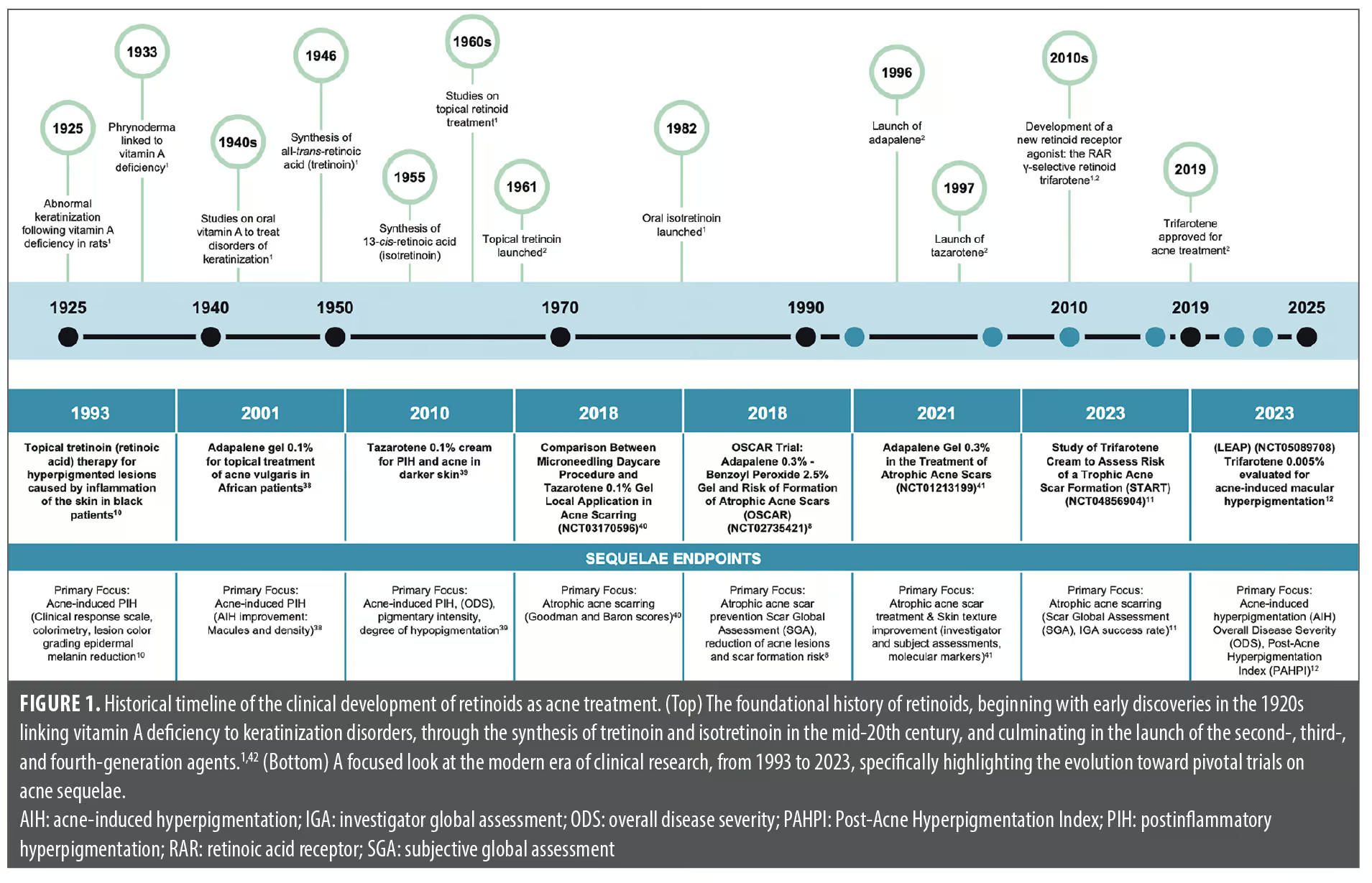
The retinoid family can be broadly categorized into natural and synthetic compounds. Natural vitamin A derivatives include retinol, retinal (retinaldehyde), retinoic acid, and retinyl esters. In contrast, synthetic retinoids, which include molecules such as tretinoin, adapalene, tazarotene, and trifarotene, were engineered to provide more targeted receptor activity and improved stability. This structural diversity is the basis for the classification of retinoids into 4 distinct generations, each defined by its molecular structure and resulting receptor selectivity profile (Table 1). Figure 1 illustrates a clear evolutionary trend from the broad activity of the first generation to the highly targeted, selective action of the fourth generation.1,14,15,36,37

First-generation retinoids are natural, nonselective, monoaromatic retinoids obtained by modifying polar groups at the end side chain of the polyene vitamin, vitamin A. This generation includes the natural metabolites tretinoin (all-trans-retinoic acid) and isotretinoin, as well as retinol itself. These agents exhibit nonselective binding to RAR and RXR subtypes and are broadly active against acne lesions.2 However, first-generation retinoids are susceptible to damage by oxidation and UV exposure and are associated with localized skin irritation.43,44
Second-generation retinoids are synthetic, monoaromatic retinoids, also known as etretinate derivatives. In these compounds, the cyclohexenyl ring of the natural retinoid structure is replaced by a benzene ring. Key examples include etretinate and its active metabolite, acitretin.2 Due to heightened teratogenicity, use of acitretin is limited to patients with psoriasis.45
Third-generation retinoids consist of polyaromatic retinoids, which are synthetic compounds characterized by the cyclization of the polyene side chain. This structural modification confers receptor selectivity. Adapalene and tazarotene are the prominent members of this generation used in acne therapy. Adapalene is a derivative of 1-napthalenecarboxylic acid and exhibits selectivity for RARβ and RARγ, while tazarotene is a synthetic retinoid prodrug that binds across all RAR subtypes with a greater selectivity for RARβ and RARγ. In general, third-generation retinoids have greater lipophilicity and are more photostable than first-generation compounds but are still associated with skin irritation, particularly tazarotene.3,26
The fourth and most recent generation of retinoids is defined by its use of receptor-based modern molecular design to generate extremely high receptor specificity. Trifarotene is the first-in-class, pure RARγ-selective agonist. Its novel triaryl chemical structure, featuring a pyranone core, was specifically engineered to optimize selective binding to RARγ—the most prevalent RAR subtype in the epidermis—while minimizing off-target effects on RARα and RARβ.15,35,36,46 This targeted mechanism was designed to maximize therapeutic activity in the skin while improving the overall benefit-risk profile. The unique structure of trifarotene makes it preferentially stable in keratinocytes, with a short systemic half-life, and its high level of RARγ selectivity imparts a unique retinoid signaling profile that will be described later in this manuscript. These features make trifarotene uniquely suited for use on broad body surface areas and when there is a heightened concern for acne sequelae.11,12,18,35
Overview of Topical Retinoid Clinical Studies in Acne
Evolution of efficacy and tolerability of topical retinoids. Advances in understanding acne pathogenesis have progressed in tandem with the improved management of acne with topical retinoids. Clinical trials of first- and third-generation retinoids established the efficacy of monotherapy treatment for patients with mild-to-moderate acne. For example, in a double-blind, vehicle-controlled trial, mean percent reductions in lesion counts at Week 12 were 35.5% (total), 38.2% (inflammatory), and 33.6% (noninflammatory) with tretinoin vs 20.9%, 19.2%, and 20.4% with vehicle (P<0.05).47 For patients with mild-to-severe acne, lesion resolution ranged from 46% to 71% with 12 weeks of tretinoin treatment, depending on the formulation.48 The efficacy of adapalene was compared to topical retinoids in a series of early clinical trials. A meta-analysis of 5 studies demonstrated comparable lesion resolution at 12 weeks (difference of −1.5% [95% CI: −8% to +5%] for inflammatory lesions and −6.0% [95% CI: −12% to +1%] for noninflammatory lesions).49 In a 12-week evaluator-blinded, randomized controlled trial (N=172), adapalene gel, 0.3%, achieved 61% median total-lesion reduction vs 57% with tazarotene gel, 0.1% (noninferior; 95% CI: −5.2% to 9.6%).50 In a separate 12-week trial (N=202), adapalene gel, 0.1%, was noninferior to tazarotene cream, 0.1%, for lesion reduction (median difference: −1.18%; lower confidence limit: −9.26%).51 Finally, a retrospective photograph-based study of tretinoin (0.1% microsponge and 0.025% gel), adapalene (0.1% gel), tazarotene (0.1% gel and 0.1% cream), and vehicle reported that all 3 agents were clinically effective at reducing inflammatory acne (the incidences of clinically significant improvements in the tretinoin microsponge, adapalene, and tazarotene groups were 21%, 17%, and 24%, respectively, vs vehicle 7%).52
While lesion resolution is generally equivalent between first- and third-generation retinoids, there are more substantial differences in tolerability. Irritation with topical tretinoin was an early observation but may have been accentuated by the use of a hydroalcoholic vehicle, which was later replaced.1 Nonetheless, adapalene (0.1% gel) was found to have superior tolerability compared to tretinoin (0.025% gel).49 The tolerability of third-generation retinoids has also been studied. In the randomized controlled trial of adapalene vs tazarotene by Thiboutot et al,53 adapalene had lower mean tolerability scores across erythema/dryness/scaling/stinging-burning (P<0.014) and a lower rate of treatment-related AEs (3.5% vs 14.0%). In the adapalene vs tazarotene noninferiority trial reported by Pariser et al,51 adapalene gel, 0.1%, showed fewer treatment-related AEs than tazarotene (36% vs 58%) and fewer “definitely related” AEs (20% vs 45%); early (Week 2) erythema/scaling were also higher with tazarotene.
Taken together, the clinical picture of early-generation retinoids is that monotherapy efficacy was found across all agents and could be improved with different formulations. Moreover, it was tempting to speculate that greater retinoid specificity to RARγ and RARα could be the basis for improved tolerability with third-generation retinoids, particularly adapalene compared to first-generation tretinoin.
Clinical data of fourth-generation trifarotene. In the two phase 3 studies of trifarotene (0.005% cream) or vehicle treatment of 2,420 patients aged 9 years and older with moderate facial and truncal acne, 12-week response rates for facial acne (clear/almost clear with ≥2-grade improvement) were 29.4% vs 19.5% and 42.3% vs 25.7% in Study 1 and Study 2, respectively.54 For truncal acne, 35.7% responded to trifarotene vs 25.0% to vehicle in Study 1. In Study 2, 42.6% responded to trifarotene vs 29.9 % to vehicle. Notably, these trials were the first (and still only) large-scale, well-controlled clinical trials to include prespecified endpoints of truncal acne lesion counts and treatment success on defined areas of the chest and back. In the stand-alone, single-arm, 52-week safety study (NCT02189629), investigator global assessment success rates of 65.1% and physician global assessment success rates of 66.9% were seen by Week 52.55 LSRs were mostly mild-moderate and peaked early; maximum scores for facial events were reached at Week 1 and at Weeks 2 to 4 for truncal events. AEs were generally limited to application-site irritation (7.5% with trifarotene vs 0.3% with vehicle) and application-site pruritis (2.4% vs 0.8%).55 Similar rates of treatment-emergent AEs were reported in a phase 4 trial (5.8% vs 2.5%).11 These data show that, like earlier generations of retinoids, trifarotene is clinically efficacious at improving acne lesions. Despite RARγ selectivity, there were still some LSRs in the first 4 weeks of treatment; however, the researchers concluded that trifarotene was well tolerated and only 1 patient discontinued the study due to treatment-emergent AEs. Although it is the newest agent, the long-term safety and efficacy of trifarotene are supported by clinical trial data and 5 years of postmarket surveillance with no unexpected safety concerns; real-world evidence will continue to refine our understanding.
Clinical data of retinoids on acne sequalae. In addition to the resolution and prevention of acne lesions, there is a growing awareness of the importance of selecting treatments that can improve long-term skin health. Advances in our understanding of acne pathophysiology have also shed light on the mechanisms that lead to long-term sequalae, including scar formation and AIH.
A single-arm study of adapalene (0.3% gel) for 24 weeks found that 55.6% of patients showed an improvement of 1 or 2 grades from baseline on the full-face global scarring grade. The subject global assessment (SGA) for skin texture and acne scars improved for 83% and 89% of patients, respectively. Patients also reported an increase in quality of life (QOL), and 88% were satisfied with the effectiveness of the treatment.41
A randomized controlled trial (NCT03170596) reported by Afra et al40 used a split-face approach to compare tazarotene (0.1% gel) to microneedling at a depth of 1.5 mm. Both treatments resulted in improvements to scarring; 29.4% of patients had more improvement on the microneedling side, 17.6% reported more improvement on the tazarotene side, and 52.9% had similar improvement on both sides of the face.40
In a 24-week split-face, vehicle-controlled study, total atrophic scar counts decreased by 55.2% on trifarotene-treated sides of the face vs 29.9% with vehicle; the mean absolute change from baseline was −6.2 ± 5.6 with trifarotene vs −2.8 ± 3.9 with vehicle. The between-side difference was evident by Week 2 and maintained through Week 24. The SGA was improved for 53.5% of patients on the trifarotene-treated side compared to 32.3% on the vehicle-treated side.11
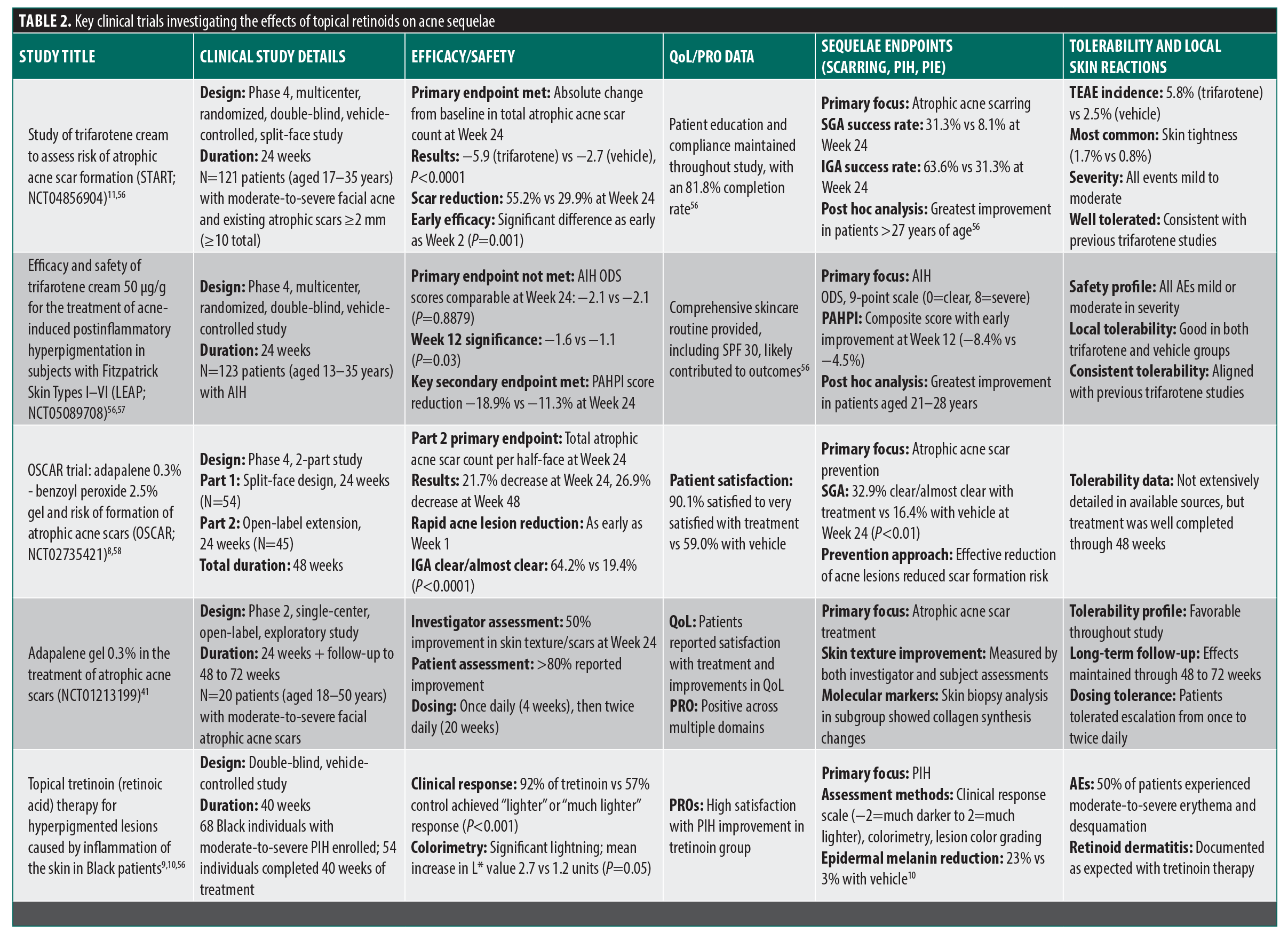
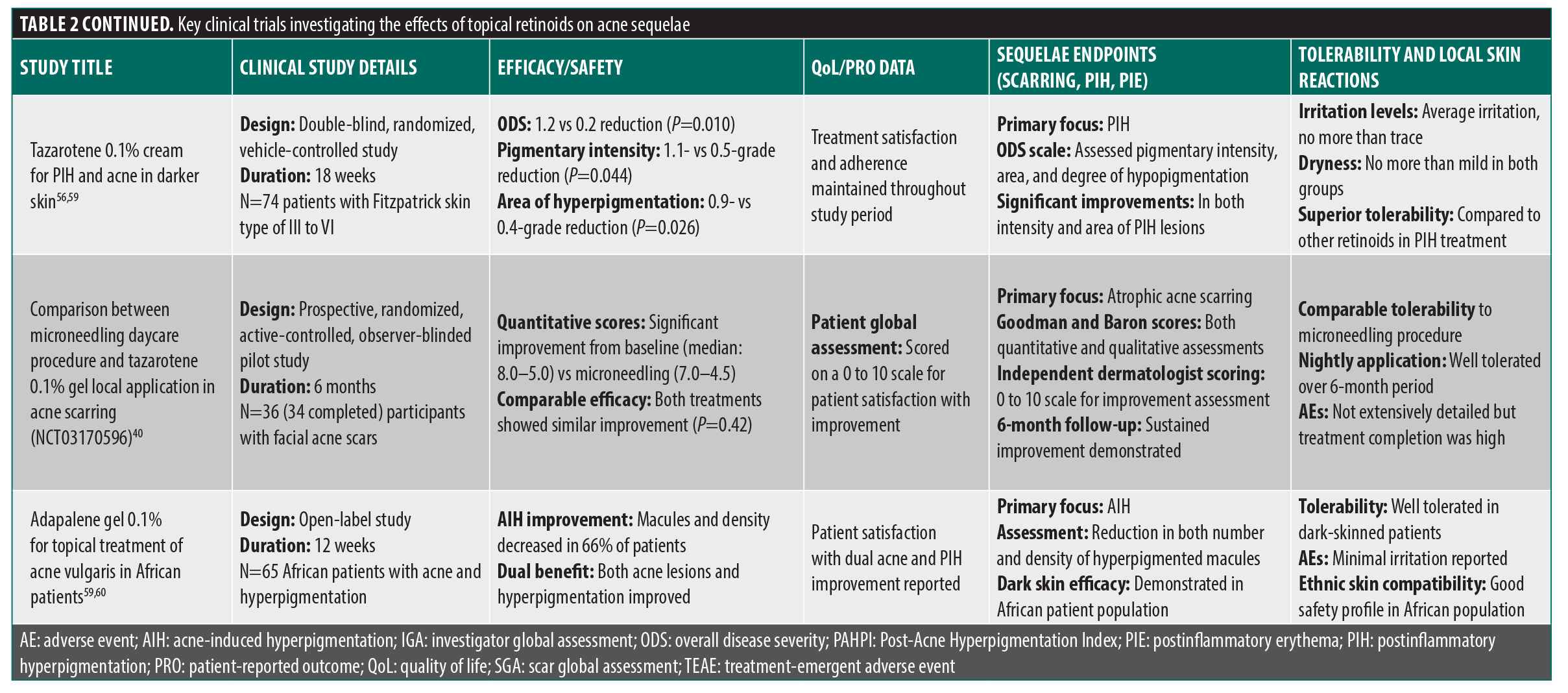
A summary of key clinical trials investigating the effects of topical retinoids on acne sequelae is presented in Table 2. This table highlights primary studies for adapalene, tazarotene, tretinoin, and trifarotene, providing essential clinical study information, efficacy and safety data, and any available QOL or patient-reported outcome (PRO) data. A key focus of the table is endpoints directly related to sequelae (Figure 1), including quantitative and qualitative assessments of atrophic scarring, postinflammatory hyperpigmentation, and postinflammatory erythema. Where available, LSR frequencies/severity and AE-related discontinuations are included to aid interpretation. Together, these studies report reductions in active-acne endpoints and, in select designs, quantified changes in sequelae measures over defined durations; extrapolation should consider study design, duration, and population.8,11,56
Knowledge gaps, challenges, and future directions. Despite decades of use, several knowledge gaps and challenges remain in topical retinoid therapy. Evaluations of formulations, delivery systems, and combinations to further enhance stability, release, and tolerability are ongoing. In addition, ongoing trials seek to fill gaps in knowledge around key mechanistic questions and chronic use, particularly in individuals with richly pigmented skin. These gaps, coupled with the expanding number of agents and therapeutic options, support a highly individualized treatment approach.
Encapsulation technologies, such as solid lipid nanoparticles and nanostructured lipid carriers, have been investigated for effects on retinoid stability, irritation, and controlled release; clinical impact should be reported using prespecified outcomes.61,62 Additional efforts involve dual-drug nanocarriers (eg, retinoic acid + minocycline) and next-generation vehicles that are under investigation for enhanced efficacy and tolerability.1,4,14,63–65
Combination therapy is also commonly used for acne, and fixed-dose combinations can simplify regimens. Building on early studies that showed the combination of benzoyl peroxide (BPO) and tretinoin was more effective than either agent alone, combination approaches have been an area of great interest. The first FDA-approved fixed-dose triple-combination therapy—topical clindamycin 1.2%, BPO 3.1%, and adapalene 0.15%—was approved in 2023.66,67 Older tretinoin formulations were susceptible to BPO-mediated degradation, whereas optimized/microencapsulated tretinoin formulations have shown no measurable degradation with BPO and have been evaluated in randomized studies.43,68,69 The staggered application of individual agents, such as BPO in the morning and a retinoid at night, has been investigated to improve efficacy and tolerability outcomes.70–72
Despite extensive completed and ongoing clinical research (summarized in Table 2), key mechanistic questions remain, including how individual retinoids modulate inflammatory pathways and cellular processes in vivo.18,73 Moreover, while many head-to-head comparative studies exist, there is no consensus on the superiority of one retinoid over another. Finally, more data are needed on long-term use in diverse populations (eg, age, gender, skin type, and geography).14,75,76
Given these challenges as well as the availability of newer agents such as trifarotene, the therapeutic landscape for acne is evolving toward highly personalized and targeted strategies.14,62,65,77,78 Advances in pharmacogenomics, skin microbiome profiling, and digital dermatology may inform individualized retinoid selection based on genetic and phenotypic markers.14,79,80
Retinoid MOA Basics: How Retinoids Work on Acne and Improve Skin Quality
The mechanisms by which retinoids exert their therapeutic effects are complex, involving a cascade of events that begins with metabolic activation and culminates in the modulation of gene expression, cellular behavior, and inflammatory pathways. Formulation-specific differences in efficacy and tolerability support selecting an agent aligned with the patient’s presentation and expected tolerance.47,51,81,82
MOA
Activation of retinoids via a 2-step oxidative conversion pathway. Therapeutic activity of naturally occurring retinoids begins with activation of the retinoids via a 2-step oxidation process. Retinol is first converted to retinal by retinol dehydrogenase or alcohol dehydrogenase; retinal is then oxidized to retinoic acid by retinaldehyde dehydrogenase.2,83 This metabolic conversion is crucial, because retinoic acid serves as the active ligand for nuclear receptors, while retinol itself has minimal biological activity.2,84
The lipophilic nature of retinoids necessitates specialized cellular binding proteins that facilitate intracellular transport.84 Cellular retinol-binding proteins and cellular retinoic acid-binding proteins serve as essential chaperones that solubilize retinoids and retinoic acid in the aqueous cellular environment and direct them to appropriate metabolic enzymes.14,22,85–87
Cellular retinoic acid-binding protein (CRABP) 1 primarily facilitates retinoid catabolism by delivering all-trans retinoic acid to cytochrome P450 26A1 (CYP26) enzymes for degradation, thereby limiting retinoid bioavailability.2,84 In contrast, CRABP2 promotes retinoid signaling by transporting retinoic acid directly to nuclear receptors through protein-protein interactions, markedly enhancing transcriptional efficiency compared to free retinoic acid.84
Retinoid interaction with nuclear hormone receptors. Retinoids exert their biological effects primarily through binding to nuclear hormone receptors that function as ligand-dependent transcription factors.88 The retinoid signaling system comprises 2 distinct but functionally interconnected receptor families, RARs and RXRs, each existing in 3 distinct subtypes (α, β, and γ). These receptors form obligate heterodimers that bind to specific DNA sequences, called retinoic acid response elements (RAREs), located within the promoter regions of target genes. In the absence of ligand, RAR/RXR heterodimers repress transcription at RAREs. When retinoic acid binds a subtype of RAR, the heterodimer complex recruits transcriptional cofactors and initiates gene transcription.14,22,85–87
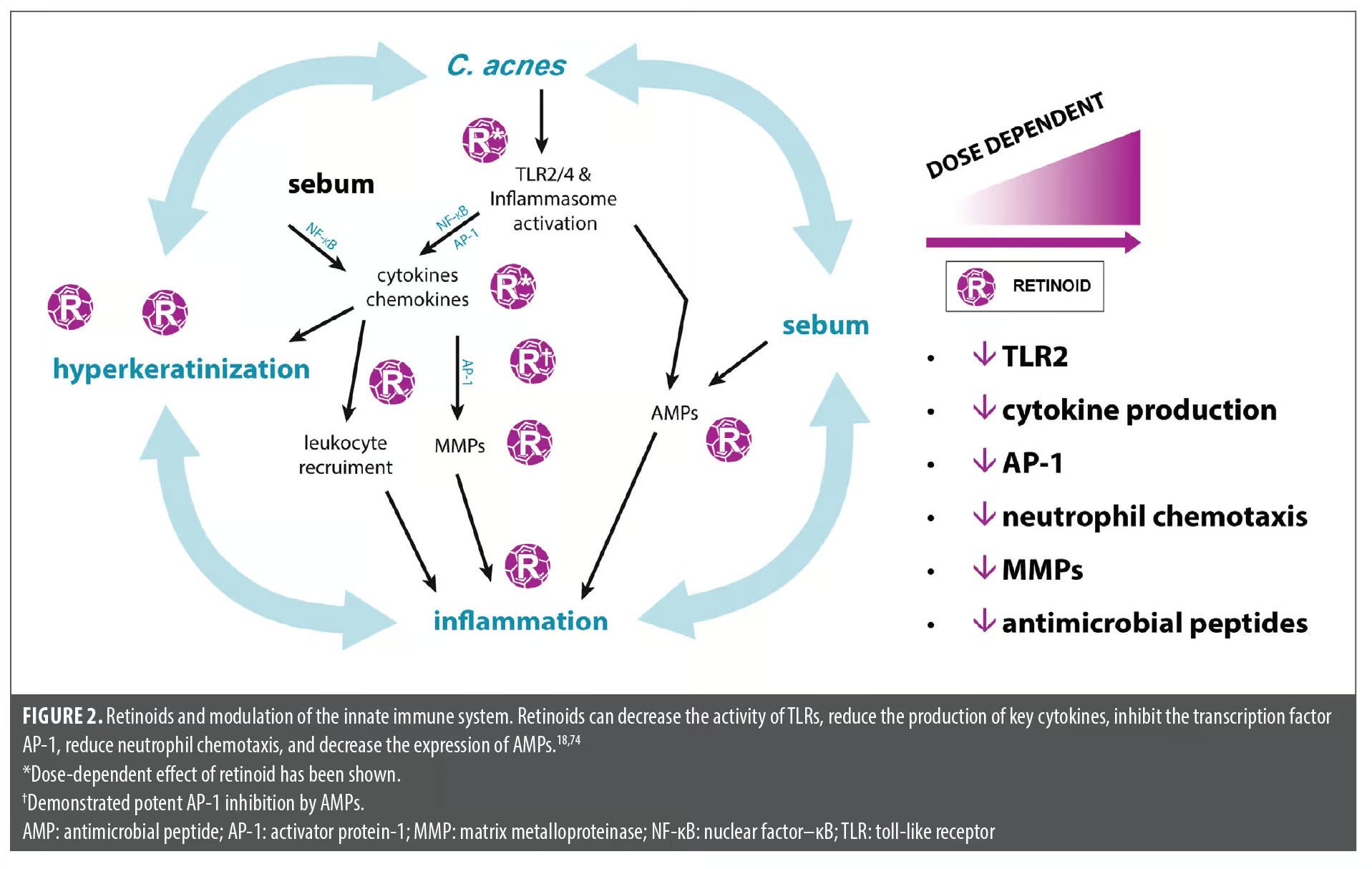
RARγ is the main RAR subtype in the skin, accounting for approximately 87% to 90% of total RAR protein expression.88 It plays an important role in epidermal maturation, keratinocyte differentiation, and maintaining skin barrier integrity. In addition to its structural functions, RARγ contributes to the anti-inflammatory properties of retinoids by modulating toll-like receptor 2 (TLR2) signaling and attenuating Cutibacterium acnes–induced inflammation (Figure 2).5,18,74 This predominance of specific receptor subtypes in cutaneous tissue and the role of RARγ in restoring skin barrier integrity and reducing inflammation underlies the rationale for developing skin-selective retinoids with enhanced therapeutic indices.
RARα is widely expressed in many tissues, where it plays a crucial role in development and differentiation. In the skin, RARα is involved in multiple important roles in dermal biology but is present at much lower levels than RARγ (about 11%–13% of total RAR protein).88 In some cellular contexts, RARα may act in opposing ways to RARγ, exerting antagonistic effects on gene expression, highlighting the complexity of retinoid signaling.89,90 Unlike RARγ and RARα, RARβ is not typically detected in whole human skin, and its role remains largely unclear.88
Unraveling deeper mechanisms: non-nuclear and noncanonical pathways. While the nuclear receptor–mediated actions of retinoids are well characterized, our understanding of noncanonical and non-nuclear pathways is still emerging.85,91–93 Recent evidence suggests retinoids can activate transcription through pathways that do not involve classical RAR-RXR heterodimer binding to RAREs.93 Furthermore, retinoids may have cytoplasmic pro-apoptotic effects in sebocytes and keratinocytes that are not mediated by nuclear receptors. However, the composition, regulation, and functional impact of co-activator and corepressor complexes in acne-affected skin under retinoid treatment are not well characterized.91 Likewise, the efficiency and selectivity of CRABP1 and CRABP2 in transporting retinoids to the nucleus—and their influence on noncanonical signaling—are not well understood.92,94 Noncanonical retinoid signaling through CRABP1-mediated activation of kinase cascades, including ERK2 and CaMKII, may contribute to rapid cellular responses.95 Moreover, the SUMOylation-dependent nuclear translocation of CRABP2 represents a regulatory mechanism, but factors controlling this process in different skin cell types remain unclear.94 Exploring these less-understood mechanisms represents an area in retinoid research that may reveal potential targets for future therapeutic development.
Clinical evidence supporting different retinoid generation-specific MOAs. The molecular mechanisms of different retinoids can influence pharmacologic effects, as different retinoids can produce distinct transcriptomic signatures based on their receptor selectivity and binding affinities.36,85
Some first-generation compounds act without prior metabolic conversion, with transcriptional effects observed after application.96 Moreover, first- and second-generation retinoids bind nonselectively to all RAR subtypes with varying affinities.2 Tretinoin exhibits a high affinity for RARα, RARβ, and RARγ, resulting in broad transcriptional activity that includes therapeutic effects and known AEs. Local skin reactions and “retinization” may be a result of this nonselective binding.4 Third-generation retinoids such as adapalene and tazarotene demonstrate selectivity for specific RAR subtypes in preclinical and clinical characterizations.2 Adapalene exhibits preferential binding to RARβ and RARγ, while in vitro studies show that tazarotene can bind all 3 RAR subtypes but only activates gene transcription via RARβ and RARγ.97
Fourth-generation retinoids were developed through structure-activity relationship studies to increase receptor selectivity. The selectivity of trifarotene is attributed to its triaryl chemical scaffold, which binds the RARγ ligand-binding domain.35,98 In vitro, trifarotene exhibited >16-fold and 65-fold selectivity for RARγ over RARα and RARβ, respectively.35 Genetic analysis suggests that this selectivity facilitates skin-specific pathways and may minimize off-target effects mediated by other receptor subtypes.35,99 Trifarotene has been shown to influence the gene networks involved in skin hydration (eg, AQP3), cell adhesion, and inflammatory responses (eg, MMP13, CXCL13). These genes would be expected to support restoration of skin homeostasis.18,35
Clinical efficacy of retinoids across generations is mechanistically linked to their interaction with RARγ, the common receptor that all retinoids bind. It is less clear, however, which pathways mediate skin irritation associated with retinoids.
Shifting Paradigms of Retinoids and the Immune System
Our understanding of acne pathogenesis has undergone a significant paradigm shift, moving away from a simple infectious model centered on C. acnes to a more complex view of acne as a primary inflammatory disease originating in the pilosebaceous unit.5,74 This framework highlights the multifaceted role of retinoids and their involvement across several pathways; a deeper understanding of this model may identify new opportunities to decrease irritation, improve long-term acne sequalae, and preserve skin health.
Direct action of retinoids on the inflammatory cascade. Emerging insights into the temporal dynamics of the immune response reveal a strong initial adaptive immune response that may dictate whether a lesion resolves cleanly or results in a scar. For example, patients who tend to form scars have been shown to have increased T helper cells (Th) in perilesional infiltrates relative to those less likely to form scars.18,100–104 As Figure 2 illustrates, C. acnes, a commensal bacterium, can activate TLR2 on the surface of keratinocytes. This triggers a downstream inflammatory signaling cascade involving nuclear factor–κB (NF-κB) and activator protein-1 (AP-1) transcription factor complexes, leading to the release of pro-inflammatory cytokines such as interleukin (IL)-1β, IL-6, and tumor necrosis factor-α (TNF-α). In addition, matrix metalloproteinases (MMPs) from resident and invading immune cells are upregulated, leading to the breakdown of collagen and increased procollagen. Finally, sebum alterations, including changes in lipid composition, may also contribute to this inflammatory response, as dysregulation of Wnt/β-catenin signaling in sebaceous stem cells has been shown to promote comedogenesis.4,20,22,92,100,105
Retinoids can downregulate TLR2, NF-κB, and AP-1 signaling, thereby interrupting the cascade that leads to tissue destruction and scarring. Moreover, retinoids promote sebocyte differentiation and reduce progenitor-like activity (Figure 3).106 In addition, recent transcriptomic studies have revealed that topical retinoids modulate gene expression patterns that reduce inflammation and promote healing of lesions. Retinoids stimulate dermal fibroblast procollagen production and downregulate profibrotic macrophages and expression of MMPs (MMP12, MMP13).11,18,107
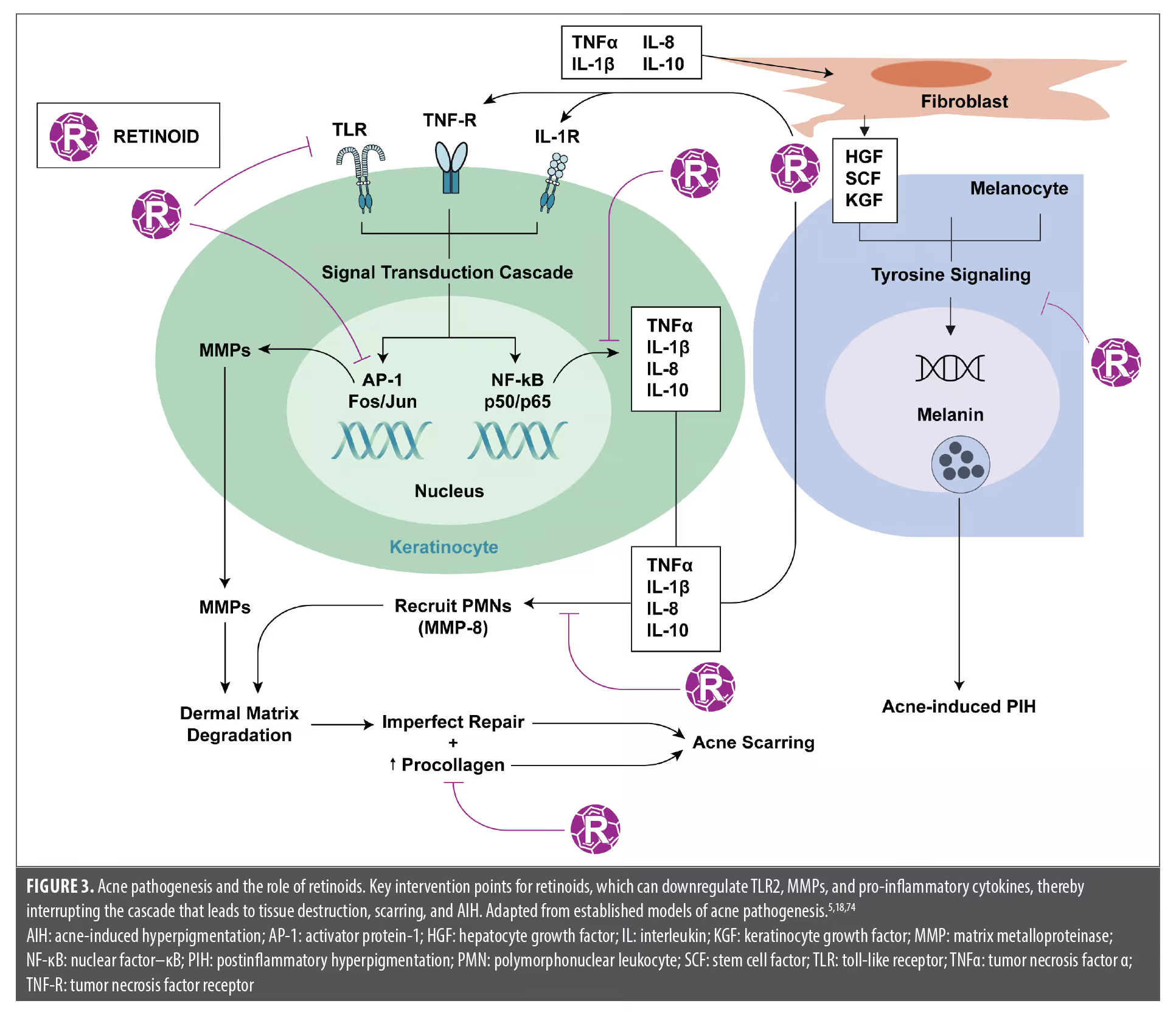
Indirect effects of retinoids on inflammation via modulation of keratinocytes. This inflammatory environment contributes to abnormal keratinocyte proliferation and differentiation and follicular hyperkeratinization, a process that contributes to the formation of microcomedones, the earliest subclinical acne lesion.14 Retinoids may help counteract this process through comedolytic and anticomedogenic effects. Retinoids normalize desquamation and promote corneocyte shedding, reducing the likelihood of follicular occlusion and further recruitment of inflammatory cells.4 Retinoids help prevent formation of new comedones by helping repair the skin barrier. Signaling and structural changes associated with follicular remodeling have been reported.3,85,92,109
Knowledge Gaps, Challenges, and Future Opportunities
Receptor-specific actions. The majority of discourse in acne on the activity of retinoids has focused on RAR binding; however, it is worth remembering that functional RAR requires an RXR heterodimeric partner. Recent studies have shown that receptor competition mechanisms exist between RAR and RXR, wherein RAR can “silence” RXR activity in heterodimers unless both receptors are ligand bound.91 However, the precise molecular mechanisms underlying these competitive interactions in acne-affected skin remain poorly understood. While RARγ is the predominant RAR expressed in skin, the functional differences between RAR subtypes in mediating canonical vs noncanonical signaling pathways in acne pathogenesis are not fully elucidated.85,91 Finally, RXR can form heterodimers with multiple nuclear receptors beyond RAR, for complex signaling crosstalk.91 However, these interactions are understudied in the context of acne treatment.
Gene expression and retinoid function. While transcriptomic analyses have identified retinoid-regulated genes in keratinocytes, the relationship between specific DNA sequence elements and tissue-specific gene expression patterns remains incompletely characterized.92 Genetic variations in RAR genes have been shown to influence clinical outcomes in systemic retinoid therapy. Alzoubi and colleagues110 reported that a cluster of single-nucleotide polymorphisms in the RARα gene was more common in patients who experienced AEs such as elevated liver enzymes during isotretinoin therapy. Equivalent pharmacogenomic investigations focusing on topical retinoids in acne, including those involving RXRα, are currently lacking. There is a need for studies comparing the efficacy of different retinoids in acne treatment. Current systematic reviews suggest minor differences in efficacy between topical retinoids, but head-to-head comparative studies with standardized endpoints remain scarce.20
Clinical response variability. There is limited understanding of the factors that predict individual patient efficacy and tolerability responses to different acne therapies. Genetic factors affecting retinoid metabolism and receptor sensitivity may contribute to individual variability, but predictive biomarkers for treatment response have not been established. Topical retinoids are used in long-term maintenance therapy; however, most studies of topical retinoids are 12 weeks or shorter, with few longer-term studies and fewer still long-term controlled studies. Thus, personalized therapy, long-term, and maintenance studies remain areas in need of further investigation.
Biomarkers before and after retinoid studies. While CRABP2 expression confirms RAR activation in the sebaceous gland, it does not correlate with clinical outcomes.111 In contrast, the suppression of MMP2 strongly correlates with wrinkle improvement in photoaging (r=0.54; P=0.01), though its utility as an acne biomarker is unconfirmed.111 The effects of different generations of topical retinoids on acne-related inflammatory cytokines, such as IL-17, IL-8, and TNF-α, are also not well understood. A biopsy study published in 2021 analyzed gene expression following the use of topical trifarotene for 27 days. A unique set of 67 genes involved in cell migration, inflammation, and extracellular matrix were modulated with trifarotene, including genes linked to secreted phosphoprotein 1 (SPP1) macrophages. Of interest, the authors reported that the gene profile associated with trifarotene was highly similar to that of naturally healing comedones, suggesting that the genes regulated by trifarotene could be associated with acne resolution.85 An earlier gene study also reported that SPP1 was part of a gene cluster involved in extracellular matrix-receptor interactions that was upregulated in samples of inflammatory acne.112 Despite these informative studies, the temporal relationship between retinoid application, biomarker modulation, and clinical improvement is still poorly understood, and the predictive value of early biomarker changes for long-term outcomes requires further investigation.20,111
Immune cell responses. Our understanding of the specific effects of topical retinoids on cutaneous dendritic cell maturation, neutrophil function, macrophage polarization (M1 vs M2), and the Th17/Treg balance in acne lesions is in an early stage.9,113–118 Elucidating the role of RAR subtype selectivity in these pathways is an important area of investigation. Likewise, cell-specific responses within the pilosebaceous unit are not well defined, obscuring how the interplay between keratinocytes, sebocytes, and immune cells drives therapeutic effects following retinoid application.119–121
Optimizing retinoid therapy requires a concerted educational effort directed at both physicians and patients.
From the physician perspective. There is a clear need for ongoing education for dermatologists.5 There may be a perception that there is “nothing new,” as topical retinoids have been used to treat patients with acne since the 1970s. Moreover, prescribing habits can be ingrained, leading to slow adoption of new therapies as they become available. To ensure that patients receive the best option, retinoid education should include basic prescribing information to cover the key pharmacologic and pharmacokinetic distinctions between retinoids, the clinical relevance of receptor selectivity (eg, the advantages of RARγ specificity), the evolving clinical data supporting their use for both facial and truncal acne, and the data supporting their use in the management of acne sequelae.5,11,54 A deeper understanding of the tolerability profiles, formulation science, and effective use of adjunctive strategies, such as barrier-repairing moisturizers, can help providers personalize regimens, proactively manage irritation, and improve patient adherence.4,23 Educational programs, including workshops, seminars, and online courses focused on the latest research, are important for keeping clinicians abreast of this evolving field.
An area of discussion for clinicians involves personalizing acne therapy decisions to patient concerns. AIH is one example. Dark marks are frequently a patient’s primary concern, and they may seek treatment outside of the window of active acne; therapeutic regimens that do not take that into account are likely to have poor adherence.59,122 Adult acne is increasingly common, and patients may have additional concerns or conditions that need to be considered alongside acne management.123 Existing tools, such as skin quality scales, discussion guides, and PRO tools, can be used to facilitate discussion.124,125 Similarly, practical questions about layering retinoids with moisturizers or other products are common and have been studied with certain retinoids.23 Finally, data on the stability of various retinoid formulations when used with ingredients such as hyaluronic acid or glycerin may be valuable for guiding patient recommendations.
From the patient perspective. For patients, successful therapy hinges on clear, accessible education. Clinicians must actively work to dispel persistent myths surrounding retinoids, such as unsupported fears of skin thinning, extreme sun sensitivity, or incompatibility with moisturizers.4,16,23,61 Helping patients develop realistic expectations plays an important role in fostering adherence and long-term engagement with therapy. This includes counseling on the initial retinization phase and providing a timeline for improvement rooted in clinical data.104 Emphasizing the long-term skin health benefits, including acne scar prevention and other improvements in skin quality, may improve treatment satisfaction and adherence by framing the therapy as part of a long-term skin care plan.11,16,126 There is a need for patient-centered educational materials that address these concerns in an accessible manner.
Conclusion
Topical retinoids have been used in acne treatment for decades and have evolved over 4 generations of therapeutic agents. Full understanding of these nuclear receptor agonists, their clinical data, and their MOA in acne will help healthcare practitioners use them effectively and choose between the available retinoids and retinoid formulations. To realize the full clinical application of topical retinoids, alignment is needed between mechanistic insights, practical application, and patient education. Counseling that sets expectations for the initial adjustment period and outlines practical mitigation strategies can support adherence and outcomes and counter misinformation. Ongoing attention to patient education and emerging clinical findings can help align treatment choices with individual goals and improve care for people with acne vulgaris.
Acknowledgments
The authors would like to thank Liz Gooch, PhD; Alyssa Theodore, PhD; and Kalpana Shankar, PhD, for their medical writing support. Medical writing and editorial support was provided by Simpson Healthcare, an IQVIA business, and funded by Galderma.
References
- Baldwin H, Webster G, Stein Gold L, et al. 50 years of topical retinoids for acne: evolution of treatment. Am J Clin Dermatol. 2021;22(3):315–327.
- Zasada M, Budzisz E. Retinoids: active molecules influencing skin structure formation in cosmetic and dermatological treatments. Postepy Dermatol Alergol. 2019;36(4):392–397.
- Thielitz A, Abdel-Naser MB, Fluhr JW, et al. Topical retinoids in acne–an evidence-based overview. Article in German. J Dtsch Dermatol Ges. 2008;6(12):1023–1031.
- Leyden J, Stein-Gold L, Weiss J. Why topical retinoids are mainstay of therapy for acne. Dermatol Ther (Heidelb). 2017;7(3):293–304.
- Reynolds RV, Yeung H, Cheng CE, et al. Guidelines of care for the management of acne vulgaris. J Am Acad Dermatol. 2024;90(5):1006 e1–1006 e30.
- Annunziata MC, Barbareschi M, Bettoli V, et al. A real-world approach to trifarotene treatment in patients with acne and acne sequelae based on the experience of the Italian acne board. Dermatol Ther (Heidelb). 2025;15(2):245–264.
- Kang S, Leyden JJ, Lowe NJ, et al. Tazarotene cream for the treatment of facial photodamage: a multicenter, investigator-masked, randomized, vehicle-controlled, parallel comparison of 0.01%, 0.025%, 0.05%, and 0.1% tazarotene creams with 0.05% tretinoin emollient cream applied once daily for 24 weeks. Arch Dermatol. 2001;137(12):1597–1604.
- Dreno B, Bissonnette R, Gagne-Henley A, et al. Prevention and reduction of atrophic acne scars with adapalene 0.3%/benzoyl peroxide 2.5% gel in subjects with moderate or severe facial acne: results of a 6-month randomized, vehicle-controlled trial using intra-individual comparison. Am J Clin Dermatol. 2018;19(2):275–286.
- Callender VD, Baldwin H, Cook-Bolden FE, et al. Effects of topical retinoids on acne and post-inflammatory hyperpigmentation in patients with skin of color: a clinical review and implications for practice. Am J Clin Dermatol. 2022;23(1):69–81.
- Bulengo-Ransby SM, Griffiths CE, Kimbrough-Green CK, et al. Topical tretinoin (retinoic acid) therapy for hyperpigmented lesions caused by inflammation of the skin in black patients. N Engl J Med. 1993;328(20):1438–1443.
- Schleicher S, Moore A, Rafal E, et al. Trifarotene reduces risk for atrophic acne scars: results from a phase 4 controlled study. Dermatol Ther (Heidelb). 2023;13(12):3085–3096.
- Alexis A, Del Rosso JQ, Forman S, et al. Importance of treating acne sequelae in skin of color: 6-month phase IV study of trifarotene with an appropriate skincare routine including UV protection in acne-induced post-inflammatory hyperpigmentation. Int J Dermatol. 2024;63(6):806–815.
- Amann PM, Eichmüller SB, Schmidt J, Bazhin AV. Regulation of gene expression by retinoids. Curr Med Chem. 2011;18(9):1405–1412.
- Motamedi M, Chehade A, Sanghera R, Grewal P. A clinician’s guide to topical retinoids. J Cutan Med Surg. 2022;26(1):71–78.
- Cosio T, Di Prete M, Gaziano R, et al. Trifarotene: a current review and perspectives in dermatology. Biomedicines. 2021;9(3):237.
- Mukherjee S, Date A, Patravale V, et al. Retinoids in the treatment of skin aging: an overview of clinical efficacy and safety. Clin Interv Aging. 2006;1(4):327–348.
- Kawczak P, Feszak I, Brzeziński P, Bączek T. Structure-activity relationships and therapeutic applications of retinoids in view of potential benefits from drug repurposing process. Biomedicines. 2024;12(5):1059.
- Dreno B, Chavda R, Julia V, et al. Transcriptomics analysis indicates trifarotene reverses acne-related gene expression changes. Front Med (Lausanne). 2021;8:745822.
- Tan J, Chavda R, Baldwin H, Dreno B. Management of acne vulgaris with trifarotene. J Cutan Med Surg. 2023;27(4):368–374.
- Kolli SS, Pecone D, Pona A, et al. Topical retinoids in acne vulgaris: a systematic review. Am J Clin Dermatol. 2019;20(3):345–365.
- Nazish N. The biggest retinol myths you need to stop believing. Forbes. Updated 10 Dec 2021. Accessed 21 Jan 2026. https://www.forbes.com/sites/nomanazish/2020/02/16/the-biggest-retinol-myths-you-need-to-stop-believing/2021
- Ferreira R, Napoli J, Enver T, et al. Advances and challenges in retinoid delivery systems in regenerative and therapeutic medicine. Nat Commun. 2020;11(1):4265.
- Del Rosso JQ, Brandt S. The role of skin care as an integral component in the management of acne vulgaris: part 2: tolerability and performance of a designated skin care regimen using a foam wash and moisturizer SPF 30 in patients with acne vulgaris undergoing active treatment. J Clin Aesthet Dermatol. 2013;6(12):28–36.
- Yin S, Luo J, Qian A, et al. Retinoids activate the irritant receptor trpv1 and produce sensory hypersensitivity. J Clin Invest. 2013;123(9):3941–3951.
- Tanghetti EA, Kircik LH, Green LJ, et al. A phase 2, multicenter, double-blind, randomized, vehicle-controlled clinical study to compare the safety and efficacy of a novel tazarotene 0.045% lotion and tazarotene 0.1% cream in the treatment of moderate-to-severe acne vulgaris. J Drugs Dermatol. 2019;18(6):542.
- Leyden J, Grove G, Zerweck C. Facial tolerability of topical retinoid therapy. J Drugs Dermatol. 2004;3(6):641–651.
- Draelos Z, Tanghetti E, Guenin E. Vehicle formulation impacts tolerability and patient preference: comparison of tretinoin branded lotion and generic cream. J Drugs Dermatol. 2022;21(8):875–880.
- Snyder S, Crandell I, Davis SA, Feldman SR. Medical adherence to acne therapy: a systematic review. Am J Clin Dermatol. 2014;15(2):87–94.
- Aneri V, Catarino A, Eguren C, et al. Iberia consensus on strategies to prevent and manage irritation by topical retinoids in facial and trunk acne. Article in Spanish. Actas Dermosifiliogr. 2024;115(8):T791–T800.
- Feldman SR, Lovell K, Yi R, et al. Early acne improvements with fixed-combination topical therapy: analysis of the first 4 weeks of treatment. J Drugs Dermatol. 2025;24(1):79–87.
- Kim W, Sivesind T. Patient perceptions of dermatologic photography: scoping review. JMIR Dermatol. 2022;5(1):e33361.
- Pathoulas JT, Flanagan KE, Walker CJ, et al. Evaluation of standardized scalp photography on patient perception of hair loss severity, anxiety, and treatment. J Am Acad Dermatol. 2021;85(6):1640–1641.
- Tan J, Alexis A, Baldwin H, et al. The personalised acne care pathway-recommendations to guide longitudinal management from the personalising acne: consensus of experts. JAAD Int. 2021;5:101–111.
- Woo YR, Kim HS. Truncal acne: an overview. J Clin Med. 2022;11(13):3660.
- Aubert J, Piwnica D, Bertino B, et al. Nonclinical and human pharmacology of the potent and selective topical retinoic acid receptor-γ agonist trifarotene. Br J Dermatol. 2018;179(2):442–456.
- Brumfiel CM, Patel MH, Bell KA, Cardis MA. Assessing the safety and efficacy of trifarotene in the treatment of acne vulgaris. Ther Clin Risk Manag. 2021;17:755–763.
- Snarskaya ES, Olisova OY, Bratkovskaya AV, et al. Trifarotene: a new chapter in the treatment of acne. An overview of the data on efficacy and safety profile of a fourth-generation retinoid. Russian J Skin Venereal Dis. 2024;27(2):219-230.
- Jacyk WK. Adapalene in the treatment of African patients. J Eur Acad Dermatol Venereol. 2001;15 Suppl 3:37–42.
- Grimes P, Callender V. Tazarotene cream for postinflammatory hyperpigmentation and acne vulgaris in darker skin: a double-blind, randomized, vehicle-controlled study. Cutis. 2006;77(1):45–50.
- Afra TP, Razmi TM, Narang T, et al. Topical tazarotene gel, 0.1%, as a novel treatment approach for atrophic postacne scars: a randomized active-controlled clinical trial. JAMA Facial Plast Surg. 2019;21(2):125–132.
- Loss MJ, Leung S, Chien A, et al. Adapalene 0.3% gel shows efficacy for the treatment of atrophic acne scars. Dermatol Ther (Heidelb). 2018;8(2):245–257.
- Balak DMW. Topical trifarotene: a new retinoid. Br J Dermatol. 2018;179(2):231–232.
- Martin B, Meunier C, Montels D, Watts O. Chemical stability of adapalene and tretinoin when combined with benzoyl peroxide in presence and in absence of visible light and ultraviolet radiation. Br J Dermatol. 1998;139(s52):8–11.
- Zhong J, Zhao N, Song Q, et al. Topical retinoids: novel derivatives, nano lipid-based carriers, and combinations to improve chemical instability and skin irritation. J Cosmet Dermatol. 2024;23(10):3102–3115.
- Scheman AJ. Nodulocystic acne and hidradenitis suppurativa treated with acitretin: a case report. Cutis. 2002;69(4):287–288.
- Santhosh P, Kidangazhiathmana A. Trifarotene – the latest retinoid. Indian J Dermatol Venereol Leprol. 2021;87(5):742–745.
- Berger R, Barba A, Fleischer A, et al. A double-blinded, randomized, vehicle-controlled, multicenter, parallel-group study to assess the safety and efficacy of tretinoin gel microsphere 0.04% in the treatment of acne vulgaris in adults. Cutis. 2007;80(2):152–157.
- Webster GF. Safety and efficacy of tretin-x compared with retin-a in patients with mild-to-severe acne vulgaris. Skinmed. 2006;5(3):114–118.
- Cunliffe WJ, Poncet M, Loesche C, Verschoore M. A comparison of the efficacy and tolerability of adapalene 0.1% gel vs tretinoin 0.025% gel in patients with acne vulgaris: a meta-analysis of five randomized trials. Br J Dermatol. 1998;139 Suppl 52:48–56.
- Thiboutot DM, Weiss J, Bucko A, et al. Adapalene-benzoyl peroxide, a fixed-dose combination for the treatment of acne vulgaris: results of a multicenter, randomized double-blind, controlled study. J Am Acad Dermatol. 2007;57(5):791–709.
- Pariser D, Colón LE, Johnson LA, Gottschalk RW. Adapalene 0.1% gel compared to tazarotene 0.1% cream in the treatment of acne vulgaris. J Drugs Dermatol. 2008;7(6 Suppl):s18–s23.
- Leyden JJ, Shalita A, Thiboutot D, et al. Topical retinoids in inflammatory acne: a retrospective, investigator-blinded, vehicle-controlled, photographic assessment. Clin Ther. 2005;27(2):216–224.
- Thiboutot D, Arsonnaud S, Soto P. Efficacy and tolerability of adapalene 0.3% gel compared to tazarotene 0.1% gel in the treatment of acne vulgaris. J Drugs Dermatol. 2008;7(6 Suppl):s3–s10.
- Tan J, Thiboutot D, Popp G, et al. Randomized phase 3 evaluation of trifarotene 50 μg/g cream treatment of moderate facial and truncal acne. J Am Acad Dermatol. 2019;80(6):1691–1699.
- Blume-Peytavi U, Fowler J, Kemeny L, et al. Long-term safety and efficacy of trifarotene 50 μg/g cream, a first-in-class RAR-γ selective topical retinoid, in patients with moderate facial and truncal acne. J Eur Acad Dermatol Venereol. 2020;34(1):166–173.
- Issa N, Alexis A, Baldwin H, et al. Recommendations to improve outcomes in acne and acne sequelae: a focus on trifarotene and other retinoids. Dermatol Ther (Heidelb). 2025;15(3):563–577.
- Alexis AF, Cesljarevic EW, Browning J, et al. Efficacy and safety of trifarotene cream 50 μg/g for the treatment of acne-induced post-inflammatory hyperpigmentation in subjects with Fitzpatrick skin types I–VI: results from a phase IV trial (LEAP). Poster presented at: The European Academy of Dermatology & Venereology Congress 2023; 11–14 Oct 2023; Berlin, Germany:
- Dréno B, Bissonnette R, Gagné-Henley A, et al. Long-term effectiveness and safety of up to 48 weeks’ treatment with topical adapalene 0.3%/benzoyl peroxide 2.5% gel in the prevention and reduction of atrophic acne scars in moderate and severe facial acne. Am J Clin Dermatol. 2019;20(5):725–732.
- Taylor S, Elbuluk N, Grimes P, et al. Treatment recommendations for acne-associated hyperpigmentation: results of the Delphi consensus process and a literature review. J Am Acad Dermatol. 2023;89(2):316–323.
- Jacyk WK, Mpofu P. Adapalene gel 0.1% for topical treatment of acne vulgaris in African patients. Cutis. 2001;68(4 Suppl):48–54.
- Kryczyk-Poprawa A, Kwiecień A, Opoka W. Photostability of topical agents applied to the skin: a review. Pharmaceutics. 2019;12(1):10.
- Narsa AC, Suhandi C, Afidika J, et al. A comprehensive review of the strategies to reduce retinoid-induced skin irritation in topical formulation. Dermatol Res Pract. 2024;2024:5551774.
- Kong R, Cui Y, Fisher GJ, et al. A comparative study of the effects of retinol and retinoic acid on histological, molecular, and clinical properties of human skin. J Cosmet Dermatol. 2016;15(1):49–57.
- McDaniel DH, Mazur C, Wortzman MS, Nelson DB. Efficacy and tolerability of a double-conjugated retinoid cream vs 1.0% retinol cream or 0.025% tretinoin cream in subjects with mild to severe photoaging. J Cosmet Dermatol. 2017;16(4):542–548.
- Zasada M, Budzisz E, Erkiert-Polguj A. A clinical anti-ageing comparative study of 0.3 and 0.5% retinol serums: a clinically controlled trial. Skin Pharmacol Physiol. 2020;33(2):102–116.
- Kircik LH, Stein Gold L, Gold M, et al. Triple combination clindamycin phosphate 1.2%/adapalene 0.15%/benzoyl peroxide 3.1% for acne: efficacy and safety from a pooled phase 3 analysis. Dermatol Ther (Heidelb). 2024;14(5):1211–1227.
- Cabtreo. Prescribing information. Bausch Health US; issued Oct 2023. Accessed 3 Feb 2026. Https://www.Accessdata.Fda.Gov/drugsatfda_docs/label/2023/216632s000lbl.Pdf
- Del Rosso JQ, Pillai R, Moore R. Absence of degradation of tretinoin when benzoyl peroxide is combined with an optimized formulation of tretinoin gel (0.05%). J Clin Aesthet Dermatol. 2010;3(10):26–28.
- Eichenfield DZ, Sprague J, Eichenfield LF. Management of acne vulgaris: a review. JAMA. 2021;326(20):2055–2067.
- Handojo I. The combined use of topical benzoyl peroxide and tretinoin in the treatment of acne vulgaris. Int J Dermatol. 1979;18(6):489–496.
- Kosmoski G, Miller D, Coret C, Atillasoy E. A topical combination regimen of benzoyl peroxide and retinol moisturizer for mild to moderate acne. J Drugs Dermatol. 2022;21(12):1340–1346.
- Sattar K, Sakina S, Mumtaz S, et al. Safety and efficacy of fixed-dose combination of adapalene and benzoyl peroxide in acne vulgaris treatment: a systematic review of clinical trials. Cureus. 2024;16(9):e69341.
- Sharma S, Shen T, Chitranshi N, et al. Retinoid X receptor: cellular and biochemical roles of nuclear receptor with a focus on neuropathological involvement. Mol Neurobiol. 2022;59(4):2027–2050.
- Das S, Reynolds RV. Recent advances in acne pathogenesis: implications for therapy. Am J Clin Dermatol. 2014;15(6):479–488.
- Bozzo P, Chua-Gocheco A, Einarson A. Safety of skin care products during pregnancy. Can Fam Physician. 2011;57(6):665–667.
- Ly S, Kamal K, Manjaly P, et al. Treatment of acne vulgaris during pregnancy and lactation: a narrative review. Dermatol Ther (Heidelb). 2023;13(1):115–130.
- Campbell JL Jr. A comparative review of the efficacy and tolerability of retinoid-containing combination regimens for the treatment of acne vulgaris. J Drugs Dermatol. 2007;6(6):625–629.
- Feneran AN, Kaufman WS, Dabade TS, Feldman SR. Retinoid plus antimicrobial combination treatments for acne. Clin Cosmet Investig Dermatol. 2011;4:79–92.
- Chen Y, Knight R, Gallo RL. Evolving approaches to profiling the microbiome in skin disease. Front Immunol. 2023;14:1151527.
- Joshi M, Hiremath P, John J, et al. Modulatory role of vitamins A, B3, C, D, and E on skin health, immunity, microbiome, and diseases. Pharmacol Rep. 2023;75(5):1096–1114.
- Eichenfield LF, Sugarman JL, Guenin E, et al. Novel tretinoin 0.05% lotion for the once-daily treatment of moderate-to-severe acne vulgaris in a preadolescent population. Pediatr Dermatol. 2019;36(2):193–199.
- Shalita A, Weiss JS, Chalker DK, et al. A comparison of the efficacy and safety of adapalene gel 0.1% and tretinoin gel 0.025% in the treatment of acne vulgaris: a multicenter trial. J Am Acad Dermatol. 1996;34(3):482–485.
- Esposito M, Amory JK, Kang Y. The pathogenic role of retinoid nuclear receptor signaling in cancer and metabolic syndromes. J Exp Med. 2024;221(9):e20240519.
- Napoli JL. Functions of intracellular retinoid binding-proteins. Subcell Biochem. 2016;81:21–76.
- Dreno B, Kang S, Leyden J, York J. Update: mechanisms of topical retinoids in acne. J Drugs Dermatol. 2022;21(7):734–740.
- Oliveira LM, Teixeira FME, Sato MN. Impact of retinoic acid on immune cells and inflammatory diseases. Mediators Inflamm. 2018;2018:3067126.
- Raverdeau M, Mills KHG. Modulation of T cell and innate immune responses by retinoic acid. J Immunol. 2014;192(7):2953–2958.
- Fisher GJ, Talwar HS, Xiao JH, et al. Immunological identification and functional quantitation of retinoic acid and retinoid X receptor proteins in human skin. J Biol Chem. 1994;269(32):20629–20635.
- Brown G, Marchwicka A, Cunningham A, et al. Antagonizing retinoic acid receptors increases myeloid cell production by cultured human hematopoietic stem cells. Arch Immunol Ther Exp (Warsz). 2017;65(1):69–81.
- Chapellier B, Mark M, Messaddeq N, et al. Physiological and retinoid-induced proliferations of epidermis basal keratinocytes are differently controlled. EMBO J. 2002;21(13):3402–3413.
- le Maire A, Teyssier C, Balaguer P, et al. Regulation of RXR-RAR heterodimers by RXR- and RAR-specific ligands and their combinations. Cells. 2019;8(11):1392.
- Lee DD, Stojadinovic O, Krzyzanowska A, et al. Retinoid-responsive transcriptional changes in epidermal keratinocytes. J Cell Physiol. 2009;220(2):427–439.
- Piazza A, Carlone R, Spencer GE. Non-canonical retinoid signaling in neural development, regeneration and synaptic function. Front Mol Neurosci. 2024;17:1371135.
- Majumdar A, Petrescu AD, Xiong Y, Noy N. Nuclear translocation of cellular retinoic acid-binding protein II is regulated by retinoic acid-controlled SUMOylation. J Biol Chem. 2011;286(49):42749–42757.
- Persaud SD, Lin YW, Wu CY, et al. Cellular retinoic acid binding protein I mediates rapid non-canonical activation of ERK1/2 by all-trans retinoic acid. Cell Signal. 2013;25(1):19–25.
- Schmidt N, Gans EH. Tretinoin: A review of its anti-inflammatory properties in the treatment of acne. J Clin Aesthet Dermatol. 2011;4(11):22-9.
- Nagpal S, Chandraratna RA. Recent developments in receptor-selective retinoids. Curr Pharm Des. 2000;6(9):919–931.
- Thoreau E, Arlabosse JM, Bouix-Peter C, et al. Structure-based design of trifarotene (CD5789), a potent and selective RARγ agonist for the treatment of acne. Bioorg Med Chem Lett. 2018;28(10):1736–1741.
- Gericke J, Ittensohn J, Mihály J, et al. Regulation of retinoid-mediated signaling involved in skin homeostasis by RR and RXR agonists/antagonists in mouse skin. PLoS One. 2013;8(4):e62643.
- Firlej E, Kowalska W, Szymaszek K, et al. The role of skin immune system in acne. J Clin Med. 2022;11(6):1579.
- Huang L, Yang S, Yu X, et al. Association of different cell types and inflammation in early acne vulgaris. Front Immunol. 2024;15:1275269.
- Moon J, Yoon JY, Yang JH, et al. Atrophic acne scar: a process from altered metabolism of elastic fibres and collagen fibres based on transforming growth factor-β1 signalling. Br J Dermatol. 2019;181(6):1226–1237.
- Shin JW, Kwon SH, Choi JY, et al. Molecular mechanisms of dermal aging and antiaging approaches. Int J Mol Sci. 2019;20(9):2126.
- Tan J, Tanghetti E, Baldwin H, et al. The role of topical retinoids in prevention and treatment of atrophic acne scarring: understanding the importance of early effective treatment. J Drugs Dermatol. 2019;18(3):255–260.
- Kang S, Cho S, Chung JH, et al. Inflammation and extracellular matrix degradation mediated by activated transcription factors nuclear factor-kappaB and activator protein-1 in inflammatory acne lesions in vivo. Am J Pathol. 2005;166(6):1691–1699.
- Ghahramani A, Donati G, Luscombe NM, Watt FM. Epidermal Wnt signalling regulates transcriptome heterogeneity and proliferative fate in neighbouring cells. Genome Biol. 2018;19(1):3.
- Dréno B, Stein Gold L. Acne scarring: why we should act sooner rather than later. Dermatol Ther (Heidelb). 2021;11(4):1075–1078.
- Maghfour J, Olayinka J, Hamzavi IH, Mohammad TF. A focused review on the pathophysiology of post-inflammatory hyperpigmentation. Pigment Cell Melanoma Res. 2022;35(3):320–327.
- Oulès B, Philippeos C, Segal J, et al. Contribution of GATA6 to homeostasis of the human upper pilosebaceous unit and acne pathogenesis. Nat Commun. 2020;11(1):5067.
- Alzoubi KH, Khabour OF, Hassan RE, et al. The effect of genetic polymorphisms of rara gene on the adverse effects profile of isotretinoin-treated acne patients. Int J Clin Pharmacol Ther. 2013;51(8):631–640.
- Chien AL, Kim DJ, Cheng N, et al. Biomarkers of tretinoin precursors and tretinoin efficacy in patients with moderate to severe facial photodamage: a randomized clinical trial. JAMA Dermatol. 2022;158(8):879–886.
- Chen B, Zheng Y, Liang Y. Analysis of potential genes and pathways involved in the pathogenesis of acne by bioinformatics. Biomed Res Int. 2019;2019(1):3739086.
- Bhat YJ, Latief I, Hassan I. Update on etiopathogenesis and treatment of acne. Indian J Dermatol Venereol Leprol. 2017;83(3):298–306.
- Camisa C, Eisenstat B, Ragaz A, Weissmann G. The effects of retinoids on neutrophil functions in vitro. J Am Acad Dermatol. 1982;6(4 Pt 2 Suppl):620–629.
- Feng Y, Li J, Mo X, Ju Q. Macrophages in acne vulgaris: mediating phagocytosis, inflammation, scar formation, and therapeutic implications. Front Immunol. 2024;15:1355455.
- Jones DA. The potential immunomodulatory effects of topical retinoids. Dermatol Online J. 2005;11(1):3.
- Kim CH. Regulation of FoxP3 regulatory T cells and Th17 cells by retinoids. Clin Dev Immunol. 2008;2008:416910.
- Zhao D, Wang Y, Wu S, et al. Research progress on the role of macrophages in acne and regulation by natural plant products. Front Immunol. 2024;15:1383263.
- Nelson AM, Cong Z, Gilliland KL, Thiboutot DM. TRAIL contributes to the apoptotic effect of 13-cis retinoic acid in human sebaceous gland cells. Br J Dermatol. 2011;165(3):526–533.
- Stewart KS, Abdusselamoglu MD, Tierney MT, et al. Stem cells tightly regulate dead cell clearance to maintain tissue fitness. Nature. 2024;633(8029):407–416.
- Zouboulis CC, Coenye T, He L, et al. Sebaceous immunobiology – skin homeostasis, pathophysiology, coordination of innate immunity and inflammatory response and disease associations. Front Immunol. 2022;13:1029818.
- Elbuluk N, Grimes P, Chien A, et al. The pathogenesis and management of acne-induced post-inflammatory hyperpigmentation. Am J Clin Dermatol. 2021;22(6):829–836.
- Tan J, Beissert S, Cook-Bolden F, et al. Impact of facial atrophic acne scars on quality of life: a multi-country population-based survey. Am J Clin Dermatol. 2022;23(1):115–123.
- Martschin C, Bahhady R, Li J, et al. Development and validation of a novel holistic skin quality assessment scale. J Cosmet Dermatol. 2025;24(1):e16615.
- Tan J, Del Rosso JQ, Weiss JS, et al. Prevalence and demographics of truncal involvement among acne patients: survey data and a review of the literature. J Clin Aesthet Dermatol. 2022;15(10):62–67.
- Griffiths TW, Watson REB, Langton AK. Skin ageing and topical rejuvenation strategies. Br J Dermatol. 2023;189(Suppl 1):i17–i23.