
J Clin Aesthet Dermatol. 2026;19(9):50–53.
Katherine Snow, MD; Irene Ryan, BS; Sheilagh Maguiness, MD; and Elaine Siegfried, MD
Dr. Snow is with The Ohio State University Wexner Medical Center, Department of Dermatology, Columbus, Ohio. Ms. Ryan is with the Saint Louis University AHEAD Institute, St. Louis, Missouri. Dr. Maguiness is with the University of Minnesota Medical School, Department of Pediatrics and Division of Dermatology, Minneapolis, Minnesota. Dr. Siegfried is with the Saint Louis University School of Medicine, Department of Pediatrics and SSM Cardinal Glennon Children’s Hospital, St. Louis, Missouri.
Abstract: BACKGROUND: Keratosis pilaris rubra faciei (KPRF) is a clinical variant of keratosis pilaris characterized by prominent facial erythema and follicular papules that can cause significant aesthetic concern. The condition is underrecognized, frequently self-diagnosed, and lacks established evidence‑based treatment guidelines. OBJECTIVE: To characterize the demographics, diagnostic pathways, treatment experiences, and psychosocial impact among individuals with KPRF and to explore perceived responses to commonly used therapies, including topical sirolimus. METHODS: A 24-item survey was distributed to members of a Reddit-based KPRF support group. Survey domains included demographics, diagnostic history, symptom triggers, treatments trialed, and mental health impact. Descriptive statistics were calculated using RStudio. RESULTS: Seventy-nine respondents completed the survey. Most were men (73.4%) aged 18 to 30 years (70.9%) and resided outside the United States (69.6%). Symptom onset typically occurred before age 18, though diagnosis was frequently delayed; 38% reported self-diagnosis with social media input. The face was the most affected site (98.7%). Nearly all participants (98.7%) reported a negative impact on mental health. Common treatments included pulsed dye laser, topical keratolytics, retinoids, and topical sirolimus. Among participants who used compounded topical sirolimus, 75% reported improvement during treatment. LIMITATIONS: The primary limitations of this study include the relatively small sample size and potential response bias inherent in self-reported survey data. CONCLUSION: KPRF is associated with delayed diagnosis, frequent reliance on social media for information, and substantial psychosocial burden. Self-reported improvement with topical sirolimus highlights the need for controlled studies and greater clinical awareness of this underrecognized condition. Keywords: Keratosis pilaris rubra faciei, facial erythema, topical sirolimus, social media, quality of life, survey study
Introduction
Keratosis pilaris is a common condition of unclear etiology that marks sensitive skin. Several clinical variants have been described, including keratosis pilaris rubra faciei (KPRF), a subtype characterized by prominent patterned facial erythema and fine keratotic follicular papules that can cause significant aesthetic concern with a corresponding impact on self-esteem.1,2 The condition is likely underdiagnosed, and effective treatment has not been defined. Off-label topical medications, including topical keratolytics, retinoids, emollients, and corticosteroids, have limited success.1,2 Case reports have documented the efficacy of pulsed dye laser (PDL).3,4 More recently, we reported the successful use of 2 different formulations of topical sirolimus applied once daily for KPRF (compounded cream, 1%, and commercially available gel, 0.2%).1,5
Many affected individuals are bothered by the appearance of KPRF but are not aware of the diagnosis and seek information via social media. A Reddit-based support group for individuals with KPRF has more than 2,000 members from across the globe. This forum serves as a resource for sharing experiences and treatment strategies and underscores the impact of the condition. After the publication of the initial sirolimus/KPRF case report,1 one of the authors (S.M.) was contacted by a KPRF group member, prompting a review of the many postings that shared stories of misdiagnoses and lack of empathy from healthcare professionals, inspiring our effort to gain a deeper understanding of KPRF. This study was designed to better understand the demographics, diagnostic journey, and treatment efficacy among this cohort, with the goal of addressing knowledge gaps and supporting potential investment in a promising treatment.
Methods
A 24‑item electronic survey was developed using Qualtrics XM (2024) to assess the demographics, diagnostic pathways, symptom triggers, treatments trialed, and mental health impact among individuals with KPRF. All Qualtrics security features were enabled to restrict responses to 1 per participant and minimize fraudulent submissions. An optional photography upload was offered with informed consent and guidance to preserve anonymity.
The study was approved by the Saint Louis University Institutional Review Board and restricted to adults aged ≥18 years. The survey link was posted to a Reddit‑based KPRF support group and remained open for 2 weeks. Data were exported and analyzed using RStudio, version 4.3.1 (Posit PBC). Descriptive statistics were reported as frequencies and percentages. Subgroup analyses examined treatment responses by diagnostic source.
Informed consent was obtained electronically from all participants. The initial survey page was a consent form, and responders provided consent to access the survey questions.
Results
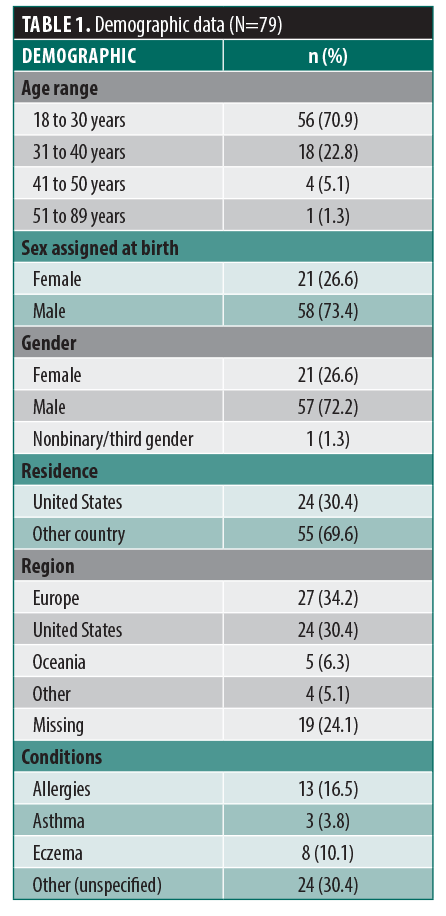
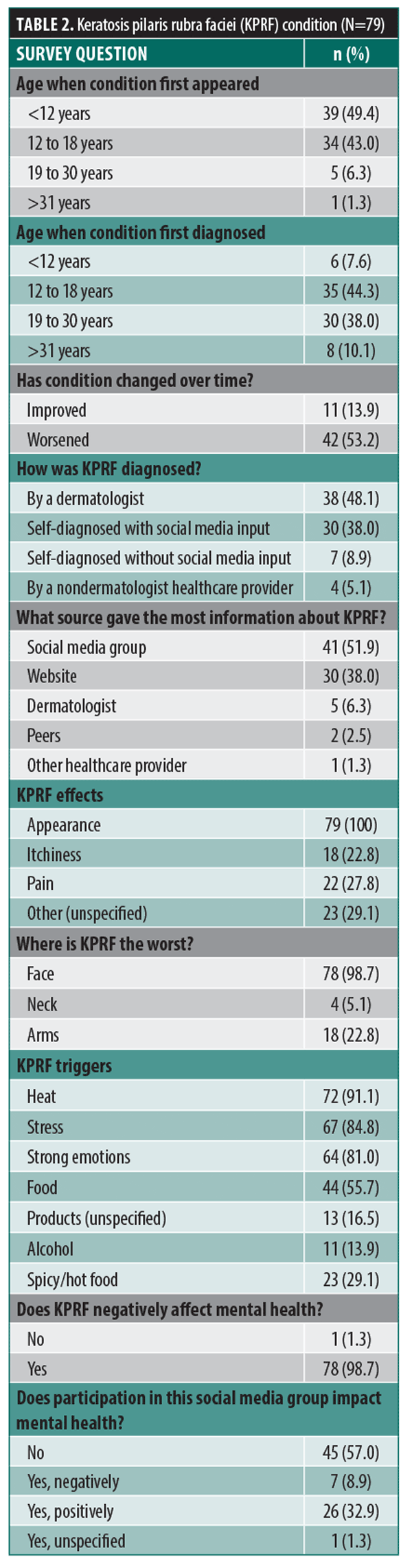
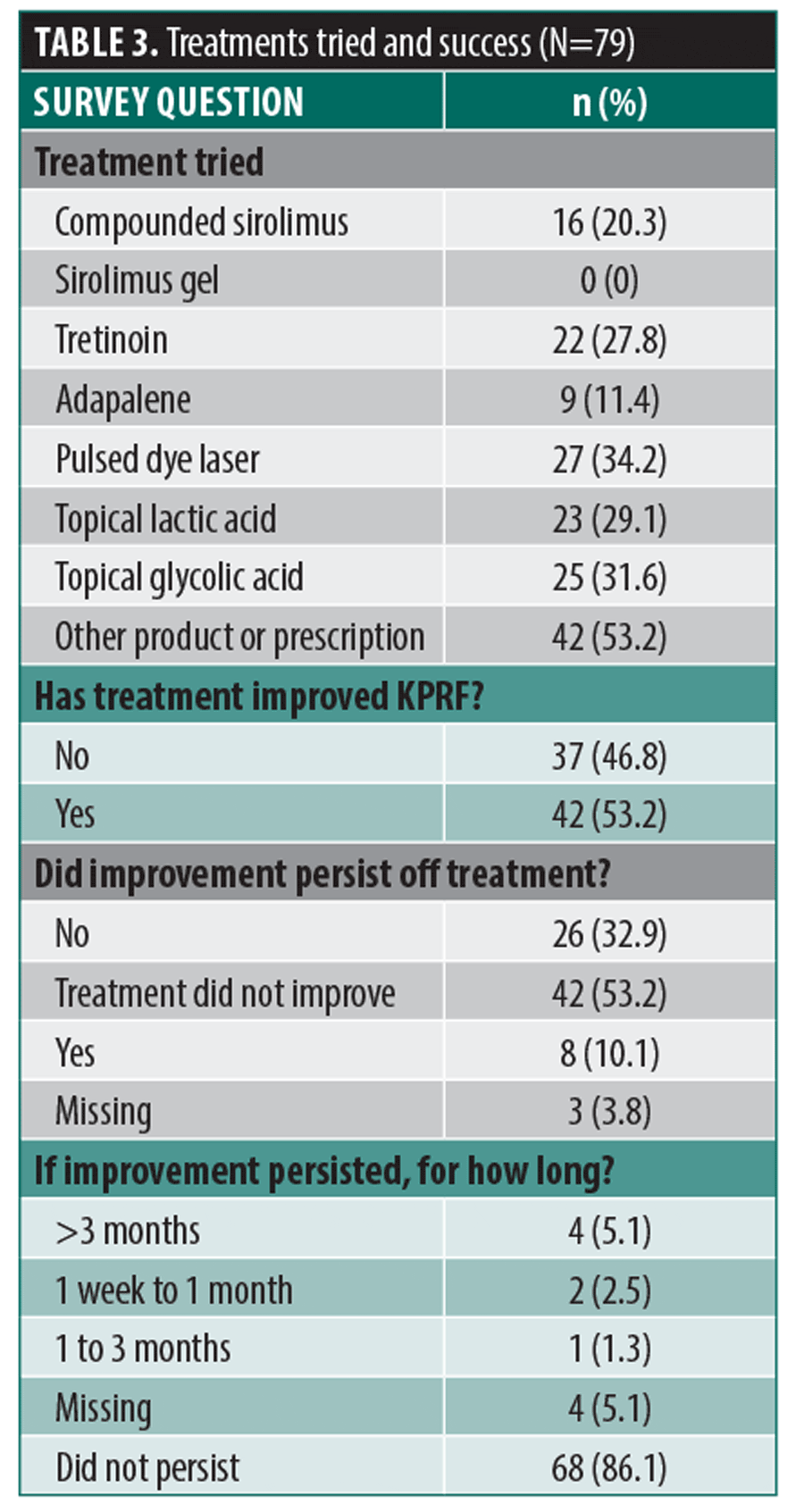
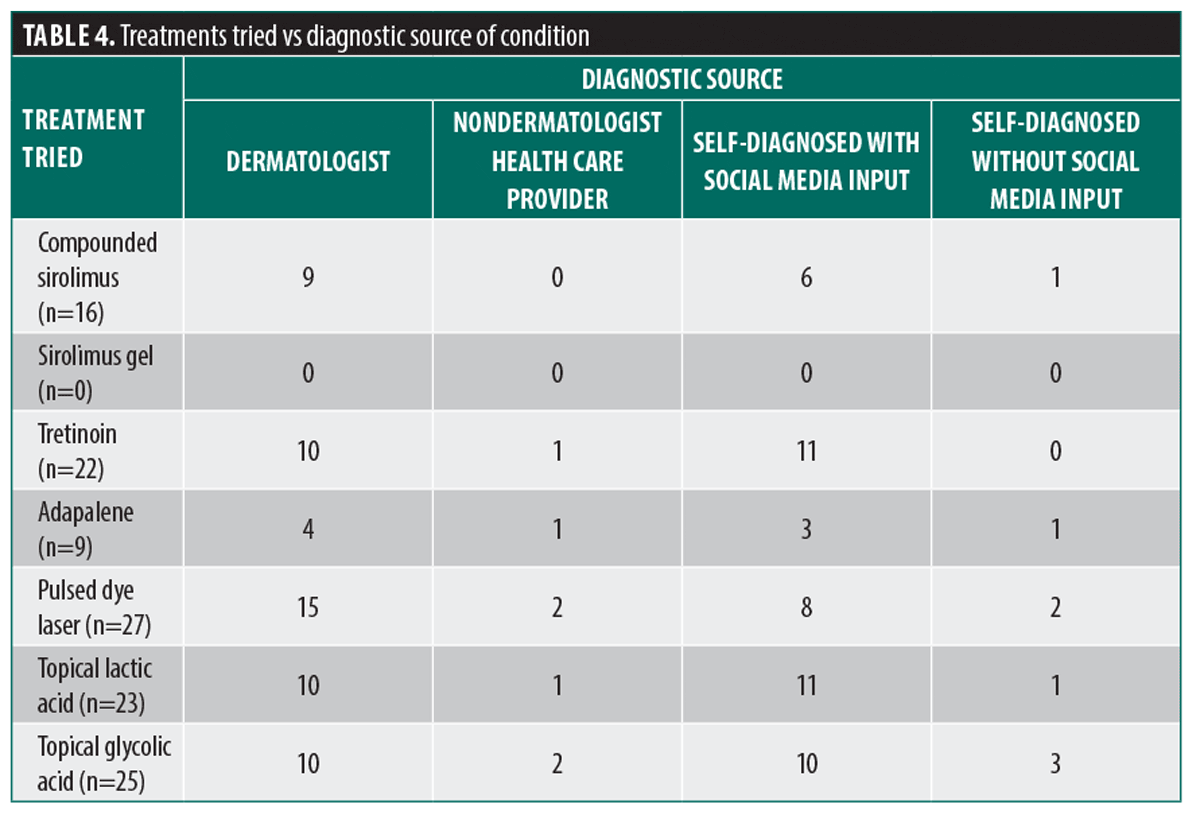
Seventy-nine survey responses were collected between August 27 and September 10, 2024. Responses were categorized into 3 domains: demographics and general characteristics (Table 1), diagnostic-related variables (Table 2), and treatment experiences and disease impact (Table 3). Descriptive statistics were reported as frequencies and percentages. A subgroup analysis was performed on participants who reported trialing topical treatments to assess the source of their KPRF diagnosis.
Most responders were men aged 18 to 30 years. They resided across the globe, with the largest proportions in Europe (34%) and the United States (30%). Almost half reported developing the condition under 12 years of age (Table 1).
Most participants were diagnosed by a dermatologist (48.1%) or self-diagnosed with input from social media (38%). The face was the most affected site (98.7%). Flares were reportedly triggered by heat, stress, emotions, food, and topical products (Table 2). Common treatments included PDL (n=27), glycolic acid (n=25), lactic acid (n=23), tretinoin (n=22), compounded sirolimus (n=16), and adapalene (n=9) as reported in Table 3.
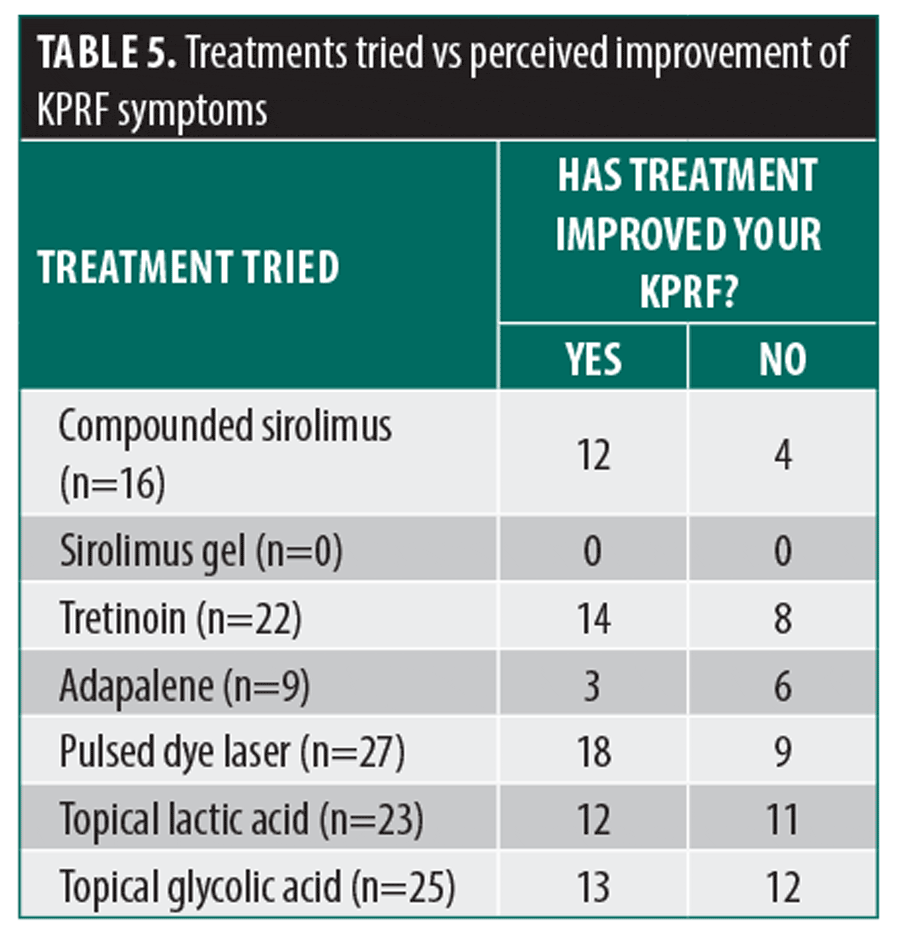
Additionally, as detailed in Table 4, the most tried treatments among respondents who reported a diagnosis by a dermatologist were PDL therapy (15 respondents), topical lactic acid (10 respondents), topical glycolic acid (10 respondents), tretinoin (10 respondents), and compounded sirolimus (9 respondents). Compounded sirolimus (75%), PDL (67%), and tretinoin (64%) had the highest ratios of participants reporting improvement with treatment (Table 5).
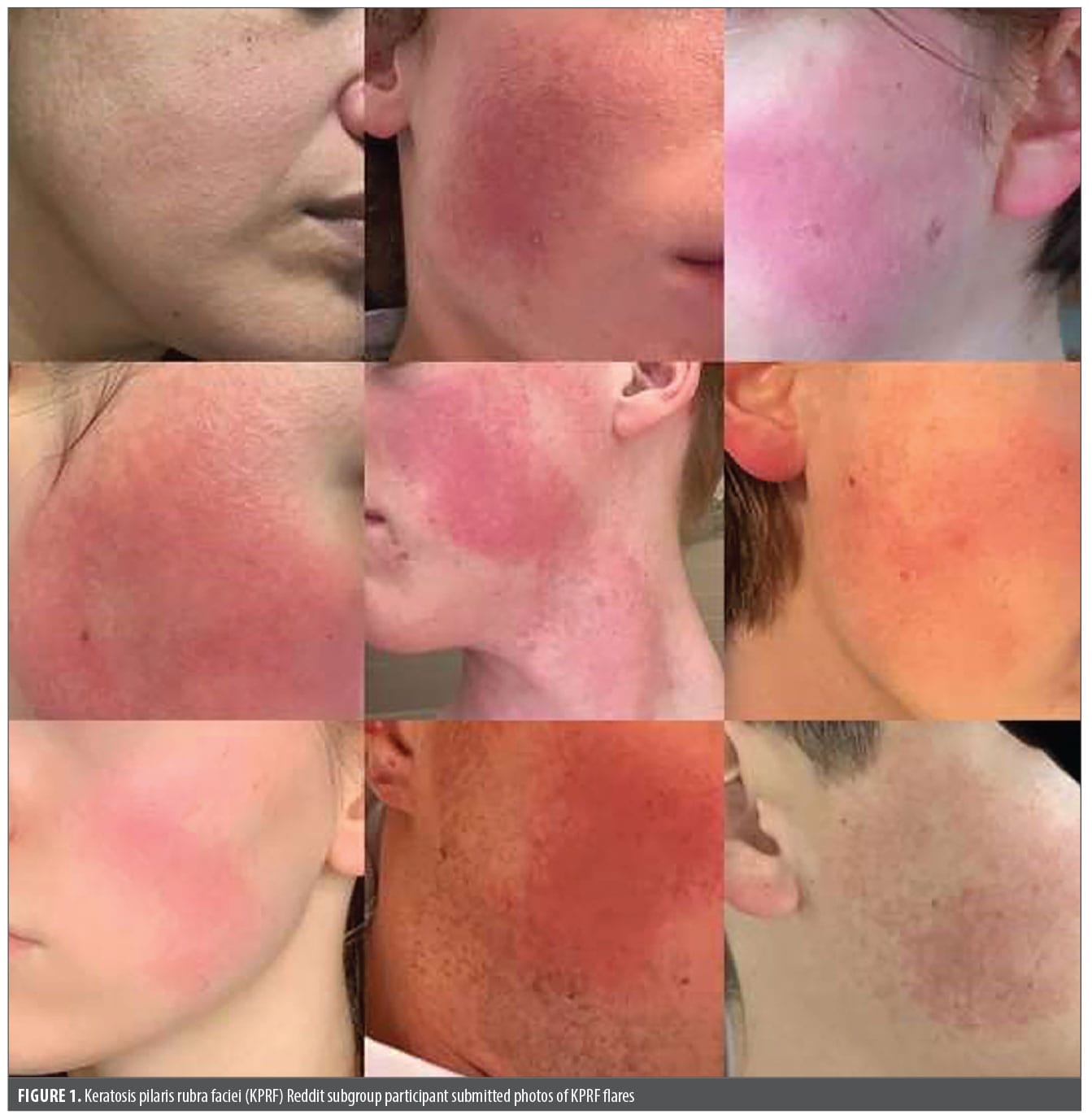
Eighteen participants elected to submit images of their affected skin. The photographs deemed of high-enough quality by the authors are included in Figure 1. Photographs were excluded due to poor quality, lighting, or inability to ensure anonymity.
Discussion
This study offers valuable insight into the experiences of individuals with KPRF, an underrecognized condition with a significant impact on quality of life. Most survey respondents (70.9%) were aged between 18 and 30 years and male (73.4%) and resided outside the United States (69.6%). A notable trend was a delay in diagnosis despite early childhood onset. Almost half (49.4%) reported symptom onset before age 12, but only 7.6% were diagnosed before then. This discrepancy underscores a gap in timely diagnosis and highlights the limited recognition of or attention to KPRF among healthcare professionals when they are confronted with such potential cases. Furthermore, 86.1% of participants reported that their condition had not improved over time and 53.2% indicated that it had worsened, further emphasizing the chronic nature of the disease and the need for more effective management strategies.
The data also provided insight into the diagnostic pathways experienced by survey respondents. Nearly half (48.1%) were diagnosed by a dermatology provider, while 38% self-diagnosed with input from social media, 8.9% self-diagnosed without social media input, and 5.1% were diagnosed by a nondermatology healthcare professional. In terms of information sources, most participants reported learning about KPRF through social media groups (51.9%) or websites (38%), with only 5.1% receiving information from a dermatologist.
Commonly reported symptom triggers included heat, stress, strong emotions, and certain foods. Most respondents also endorsed physical symptoms such as itchiness, pain, and visible skin changes. The psychosocial burden of the condition was significant, with 98.7% of participants reporting an impact on their mental health. In reviewing the online community page, many individuals in the group shared personal posts related to mental health, with some describing severe anxiety and depression linked to their facial flushing and other symptoms. This underscores the importance of addressing the psychosocial impact of KPRF on mental health and quality of life.
The survey data also offered insight into the treatment modalities used by participants. While 46.8% reported improvement with treatment, 81.6% noted that the condition reoccurred after discontinuing therapy. Among the reported treatments, compounded sirolimus showed the highest rate of perceived effectiveness: 75% of users reported improvement during treatment compared to 67% for PDL, 63.6% for tretinoin, 52% for glycolic acid, 36% for topical lactic acid, and 33% for adapalene. Although these findings are limited by the nature of self-reported survey data, they suggest that compounded sirolimus may be a promising off-label treatment option that warrants further investigation.
This study has several limitations. The sample size was relatively small, with only 79 survey respondents from the Reddit group. We attribute the low response rate to the open and transient nature of the group, as new members can join at any time and many are not consistently active. Additionally, diagnoses could not be clinically confirmed because participants were not evaluated in person. To address this, our team of dermatologists reviewed submitted photographs, the majority of which were consistent with KPRF. As with all survey-based studies, the data are subject to recall and response bias. Selection bias is also likely, given the online method of recruitment. Despite these limitations, our findings highlight the need for greater awareness, earlier diagnosis, and more effective treatment options for KPRF.
Conclusion
This study highlights the frequent delay in KPRF diagnosis, the reliance on social media as a source of information, and the substantial psychosocial burden associated with the condition. Self-reported improvement with topical sirolimus in this survey, together with findings from prior case reports, underscores the need for controlled clinical studies to further evaluate its efficacy and safety. Increased clinical awareness may also facilitate earlier recognition and diagnosis of this underrecognized condition.
References
- Eckburg A, Kazemi T, Maguiness S. Keratosis pilaris rubra successfully treated with topical sirolimus: report of a case and review of the literature. Pediatr Dermatol. 2022;39(3):429–431.
- Marqueling AL, Gilliam AE, Prendiville J, et al. Keratosis pilaris rubra: a common but underrecognized condition. Arch Dermatol. 2006;142(12):1611–1616.
- Alcántara González J, Boixeda P, Truchuelo Díez MT, Fleta Asín B. Keratosis pilaris rubra and keratosis pilaris atrophicans faciei treated with pulsed dye laser: report of 10 cases. J Eur Acad Dermatol Venereol. 2011;25(6):710–714.
- Schoch JJ, Tollefson MM, Witman P, Davis DMR. Successful treatment with pulsed dye laser. Pediatr Dermatol. 2016;33(4):443–446.
- Snow KP, Ong SK, Siegfried E. Off‑label topical sirolimus for KPRF. JAAD Case Rep. 2024;57:31–33.