
J Clin Aesthet Dermatol. 2026;19(8):50–56.
Umer Nadir, MD; Maria Bao-Loc-Trung, MD; George M. Jeha, MD; Thomas Rohrer, MD; Deirdre Hooper, MD; and Stanislav N. Tolkachjov, MD
Dr. Nadir is with the Department of Internal Medicine, Henry Ford Hospital, Detroit, Michigan; Epiphany Dermatology, Dallas, Texas; Texas A&M School of Medicine, Dallas, Texas; and the Division of Dermatology at Baylor University Medical Center, Dallas, Texas. Dr. Bao-Loc-Trung is with the Department of Dermatology, Louisiana State University School of Medicine, New Orleans, Louisiana. Dr. Jeha is with Epiphany Dermatology, Dallas, Texas, and the Division of Dermatology at Baylor University Medical Center, Dallas, Texas. Dr. Rohrer is with Skincare Physicians, Chestnut Hill, Massachusetts. Dr. Hooper is with Audubon Dermatology, New Orleans, Louisiana. Dr. Tolkachjov is with Epiphany Dermatology, Dallas, Texas; the Department of Dermatology, University of Texas at Southwestern, Dallas, Texas; Texas A&M School of Medicine, Dallas, Texas; and the Division of Dermatology at Baylor University Medical Center, Dallas, Texas.
FUNDING: No funding was provided for this article.
DISCLOSURES: Dr. Tolkachjov is an investigator/speaker for Bioventus, Kerecis, Boehringer Ingelheim, Regeneron, and Castle Biosciences. Dr. Rohrer is on the medical advisory board of Candela Corp and Acclarro. Dr. Hooper is an investigator/consultant for Allergan, Galderma, and Revance. The remaining authors have no relevant conflicts of interest.
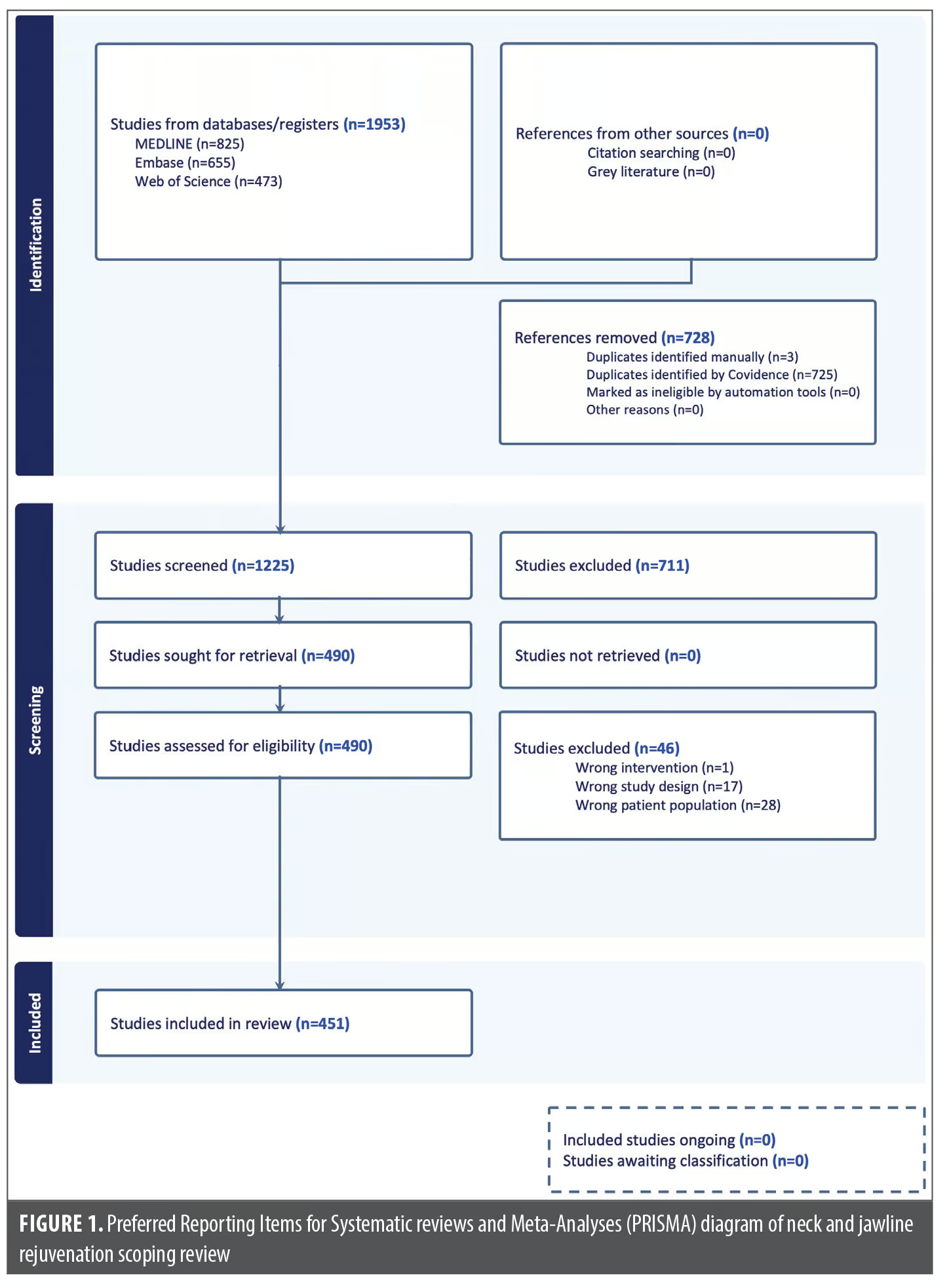
Abstract: OBJECTIVE: Rejuvenation of the neck and jawline is an increasing concern for patients seeing dermatologists and aesthetic providers. This review aims to provide a comprehensive narrative review of evidence on nonsurgical neck and jawline rejuvenation techniques. METHODS: Multiple databases (Ovid MEDLINE, Embase, and Web of Science) were queried with the assistance of 2 health science librarians. Searches were based on a combination of keyword terms related to nonsurgical modalities of neck and jawline rejuvenation. RESULTS: Our search identified 1,225 studies, with 451 relevant to review. Injectable options include deoxycholic acid for fat reduction; neuromodulators to smooth dynamic wrinkles, sharpen the jawline, and reduce lower face volume; fillers to address volume loss, enhance contours, and improve skin quality; and thread lifts to improve skin elasticity. Energy-based options include ablative and nonablative lasers, helium plasma devices, plasma exeresis, radiofrequency (RF), cryolipolysis, and ultrasound to address skin laxity and submental fullness and to promote collagen production. Mechanical stimulation options include microneedling, RF microneedling, and microcoring to stimulate elastin synthesis. Office-based liposuction is also an effective modality for submental fullness. LIMITATIONS: As a hybrid narrative review, this study is limited by the lack of formal quality assessment of individual studies but strengthened by systematic inclusion criteria. CONCLUSION: Improved cosmetic outcomes with overall low rates of complications have been reported with neck and jawline rejuvenation therapies discussed in this review. Appropriate patient selection and managing expectations are paramount when considering treatment plans. Keywords: Neck, rejuvenation, liposuction, laser, microneedling, radiofrequency, filler, neuromodulators, high frequency ultrasound, thread lift, cryolipolysis, plasma exeresis, microcoring
Introduction
Nonsurgical and office-based neck and jawline rejuvenation has gained popularity in dermatologic practice because it effectively addresses skin laxity, texture, volume loss, horizontal neck lines, submental fat, and contour with fewer complications, shorter recovery, and lower costs compared to surgical procedures.1,2 The 2025 American Society for Dermatologic Surgery consumer survey found that neck fullness was the third most concerning issue for customers. Anatomically, the neck features fewer sebaceous glands and an interwoven relationship of subcutaneous fat and platysmal bands.3 Combined with sun exposure and environmental factors, these features contribute to aging manifestations such as jowling, fine lines, atrophy, and texture changes.4
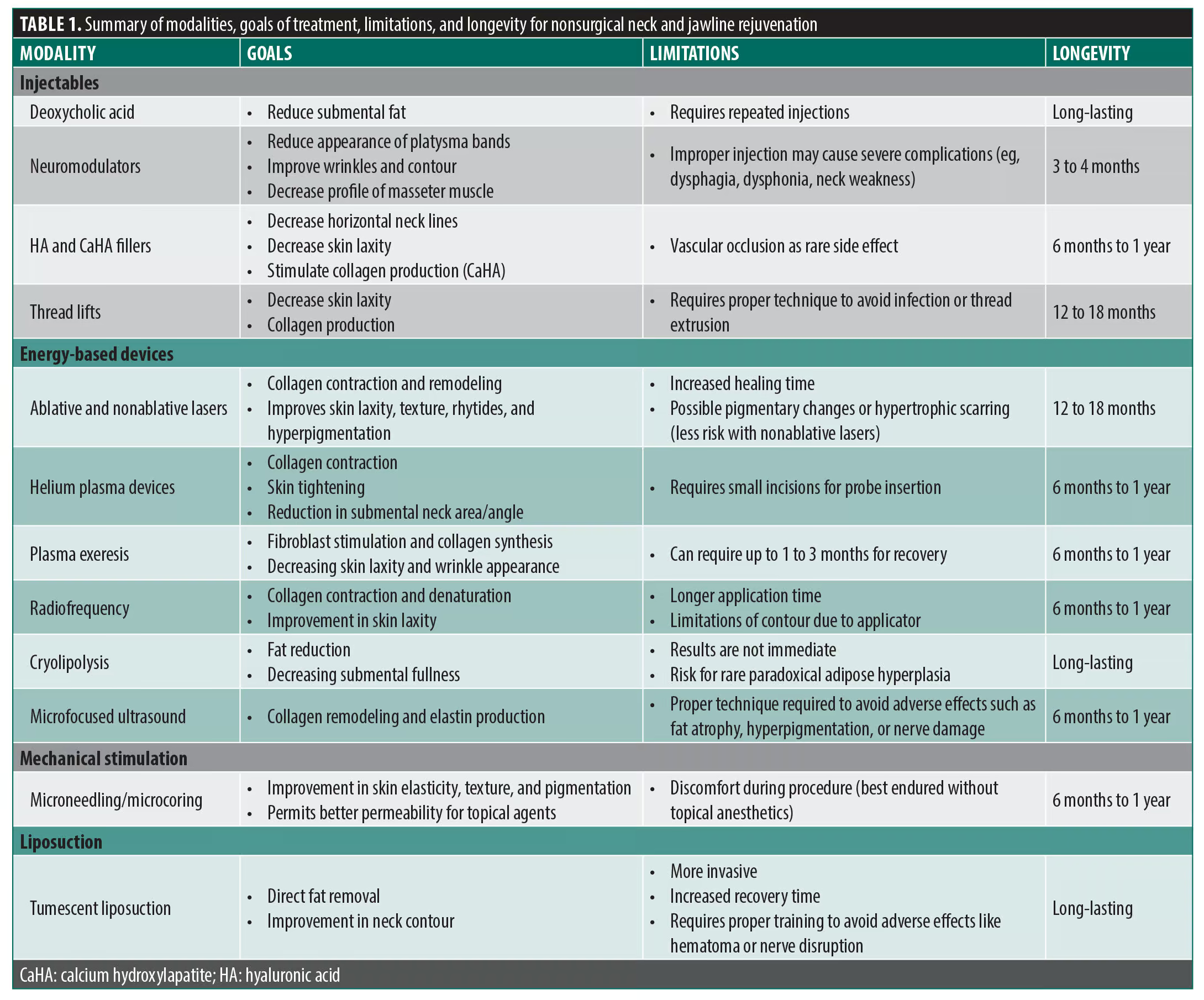
The objective of this review is to provide clinicians with a practical reference guide for nonsurgical neck rejuvenation techniques. It divides modalities into 4 categories: injectables (eg, deoxycholic acid for fat reduction, neuromodulators for muscle relaxation, fillers to improve volume loss, and thread lifts to improve skin structure and elasticity), energy-based devices (eg, lasers, helium plasma devices, plasma exeresis, radiofrequency [RF], cryolipolysis, and ultrasound to stimulate collagen production and tighten skin), mechanical stimulation (eg, microneedling and microcoring to stimulate elastin synthesis), and liposuction. Each technique has distinct mechanisms of action, benefits, limitations, and longevity, making it critical for practitioners to tailor treatments to individual patient needs and anatomic considerations.
By exploring the principles, efficacy, and safety profiles of these treatments, this review will inform dermatologic practice and help clinicians navigate strategies to deliver optimal outcomes in nonsurgical neck rejuvenation.
Methods
Multiple databases (Ovid MEDLINE, Embase, and Web of Science) were queried with the assistance of 2 health science librarians. Searches were based on a combination of keyword terms and controlled vocabulary related to various nonsurgical modalities for neck rejuvenation. The results were limited from January 1980 to September 2025 and the English language. Articles were reviewed for relevance by the authors. Commentaries and opinion papers were excluded.
Results
From our search, 1,225 studies were identified, with 451 meeting inclusion criteria (Figure 1). A summary of our results can be found within Table 1.
Injectables. Deoxycholic acid. Injectable deoxycholic acid reduces submental fullness by emulsifying fat and inducing adipocyte lysis, with subsequent lymphatic clearance that leads to improved neck contour.5 Deoxycholic acid is an effective treatment for patients with submental fullness; studies have reported reduction in 91.7% of patients after 2 treatments, with results sustained 2 years after treatment.6,7 Adverse effects to deoxycholic acid injection, such as swelling, erythema, pain/discomfort, and numbness, are expected, while more severe adverse events, such as mandibular nerve injury, occur infrequently but underscore the importance of precise injection technique by trained professionals.8 Alopecia at injection sites has also been reported in up to 15% of patients.9 In clinical practice, some skin tightening may be seen although not guaranteed. Furthermore, a distinction must be made between gland hypertrophy vs submental fat, with the latter responding better to injectable deoxycholic acid, but functional results may be seen with either etiology.
Neuromodulators. Neuromodulators act by binding presynaptic cholinergic nerve terminals, inhibiting acetylcholine release, and inducing neuromuscular blockade.10 Injection of the platysma (often called the Nefertiti lift) offers an effective option, relaxing muscle fibers, diminishing vertical bands, and enhancing neck contour in up to 91% of patients.11,12 Results appear within 1 to 2 weeks, last 3 to 4 months, and require maintenance treatments.13 For enhancing the jawline, masseter injections are a commonly used tool to improve contour.10 Common adverse effects include pain and asymmetry, while dysphagia and alopecia are rare.14,15 To reduce injection discomfort, preprocedural nerve blocks may be considered and allow expansion of the injection region for better outcomes.10 Neuromodulators are best suited for treating neck rhytides or hypertrophy of the masseter muscle, but they do not address submental fullness or skin laxity. A consult with a board-certified dermatologist should balance the risk of worsening skin laxity in older patients after injection.
Hyaluronic acid (HA) filler. As patients age, mandibular bone resorption occurs and the parotid gland may drop anatomically. HA fillers can restore this lost volume and smooth superficial wrinkles and deep contour irregularities. Furthermore, they have become popular for treating horizontal neck lines, with sustained effects up to 6 months.16–18 In an 18-month open-label study, HA filler demonstrated at least a 1-grade improvement in the 4-point volume loss scale for the chin (77.8%) and jawline (43.1%) with 95% of patients satisfied with their aesthetic outcome.19 HA fillers are generally well tolerated, with vascular occlusion being rare, particularly when using microcannulas.20 Patient selection is important, as HA filler does not address severe skin laxity or significant submental fullness, which may require adjunctive treatments. Furthermore, different subtypes of HA filler may be applicable for different scenarios such as soft HA for skin quality/fine lines and firmer HA for contour irregularities.
Calcium hydroxyapetite (CaHA) filler. CaHA filler is resorbed into tissue, leaving microspheres that serve as a scaffold for collagen production.21 Compared to HA fillers, CaHA provides greater structural support and lift, making it advantageous for thicker skin areas such as the chin.21 Baspeyras et al22 reported that treatment with CaHA filler led to improvement in jawline sagging that lasted up to 1 year postinjection. Nodule formation may occur in thin skin regions such as the neck; however, diluted (1:1) or hyperdiluted (>1:2) formulations reduce this risk.23 A study by Park24 found that a 1:2 dilution significantly improved neck skin hydration, elasticity, and wrinkle severity within 1 month. Adverse effects include inflammation, edema, erythema, granulomatous reactions, filler migration, and discoloration.25
Thread lifts. Suture suspension techniques, or thread lifts, use bioabsorbable threads to elevate lax skin and stimulate collagen production. In a prospective study, Arora and Arora26 reported significant improvement in neck laxity in 85% of patients after polydioxanone thread lifts, with effects lasting 12 to 18 months. Common adverse effects include bruising, swelling, and transient dimpling, while rare complications such as infection or thread extrusion emphasize the importance of proper technique and aftercare.27 In the submental region, understanding neurovascular anatomy and fascial planes is essential for safe placement; Hong et al28 recommended anchoring to the subangular deep fascia to avoid the great auricular nerve and parotid gland. Thread lifts are best suited for early aging with mild laxity, as severe cases may require surgical or adjunctive interventions.29
Energy-based modalities. Ablative lasers. Ablative carbon dioxide (CO2) lasers deliver high-intensity infrared light, targeting water in skin tissue, ablating the epidermis, and heating the dermis.30 This induces immediate collagen contraction followed by continued remodeling over 3 to 6 months.31 Studies have reported that ablative fractional CO2 laser improved skin laxity, texture, jowling, hyperpigmentation, and rhytides in the neck with results maintained at follow up 1 year later.31,32 Although effective, ablative lasers carry risks such as erythema, infection, scarring, oozing, and postinflammatory hyperpigmentation.30 Due to the neck’s thinner dermis and fewer pilosebaceous glands, healing and recovery time may be delayed.30 Conservative energy settings and close follow up are essential to monitor any signs of persistent erythema, hypertrophic scarring, or infection.31 Newer ablative fractional lasers such as CO2, Er:YAG, and 2910-nm cold fiber laser have become increasingly popular for resurfacing, demonstrating safety and efficacy in treating advanced photoaging and rhytides on the head and neck.30 These patients report higher satisfaction and reduced downtime compared to traditional fractional ablative lasers.33
Nonablative lasers. Unlike ablative lasers, nonablative devices (eg, nonablative Er:YAG) induce controlled dermal injury to resurface skin without epidermal ablation, stimulating collagen remodeling and neocollagenesis.30 A study by Babaie et al34 observed significant improvement in wrinkles and volume loss of the neck following treatment at 6 months. Patients also had improved neck contour, which they attributed to injury of superficial adipose tissue or indirect tightening of the overlying dermis. Although nonablative lasers do not tighten the skin significantly compared to ablative lasers, nonablative lasers offer shorter recovery times and fewer adverse events, making them ideal for sensitive or thin skin areas such as the neck and chest. For patients unable to tolerate the downtime associated with ablative laser resurfacing or those worried about risk of pigmentary sequelae, particularly in darker skin tones, nonablative lasers may be considered.35
Helium plasma devices. Helium plasma devices convert helium gas into plasma that conducts RF energy, heating subcutaneous tissue to ~85ºC for ~0.08 seconds, inducing collagen contraction while sparing the surrounding tissue and epidermis.36 The procedure requires small probe incisions but has an adverse effect profile comparable to noninvasive modalities, including hypoesthesia, edema, pruritus, and hematoma.37,38 Retrospective analyses report skin tightening in 85.5% of patients, with 35.4% of patients reporting reduction in the submental area and 37.3% of patients reporting improvement in jawline-chin angle.37–39 Long-term benefits have been observed with modest skin tightening and wrinkle reduction persisting up to 8 years.39 Helium plasma may serve as a valuable adjunct to other neck rejuvenation procedures, promoting tissue contraction and enhancing skin elasticity following fat reduction.36
Plasma exeresis. Plasma exeresis produces a controlled thermal injury by generating a plasma arc via a voltage difference between the device and skin. This ionized energy stimulates fibroblasts and induces immediate tissue contraction, with continued improvement as collagen synthesis progresses.40 Evidence for neck- and jawline-specific use is limited; one study reported that more than 88% of patients were satisfied, though only ~6% were treated for the neck.40 In other anatomic sites, plasma exeresis significantly improved periorbital laxity and wrinkles.41 This efficacy suggests broader potential for treating regions characterized by thin, mobile skin and few sebaceous glands, such as the submental region. Notably, recovery averages 1.5 to 2.5 months and potentially longer in regions of increased laxity.40 Furthermore, severe scarring has been reported and occurs in up to 1.5% of patients after plasma treatment of the neck.41 Plasma exeresis may be effective alone or synergistically with other treatments such as HA fillers.42
RF. RF uses electromagnetic waves to heat water molecules in the dermis and subcutaneous tissues, inducing immediate collagen contraction. Unlike other modalities, RF generates minimal tissue or melanin damage, making it safe across all skin types with little to no downtime.43 RF devices are classified by precision and depth of penetration: monopolar (single electrode reaching deeper layers), multipolar (multiple electrodes heating superficial layers), fractional (precise depth targeting), and internal electrode (inserted subcutaneously to deliver monopolar energy).43 While few studies compare RF modalities for the neck, all subtypes promote neocollagenesis, neoelastinogenesis, wrinkle reduction, and skin tightening.44–47 Multimodal approaches, such as combined bipolar and fractional RF, may further improve neck laxity.48 Limitations to this treatment include long treatment times (30–60 minutes), discomfort, and applicator contour constraints. Common adverse effects are transient erythema, edema, and vesicle formation.44 RF is frequently combined with adjunctive therapies, such as microneedling, to enhance energy delivery and controlled thermal injury, further stimulating neocollagenesis.49
Cryolipolysis. Cryolipolysis selectively targets adipocytes due to their heightened susceptibility to cold temperatures, reducing submental fullness without harming the dermis or underlying structures. Controlled cooling induces adipocyte crystallization and apoptosis, with gradual elimination via lymphatic drainage.49 Studies found that cryolipolysis produced a mean 2.0-mm reduction in submental fat on ultrasound and an average fat reduction of 20% to 25% after 2 treatment sessions spaced 4 to 6 weeks apart.50,51 Additionally, the procedure can produce significant tightening of the skin of the neck.52,53 The procedure is generally well tolerated; transient redness, swelling, and numbness are common, while rare complications include paradoxical adipose hyperplasia, where treated fat cells enlarge rather than reduce.52
Microfocused ultrasound (MFU). MFU delivers focused energy to precise depths (1.5–4.5 mm), generating thermal coagulation zones at 60ºC to 70ºC that induce controlled tissue injury and trigger collagen remodeling and elastin production, resulting in firmer skin over 2 to 3 months.54,55 Shome et al54 reported that at a 1-year follow up after MFU treatment of the lower face, 93% of patients achieved satisfactory outcomes by blinded assessment and 85% reported satisfaction in self-assessments.54 MFU spares the epidermis, thus minimizing downtime and demonstrating safety across skin types and nonfacial areas.56 MFU can be combined with fillers, neuromodulators toxin, or RF for comprehensive rejuvenation, addressing volume loss, surface irregularities, and laxity without compromising the established safety profiles of the individual treatments.57
Mechanical stimulation. Microneedling. Microneedling uses a roller or pen with fine needles that penetrate 1.5 to 3 mm in the neck to create microchannels, thereby stimulating fibroblast activity, neocollagenesis, and growth factor release (eg, transforming growth factor-β) for tissue rejuvenation.58 While ineffective for submental fat reduction, a study by El Hawa et al25 found 85% of participants had significant improvements in skin elasticity, texture, pigmentation, and wrinkle reduction. Alqam et al59 also found that following treatment of the neck with microneedling, 93.8% of patients endorsed improvement in neck wrinkles, 87.5% were satisfied with their results, and 80.6% would recommend the treatment to family and friends. Combining microneedling with treatment modalities such as RF and topical agents such as vitamin A and C, platelet-rich plasma, and HA enhances outcomes by using the increased skin permeability facilitated by the microchannels.48,58 Microneedling is generally well tolerated, with transient erythema, swelling, and pinpoint bleeding. Pain can be managed with topical anesthetics, though lidocaine and mepivacaine may impede healing.58 Aside from a lower pain tolerance, other contraindications include active skin infections (such as impetigo or herpes simplex), clotting disorders, or anticoagulant use.60
Microcoring. Microcoring is a percutaneous collagen induction technique similar to microneedling that promotes collagen remodeling and neocollagenesis to improve skin texture and appearance. Hollow needles remove microscopic tissue cores with minimal risk of scarring, allowing simultaneous tissue reduction and collagen stimulation.61 Microcoring is generally well tolerated, with adverse events including procedural discomfort, erythema, edema, pigmentary changes, and granuloma formation.62 Evidence specific to the neck is limited. One analysis of 3 prospective trials demonstrated significant reduction in skin surface area and improved aesthetic scores.63 Another study found there was improvement in the Global Aesthetic Improvement scale in 89.7% of patients treated with microcoring.64 However, further research is needed to establish the efficacy of microcoring for neck rejuvenation. It is important to note that patients may require significantly more downtime after the procedure and risks of adverse events are much higher than with microneedling.
Liposuction techniques. Liposuction. Liposuction mechanically removes adipocytes via cannula insertion, providing immediate contouring, while subsequent tissue contraction and remodeling further enhances neck appearance.65 Modern tumescent techniques are often employed in office by dermatologists and involve infiltration of diluted anesthetic before fat aspiration, minimizing bleeding and complications such as nerve injury and hematoma compared to traditional large cannula liposuction.66
Combined liposuction techniques. Combining liposuction with skin-tightening technologies enhances outcomes by addressing both excess fat and mild skin laxity. RF-assisted liposuction integrates RF energy with fat aspiration, promoting collagen remodeling and precise contouring for improved skin tightening.67 Laser-assisted liposuction, particularly using 1440-nm Nd:YAG lasers, facilitates fat removal while improving skin laxity.68 Combination approaches with minimally invasive skin tightening show high efficacy and safety.68,69 Adjunctive modalities, including fractional ablative lasers, cryolipolysis, and neuromodulators, allow simultaneous treatment of multiple aspects of neck aging, often yielding superior aesthetic outcomes and patient satisfaction.70,71 Overall, liposuction-based techniques, particularly when combined with advanced technologies, offer safe, effective, and versatile options for nonsurgical neck rejuvenation.
Discussion
Nonsurgical neck rejuvenation has advanced considerably, offering a range of modalities to address the multifactorial challenges of neck aging. Optimal outcomes are achieved through a combined approach targeting muscle, soft tissue, skin laxity, texture, and tone. Deoxycholic acid injections, cryolipolysis, and liposuction can all reduce submental fat.49 Neuromodulators, specifically botulinum toxin type A, can reduce platysmal banding, smooth creases, and improve the cervicomental angle contour by targeting dermally attached muscles.10–13 Fillers such as CaHA and HA improve collagen and elastin content and reduce horizontal neck lines, while thread lifts can lift to improve skin laxity.18,26 Energy-based devices, including ablative/nonablative fractional lasers, helium plasma devices, plasma exeresis, RF, and MFU, stimulate collagen to tighten skin and improve texture.30,38,40,48,57 Mechanical treatments such as microneedling and microcoring promote structural support and collagen synthesis, while adjunctive cosmeceuticals can help maintain outcomes.62 Nonetheless, limited studies have evaluated the long-term effects of these nonsurgical modalities, with most reporting follow up of only up to 1 year, highlighting the need for further research to confirm durability of effects.
Tumescent liposuction performed by a dermatologist should be considered for patients with pronounced submental fullness, poorly defined jawlines, or limited response to other therapies. As a minimally invasive procedure, tumescent liposuction allows dermatologists to offer dramatic, long-lasting contouring effects that serve as a foundation for adjunctive enhancements.66
A limitation of our guide is that despite the efficacy of nonsurgical options, more invasive procedures such as large-cannula liposuction and surgical neck lifting procedures remain a cornerstone for patients with significant submental fat and advanced laxity, particularly when combined with technologies such as helium plasma or RF.67–69
Conclusion
Nonsurgical and minimally invasive neck rejuvenation offers effective, customizable solutions for diverse signs of aging. Combining various modalities with the latest technologies and managing patient expectations in a holistic patient-specific strategy often leads to the best results and highest patient satisfaction.
References
- Pérez P, Hohman MH. Neck rejuvenation. In: StatPearls [Internet]. StatPearls Publishing; 2023. Accessed 29 Sep 2025. https://www.ncbi.nlm.nih.gov/books/NBK562229/
- Shridharani SM, Baumann L, Dayan SH, Humphrey S, Breshears L, Sangha S. Attitudes toward submental fat among adults in the United States. Dermatol Surg. 2020;46(11):1384–1387.
- Mulholland RS. Nonexcisional, minimally invasive rejuvenation of the neck. Clin Plast Surg. 2014;41(1):11–31.
- Melley LE, Altman A, Bloom JD. Nonsurgical chin and prejowl modification. Facial Plast Surg. 2025;41(5):583–594.
- Humphrey S, Munavalli GS, Yoelin SG, Friedmann DP, Kavali CM, Sangha S. Submental area treatment with ATX-101: relationship of mechanism of action, tissue response, and efficacy. Plast Reconstr Surg Glob Open. 2022;10(4):e4250.
- Rzany B, Griffiths T, Walker P, Lippert S, McDiarmid J, Havlickova B. Reduction of unwanted submental fat with ATX ‐101 (deoxycholic acid), an adipocytolytic injectable treatment: results from a phase III , randomized, placebo‐controlled study. Br J Dermatol. 2014;170(2):445–453.
- Shridharani SM. Real-world experience with 100 consecutive patients undergoing neck contouring with ATX-101 (deoxycholic acid): an updated report with a 2-year analysis. Dermatol Surg. 2019;45(10):1285–1293.
- Shridharani SM, Kennedy ML. Management of serious adverse events following deoxycholic acid injection for submental and jowl fat reduction: a systematic review and management recommendations. Aesthetic Surg J Open Forum. 2024;6:ojae061.
- Grady B, Porphirio F, Rokhsar C. Submental alopecia at deoxycholic acid injection site. Dermatol Surg. 2017;43(8):1105–1108.
- Zhuang J, Jiang L, Zhou Y, et al. Botulinum toxin injection technique for reducing the masseter size and enhancing the jawline. Aesthet Surg J. 2024;44(8):NP567–NP573.
- Triana L, Palacios Huatuco RM, Campilgio G, Liscano E. Trends in surgical and nonsurgical aesthetic procedures: a 14-year analysis of the international society of aesthetic plastic surgery—ISAPS. Aesthet Plast Surg. 2024;48(20):4217–4227.
- Sugrue CM, Kelly JL, McInerney N. Botulinum toxin treatment for mild to moderate platysma bands: a systematic review of efficacy, safety, and injection technique. Aesthet Surg J. 2019;39(2):201–206.
- Flynn TC. Botulinum toxin: examining duration of effect in facial aesthetic applications. Am J Clin Dermatol. 2010;11(3):183–199.
- Phothong W, Wanitphakdeedecha R, Keskool P, Manuskiatti W. A case of dysphagia following botulinum toxin injection for neck rejuvenation. J Cosmet Dermatol. 2017;16(1):15–17.
- Issa NT, Kaiser M, Martinez-Velasco A, Tosti A. Alopecia after cosmetic injection procedures: a review. Dermatol Surg. 2022;48(8):855–861.
- Rongthong A, Wanitphakdeedecha R, Maiprasert M, et al. Efficacy and safety of hyaluronic acid filler on the treatment of horizontal neck lines. J Cosmet Dermatol. 2023;22(2):433–438.
- Guanche AD, Tan MG, Tolkachjov SN. How we do it: soft tissue fillers in the temporal and mastoid regions to achieve “pan-facial” rejuvenation. Dermatol Surg. 2025;51(5):565–567.
- Lee SK, Kim HS. Correction of horizontal neck lines: our preliminary experience with hyaluronic acid fillers. J Cosmet Dermatol. 2018;17(4):590–595.
- Talarico S, Meski AP, Buratini L, et al. High patient satisfaction of a hyaluronic acid filler producing enduring full‐facial volume restoration: an 18‐month open multicenter study. Dermatol Surg. 2015;41(12):1361–1369.
- Alam M, Kakar R, Dover JS, et al. Rates of vascular occlusion associated with using needles vs cannulas for filler injection. JAMA Dermatol. 2021;157(2):174–180.
- Go B, Frost AS, Friedman O. Using injectable fillers for chin and jawline rejuvenation. World J Otorhinolaryngol Head Neck Surg. 2023;9(2):131–137.
- Baspeyras M, Dallara JM, Cartier H, Charavel MH, Dumas L. Restoring jawline contour with calcium hydroxylapatite: a prospective, observational study. J Cosmet Dermatol. 2017;16(3):342–347.
- Wang Z, Zhang Z, Hu J. Progress in neck rejuvenation injection therapy. Aesthetic Plast Surg. 2025;49(19):5266–5274.
- Park KY. Efficacy of diluted calcium hydroxyapatite filler for neck rejuvenation: a pilot study on single‐session, short‐term outcomes. Dermatologic Therapy. 2025;2025(1):1621113.
- El Hawa M, Shahla WA, Fares C, Saade D. Non‐facial skin rejuvenation of the neck, chest, and hands. Part one: using injections. J Cosmet Dermatol. 2024;24(1):e16624.
- Arora G, Arora S. Neck rejuvenation with thread lift. J Cutan Aesthetic Surg. 2019;12(3):196–200.
- Pham CT, Chu S, Foulad DP, Mesinkovska NA. Safety profile of thread lifts on the face and neck: an evidence-based systematic review. Dermatol Surg. 2021;47(11):1460–1465.
- Hong GW, Wan J, Yoon SE, Wong S, Yi KH. Anatomical consideration for double chin thread lifting. J Cosmet Dermatol. 2025;24(6):e70238.
- Hexsel D, Camozzato F, Valente-Bezerra I, Silva AF, Siega C. L-lift technique using poly-l-lactic acid: a pilot study. Dermatol Surg. 2021;47(8):1087–1092.
- Fares C, Shahla WA, El Hawa M, Saade D. Nonfacial skin rejuvenation of the neck, chest, and hands. Part two: using laser techniques. J Cosm Dermatol. 2024;24(2):e16671.
- Oram Y, Akkaya AD. Neck rejuvenation with fractional CO2 laser: long-term results. J Clin Aesthet Dermatol. 2014;7(8):23–29.
- Tierney EP, Kouba DJ, Hanke CW. Review of fractional photothermolysis: treatment indications and efficacy. Dermatol Surg. 2009;35(10):1445–1461.
- Murray TN, Hu JK, Friedman PM. Full-face and neck resurfacing with a novel ablative fractional 2910 nm erbium-doped fluoride glass fiber laser for advanced photoaging. Lasers Surg Med. 2024;56(3):249–256.
- Babaie H, Zadeh FK, Ansari M, et al. Safety and efficacy of 1550-nm non-ablative fractional laser for neck rejuvenation. Lasers Med Sci. 2025;40(1):358.
- Preissig J, Hamilton K, Markus R. Current laser resurfacing technologies: a review that delves beneath the surface. Semin Plast Surg. 2012;26(3):109–116.
- Hoyos AE, Perez ME, Cala LC, Dominguez R, Vranis NM, Dayan E. Helium plasma-driven radiofrequency for skin contraction: clinical use, safety recommendations, and results in high-definition body contouring surgery. Aesthet Surg J Open Forum. 2025;7:ojae118.
- Ruff PG, Bharti G, Hunstad J, et al. Safety and efficacy of renuvion helium plasma to improve the appearance of loose skin in the neck and submental region. Aesthet Surg J. 2023;43(10):1174–1188.
- Doolabh V, Ruff P. A retrospective chart review of subdermal neck coagulation using helium plasma technology. Dermatological Reviews. 2020;1(4): 143–150.
- DeLozier JB, Holcomb JD. Helium plasma dermal resurfacing with and without concurrent aesthetic surgery of the face and neck: a retrospective review. Aesthet Surg J Open Forum. 2022;4:ojac061.
- Sotiris TG, Nittari G, Sagaro GG, Amenta F. A descriptive study on the applications of plasma exeresis in dermatology. J Clin Aesthet Dermatol. 2021;14(3):E58–E62.
- Abdollahiamjd F, Beheshti M, Moravvej H. Evaluation of the efficacy and safety of plasma exeresis in periorbital rejuvenation using reviscometer. J Cosmet Dermatol. 2022;21(6):2550–2558.
- Paganelli A, Mandel VD, Pellacani G, Rossi E. Synergic effect of plasma exeresis and non–cross-linked low and high molecular weight hyaluronic acid to improve neck skin laxities. J Cosmet Dermatol. 2020;19(2):55–60.
- Austin GK, Struble SL, Quatela VC. Evaluating the effectiveness and safety of radiofrequency for face and neck rejuvenation: a systematic review. Lasers Surg Med. 2022;54(1):27–45.
- Park JH, Kim JI, Park HJ, Kim WS. Evaluation of safety and efficacy of noninvasive radiofrequency technology for submental rejuvenation. Laser Med Sci. 2016;31(8):1599–1605.
- de Oliveira TC, Rocha SF, Ramos DG, Ramos CG, Carvalho MVDA, Ramos MG. Effects of multipolar radiofrequency and pulsed electromagnetic field treatment for face and neck rejuvenation. Dermatol Res Pract. 2017;2017:4146391.
- Hyun MY, Li K, Kim BJ, et al. Novel treatment of neck wrinkles with an intradermal radiofrequency device. Ann Dermatol. 2015;27(1):79–81.
- Alexiades-Armenakas M, Rosenberg D, Renton B, Dover J, Arndt K. Blinded, randomized, quantitative grading comparison of minimally invasive, fractional radiofrequency and surgical face-lift to treat skin laxity. Arch Dermatol. 2010;146(4):396–405.
- Angra K, Alhaddad M, Boen M, et al. Prospective clinical trial of the latest generation of noninvasive monopolar radiofrequency for the treatment of facial and upper neck skin laxity. Dermatol Surg. 2021;47(6):762–766.
- Mena-Garza AA, Morales-De-La-Cerda R, Renteria-Covarrubias JC. Fundamentals of non-invasive facial rejuvenation. In: De-Luna-Gallardo D, Marquez-Espriella, Cienfuegos-Monroy R, eds. Plastic and Reconstructive Surgery Fundamentals. Springer eBooks; 2024:609–614.
- Kilmer SL, Burns AJ, Zelickson BD. Safety and efficacy of cryolipolysis for non-invasive reduction of submental fat. Lasers Surg Med. 2016;48(1):3–13.
- Roberts WE, Cheng T. Neck aging and rejuvenation: a balanced approach to assessment and treatment. Dermatol Rev. 2024;5(3):e238.
- Kania B, Goldberg DJ. Cryolipolysis: a promising nonsurgical technique for localized fat reduction. J Cosmet Dermatol. 2023; 22(Suppl 3):1–7.
- Bernstein EF, Bloom JD. Safety and efficacy of bilateral submental cryolipolysis with quantified 3-dimensional imaging of fat reduction and skin tightening. JAMA Facial Plast Surg. 2017;19(5):350–357.
- Shome D, Vadera S, Ram MS, Khare S, Kapoor R. Use of micro-focused ultrasound for skin tightening of mid and lower face. Plast Reconstr Surg Glob Open. 2019;7(12):e2498.
- Bukhari A, Shadid A, Al-Omair A, Alheggi A, Almukhadeb EA, Albarqawi SY. Patient satisfaction following treatment with micro-focused ultrasound with visualization: a retrospective cross-sectional study. Skin Res Technol. 2024;30(8):e13917.
- Khan U, Khalid N. A systematic review of the clinical efficacy of micro-focused ultrasound treatment for skin rejuvenation and tightening. Cureus. 2021;13(12):e20163.
- Fabi SG, Goldman MP, Mills DC, et al. Combining microfocused ultrasound with botulinum toxin and temporary and semi-permanent dermal fillers. Dermatol Surg. 2016;42(Suppl 2):S168–S176.
- Pająk J, Szepietowski JC, Nowicka D. Prevention of ageing-the role of micro-needling in neck and cleavage rejuvenation: a narrative review. Int J Environ Res Public Health. 2022;19(15):9055.
- Alqam M, Wamsley CE, Hitchcock T, Jones BC, Akgul Y, Kenkel JM. Efficacy and tolerability of a microneedling device for treating wrinkles on the neck. Aesthet Surg J. 2022;42(10):1154–1160.
- Jaiswal S, Jawade S. Microneedling in dermatology: a comprehensive review of applications, techniques, and outcomes. Cureus. 2024;16(9):e70033.
- Remy K, DePamphilis MA, Buta MR, et al. Core innovations in skin rejuvenation: a systematic review of microcoring technology. Dermatol Surg. 2025;51(7):696–701.
- Carver C, Rashid Z, Shuker S. Microneedling vs microcoring: a review of percutaneous collagen induction for the face and neck. J Cosmet Dermatol. 2024;23(5):1541–1550.
- Pozner JN, Kilmer SL, Geronemus RG, Jack M, Burns JA, Kaminer MS. Cytrellis: a novel microcoring technology for scarless skin removal: summary of three prospective clinical trials. Plast Reconstr Surg Glob Open. 2021;9(10):e3905.
- Gfrerer L, Kilmer SL, Waibel JS, Geronemus RG, Biesman BS. Dermal micro-coring for the treatment of moderate to severe facial wrinkles. Plast Reconstr Surg Glob Open. 2022;10(10):e4547.
- Habbema L, Tang JC, Sattler G, Hanke CW. Liposuction of the neck: low incidence of nerve injury and other complications in 987 patients. J Drugs Dermatol. 2018;17(1):30–34.
- Roland B. Safety of liposuction of the neck using tumescent local anesthesia: experience in 320 cases. Dermatol Surg. 2012;38(11):1812–1815.
- Tettamanzi M, Muratore G, Arrica G, et al. Advancements in face and neck contouring: integrating radiofrequency-assisted liposuction with FaceTite and buccal fat pad excision for facial slimming. Aesthetic Plast Surg. 2024;48(22):4667–4674.
- Alexiades-Armenakas M. Combination laser-assisted liposuction and minimally invasive skin tightening with temperature feedback for treatment of the submentum and neck. Dermatol Surg. 2012;38(6):871–881.
- Mandour S, El-Tatawy RA, Alborgy AF, Elghamry S. Efficacy and safety of 1440-nm Nd:YAG laser on lower face and neck rejuvenation. Lasers Med Sci. 2021;36(6):1267–1274.
- Vanaman M, Fabi SG, Cox SE. Neck rejuvenation using a combination approach: our experience and a review of the literature. Dermatol Surg. 2016;42(Suppl 2):S94–S100.
- Thomas WW, Bloom JD. Neck contouring and treatment of submental adiposity. J Drugs Dermatol. 2017;16(1):54–57.